Mariachi and Music Experiences: Garibaldi, Tlaquepaque, and Beyond
Alright, my fellow expats and travel enthusiasts, let's talk about something truly magical that often draws us to Mexico: the music. Beyond just hearing a catchy tune on the radio, experiencing live Mexican music, especially mariachi, can be one of the most profound and heartwarming parts of living or traveling here. But knowing where to go and how to truly immerse yourself can be a bit daunting, right? You want that authentic, goosebump-inducing performance, not just a tourist trap. This guide is going to walk you through the very best places and ways to experience the vibrant sounds of Mexico, from the iconic mariachi to other traditional rhythms, making sure your musical journey is as rich and memorable as the country itself.
Disclosure: This post may contain affiliate links. We may earn a commission at no extra cost to you if you make a purchase through these links. Read full disclosure.
The Soulful Call of Mariachi: More Than Just Music
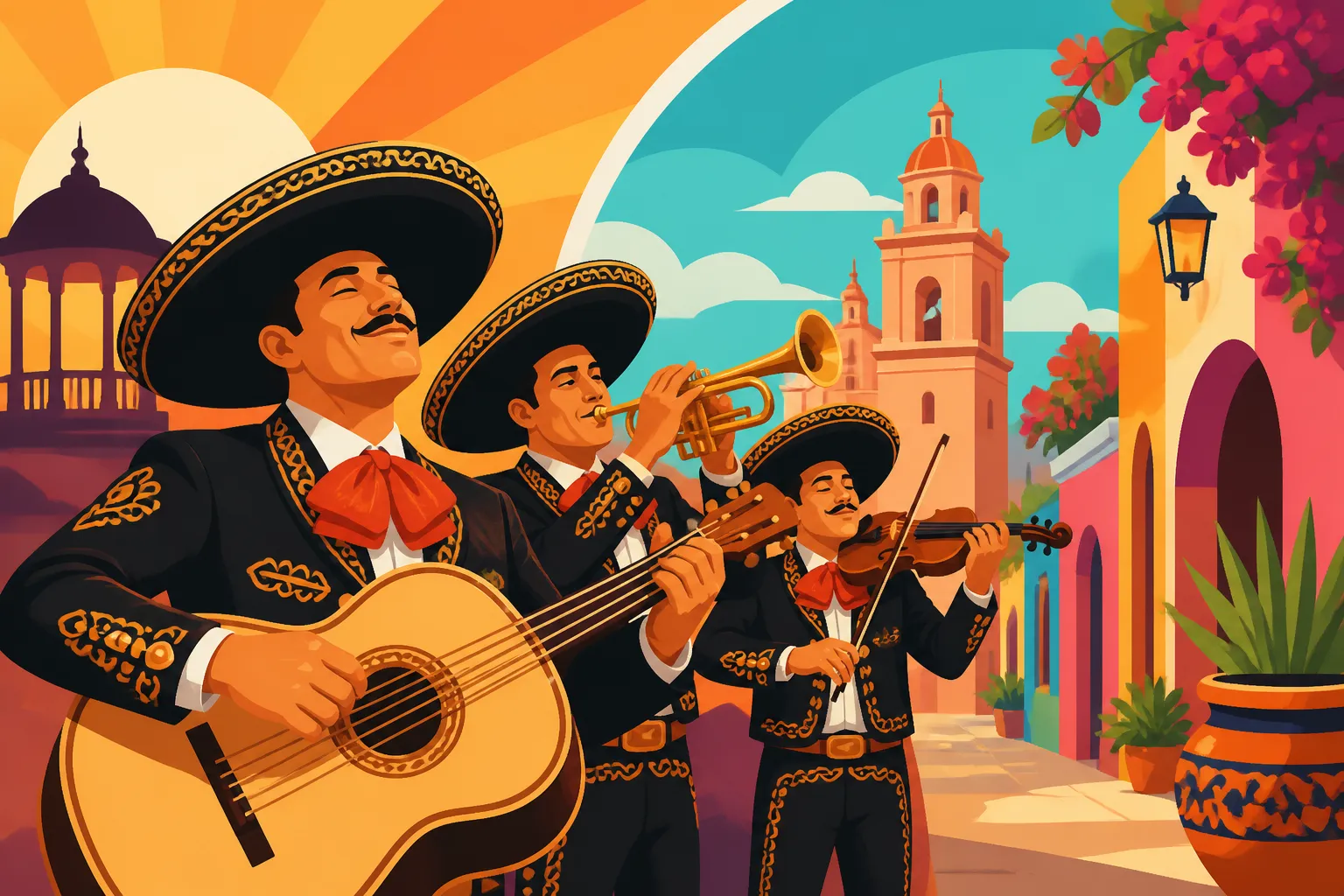
When you think of Mexican music, chances are the image of mariachi springs immediately to mind. Those iconic charro suits, the wide-brimmed sombreros, and the powerful, emotive voices backed by violins, trumpets, and guitars – it’s a cultural cornerstone. But for many of us who didn’t grow up with it, understanding the depth of mariachi can take a little time, and a whole lot of listening. It's not just background music; it's a living, breathing tradition that tells stories of love, heartbreak, patriotism, and daily life.
What Makes Mariachi So Special?
What sets mariachi apart is its undeniable soul. These aren't just musicians playing notes; they're storytellers. Each song, or canción, is delivered with a passion that transcends language barriers. You'll find yourself caught up in the drama of a ranchera or tapping your foot to a lively son jalisciense, even if you don't understand every word. The instruments themselves have a history – the vihuela, a small, five-stringed guitar that provides rhythmic and harmonic support; the guitarrón, a large, deep-bodied acoustic bass guitar that gives mariachi its distinctive low end; and of course, the bold, soaring trumpets and the emotive strings. Together, they create a sound that is instantly recognizable and deeply moving.
Many expat friends I know, who initially thought mariachi was "just for tourists," have been completely won over after a few truly authentic experiences. They found themselves requesting songs, singing along to choruses they'd picked up, and even shedding a tear during a particularly poignant ballad. It's a connection to the heart of Mexico, a cultural hug delivered through melody. To truly appreciate it, you have to be open to the feeling, the sentimiento. If you're looking to dive deep into this cultural treasure, services like Viator offer fantastic guided experiences that help you understand the history and nuances, moving beyond just a casual listen to a genuine appreciation. They often pair these experiences with cultural tours, making for a truly comprehensive outing.
Navigating the Cultural Nuances for Expats and Tourists
As with any deep cultural experience, there are a few things to keep in mind to make sure you're respectful and get the most out of your mariachi encounter. First, consider the setting. While mariachi bands might play in restaurants or hotels, the most traditional experiences often happen in public plazas or dedicated venues. When you hire a band for a few songs, it's customary to agree on a price per song or per block of songs beforehand. Don't be shy to ask; it's expected!
Also, remember that mariachi musicians are professionals. They’re sharing their art and livelihood. Tipping in Mexico (Propina): When and How Much is a good read if you're unsure about gratuities. While not strictly mandatory for every single interaction, a small tip for exceptional performances is always appreciated, especially if you've made a special request. Engaging with the musicians, even with limited Spanish, can enhance the experience. A simple "¡Qué bonita canción!" (What a beautiful song!) or "¡Gracias!" can go a long way. Many tour operators, especially those you can book through Viator, understand these nuances and often include cultural etiquette tips, ensuring you feel comfortable and informed. They bridge that gap between being a curious visitor and a knowledgeable participant.
Mexico City's Mariachi Mecca: Plaza Garibaldi
When people talk about mariachi in Mexico City, one name dominates the conversation: Plaza Garibaldi. This bustling square, nestled in the heart of the city's historic center, is literally the place where mariachi bands gather, day and night, ready to serenade passersby, celebrate special occasions, or simply practice their craft. It's an experience unlike any other, a sensory explosion that defines a part of Mexico City's soul.
Experiencing Garibaldi: Day vs. Night
Garibaldi offers two distinct vibes, depending on when you visit. During the day, it's a lively, but generally more subdued, spot. You'll see mariachis in their finest attire, tuning instruments, chatting, and waiting for their next gig. Tourists stroll around, taking photos with the statues of famous mariachi singers like José Alfredo Jiménez, and enjoying street food. It's a great time to appreciate the architecture of the surrounding buildings and soak in the history of the square. You can often hire a band for a song or two right then and there.
However, Garibaldi truly comes alive after dark. As the sun sets, the plaza transforms. The air fills with the overlapping melodies of dozens of mariachi bands, each competing for attention, creating a vibrant, beautiful cacophony. Families gather, couples dance, and groups celebrate special events. The surrounding cantinas and restaurants, like the famous Salón Tenampa, spill out onto the plaza, adding to the festive atmosphere. It's an electrifying experience, but one that requires a little preparation. To get the best of both worlds, consider booking a guided tour through Viator that takes you through Garibaldi, often including a stop at a traditional cantina. This way, you get the excitement with added security and insight. Such tours ensure you understand the flow and make the most of your visit.
Tips for a Memorable (and Safe) Night Out at Garibaldi
While Garibaldi at night is iconic, it's also a very busy, crowded place. Like any major city hotspot, it’s wise to be aware of your surroundings. Here are a few tips for a truly memorable (and safe) experience:
- Go with a Group or a Guide: If it's your first time, going with friends or on an organized tour is highly recommended. Tours offered on Viator are fantastic for this, as they provide transportation, a local guide who knows the ropes, and often a pre-arranged mariachi experience, allowing you to relax and enjoy the show without worrying about logistics or safety.
- Agree on Prices Upfront: If you decide to hire a band on the spot, always, always confirm the price per song (or per tanda – a set of songs) before they start playing. There's nothing worse than sticker shock at the end of a beautiful serenade.
- Watch Your Belongings: Keep your valuables secure and out of sight. A cross-body bag or a front pocket is ideal. Avoid flashing large amounts of cash or expensive jewelry. This is standard advice for any crowded tourist area, as you might read in Staying Safe in Mexico: Practical Tips for Travelers.
- Enjoy the Local Flavors: The area around Garibaldi is full of traditional Mexican food and drink. Don't be afraid to try some street tacos or a refreshing agua fresca. Just be mindful of where you're eating, especially with street vendors. For curated culinary experiences, you can often find options on Viator that combine food tours with a visit to Garibaldi, offering a delicious and worry-free evening.
- Embrace the Energy: Despite the need for caution, don't let it overshadow the experience. Lean into the joy, the music, and the vibrant atmosphere. It’s a truly unique aspect of Mexico City for First-Time Visitors: Neighborhoods and Highlights!
Guadalajara and Jalisco: The Birthplace of Mariachi
If Mexico City is where mariachi gathers, then Jalisco is where it was born. The state of Jalisco, with its capital city Guadalajara, is the historical cradle of mariachi music, tequila, and the traditional charro cowboy culture. To truly understand mariachi's roots, a visit to this region is essential. The music here feels even more ingrained in the daily fabric of life, often played with a raw, authentic passion that speaks of generations of tradition.
Tlaquepaque: Where Tradition Comes Alive
Just a short drive from Guadalajara's bustling city center lies Tlaquepaque, a Pueblo Mágico (Magic Town) renowned for its artisanal crafts, beautiful colonial architecture, and, of course, its deep connection to mariachi. Unlike Garibaldi, where mariachis gather more informally, Tlaquepaque offers a more polished yet equally authentic mariachi experience, particularly at its famous Parián. The Parián is a large, central courtyard surrounded by restaurants and bars, where mariachi bands play continuously on a central stage. It’s an ideal spot to enjoy a meal, a drink, and soak in the music in a relaxed, family-friendly atmosphere.
Walking through the vibrant streets of Tlaquepaque, you'll find art galleries, craft shops selling everything from blown glass to pottery, and charming cafes. The mariachi here isn't just an evening performance; it's part of the town's artistic soul. It’s a wonderful place to spend a day, exploring the shops, enjoying lunch, and then settling in for an evening of music. Many visitors to Guadalajara City Guide: Culture, Food, and Mariachi make Tlaquepaque a must-see. To ensure a seamless trip to this charming town, consider booking a guided tour through Viator that includes transportation and highlights the best of Tlaquepaque's art, food, and mariachi scene. This way, you get to experience the magic without any hassle.
Exploring Other Mariachi Hotspots in Jalisco
While Tlaquepaque is a gem, Jalisco offers other opportunities to experience mariachi in its natural habitat:
- Mariachi Festivals: Guadalajara often hosts international mariachi festivals, bringing together the best ensembles from around the world. These events are a fantastic way to experience the diversity and grandeur of mariachi music. Keep an eye on local event calendars if you're planning a visit.
- Local Restaurants and Events in Guadalajara: Beyond the formal stages, many restaurants and bars in Guadalajara feature live mariachi, especially on weekends. Just walking around the historic center, you'll often hear the distant sounds of a mariachi band playing for a birthday or a special celebration. Ask locals for their favorite spots!
- The Tequila Route: A trip through the tequila-producing region of Jalisco, which often begins from Guadalajara, is another chance to encounter mariachi. These tours often feature performances at distilleries or haciendas, combining two of Jalisco's most famous cultural exports. Think about bundling your mariachi and tequila experiences; Viator has plenty of tours that combine these, providing an unforgettable taste of Jalisco. You can explore options for Visiting the Tequila Region Near Guadalajara easily with their organized tours.
Beyond Mariachi: A Glimpse into Mexico's Diverse Musical Tapestry
While mariachi holds a special place, Mexico's musical landscape is incredibly rich and diverse, reflecting its varied regions, indigenous cultures, and historical influences. Limiting yourself to just mariachi would mean missing out on a whole world of rhythms and melodies. As an expat, discovering these other genres is like finding hidden gems, each telling a different story of the country.
Regional Music Styles You Can't Miss
Depending on where you travel in Mexico, you’ll encounter distinct musical traditions:
- Son Jarocho (Veracruz): Head to the Gulf Coast state of Veracruz, and you'll find son jarocho. This lively, often improvised music features instruments like the jarana (a small eight-string guitar), the requinto jarocho (a four-string lead guitar), and often harp and percussion. It's best experienced at a fandango, a community celebration where people play, sing, and dance zapateado (a percussive footwork dance). It's incredibly infectious and a highlight of any visit to Veracruz.
- Marimba (Chiapas and Oaxaca): In the southern states of Chiapas and Oaxaca, the marimba is king. This percussion instrument, similar to a xylophone, creates a wonderfully warm and resonant sound. Marimba music is often joyful and festive, frequently heard in town squares and during local celebrations. It's a completely different vibe from mariachi but equally enchanting.
- Norteño and Banda (Northern Mexico): As you move north, particularly along the border, you'll hear the distinct sounds of norteño and banda. Characterized by accordions, saxophones, and brass bands, these genres are often associated with cowboy culture and tell stories of everyday life, migration, and love. They are incredibly popular in the north and offer a glimpse into a different facet of Mexican identity.
- Trova Yucateca (Yucatán): In the Yucatán Peninsula, particularly in cities like Mérida, you'll find trova yucateca, a romantic and poetic style of music featuring guitars and soulful vocals. It’s often performed in parks on warm evenings and carries a distinctly gentle and nostalgic feel, perfect for a relaxing night out in Mérida. When considering Living in Mérida: The Expat Guide to Yucatán’s Colonial Gem, understanding its unique musical traditions adds to the experience.
Finding Live Music Experiences Across Mexico
Beyond dedicated mariachi plazas, how do you find these other incredible live music experiences?
- Local Plazas and Parks: Many Mexican towns and cities have central plazas where free concerts and performances are common, especially on weekend evenings. It's a great way to catch local talent and soak in the community atmosphere. Mérida's Santa Lucía park, for instance, is famous for its weekly serenatas.
- Cultural Centers and Theaters: Major cities like Mexico City, Guadalajara, and Oaxaca City have numerous cultural centers and theaters that host traditional music and dance performances. Check local listings, often found in free tourist guides or online event calendars.
- Restaurants and Bars: Keep an ear out! Many establishments, from casual eateries to upscale restaurants, feature live music. Sometimes it’s a solo guitarist, other times a full band. Don’t be afraid to wander into a place if the music catches your ear.
- Guided Cultural Tours: This is where services like Viator really shine. They offer a vast array of tours focusing on specific regional music, dance, and cultural experiences. Whether it's a son jarocho workshop in Veracruz or a marimba concert in Chiapas, booking through a reputable platform ensures you get an authentic, well-organized experience, often with a local guide who can provide context and history. This way, you're not just a spectator; you're truly engaging with the culture. If you're looking for Nightlife in Mexico City: Bars and Clubs or other cities, Viator can help you find musical events that fit your interests.
Making the Most of Your Mexican Musical Journey
No matter your musical preference, Mexico has a rhythm that will resonate with you. From the powerful trumpets of a mariachi band in Garibaldi to the intricate marimba melodies in a Chiapas town square, each note tells a story, each song invites you to connect. Embrace the opportunity to step outside your comfort zone, let the music wash over you, and allow yourself to be transported by the sounds of this incredible country.
Here's a quick comparison of popular music hotspots:
| Feature | Plaza Garibaldi (Mexico City) | Tlaquepaque (Guadalajara) | Other Regional Hotspots (e.g., Veracruz, Oaxaca) |
|---|---|---|---|
| Primary Music Style | Mariachi (dominant), some other traditional groups | Mariachi (prominent at Parián), Folk Music | Varies by region (Son Jarocho, Marimba, Trova etc.) |
| Vibe (Day) | Bustling, historical, photo ops, casual performances | Artistic, charming, artisanal, relaxed music | Depends on city/town, often more local daily life |
| Vibe (Night) | Energetic, loud, festive, many competing bands, lively | Refined, cultural, family-friendly, continuous music | Varied, often intimate, community-focused |
| Best For | Iconic, quintessential mariachi experience | Traditional arts, relaxed cultural immersion | Exploring diverse regional music |
| Safety Considerations | Be cautious, especially at night; consider a tour | Generally very safe, family-friendly | Varies by location, general travel safety applies |
| Recommended Booking | Viator guided tours for safety and convenience | Viator cultural/artisan tours, often includes Parián | Viator offers specialized regional music tours |
| Associated Experiences | Historic Center, street food, cantinas | Art galleries, craft shops, local cuisine | Local festivals, specific regional foods, unique dances |
Remember, your musical journey in Mexico can be as simple as catching a street performer or as grand as attending an international festival. Whichever path you choose, let the rhythm guide you, and you'll find a deeper connection to the heart of Mexico. If you're looking for effortless ways to plan your excursions and ensure a quality experience, check out the wide range of options available on Viator. They make it incredibly easy to book everything from an evening at Plaza Garibaldi to a cultural tour of Tlaquepaque or even a specialized regional music experience, taking the guesswork out of your adventure. Don't let anything stop you from experiencing the magic!
Disclaimer
This article is for general informational purposes only and does not constitute professional advice. Laws, prices and regulations vary by location and change over time. Consult a qualified professional for guidance on your specific situation.