Visiting the Tequila Region Near Guadalajara
Ah, Guadalajara! The vibrant heart of Jalisco, known for mariachi, birria, and, of course, being the gateway to Mexico's legendary Tequila region. If you're an expat or a curious traveler, the idea of venturing into the blue agave fields can be intoxicating, but figuring out the how-to can feel a bit like navigating a mezcal-induced haze. This guide is here to cut through the confusion, offering you a comprehensive, boots-on-the-ground look at how to visit the Tequila region near Guadalajara, ensuring your trip is as smooth as a reposado.
Disclosure: This post may contain affiliate links. We may earn a commission at no extra cost to you if you make a purchase through these links. Read full disclosure.
Why Visit the Tequila Region from Guadalajara?
Guadalajara isn't just a big city; it's the cultural capital of western Mexico, and its proximity to the Tequila region makes it the perfect launchpad for an unforgettable adventure. Many expats choose to live in or around Guadalajara, precisely because it offers this incredible blend of urban sophistication and easy access to such profoundly Mexican experiences. It’s not just about knocking back shots; it’s about understanding a deeply rooted cultural tradition that has shaped the region for centuries.
The Allure of Agave Landscapes: UNESCO Heritage and History
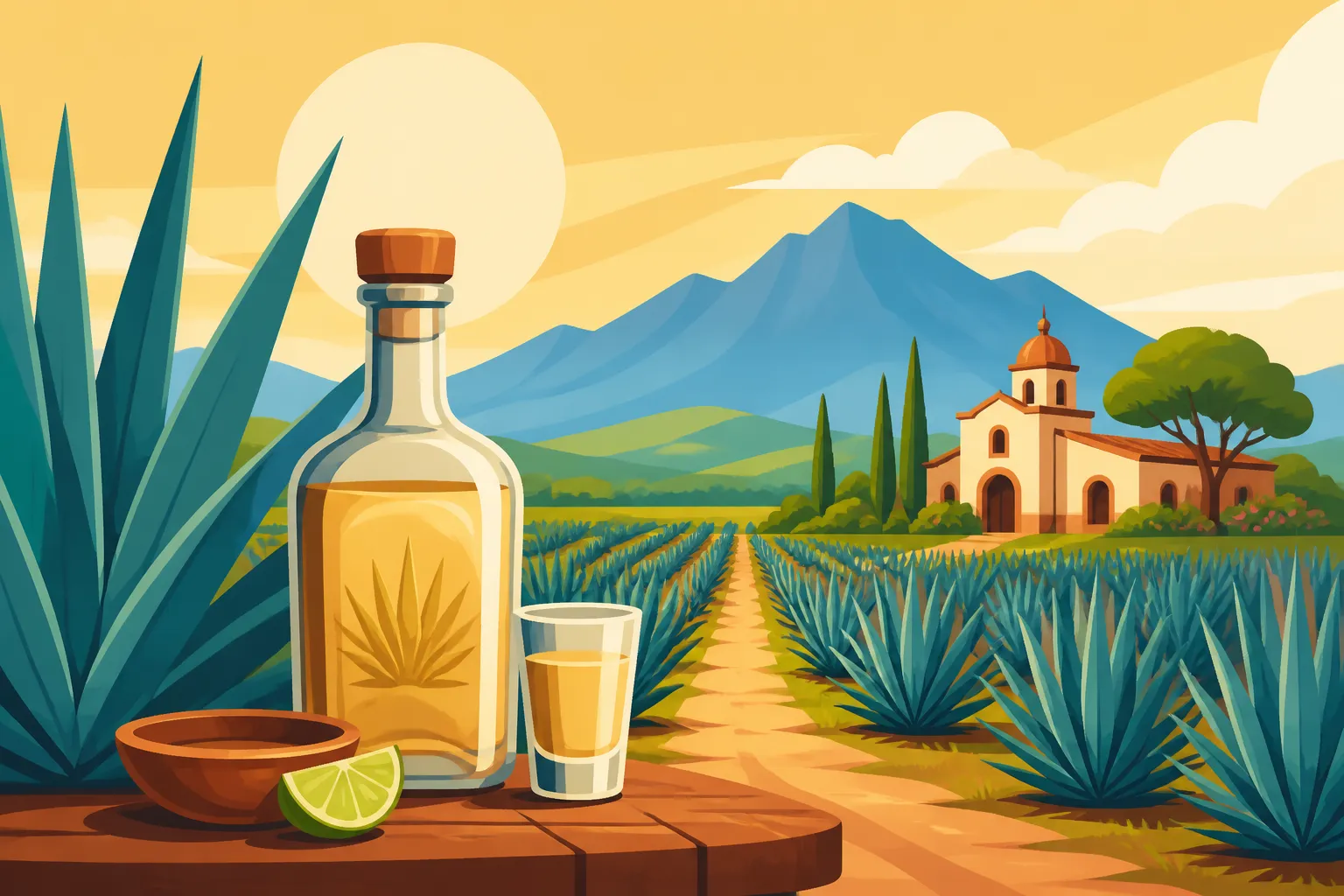
Imagine rolling hills, not green with grass, but shimmering blue and green with countless agave plants, their sharp, sword-like leaves reaching for the sun. This isn't just a pretty picture; it's the Agave Landscape of Tequila, a UNESCO World Heritage site, recognized for its exceptional cultural and historical value. Walking among these fields, you can almost hear the echoes of ancient traditions, where the native people first discovered the magical properties of the agave plant. For generations, the jimadores, with their coas (a specialized tool), have cultivated and harvested the agave, a practice that has remained largely unchanged for hundreds of years. This region is a living museum, where the cultivation, fermentation, and distillation of tequila are not just industries, but deeply ingrained ways of life, passed down from one generation to the next. You're not just seeing a farm; you're witnessing the genesis of a global icon.
More Than Just Drinking: Culture and Craft
While a delicious sip of tequila is undoubtedly part of the experience, a visit to the Tequila region offers so much more than just tastings. It’s an immersive dive into Mexican culture and the meticulous craft behind one of its most famous exports. You'll learn about the different types of tequila—blanco, reposado, añejo, extra añejo—and the specific aging processes that give each its unique character. Beyond the technicalities, you'll encounter the passion of the people who dedicate their lives to this spirit. From the master distillers to the families running small, artisanal operations, their pride in their heritage is palpable. This journey often includes insights into the region's culinary traditions, the local arts and crafts, and the warm, welcoming spirit of the Jalisco people. You might even stumble upon a local festival or a mariachi band playing in the town square, adding another layer of authenticity to your cultural immersion. It’s a full sensory experience that truly exemplifies the heart of Mexico. To truly appreciate the local customs, consider brushing up on your understanding of Mexican Customs, Etiquette, and Social Life.
Getting There: Transportation Options to Tequila
Once you've decided to make the pilgrimage to the land of agave, the next logical question is: how do you get there? While Tequila is relatively close to Guadalajara, about an hour to an hour and a half's drive, your transportation choice can significantly impact your experience. Each option offers a different blend of convenience, cost, and immersion, so it's worth considering what kind of journey you envision.
The Tequila Express Train: A Unique Journey
For many, the Tequila Express train epitomizes the romantic ideal of visiting the region. Operated by Jose Cuervo, the Tequila Express offers an all-inclusive experience that begins right in Guadalajara. You board a comfortable train, often adorned with traditional Mexican motifs, and are immediately whisked into a festive atmosphere. Live mariachi music typically fills the air, and complimentary tequila cocktails (or mocktails) and snacks are served throughout the journey. The route itself is scenic, passing through the blue agave fields, offering picturesque views that you wouldn't necessarily get from a highway.
Once in Tequila, the package usually includes a guided tour of the Jose Cuervo distillery, La Rojeña, which is the oldest active distillery in Latin America. You'll witness the entire production process, from the cooked agave to the bottling line, followed by a tasting session. The return journey continues the party, often with more music and drinks. It's a fantastic, hassle-free way to experience the region, especially if you prefer not to worry about driving or navigating. However, it's generally a full-day commitment with a set schedule and can be a pricier option. Keep in mind that there are often different "classes" of tickets offering varied levels of luxury and inclusions.
Organized Bus Tours: Convenience and Commentary
If the train doesn't fit your schedule or budget, or if you prefer a different distillery, an organized bus tour is an excellent alternative. These tours depart from various points in Guadalajara and typically include round-trip transportation, a guided tour of one or more distilleries, and often lunch or tastings. Many reputable tour operators offer these packages. Platforms like Viator are incredibly popular among expats and tourists for finding and booking these types of excursions. You can compare different tour providers, read reviews, and see what specific distilleries or activities are included.
The main advantage of bus tours is the sheer convenience. You don't have to worry about driving, parking, or coordinating with a designated driver, allowing everyone in your group to enjoy the tastings. Furthermore, most tours come with an English-speaking guide who provides invaluable historical context, cultural insights, and details about the tequila-making process. They handle all the logistics, so you can simply relax and soak it all in. When booking, make sure to check what's included in the price – some tours are all-inclusive, while others might have optional add-ons.
Driving Yourself: Freedom and Flexibility
For those who crave independence and flexibility, driving to Tequila is certainly an option. The drive from Guadalajara is straightforward, mostly on well-maintained highways. This allows you to set your own pace, choose which distilleries you want to visit, and explore the town of Tequila at your leisure. You can stop for photos in the agave fields whenever inspiration strikes, or linger longer at a particular restaurant or shop.
However, there are important considerations. Firstly, if you plan to partake in tequila tastings (which, let's be honest, is a huge part of the experience!), you absolutely must have a designated driver. Mexico has strict drunk driving laws. Secondly, while the main highways are good, some smaller roads leading to boutique distilleries might be less so. Parking in the town of Tequila can also be challenging, especially on weekends. Lastly, make sure you understand the nuances of Driving in Mexico: Toll Roads (Cuotas) vs Free Roads (Libres) and ensure you have proper Mexican car insurance if you're driving your own vehicle, or check your rental car's coverage. Renting a car gives you the ultimate freedom, but it requires careful planning regarding who will be driving and how many tastings you'll be enjoying!
Public Buses: Budget-Friendly Travel
For the truly budget-conscious or those who prefer a more local experience, taking a public bus from Guadalajara to Tequila is a viable option. Buses depart regularly from Guadalajara's Central Nueva (main bus terminal) and drop you off directly in the town of Tequila. Companies like Tequila Plus or Primera Plus offer comfortable, albeit no-frills, services. You can often check schedules and even book tickets online through platforms like Busbud, which aggregates routes from various bus companies.
The journey typically takes about 1.5 to 2 hours, depending on traffic and the number of stops. While public buses are significantly cheaper than organized tours or the Tequila Express, they offer less convenience. You'll be responsible for your own navigation to and from the bus terminals, and once in Tequila, you'll need to arrange local transportation (taxis, walking) to get to the distilleries. This option is best for those who are comfortable with independent travel, have a good grasp of basic Spanish (though many bus stations have some English-speaking staff), and want to maximize their savings.
Here's a quick comparison of the main transport options:
| Transportation Method | Pros | Cons | Best For |
|---|---|---|---|
| Jose Cuervo Express | All-inclusive, festive atmosphere, unique experience, guided tours, no driving worries | Fixed schedule, higher cost, usually only one distillery (Jose Cuervo), often sells out | Luxury, convenience, first-timers, those who want a party atmosphere |
| Organized Bus Tours | Convenient, guided commentary, multiple distillery options, no driving worries, good value (Viator) | Less flexible than driving, might visit fewer sites, group pace | Convenience, learning, multiple distillery options, moderate budget |
| Driving Yourself | Ultimate flexibility, control over itinerary, stop anywhere, explore off-the-beaten-path | Requires designated driver, potential parking issues, navigation, Mexican car insurance needed | Independent travelers, small groups, those wanting extended exploration |
| Public Bus (Busbud) | Most budget-friendly, authentic local experience, flexible departure times | Less comfortable, no guided commentary, requires self-navigation in Tequila, minimal English support | Budget travelers, adventurous spirits, those with some Spanish language skills |
Choosing Your Distillery Tour: Big Names vs. Boutique Experiences
Once you arrive in Tequila, the real adventure begins: choosing which distillery to visit. This is where your preferences really come into play. Do you want to see the massive operations behind globally recognized brands, or are you more interested in the smaller, artisanal producers keeping age-old traditions alive? Each offers a distinct flavor of the tequila experience.
Iconic Tequila Houses: Jose Cuervo, Sauza, Herradura
The big names in tequila are big for a reason. Jose Cuervo, Sauza, and Herradura represent the titans of the industry, and their distilleries are well-oiled machines, ready to welcome thousands of visitors each year.
Jose Cuervo's La Rojeña is practically a pilgrimage site. As the oldest active distillery, their tours are incredibly polished, offering a deep dive into their history, their expansive production facilities, and a comprehensive tasting. You'll see the traditional ovens where the agave piñas are cooked, the massive fermentation tanks, and the barrel rooms housing aging spirits. It's an impressive operation, showcasing the scale of modern tequila production while still respecting its roots.
Sauza, another pioneering brand, offers tours that highlight their commitment to innovation alongside tradition. Their facility often incorporates more modern techniques, and their tours are known for being informative and engaging, detailing how they maintain quality control across their vast production.
Herradura, located a bit further out in Amatitán (often included in some tours), boasts a beautiful hacienda setting. Their tours emphasize a more traditional, craft approach, even for a large producer. They are famous for their brick ovens and natural fermentation processes, giving visitors a sense of the artisanal care that still goes into their premium tequilas.
Visiting these iconic houses offers a grand introduction to the world of tequila. Their facilities are typically pristine, guides are professional (often bilingual), and the gift shops are brimming with exclusive bottlings and souvenirs. These are fantastic options for first-time visitors who want a comprehensive, well-structured tour experience.
Craft and Artisan Distilleries: A Different Perspective
While the big names are impressive, many expats and seasoned travelers find a unique charm in visiting smaller, craft, or artisan distilleries. These producers, often family-run, focus on smaller batches and sometimes employ more traditional, labor-intensive methods. Here, the experience is often more intimate, allowing for direct interaction with the distillers themselves. You might find distilleries that still use stone tahonas (large grinding wheels, often pulled by mules) to crush the cooked agave, or those that focus exclusively on organic or single-estate tequilas.
One such example is La Fortaleza, a highly respected distillery known for its commitment to traditional methods, including tahona crushing and brick oven cooking. Their tours are less about flash and more about the purity of the process and the history of their family. Another, although slightly less accessible, is El Pandillo, run by the legendary Felipe Camarena, known for producing tequilas of incredible character and quality. These smaller operations often provide a deeper appreciation for the nuances of tequila production and the passionate individuals behind it. The tastings here might be more focused on educating your palate about specific flavor profiles derived from particular methods or agave sources. While you might need to arrange transportation directly or find a specialized tour, the effort is often rewarded with an unforgettable, authentic experience.
What to Expect on a Tequila Tour: From Field to Bottle
Regardless of whether you choose a large or small distillery, most tequila tours follow a similar narrative, guiding you through the fascinating journey of the agave plant from field to bottle. You'll typically start in the agave fields, where you'll learn about the lifecycle of the agave, how it's cultivated, and witness a jimador (if you're lucky) demonstrating the intricate process of harvesting the piña, the heart of the agave plant.
Next, you'll move to the ovens, usually made of brick or stone, where the piñas are slowly cooked for days to convert their starches into fermentable sugars. This part of the tour is often accompanied by the sweet, earthy aroma of cooked agave. Then, it's on to the crushing stage – either by a modern roller mill or the traditional tahona. The resulting agave fibers and juice are then transferred to fermentation tanks, where yeast gets to work, turning sugars into alcohol. Finally, you'll see the distillation stills, where the fermented juice is twice distilled to become tequila. The tour concludes with a visit to the barrel room, where different tequilas are aged, and, of course, a comprehensive tasting session. Your guide will teach you how to properly taste tequila, appreciating its aromas and flavors, much like a fine wine. It's a truly educational and enjoyable experience that will change how you view this iconic spirit. For more about Mexico's famous drinks, check out our guide on Tequila, Mezcal, and Mexican Drinking Culture.
Beyond the Distillery: Exploring Tequila Town
While the distilleries are the main draw, the town of Tequila itself, a designated "Pueblo Mágico" (Magic Town), is a charming destination well worth exploring. It's more than just a place to drink; it's a vibrant snapshot of small-town Mexican life, steeped in history and local flavor.
Strolling Through the Pueblo Mágico
Once your distillery tour concludes, take some time to wander through Tequila's picturesque streets. The main plaza, Plaza Principal, is the heart of the town, dominated by the beautiful Parroquia Santiago Apóstol, a colonial-era church with twin bell towers. The plaza is often bustling with street vendors selling local snacks, artisans displaying their crafts, and musicians providing a lively soundtrack. You'll find plenty of benches to sit and people-watch, soaking in the relaxed atmosphere.
The streets radiating from the plaza are lined with colorful buildings, many housing souvenir shops, small cafes, and more tequila stores. Don't be afraid to duck into a few of these establishments; you might find unique gifts or a hidden gem. You'll also notice the distinct smell of cooked agave permeating the air, a constant reminder of the town's primary industry. It's a walkable town, making it easy to explore on foot, allowing you to discover charming little corners and photo opportunities around every bend. You might even stumble upon some of the fascinating Pueblos Mágicos: Mexico's Magic Towns Explained elsewhere in the country, but Tequila has a charm all its own.
Where to Eat and Drink in Tequila
After all that walking and tequila tasting, you're bound to be hungry and perhaps ready for a different kind of refreshment. Tequila town offers a variety of dining options, from casual street food to more formal sit-down restaurants. For an authentic experience, look for places serving traditional Jalisciense cuisine. Birria, a savory goat or beef stew, is a regional specialty and a must-try. You'll often find birrierías (restaurants specializing in birria) serving it with fresh tortillas and garnishes. Carne en su jugo, another local favorite, is a delicious beef broth dish.
Beyond the main plaza, there are numerous restaurants offering Mexican staples like tacos, enchiladas, and pozole. For drinks, besides more tequila, try an agua fresca or a refreshing michelada. Many bars and restaurants also offer their own signature cocktails, often incorporating local fruits and, of course, tequila. Whether you're grabbing a quick bite from a street cart or enjoying a leisurely meal in a charming restaurant, the culinary scene in Tequila perfectly complements the drinking experience.
Souvenirs and Local Crafts
No trip is complete without a little something to remember it by, and Tequila offers plenty of unique souvenir options. Beyond the obvious (and highly recommended!) bottles of tequila, you'll find a wide array of local crafts. Many shops sell hand-painted ceramic tequila glasses, shot glasses, and decanters. Look for intricate wooden carvings, often depicting agave plants or jimadores, and colorful textiles.
You might also find items made from agave fibers, such as paper or even small sculptures. Artisan markets are great places to browse and, if you're comfortable, practice your polite bargaining skills. Remember that buying directly from local artisans supports the community and ensures you're taking home something truly authentic. From a small trinket to a premium bottle of añejo, a souvenir from Tequila will serve as a lasting memory of your immersive cultural journey.
Planning Your Trip: Practical Tips for a Smooth Visit
To ensure your visit to the Tequila region is as enjoyable and stress-free as possible, a little foresight goes a long way. Thinking about the best time to go, where you might stay, and what to bring can make all the difference in your experience.
Best Time to Visit
The Tequila region, like much of Jalisco, experiences a distinct rainy season and dry season. The dry season, generally from November to May, offers pleasant temperatures and minimal rainfall, making it an ideal time for outdoor activities like walking through agave fields. However, this is also peak tourist season, so expect larger crowds and potentially higher prices for tours and accommodations.
The rainy season, from June to October, brings lush greenery to the agave fields, making for stunning photographic opportunities. Rain showers are typically short but intense, often in the late afternoon. If you don't mind a bit of rain and enjoy vibrant green landscapes, this can be a good time to visit, often with fewer tourists. Major holidays like Semana Santa (Easter week) or Mexican Independence Day (September 16) will see a huge influx of domestic tourists, leading to crowded conditions and fully booked tours. Planning your trip outside of these peak periods can offer a more relaxed experience.
Accommodation Options
While many people visit Tequila on a day trip from Guadalajara, staying overnight in the town itself offers a richer, more relaxed experience. You can enjoy the evening ambiance, sample more local cuisine, and avoid rushing back to the city. Tequila offers a range of accommodation options to suit different budgets and preferences.
You'll find charming boutique hotels, often housed in beautifully restored colonial buildings, providing a touch of luxury and local character. There are also more budget-friendly guesthouses and smaller hotels. For those looking for a truly unique experience, some distilleries even offer on-site lodging, immersing you completely in the tequila lifestyle. Websites like Booking.com are excellent resources for finding and comparing hotels, reading reviews, and securing reservations in advance, especially if you're traveling during peak season. If you plan to extend your stay and explore other nearby areas, researching Accommodation in Mexico: Hotels, Hostels, and Rentals can provide further insights.
Essential Packing and Safety Advice
When packing for your trip to Tequila, comfort is key. You'll likely be doing a fair amount of walking, both in the distilleries and around the town, so comfortable shoes are a must. Lightweight clothing is advisable, especially during warmer months. Don't forget sun protection – a hat, sunglasses, and sunscreen – as the Jalisco sun can be intense, particularly when out in the agave fields. A reusable water bottle is also a good idea to stay hydrated.
While Tequila is generally a safe town, it's always wise to exercise standard travel precautions. Keep an eye on your belongings, avoid flashing large sums of cash, and be mindful of your surroundings, especially if out late at night. If you're consuming alcohol, do so responsibly and never drink and drive. If you're taking a tour, stick with your group. For general travel preparedness, you might find our guide on Staying Safe in Mexico: Practical Tips for Travelers helpful, which covers broader safety considerations for visitors to the country.
Disclaimer
Please note that the information provided in this guide is intended for general informational purposes only and may change over time. While we strive to offer accurate and up-to-date advice, it's always recommended to verify details such as tour schedules, prices, and entry requirements with official sources before making your travel plans. Travel regulations, local conditions, and business operations can vary.