Parking and Secure Storage at Mexican Hotels: What to Check
Let's be real, the moment you decide to explore the vibrant chaos and undeniable beauty of Mexico, a little voice in the back of your head starts to whisper, "But what about my car? And my stuff?" The worry about parking and secure storage at Mexican hotels is a completely valid one, born from stories, media, and perhaps a healthy dose of expat paranoia. This guide is here to cut through the noise, validate those anxieties, and arm you with the practical knowledge to ensure your vehicle and valuables are safe, letting you focus on the actual adventure.
Disclosure: This post may contain affiliate links. We may earn a commission at no extra cost to you if you make a purchase through these links. Read full disclosure.
The Real Parking Predicament: Why Expats Worry in Mexico
When you’re a tourist or a new expat, Mexico presents a delightful paradox: incredibly welcoming on one hand, and a bit of a head-scratcher when it comes to infrastructure and unspoken rules on the other. Parking, especially, can feel like navigating a minefield, and for good reason. It’s not just about finding a spot; it’s about finding a safe spot.
Validating Your Parking Anxieties
I've been there, pulling into a new city after a long drive, exhausted, and the first thing I see is a street lined with cars, some looking a little worse for wear, and no obvious parking signs. My heart sinks a little because I know that street parking, while sometimes unavoidable, often comes with risks. We've all heard the stories, or perhaps experienced minor incidents ourselves – a dinged bumper, a missing hubcap, or worse, a window smashed and belongings gone. It’s a harsh reality that opportunistic theft from vehicles is a concern in many places, and Mexico is no exception. These aren't just urban legends; they are real concerns that can instantly sour a fantastic trip. You invest in your vehicle, whether it's your own car, or you're following tips from this guide on Renting a Car in Mexico: Insurance and Driving Tips, and the last thing you want is for it to become a casualty of your travels.
The Nuances of Driving and Parking Culture
Driving in Mexico can be an adventure in itself, a mix of assertive maneuvering and unexpected obstacles. This extends to parking. In many areas, especially smaller towns or older city centers, dedicated parking infrastructure might be limited. You'll often see cars parked on sidewalks, double-parked, or in seemingly random spots that only make sense to locals. This cultural norm of "find a spot wherever you can" doesn't always translate to "find a secure spot." Then there's the franelero or viene viene – the unofficial parking attendants who "help" you find a spot (sometimes one you could have found yourself) in exchange for a tip. While often harmless and even helpful, it can add to the feeling of ambiguity and a lack of official, secure options. Understanding this context is crucial before you even start looking at hotels.
Decoding Hotel Parking Options Across Mexico
When you're trying to figure out where to stash your wheels, hotels in Mexico offer a spectrum of parking solutions. It's rarely a one-size-fits-all scenario, and knowing the lingo and what to expect can save you a lot of grief.
Understanding Different Parking Types
From sprawling resorts to quaint boutique hotels, each establishment approaches parking differently.
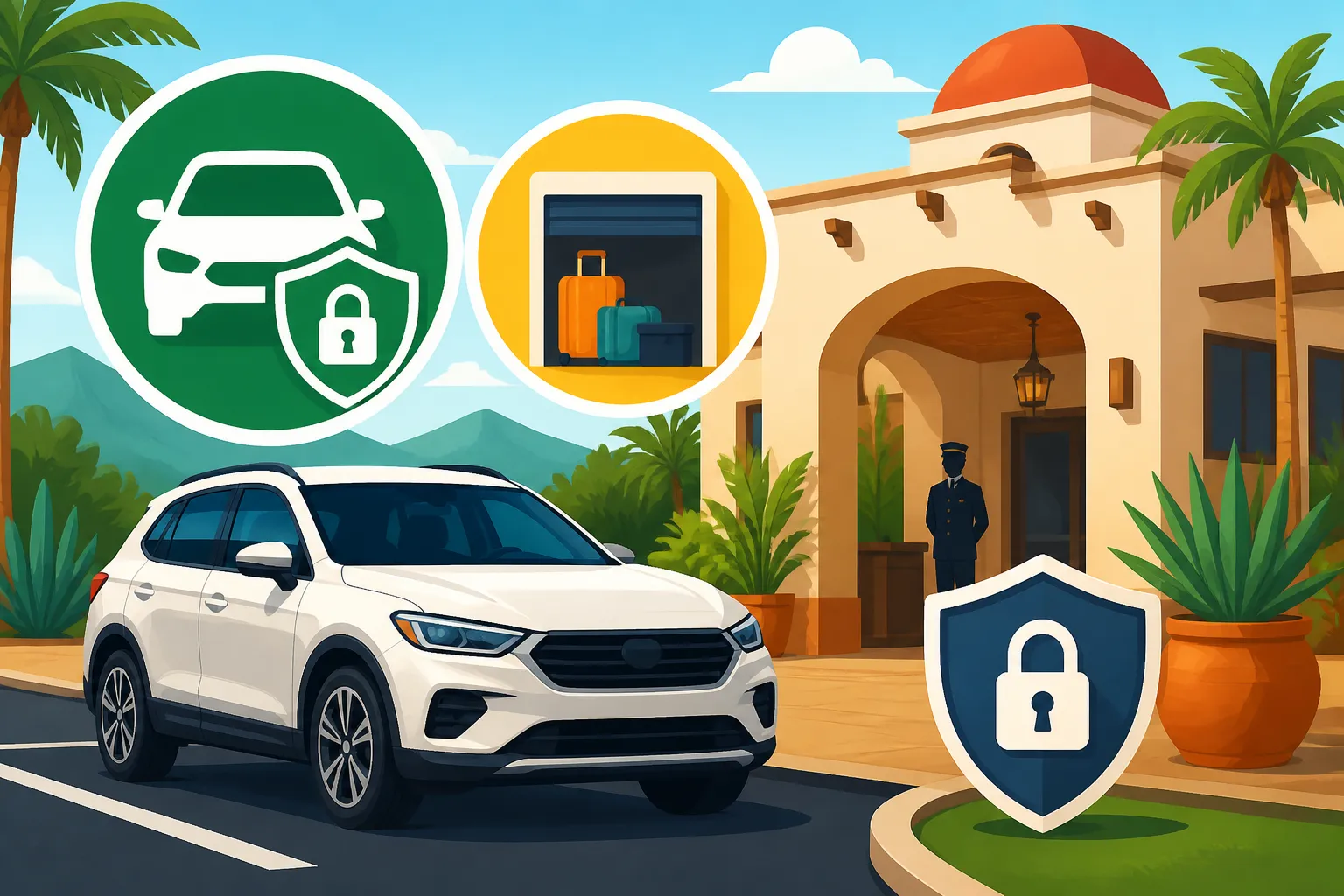
- Valet Parking (Valet Parking): This is common in many mid-range to high-end hotels, especially in larger cities like Mexico City or Guadalajara. You pull up, hand over your keys, and a uniformed attendant parks your car. The car might be parked in a secure underground garage, or sometimes in an off-site lot that the hotel contracts. The peace of mind here is usually high, as the hotel is responsible for the vehicle. However, it's always wise to remove any obvious valuables and ensure you know the tipping etiquette. It's a convenience, but you're trusting an external service, so look for hotels with well-established valet services and good reviews.
- On-Site Garages or Lots (Estacionamiento Privado/Subterráneo): These are perhaps the most ideal. The hotel has its own dedicated parking facility, which can be an open-air lot, a covered structure, or an underground garage. These are often gated, sometimes with an attendant, and occasionally require a key card for entry/exit. This option gives you direct access to your vehicle and a higher level of security, particularly if it’s enclosed or underground. When browsing hotels, especially on platforms like Booking.com, always check for specific mentions of "estacionamiento privado" or "garaje propio." This signals a commitment to providing secure parking right there on the property.
- Off-Site Contracted Parking (Estacionamiento Cercano/Convenio): Sometimes, a hotel, particularly in a historic city center, won't have its own parking. Instead, they’ll have an agreement with a nearby public or private parking garage (estacionamiento público/pensionado). You might get a discount, or the cost could be included in your stay. This is usually secure, as these commercial parking lots are almost always manned and often have surveillance. The only downside is the potential walk, especially if you have a lot of luggage. Always clarify the distance and the security measures of the off-site lot.
- Street Parking (Estacionamiento en la Calle): This is the least secure option and generally best avoided if possible. While some quiet residential streets in smaller towns might feel safe, leaving your car on the street, particularly overnight or in bustling urban areas, significantly increases the risk of theft or damage. Even in seemingly safe areas, it's a gamble. If a hotel only offers street parking, consider if the savings are worth the potential stress. This is where it's important to remember general Staying Safe in Mexico: Practical Tips for Travelers.
Comparing Parking Scenarios: A Quick Look
Here’s a simple table to help you visualize the different parking scenarios you might encounter:
| Parking Type | Security Level | Convenience | Common Locations | Key Considerations |
|---|---|---|---|---|
| Valet Parking | High | Very High | Mid-to-High End Hotels, City Centers | Trusting attendant, potential tipping, off-site storage |
| On-Site Garage/Lot | High | High | Modern Hotels, Resorts, some Boutique Hotels | Direct access, often gated/monitored |
| Off-Site Contracted Parking | Medium to High | Medium | Historic Centers, Hotels without own space | Potential walk, check partner lot's reputation |
| Street Parking | Low | Variable | Smaller Towns, Budget Hotels, Residential Areas | Highest risk, always empty car of valuables |
Cost Implications and Local Etiquette
Parking fees can vary wildly. Some hotels include parking in the room rate, especially those with their own lots. Valet services might have a daily fee plus tips. Off-site lots will almost certainly have a daily or hourly charge. Always clarify this when booking or checking in. When it comes to tipping valets or parking attendants, a small gratuity (e.g., 20-50 pesos) upon pickup is customary and appreciated. This is part of the larger Tipping in Mexico (Propina): When and How Much culture you'll encounter.
Beyond the Spot: Understanding Hotel Security for Your Valuables
It's not just about the car; it's about your precious laptop, passport, camera, and other irreplaceable items. A hotel's overall security posture is paramount, and it goes far beyond just a parking lot.
In-Room Security: Safes and Storage
Most reputable hotels in Mexico, from the budget-friendly chains to luxury resorts, will offer an in-room safe. This is your first line of defense for small, high-value items like passports, cash, jewelry, and small electronics.
- Types of Safes: You'll typically find electronic safes that you program with your own code, or older key-lock safes. Always test the safe when you arrive. Make sure it's bolted to the wall or floor. If it's a portable safe that can be easily picked up and carried out, it's virtually useless.
- Best Practices for Using Safes: Don't leave your valuables lying out in the open. Use the safe, every time. Many expats even carry a small, portable safe or lockbox that can be secured to a fixture in the room for extra peace of mind, especially in hostels or more basic accommodations.
- Alternative Storage: If there's no safe, or it feels insecure, consider using your locked luggage. While not foolproof, it's better than leaving items exposed. Many travelers also opt for packing cubes with small locks to add another layer of deterrent within their suitcase. This ties into smart choices when you’re considering What to Pack for a Beach Trip in Mexico, or any trip, really.
Hotel-Wide Security Measures
A good hotel will have multiple layers of security designed to protect both its guests and their property.
- Access Control: This includes key card access to rooms and sometimes even to floors via elevators, a manned reception desk 24/7, and controlled entry points to the hotel itself. In places like Mexico City, many hotels have security guards at the entrance, especially in busy areas.
- Surveillance: Look for CCTV cameras in common areas, hallways, and especially in parking facilities. While not a guarantee against theft, visible cameras act as a strong deterrent and can assist in investigations if something does go wrong.
- Staff Vigilance: A well-trained and attentive staff is your best ally. They should be observant, question unfamiliar faces, and be responsive to guest concerns. A friendly and professional staff often indicates a well-managed establishment, where security is taken seriously. Don't be afraid to ask about security protocols upon check-in.
Luggage Storage Services
If you arrive early or have a late departure, most hotels offer complimentary luggage storage. This can be a simple room behind the reception desk or a more secure, locked area. Always ensure that your bags are tagged, and you receive a claim ticket. While these services are generally safe, it's always prudent to keep extremely valuable items (like your passport, wallet, or expensive electronics) with you in a smaller day bag.
Your Essential Toolkit: How to Find and Book Secure Hotels
Navigating the multitude of hotel options in Mexico can be overwhelming, but platforms like Booking.com are invaluable for finding places that meet your security needs. Making an informed decision before you arrive is key to a stress-free trip.
Utilizing Online Booking Platforms Effectively
Booking.com is an absolute godsend for travelers in Mexico, not just for finding a place to sleep, but for really digging into the details that matter – like parking and security. Their filtering system is quite robust, allowing you to narrow down options quickly.
- Search Filters: When you're searching on Booking.com, always use the "parking" filter. This will show you hotels that explicitly state they have parking available. But don't stop there. Go beyond the initial filter. Once you have your results, click into individual hotel listings.
- Reading the Fine Print: In the "Facilities" section, look for specific details: Is it private parking? Free or paid? On-site or off-site? Do they mention valet services? The more specific the information, the better. If it just says "parking available," it could mean anything from valet to street parking.
- The Power of Reviews: This is where Booking.com truly shines. Read, read, read the reviews! Pay special attention to comments about parking and security. Search for keywords like "parking," "secure," "safe," "valet," or "car." Other guests' experiences are the most honest insights you'll get. If multiple people mention issues with parking security or in-room theft, consider that a major red flag. Conversely, glowing reviews praising a secure lot or vigilant staff are a huge green light. I've often seen reviews like, "The underground parking felt very safe, and the attendant was always there," which instantly puts my mind at ease. When you're dealing with Accommodation in Mexico: Hotels, Hostels, and Rentals, reviews are your best friend.
Direct Communication with Hotels
Don't be shy! If the information on Booking.com or the hotel's website isn't clear enough, pick up the phone or send an email.
- Specific Questions to Ask:
- "¿Tienen estacionamiento privado en el hotel?" (Do you have private parking at the hotel?)
- "¿Es seguro el estacionamiento? ¿Hay vigilancia 24 horas?" (Is the parking lot secure? Is there 24-hour surveillance?)
- "¿Hay cámaras de seguridad en el estacionamiento?" (Are there security cameras in the parking lot?)
- "¿Hay caja fuerte en la habitación?" (Is there a safe in the room?)
- "¿Está incluido el costo del estacionamiento en la tarifa de la habitación?" (Is the cost of parking included in the room rate?)
- "Si no tienen estacionamiento propio, ¿tienen convenio con un estacionamiento cercano? ¿Cuál es la distancia y cómo de seguro es?" (If you don't have your own parking, do you have an agreement with a nearby parking lot? How far is it and how secure is it?)
- Language Barrier: Even if your Spanish isn't perfect, most hotel staff in tourist areas will have some English speakers. Use a translation app if needed, or stick to simple, direct questions. Getting these details clarified before you book through Booking.com can save you immense stress later.
Considering Location and Neighborhood Safety
The safety of the hotel's location is intrinsically linked to the security of your vehicle and belongings. Some areas are simply more prone to petty crime.
- Research the Neighborhood: Before you finalize your Booking.com reservation, do a quick search on the neighborhood itself. Is it known to be safe, or does it have a reputation for being sketchy after dark? Look for hotel reviews that mention the surrounding area.
- Vibrancy vs. Seclusion: A bustling, well-lit street with restaurants and shops nearby can often feel safer than a dark, secluded street, even if the latter is technically "quieter." More eyes on the street can be a deterrent. However, sometimes quiet, residential streets in certain neighborhoods, especially in a charming Pueblos Mágicos: Mexico's Magic Towns Explained, can be perfectly safe with residents looking out for each other. It’s all about context and research.
Arrival and Beyond: Making the Most of Hotel Security
You’ve done your homework, booked through Booking.com with confidence, and arrived at your hotel. Now what? Your vigilance shouldn’t end at the reservation stage; it extends throughout your stay.
First Impressions and Check-In Procedures
The moment you pull up to the hotel, observe. What's the scene like? Does the parking area feel secure? Are there visible security personnel?
- Parking Protocol: If it's valet, ensure you get a claim ticket and verify the process. If it's a self-park garage, ask for specific instructions on access and security. Does the gate require a remote? Is there an attendant? Clarify everything immediately. Don't leave valuables visible in your car, even in a secure lot. Take them into your room.
- Room Safe Demonstration: Upon checking in, if you're unsure how to operate the in-room safe, ask the reception staff or a bellhop to show you. Double-check that it's functioning correctly and securely mounted. There's nothing worse than fumbling with a safe in a rush, or worse, finding out it's broken when you need it most.
- General Awareness: Be aware of your surroundings. Who is coming and going? Does the lobby feel open and welcoming, or does it feel like anyone can wander in unnoticed? Your gut feeling often tells you a lot.
During Your Stay: Maintaining Vigilance
Even in the most secure hotels, common sense and a few precautions go a long way.
- Always Lock Up: Whether it's your car or your room, always lock it. Don't be complacent. Use the deadbolt on your room door, even when you're inside. If your car is in an on-site lot, always lock the doors and roll up the windows. These might seem like basic tips, but they are often overlooked in the comfort of a hotel setting.
- Minimize Valuables: Only carry what you absolutely need for the day. Leave extra cash, expensive jewelry, and non-essential electronics in the room safe. If you're out exploring, perhaps taking Day Trips and Weekend Getaways Across Mexico, you don't need to carry your entire life savings with you.
- Report Suspicious Activity: If you see anything out of the ordinary—someone loitering around the parking area, a door left ajar, or an unfamiliar person trying to access restricted areas—report it to hotel staff immediately. You might just prevent a problem for yourself or another guest. When it comes to Mexico Travel Safety by Region: What to Know, being proactive and observant is crucial.
Dealing with Issues: Who to Contact
Despite all precautions, sometimes things go wrong. Knowing who to contact and what steps to take is crucial.
- Immediate Hotel Management: If you discover something missing from your room or vehicle, notify hotel management immediately. The sooner they know, the better their chances of helping. They will have procedures for reviewing security footage or contacting local authorities.
- Local Authorities: If a theft or damage occurs, the hotel will likely assist you in contacting the local police (called Policía Municipal or Policía Turística in some areas). Be prepared to file a report. This can be a bureaucratic process, especially with a language barrier, so any help from hotel staff is invaluable. For more serious incidents, you might need to contact Emergency Numbers in Mexico: How to Call Police, Fire, or Ambulance.
- Insurance Companies: If you have travel insurance or car insurance (which you absolutely should if you're driving in Mexico, as highlighted in Driving in Mexico: Toll Roads (Cuotas) vs Free Roads (Libres)), contact them as soon as possible to report the incident and initiate a claim. Keep all documentation, including police reports and hotel records.
Disclaimer
The information provided in this guide is for general informational purposes only and does not constitute legal, financial, or safety advice. While we strive to provide accurate and up-to-date information, circumstances in Mexico can change rapidly. Always exercise caution, conduct your own thorough research, and consult with local experts or authorities for specific concerns. Travel and security advisories from your home country should also be reviewed regularly.