Mexico Travel Safety by Region: What to Know
Most people see news headlines and think Mexico is a massive no-go zone, leading to a level of anxiety that often ruins potential trips or keeps people from making the move. This guide breaks down Mexico's safety by region, offering a realistic look at where you can truly relax and where you need to be vigilant, ensuring you travel with confidence rather than fear.
Disclosure: This post may contain affiliate links. We may earn a commission at no extra cost to you if you make a purchase through these links. Read full disclosure.
Understanding the Safety Landscape in Mexico
One of the first things you realize after living here for a few years is that Mexico is not a monolith. Talking about safety in Mexico is like talking about safety in the United States or Europe; you wouldn't compare the safety of a quiet suburb in Vermont to a rough neighborhood in St. Louis. Yet, international travel advisories often paint the entire country with a broad brush. To navigate this country safely, you have to understand that the vast majority of violence is localized and involves groups that most tourists and expats will never encounter.
The media perception of Mexico is heavily skewed toward sensationalism. When I first moved here, my family back home was convinced I was walking into a war zone. In reality, my daily life involved walking to the local market, sipping coffee in a plaza, and taking the bus. The key is understanding that "cartel violence" is largely an internal conflict. While it creates horrific headlines, it rarely targets foreigners. The issues foreigners actually face are much more mundane: petty theft, pickpocketing, or the occasional "mordida" (bribe) from a traffic cop.
Adopting a sense of "sentido común" (common sense) is your best defense. This means not wearing flashy jewelry in crowded markets, not leaving your phone on the table at a sidewalk café, and staying in well-trafficked areas at night. If you treat Mexico with the same situational awareness you would use in Paris, New York, or London, you are already ahead of the curve. Staying Safe in Mexico: What Expats Need to Know About Staying Safe starts with this fundamental mindset shift.
The Yucatán Peninsula: Mexico’s Safest Haven
The Yucatán Peninsula, comprising the states of Quintana Roo, Yucatán, and Campeche, is the most visited region in the country and for good reason. It is generally considered the safest area for foreigners. However, the safety profile of a place like Cancún is very different from that of a colonial city like Mérida. You need to distinguish between "tourist safety" and "general safety" when planning your stay.
In Quintana Roo, which includes Cancún, Playa del Carmen, and Tulum, the high volume of tourists means there is a massive police presence. However, this region has seen an uptick in "spillover" incidents related to local drug sales. As a traveler, the best way to stay safe here is to avoid the drug trade entirely. If you aren't looking for trouble, it rarely finds you. For those looking to explore the ruins or cenotes, booking vetted tours through platforms like Viator can ensure you are with professional drivers and guides, which adds a layer of security to your day trips.
The state of Yucatán, particularly its capital Mérida, is consistently ranked as the safest city in Mexico—and sometimes even in North America. The culture here is incredibly family-oriented and peaceful. You will see locals sitting in the plazas until late at night and children playing in the parks. When searching for places to stay in Mérida or Valladolid, using Booking.com allows you to read recent reviews from other travelers who often comment specifically on the safety of the neighborhood (or "colonia"). If you are looking for a place where you can truly let your guard down, this is it.
Central Mexico and the High Altitude Heartland
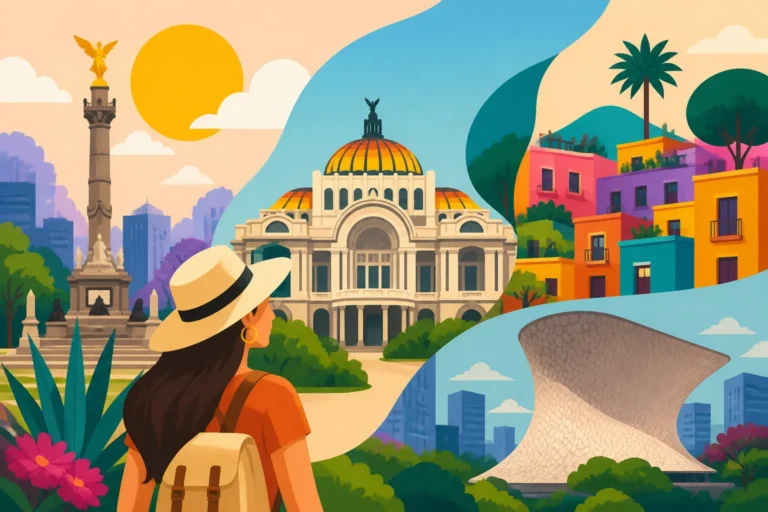
Central Mexico is the cultural and political engine of the country. This region includes the sprawling metropolis of Mexico City (CDMX) and the surrounding colonial highlands. The safety here is highly dependent on which "colonia" you find yourself in. Mexico City is a patchwork of safety zones; one block can be a world-class culinary hub, and the next can be a place where you’d prefer not to be after dark.
In CDMX, neighborhoods like Roma Norte, Condesa, Polanco, and Coyoacán are incredibly safe and feel much like European capitals. I spent years living in Roma Norte and never felt unsafe walking home from a restaurant at 10 PM. However, you must be aware of the "dos and don'ts" of transportation. For instance, Are Taxis Safe in Mexico? Using Cabs vs Ride-share Apps is a critical read for this region. We generally recommend using apps like Uber or DiDi rather than hailing a "libre" taxi on the street, as the digital trail provides much-needed security.
Outside the capital, the "Colonial Circle" including cities like Querétaro, San Miguel de Allende, and Puebla, remains very safe for expats and retirees. These cities have invested heavily in infrastructure and security because they rely on tourism and foreign investment. When moving between these cities, the safest way is via the luxury bus system. You can check schedules and book tickets in advance through Busbud, which features the top-tier lines like ETN or Primera Plus. These buses use Long-Distance Buses in Mexico: ADO and Premium Lines that travel almost exclusively on toll roads, which are significantly safer than the free roads.
The Pacific Coast: Beach Safety and Beyond
The Pacific Coast is vast, stretching from the rugged cliffs of Mazatlán down to the tropical shores of Oaxaca. This region offers a more "authentic" and sometimes grittier feel than the Caribbean side. Safety here is generally excellent in established expat hubs, but it requires a bit more local knowledge when venturing off the beaten path.
Puerto Vallarta and the Riviera Nayarit (including towns like Sayulita and San Pancho) are exceptionally safe for foreigners. The local government understands that tourism is the lifeblood of the economy, so the "Malecón" (boardwalk) is heavily patrolled. In these areas, the biggest safety concerns are often related to nature—rip currents at the beach or the occasional scorpion in the jungle. For those traveling between these coastal towns, it is vital to understand the road conditions. Driving in Mexico: Toll Roads (Cuotas) vs Free Roads (Libres) explains why paying the extra pesos for the "cuota" is worth it for both your safety and your vehicle's suspension.
Oaxaca is another favorite for cultural explorers, but it does have a unique safety dynamic: social protests. "Bloqueos" (roadblocks) are common in the state of Oaxaca as a form of political protest. While they are rarely violent toward tourists, they can seriously disrupt your travel plans. If you find yourself at a roadblock, the best advice is to remain patient and never try to force your way through. Usually, the protesters will eventually let cars pass, or there will be a clearly marked detour.
Northern Mexico and the Borderlands
Northern Mexico is the region most frequently highlighted in travel warnings, and to be honest, it requires the most caution. However, even here, there are "safe bubbles" that expats love. The state of Baja California Sur (home to Cabo San Lucas and La Paz) is geographically isolated from the rest of the north and remains one of the safest and most beautiful places in the country.
In the northern border states like Sonora, Chihuahua, and Tamaulipas, safety is much more precarious. If you are driving your own car across the border, it is essential to do so only during daylight hours and to stick to the main highways. Is It Safe to Drive at Night in Mexico? Road Safety Tips for Expats is a rule we veteran expats live by: never, ever drive between cities after the sun goes down. Visibility is poor, livestock often wanders onto the road, and this is when "bad actors" are most active.
Monterrey, the industrial powerhouse of the north, is a modern and generally safe city for professionals, but it has neighborhoods that should be avoided. If you are visiting for business, stay in San Pedro Garza García, which is often cited as one of the wealthiest and safest municipalities in Latin America. When moving around the north, the quality of your accommodation matters. Booking through Booking.com can help you find hotels with secure parking and 24-hour security, which is a must in border-adjacent cities.
Practical Safety Tips for Every Region
Regardless of which region you choose, there are universal truths to staying safe in Mexico that apply to both the casual tourist and the long-term resident. These aren't meant to scare you, but rather to empower you with the same knowledge the locals have.
One major concern for many is interaction with law enforcement. Most police officers are hardworking people, but "mordidas" (small bribes) are still a reality in some areas. If you are pulled over, it is important to stay calm and polite. What to Do If You’re Pulled Over by Police in Mexico provides a step-by-step guide on how to handle these situations without escalating them. Often, simply asking to go to the "estación" to pay the official fine will cause a crooked cop to lose interest.
Another often overlooked aspect of safety is financial security. Skimming at ATMs is a common issue in high-traffic tourist zones. We always recommend using ATMs that are located inside a bank branch during business hours, rather than standalone machines on the street. This is just one of many tips covered in Using ATMs in Mexico: Avoiding Fees and Staying Secure. Additionally, keep a digital copy of your passport and FMM (tourist card) on a cloud service, as losing these can be a bureaucratic nightmare.
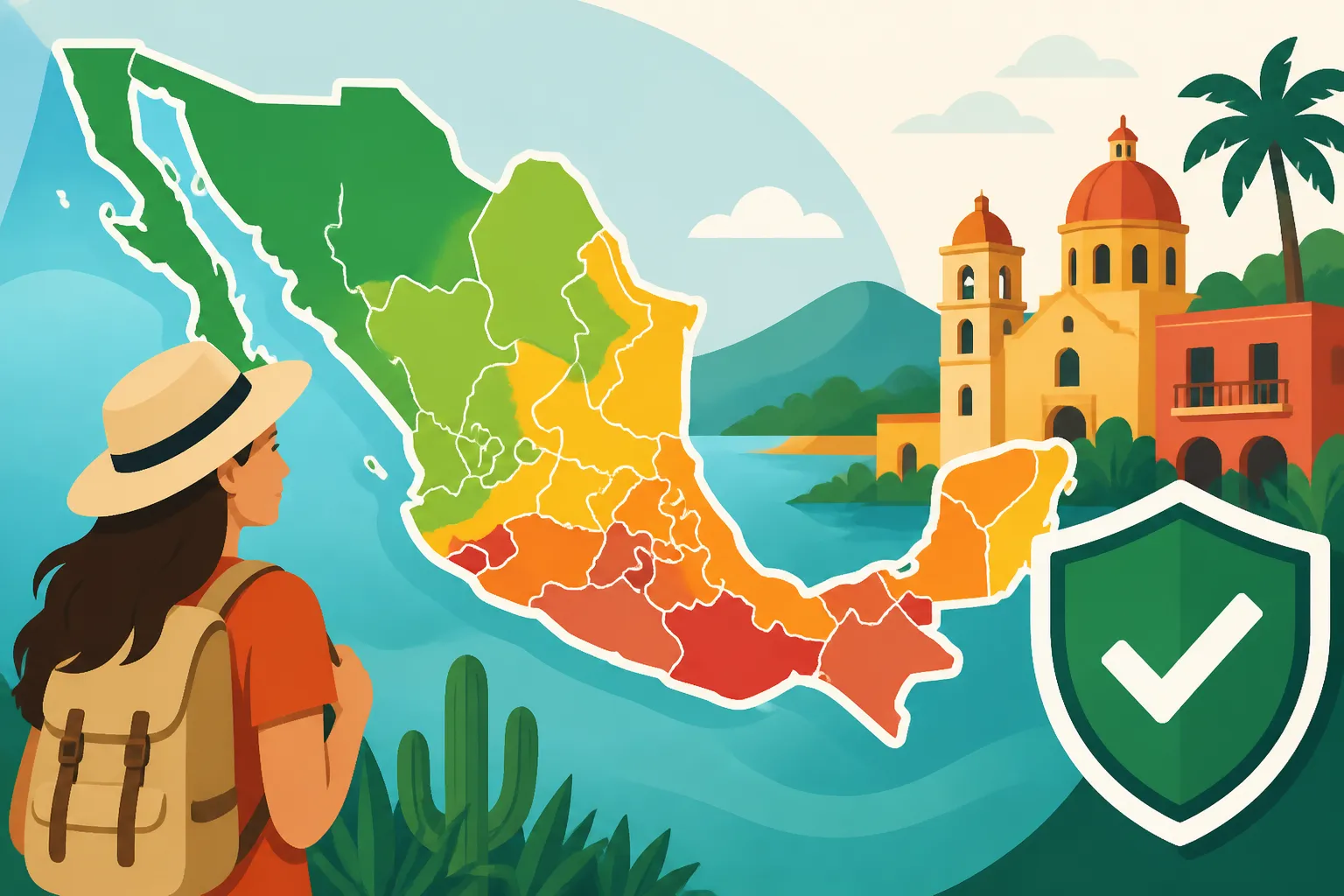
| Region | Primary Safety Profile | Key Concern | Recommended Transport |
|---|---|---|---|
| Yucatán Peninsula | High Safety | Petty theft / Crowds | ADO Buses / Rental Car |
| Central Highlands | Moderate (City dependent) | Pickpocketing / Express Kidnappings | Uber / Luxury Bus |
| Pacific Coast | High Safety in hubs | Natural hazards / Rip currents | Private Transfers / Cuotas |
| Northern Mexico | Low to Moderate | Cartel activity / Road safety | Flights / Daytime driving |
| Oaxaca/Chiapas | Moderate | Political protests / Roadblocks | Guided Tours / First-class Bus |
Staying Healthy and Aware
Safety isn't just about crime; it’s also about your physical well-being. Many people’s trips are ruined not by a pickpocket, but by "Montezuma’s Revenge." Being mindful of what you eat and drink is a form of safety in itself. Staying Healthy in Mexico: Essential Tips for Food, Water, and Preventive Care is an essential resource for anyone new to the country. Remember, even in the "safest" cities, the tap water is a no-go for drinking.
Finally, keep an eye on your surroundings when using your phone or pulling out cash. Avoiding Common Scams in Mexico often involves a "distraction" technique where someone spills something on you or asks for help with a map while an accomplice reaches into your bag. If you stay alert and follow the local lead, you’ll find that Mexico is a warm, welcoming country that offers far more beauty than danger.
If you are planning a long-term stay, your budget will also dictate your safety to some extent, as better neighborhoods often come with a higher price tag. For a realistic look at what it costs to live in a secure area, check out the Cost of Living in Mexico City (2026): Detailed Expat Budget Guide. Living in a safe "fraccionamiento" (gated community) or a well-regarded colonia can make all the difference in your peace of mind.
Disclaimer
The information provided in this guide is for informational purposes only and is based on personal experiences and general safety trends as of 2026. Travel safety conditions can change rapidly. We strongly recommend checking your home country's official travel advisories and local Mexican news sources before and during your trip. No region is 100% free of risk, and travelers should always exercise personal responsibility and situational awareness.