Monarch Butterfly Sanctuaries in Mexico
Many travelers and residents arrive in Central Mexico during the winter months with a romanticized vision of the monarch migration, only to find themselves overwhelmed by the logistical nightmare of reaching these remote, high-altitude forests. Between navigating confusing bus schedules and managing the physical toll of 10,000-foot elevations, the experience can be draining. This guide breaks down every practical detail to ensure your visit is as magical as the photos suggest.
Disclosure: This post may contain affiliate links. We may earn a commission at no extra cost to you if you make a purchase through these links. Read full disclosure.
Understanding the Migration: Why the Mountains of Central Mexico?
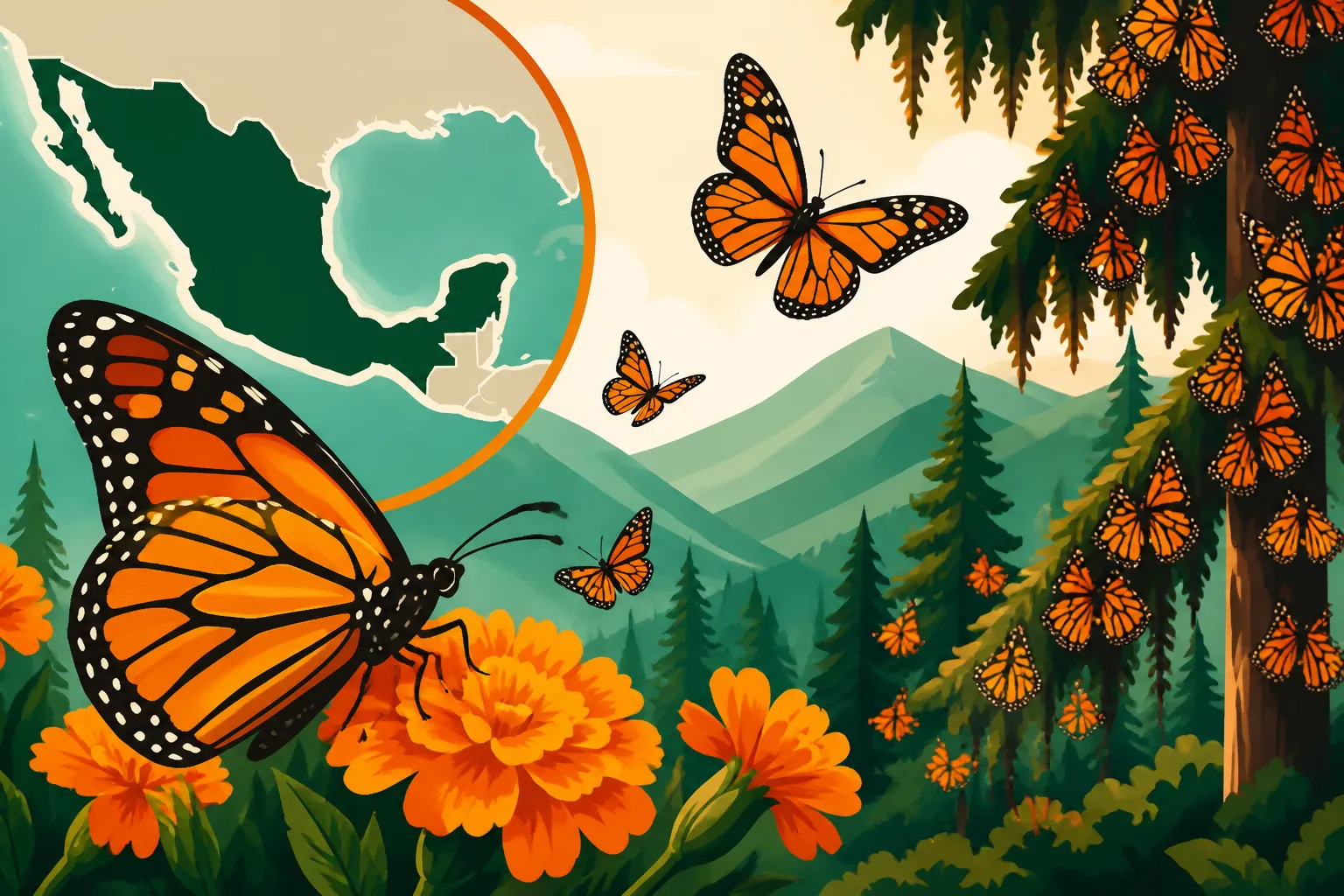
The migration of the Monarch butterfly is one of the most incredible natural phenomena on the planet, and for those of us living in Mexico, it is a seasonal rite of passage. Every year, millions of these delicate creatures travel over 3,000 miles from Canada and the United States to settle in the Oyamel fir forests of Michoacán and the Estado de México. As an expat who has made this trek several times, I can tell you that nothing prepares you for the sheer scale of it—the sight of entire trees bending under the weight of orange and black wings.
The Biosphere Reserve Geography
The Monarch Butterfly Biosphere Reserve is a UNESCO World Heritage site that spans over 56,000 hectares. However, only a few specific areas, known as sanctuaries, are open to the public. These sanctuaries are located in a very specific microclimate. The butterflies require the Oyamel firs because these trees provide the perfect "thermal blanket." If it gets too cold, they freeze; if it gets too warm, they use up their fat reserves too quickly and die before they can fly back north.
When you are planning your visit, it is vital to understand that you are not just "going to the woods." You are entering a highly protected, delicate ecosystem. Because these forests are located at such high elevations, you should check out our guide on Living at High Altitude: Tips for Expats in Mexico City and Highland Areas to understand how your body might react to the thin air before you set out.
Timing Your Visit: The Lifecycle of the Migration
The butterflies typically arrive in late October or early November, coinciding with the Day of the Dead. Local legends even say the butterflies are the returning souls of ancestors. However, for the best viewing, you should wait. In November and December, the butterflies are often "clumping"—hanging in massive, motionless clusters to conserve heat.
The peak season is usually between late January and early March. This is when the sun starts to warm the forest floor. Once the temperature hits a certain threshold, the clusters explode, and the air becomes thick with millions of flying monarchs. If you visit too early, you might see them mostly as brown "clumps" that look like dead leaves. If you visit too late in March, they may have already begun their journey back north. For those coordinating a larger trip during this window, referencing Festivals, Holidays, and Traditions in Mexico can help you align your visit with other cultural highlights.
The Top Monarch Sanctuaries: Choosing Your Destination
Deciding which sanctuary to visit is the most important decision you will make. Each offers a different level of accessibility, physical challenge, and infrastructure. Most expats tend to stick to the "Big Three," but even within those, the experience varies wildly.
El Rosario: The Largest and Most Accessible
Located near the town of Ocampo in Michoacán, El Rosario is the most famous and most visited sanctuary. It generally hosts the largest concentration of butterflies. Because it is the "flagship" site, it has the best infrastructure, including a well-defined path and a massive concrete staircase that leads halfway up the mountain.
The "accessible" label is relative, though. You are still climbing thousands of stairs at a very high altitude. I’ve seen many people underestimate this and end up needing oxygen at the top. If you aren't keen on the hike, you can hire a horse to take you most of the way up for a few hundred pesos. This is a great way to support the local economy while saving your lungs. For those coming from the capital, El Rosario is often included in Best Day Trips From Mexico City, though it makes for a very long day.
Sierra Chincua: The More Rugged Alternative
Just a short drive from the "Magic Town" of Angangueo, Sierra Chincua offers a more rustic and natural experience. The hike here is generally considered slightly less vertical than El Rosario, but it is longer. You walk through beautiful, open meadows before entering the dense forest where the colonies reside.
Sierra Chincua is my personal favorite because it feels less like a tourist attraction and more like a pilgrimage. The guides here are often local farmers who have spent their lives protecting these woods. Their knowledge of the forest is profound. If you are a fan of more active excursions, this site pairs perfectly with the advice found in our guide on Hiking and Volcanoes in Mexico.
Piedra Herrada: The Valle de Bravo Option
If you are staying in the popular expat weekend getaway of Valle de Bravo, Piedra Herrada is your closest option. It is located in the State of Mexico rather than Michoacán. It is the most "rugged" in terms of the trail—it’s often muddy and steep, and horses are highly recommended here.
The benefit of Piedra Herrada is its proximity to luxury accommodations and other activities. However, the colonies here can be more mobile, meaning you might have to hike further depending on where the butterflies have moved that week. It is a fantastic choice if you want to combine a butterfly visit with a lakeside retreat. You can find more about this region in our Living in Mexico City: Neighborhoods for Expats guide, as many CDMX residents use Valle as their primary escape.
Logistics: Getting There and Where to Stay
Getting to the sanctuaries requires some planning. These are not places you can easily reach via a quick Uber. You are heading into the heart of the Central Highlands, and the roads can be winding and slow.
Transportation From Mexico City and Morelia
If you aren't driving yourself, you have two main options: organized tours or public buses. For those who want a stress-free experience, using a platform like Viator to book a guided day trip is common. These tours handle the driving, the entrance fees, and the guides, which can be a lifesaver if your Spanish is still a work in progress.
For the more adventurous (and budget-conscious), public transportation is remarkably efficient. You can use Busbud to check schedules from Mexico City’s Terminal Poniente (Observatorio) to towns like Zitácuaro or Angangueo. From those hubs, you can take local "collectivos" or taxis to the sanctuary entrances. If you are new to the Mexican bus system, I highly recommend reading Getting Around Mexico: Buses, Flights, and Car Hire to understand the different classes of service available.
Base Towns: Angangueo and Valle de Bravo
I always tell people that if you have the time, you should stay overnight. Rushing to the sanctuaries and back to Mexico City in one day is exhausting. Angangueo is a stunning former mining town nestled in a valley. It’s a "Pueblo Mágico" with steep cobblestone streets and colorful houses.
When searching for a place to stay, Booking.com is your best bet for finding charming guesthouses in Angangueo or luxury boutique hotels in Valle de Bravo. Staying overnight allows you to get to the sanctuary early in the morning—ideally arriving just as they open at 9:00 AM—to beat the crowds and see the butterflies as they first begin to stir. For a broader look at how to navigate these colonial gems, check out our guide on Colonial Towns and Pueblos Mágicos.
Physical Preparation and Altitude Management
The butterfly sanctuaries sit between 9,000 and 11,000 feet (2,700 to 3,400 meters). This is no joke. Even if you live in Mexico City, which is already high, you will feel the difference as you ascend the forest trails.
Hiking the High Altitudes
The walk to the colonies can take anywhere from 45 minutes to two hours of uphill trekking. The air is thin, and your heart rate will spike quickly. My biggest piece of advice: go slow. The local guides will often walk at a pace that seems impossibly fast; don't try to keep up with them. Stop frequently, drink plenty of water, and carry some high-energy snacks like nuts or chocolate.
If you have any history of respiratory issues, you should definitely consult our article on Altitude Sickness in Mexico: Tips for Adjusting to High Elevations. It’s also wise to check Medical Emergencies in Mexico: What Expats Should Know and Prepare just to be safe, as these remote areas have limited medical facilities.
Horseback Riding vs. Walking
At the entrance of every sanctuary, you will be swarmed by locals offering horse rentals. While some hikers feel it’s "cheating," there is a strong ethical argument for hiring a horse. These horses are a primary source of income for the local "ejidatarios" (communal landowners). By hiring one, you are directly contributing to the economic viability of the community, which in turn reduces the pressure to engage in illegal logging.
The horses won’t take you all the way to the butterflies—the final few hundred meters must be done on foot to keep the area quiet—but they will save your energy for that final, most important stretch. If you do choose to walk, make sure you are wearing sturdy hiking boots with good grip, as the trails are often covered in loose pine needles or dust.
| Sanctuary | Altitude (Approx.) | Difficulty Level | Best For |
|---|---|---|---|
| El Rosario | 10,000 ft | Moderate/Hard (Stairs) | Large colonies, best infrastructure |
| Sierra Chincua | 10,500 ft | Moderate | Natural scenery, "Magic Town" vibe |
| Piedra Herrada | 9,500 ft | Hard (Steep/Muddy) | Proximity to Valle de Bravo |
| Cerro Pelón | 11,000 ft | Very Hard | Serious hikers, few tourists |
Ethical Tourism and Local Conservation
When you visit the monarchs, you are a guest in a protected home. The survival of this migration depends heavily on the income generated by tourism, which provides an alternative to the avocado farming and logging that threaten the butterflies' habitat.
Supporting Local Communities
Everything inside the sanctuary is run by the local community. The guides, the horse handlers, and the people selling "blue corn tortillas" at the base are all part of the local ejido. It is customary to tip your guide and your horse handler. These people are the true guardians of the forest.
While you are there, try to eat at the local stalls. The food is often incredible—look for "sopa de hongo" (mushroom soup) or local trout. For more on what to expect from the local culinary scene, take a look at our Mexican Food Culture: Eating and Drinking as a Visitor guide. Supporting these small vendors ensures that the money stays within the community that protects the butterflies.
Rules of the Reserve: Do's and Don'ts
The rules at the sanctuaries are strict for a reason. When you reach the colonies, you must remain silent. The butterflies are sensitive to sound and vibration. If thousands of people are talking, the butterflies may take flight prematurely, wasting precious energy.
- Don't touch the butterflies: Even the dead ones on the ground. The oils from your skin can damage their wings.
- Stay on the paths: Trampling the undergrowth destroys the wildflowers the monarchs need for nectar.
- No flash photography: It disorients the insects.
- Keep your distance: The guides will tell you where the line is. Do not cross it for a "better selfie."
For more tips on how to be a respectful visitor in rural areas, our guide on Mexican Customs, Etiquette, and Social Life offers great insights into local expectations.
Costs and Budgeting for Your Trip
Visiting the sanctuaries is relatively affordable, but costs can add up if you aren't careful. Prices for 2026 have seen a slight increase due to conservation efforts and inflation.
Entrance Fees and Guide Costs
The entrance fee for most sanctuaries is currently around 100 to 150 pesos per person. This fee is mandatory and goes toward the maintenance of the trails and the salaries of the rangers. In addition to the entrance fee, you must take a guide. At many sites, the guide's fee is technically included in the entrance, but a tip of 100-200 pesos per group is expected and highly appreciated.
If you choose to hire a horse, expect to pay between 300 and 500 pesos for a round trip. Remember to carry plenty of cash in small denominations. There are no ATMs at the sanctuary entrances, and credit cards are virtually never accepted. If you’re trying to figure out your total travel budget, our Cost of Living in Mexico: 2026 Comprehensive Guide provides a good baseline for daily expenses.
Total Budget Expectations
A typical day trip from Mexico City, if done independently, will cost you roughly 1,500 to 2,000 pesos when you factor in the bus, taxis, food, and entrance fees. If you go with a tour booked through Viator, you might pay closer to 3,000 to 4,000 pesos, but you get the convenience of door-to-door transport.
For those staying overnight, a mid-range hotel found on Booking.com in Angangueo will run you about 1,200 to 1,800 pesos per night. Overall, it’s one of the most cost-effective world-class nature experiences you can have. For more on managing your money while traveling, check out Cash vs Card in Mexico: What Visitors Should Know.
Monarch Butterfly Sanctuaries Disclaimer
The information provided in this guide is for educational and informational purposes only. While every effort has been made to ensure accuracy, travel conditions, sanctuary opening dates, and entrance fees in Mexico can change without notice. Visitors are encouraged to check with official government sources or local tourism offices before their trip. Hiking in high-altitude areas involves physical risk; please consult a medical professional if you have underlying health conditions. This guide does not constitute legal or professional travel advice.