National Parks and Nature Reserves in Mexico
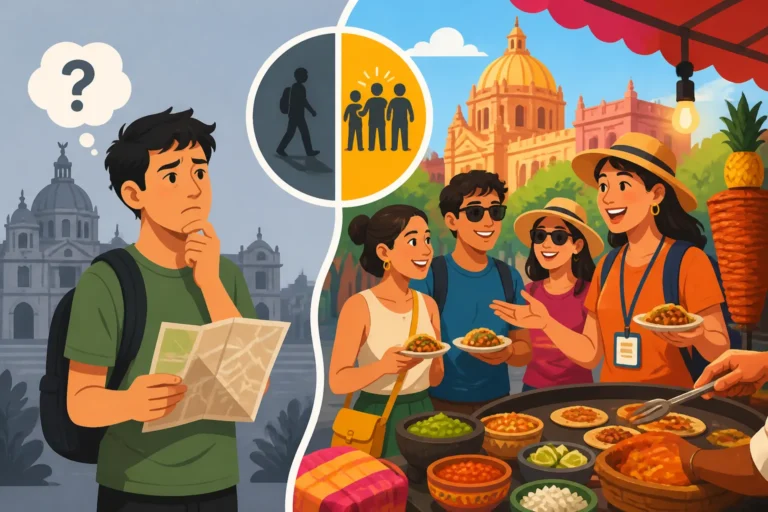
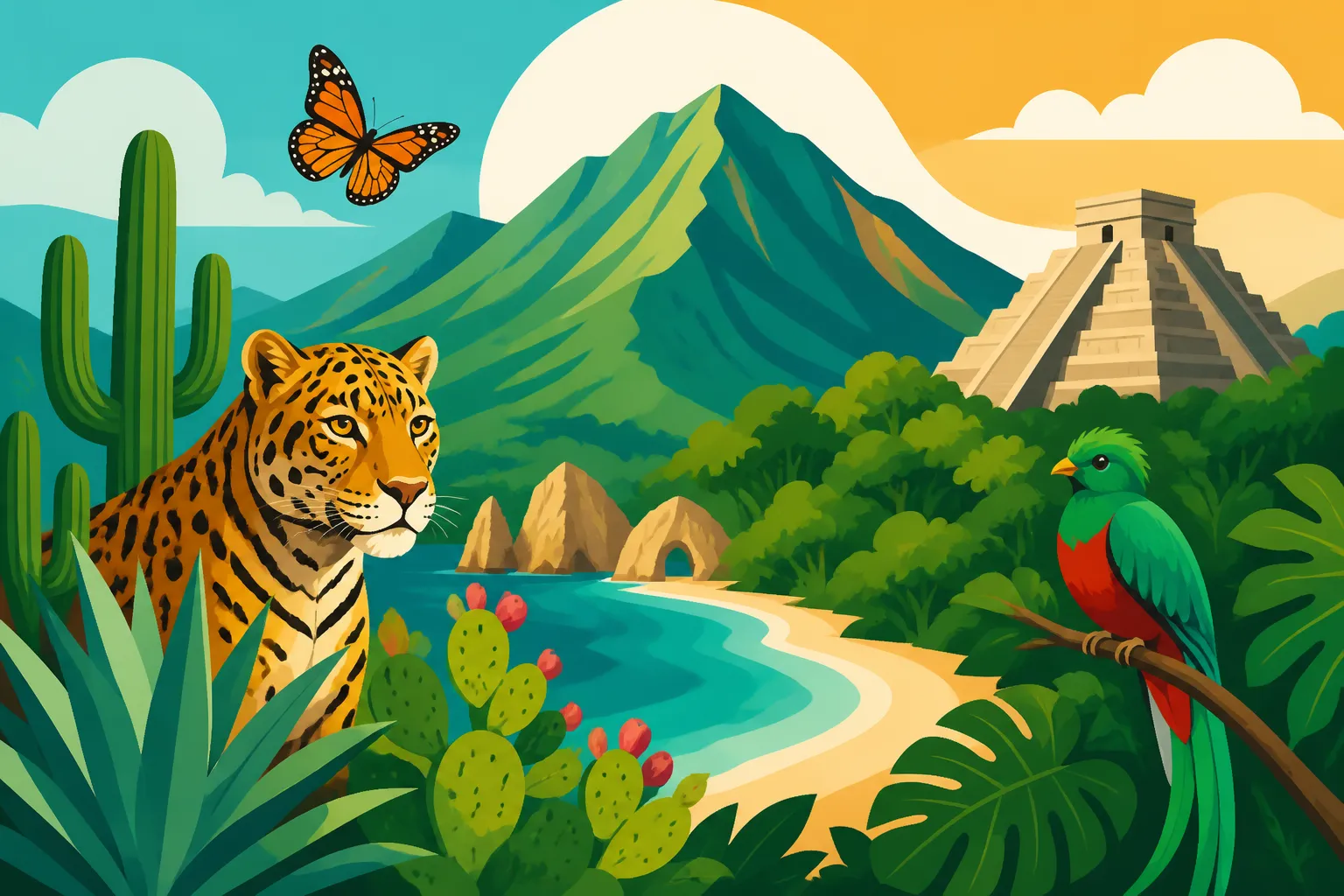
Most visitors stick to the well-trodden paths of resort towns, but finding true wilderness in Mexico can feel like a bureaucratic puzzle for the uninitiated. This guide breaks down the most stunning national parks and nature reserves, helping you navigate the logistical hurdles of entry permits, remote access, and local regulations to discover the incredible biodiversity existing far beyond the beach.
Disclosure: This post may contain affiliate links. We may earn a commission at no extra cost to you if you make a purchase through these links. Read full disclosure.
Understanding Mexicos Protected Natural Areas
When I first moved to Mexico, I expected the national parks to function like those in the United States or Canada, with clearly marked entrance gates, sprawling visitor centers, and well-paved roads. The reality is quite different and, frankly, much more rugged. Mexico’s protected areas are managed by the Comisión Nacional de Áreas Naturales Protegidas (CONANP). Rather than being manicured playgrounds, these are often lived-in landscapes where local communities, indigenous groups, and conservationists coexist.
The classification system can be confusing for expats. You will encounter National Parks (Parques Nacionales), Biosphere Reserves (Reservas de la Biósfera), and Flora and Fauna Protection Areas. National Parks are generally geared toward public recreation and protection, while Biosphere Reserves are more focused on scientific research and sustainable development. As a resident or traveler, the practical difference usually comes down to accessibility. Some reserves require a specialized guide and permit, while many national parks allow for more independent exploration.
One of the biggest frustrations for foreigners is the "bracelet" system. To enter many of these areas, you must pay a daily conservation fee, usually around 60 to 100 pesos, and receive a colorful paper bracelet. Keeping this bracelet on is essential, as rangers do conduct spot checks in remote areas. Navigating these logistics often requires a bit of pre-planning; I often use Busbud to find the nearest regional hub and then rely on local "colectivos" or taxis to reach the actual park boundaries.
The Role of Local Communities in Conservation
In Mexico, the land within a national park is often not "owned" by the federal government in the way many expats expect. Much of it belongs to "ejidos" or communal farming communities. This means that your entrance fee or the money you spend on a local guide directly supports the families who live there. It is a deeply personal system. When you visit a place like the Monarch Butterfly Biosphere Reserve, you aren’t just visiting a forest; you are participating in a community-led effort to protect a global phenomenon.
Validating the frustration of many newcomers, it can be annoying when there is no official website to book a permit. You might find yourself standing at a dusty crossroads wondering where the "office" is. My advice is to always look for the local "Comité de Turismo" in the nearest town. These community-led groups are the real gatekeepers of Mexico’s natural beauty.
Seasonal Timing and Biodiversity
Mexico is a land of extremes. If you head to the northern deserts in July, you are in for a world of hurt. Conversely, the southern jungles during the peak of the rainy season (August and September) can be nearly impassable due to mud and mosquitoes. Understanding the "canícula" (mid-summer drought) and the "nortes" (cold fronts) is vital for a successful trip.
For those interested in Outdoor Adventures and Nature in Mexico, timing is everything. The whale shark season in the Caribbean is strictly regulated, as is the arrival of the gray whales in Baja. If you miss the window by even a week, the experience changes entirely. I always recommend checking regional weather patterns rather than national averages, as the climate in Chiapas has nothing in common with the climate in Sonora.
High Altitude Adventures Mountainous National Parks
Central Mexico is dominated by the Trans-Mexican Volcanic Belt, a spectacular range of peaks that offer some of the most challenging and rewarding hiking in North America. For many expats living in Mexico City or Puebla, these parks are a necessary escape from the smog and noise. However, the altitude here is no joke. Many of the trailheads start at over 3,000 meters (nearly 10,000 feet), which can lead to significant physical distress if you haven't acclimated.
I highly recommend reading up on Altitude Sickness in Mexico: Tips for Adjusting to High Elevations before you attempt any of the major peaks. The air is thin, the sun is incredibly strong, and weather conditions can flip from t-shirt weather to a localized blizzard in under an hour. This isn't just "veteran advice"—it's a safety requirement. Many of these parks have limited search and rescue capabilities, so being self-sufficient is paramount.
Iztaccíhuatl-Popocatépetl National Park
Commonly known as "Izta-Popo," this park is home to Mexico’s second and third-highest peaks. While Popocatépetl is an active volcano and usually closed to climbers due to activity, Iztaccíhuatl (The Sleeping Woman) is a favorite for serious hikers. The "Paso de Cortés" is the main entry point, and the views of the smoking "Popo" from the ridge of "Izta" are among the most iconic in the country.
For expats, the main hurdle here is transportation and registration. You must register at the park office at Paso de Cortés, and if you plan on summiting, you’ll need proper gear and, ideally, a guide. I have found excellent specialized mountaineering tours through Viator that handle the permits and equipment, which saves a massive amount of administrative headache. If you are coming from Mexico City, you can find a variety of accommodations on Booking.com in the nearby town of Amecameca to get an early start.
Nevado de Toluca National Park
This is perhaps the most accessible "high-altitude" experience in Mexico. The Xinantécatl volcano features a crater with two stunning lagoons: the Sun and the Moon. Unlike many other peaks, you can drive quite high up the mountain, making the trek to the crater relatively short, though the steep incline at 4,000 meters will still leave you gasping for breath.
Because of its proximity to the capital, Nevado de Toluca can get incredibly crowded on weekends, especially when there is a rare snowfall. If you can, go on a Tuesday or Wednesday. The silence of the crater, with the jagged peaks reflecting in the turquoise water, is a spiritual experience. Be warned, though: the park authorities often close the access road if conditions are icy, so checking local social media groups for the "Estado del Nevado" before you leave is a pro tip.
Coastal Treasures and Marine Reserves
Mexico’s coastline spans two oceans and a sea, offering everything from the kelp forests of the Pacific to the coral reefs of the Caribbean. The marine reserves here are some of the most successful conservation stories in the world, but they are also under immense pressure from tourism. As a responsible expat or visitor, understanding the "reef-safe" rules and the importance of not touching wildlife is non-negotiable.
When planning a trip to these coastal gems, Getting Around Mexico: Buses, Flights, and Car Hire becomes an essential part of the process. While you can fly into major hubs, the best marine reserves often require a rental car or a long bus ride to reach the more secluded "pueblos" where the boat captains live.
Cabo Pulmo National Marine Park
Located in Baja California Sur, Cabo Pulmo is a miracle. Thirty years ago, this reef was nearly dead due to overfishing. The local community decided to stop fishing and start protecting, and today, it boasts the highest concentration of fish in the entire Sea of Cortez. Diving or snorkeling here feels like being inside a crowded aquarium. You can see massive schools of jackfish, sea lions, and even bull sharks.
The challenge here is the "remoteness." Cabo Pulmo is down a long, bumpy dirt road. There is limited electricity (mostly solar) and no cell service. It’s the perfect place to disconnect, but you need to book your stay and your dives well in advance. Most people look for small eco-casitas on Booking.com or stay in the nearby town of La Ribera. It’s a stark contrast to the glitz of Los Cabos, and that’s exactly why we love it.
Sian Ka’an Biosphere Reserve
A UNESCO World Heritage site, Sian Ka’an means "Origin of the Sky" in the Mayan language. Located just south of Tulum, this reserve covers over a million acres of tropical forests, mangroves, and marshes. It is one of the best places in Mexico to see wild dolphins, manatees, and a staggering array of birdlife. The "floating" experience, where you drift down an ancient Mayan canal through the mangroves, is one of the most peaceful things you can do in the Riviera Maya.
However, be prepared for a bumpy ride. If you try to drive to Punta Allen (the heart of the reserve) yourself, you will likely ruin your rental car's suspension. The road is notorious for its deep potholes. Many expats prefer to book a boat tour from the Muyil side, which offers a more manageable day trip. No matter how you go, make sure you are up to date on Staying Healthy in Mexico: Essential Tips for Food, Water, and Preventive Care, as the sun and humidity in the mangroves can be punishing.
Tropical Jungles and Ancient Eco-systems
The jungles of southern Mexico are where nature and history are inextricably linked. Many of the country’s most famous archaeological sites are actually located within protected national parks or biosphere reserves. This adds a layer of complexity to your visit—you aren't just looking at ruins; you are trekking through an active ecosystem filled with howler monkeys, jaguars, and tropical flora.
Before heading into the deep south, you should be aware of Mosquito-Borne Illnesses (Dengue, Zika): Precautions for Expats. The jungle is beautiful, but it is also home to bugs that can put a serious dampener on your trip if you aren't prepared with high-quality repellent and appropriate clothing.
Palenque National Park
While most people visit Palenque for the stunning Mayan ruins, the surrounding National Park is equally impressive. The rainforest here is incredibly dense and vibrant. If you arrive early—right when the gates open at 8:00 AM—you can hear the territorial roars of howler monkeys echoing through the temples. It sounds like something out of a movie, and it never fails to give me chills.
Expats often make the mistake of just doing the "ruins circuit" and leaving. I recommend hiring a local guide at the entrance to take you on the jungle trails that lead to hidden waterfalls and unexcavated structures. It gives you a much deeper appreciation for how the jungle has reclaimed this once-great city. To get here, many travelers use Busbud to catch an ADO bus from San Cristóbal de las Casas or Villahermosa.
Calakmul Biosphere Reserve
If you want to feel like Indiana Jones, Calakmul is the place. Located in the heart of the Campeche jungle near the Guatemalan border, this is one of the largest protected areas in Mexico. The main pyramid is so tall that you can climb above the jungle canopy and see for miles in every direction, with nothing but green trees as far as the eye can see.
The logistical difficulty here is high. It’s a 60-kilometer drive from the main highway into the jungle just to reach the site. There are very few places to stay nearby, so most people base themselves in the village of Xpujil. Because it is so remote, Staying Safe in Mexico: Practical Tips for Travelers is particularly relevant here—ensure your spare tire is inflated and you have plenty of water and fuel before you turn off the highway.
Comparison of Popular Nature Destinations
| Park / Reserve | State | Primary Attraction | Best Time to Visit |
|---|---|---|---|
| Izta-Popo | México/Puebla | High-Altitude Trekking | Nov – March |
| Cabo Pulmo | Baja California Sur | Coral Reef & Diving | June – Nov |
| Sian Ka'an | Quintana Roo | Mangroves & Wildlife | Dec – April |
| Calakmul | Campeche | Remote Ruins & Jungle | Nov – Feb |
| Monarch Butterfly | Michoacán | Butterfly Migration | Jan – March |
| Sumidero Canyon | Chiapas | River Gorge & Crocodiles | Nov – April |
Desert Landscapes and Arid Beauty
The northern half of Mexico is often overlooked by those seeking "greenery," but the deserts here are some of the most biologically diverse on the planet. The Sonoran and Chihuahuan deserts offer a stark, haunting beauty that is completely different from the tropical south. For expats moving from cooler climates, the scale of these landscapes can be overwhelming.
Visiting these areas requires a different kind of preparation. You aren't worrying about mud; you’re worrying about heat exhaustion and vehicle failure in areas with zero shade. Always tell someone where you are going and when you expect to be back.
El Pinacate and Gran Desierto de Altar
This UNESCO site in Sonora looks like the surface of the moon. It features massive volcanic craters and the largest active dune field in North America. The "Schuk Toak" visitor center is a great starting point, offering world-class exhibits on the geology and indigenous history of the region.
The heat here can be lethal in the summer. I only visit between November and February. Even then, the sun is relentless. If you are a photographer, the golden hour at the "Elegante" crater is worth every bit of the effort it takes to get there. It’s a long drive from Hermosillo or Puerto Peñasco, so make sure you’ve reviewed How to Travel Between Cities in Mexico by Bus or have a very reliable rental car.
Tehuacán-Cuicatlán Biosphere Reserve
Located between Puebla and Oaxaca, this reserve is home to the densest forest of giant cacti in the world. Some of these cacti are hundreds of years old and stand over 10 meters tall. It is a surreal landscape that feels like a prehistoric botanical garden. The "Salinas de Cachul" (ancient salt flats) within the reserve are also a fascinating cultural stop.
For those living in Oaxaca City, this is a fantastic weekend trip. You can find boutique eco-lodges on Booking.com that allow you to wake up right in the middle of the cactus forest. It’s an excellent spot for birdwatching and seeing rare species of hummingbirds. Don't forget to factor in Tipping in Mexico (Propina): When and How Much when hiring local guides for the salt flat tours, as they are often volunteers from the local village.
Practical Tips for Navigating Mexicos Reserves
As a veteran expat, my biggest piece of advice for exploring Mexico's nature is to embrace the "slow" approach. You cannot rush these places. Between the lack of signage, the winding mountain roads, and the need to find a local ranger to pay your fee, everything takes twice as long as you think it will.
I always carry a physical map or have offline maps downloaded on my phone. Cell service is non-existent in about 80% of Mexico’s national parks. Additionally, don't be afraid to ask locals for help. A simple "Disculpe, ¿dónde está la entrada al parque?" (Excuse me, where is the park entrance?) will often lead to a twenty-minute conversation and the best local tips you’ll ever get.
Safety and Guided Tours
While many of us pride ourselves on being independent travelers, there are times when hiring a professional is the smartest move. For complex ecosystems like the Lacandon Jungle or high-risk climbs like Pico de Orizaba, a guide isn't just a luxury—it’s a safety essential. I often browse Viator to see which operators have the best reviews and the necessary safety certifications.
Furthermore, always be mindful of the local environment. Mexico is currently facing significant challenges with water scarcity and forest fires. Avoid building campfires unless you are in a designated area with explicit permission from the rangers. Your actions as a visitor have a direct impact on the preservation of these fragile lands for the next generation of residents.
Packing the Essentials
Your packing list for a Mexican nature reserve will look very different depending on the latitude. However, some things are universal: a high-quality water filtration bottle, a wide-brimmed hat, and sturdy, broken-in hiking boots. I’ve seen too many tourists trying to hike the Nevado de Toluca in flip-flops, and it never ends well.
- Sun Protection: The Mexican sun at high altitudes or on the water is significantly more intense than in many parts of the US or Europe. Biodegradable sunscreen is a requirement for marine parks.
- Cash: Many park entrances and local guides only accept cash (pesos). Don't expect to find an ATM within 50 miles of a Biosphere Reserve.
- Documentation: Carry a copy of your residency card or passport. While rarely asked for in the parks, you may encounter military or police checkpoints on the roads leading to more remote areas.
Disclaimer
The information provided in this guide is for informational purposes only. While I strive to provide accurate and up-to-date advice based on my experiences living in Mexico, regulations regarding national parks, entry fees, and safety conditions can change without notice. Always check with official government sources or local authorities before embarking on a trip to remote or protected areas. Navigating Mexico’s wilderness involves inherent risks, and travelers should exercise personal responsibility and caution at all times.