Volcano Hiking and High-Altitude Trekking in Mexico: Altitude Clauses
The thrill of summiting a Mexican volcano, gazing out over endless cloudscapes from Iztaccihuatl's snowy peaks, or challenging yourself on Nevado de Toluca's breathtaking trails is an unparalleled experience for many expats and visitors. However, these high-altitude adventures come with inherent risks, not least of which is the potential for altitude sickness or unexpected injury far from medical help. This guide will delve into the exhilarating world of volcano hiking and high-altitude trekking in Mexico, highlighting the very real dangers, and crucially, explaining why specialized travel insurance like SafetyWing is not just recommended, but absolutely essential to protect your health and your wallet.
Disclosure: This post may contain affiliate links. We may earn a commission at no extra cost to you if you make a purchase through these links. Read full disclosure.
The Allure and Risks of High-Altitude Adventures in Mexico
Mexico isn't just about beautiful beaches and vibrant cities; it boasts an impressive array of high-altitude landscapes, home to some truly magnificent dormant and active volcanoes that beckon adventurers from around the globe. From the challenging ascent of La Malinche to the ethereal beauty of Nevado de Toluca with its twin crater lakes, these experiences offer incredible rewards. But the thin air and unpredictable mountain conditions present a different kind of challenge, one that many travelers often underestimate.
Mexico's Majestic Peaks and Their Challenges
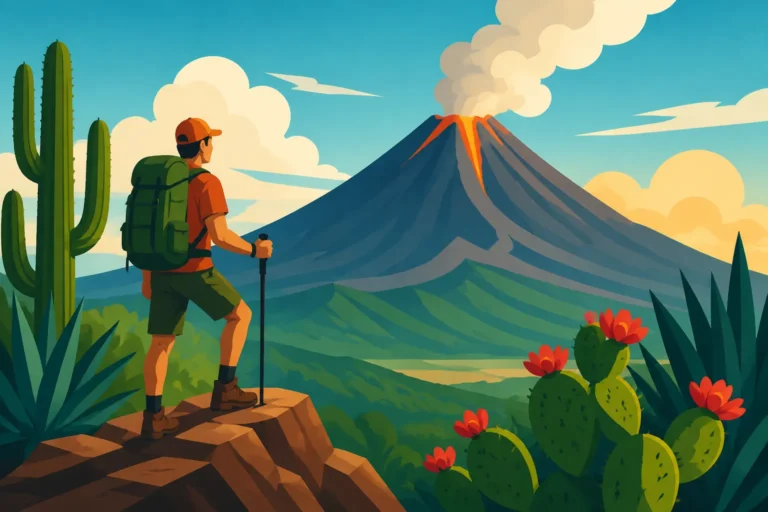
Imagine standing atop Iztaccihuatl, the "Sleeping Woman," a stunning dormant volcano that, alongside its fiery counterpart Popocatépetl, dominates the central Mexican skyline. The views are incredible, stretching across the Valle de México, a reward for hours of grueling ascent. Or perhaps you're drawn to the unique beauty of Nevado de Toluca, where you can hike around turquoise and emerald crater lakes, reaching elevations over 4,600 meters (15,000 feet) without needing extensive mountaineering experience. These are bucket-list experiences, no doubt.
However, these magnificent natural wonders are not for the faint of heart, nor for the unprepared. The trails can be steep, rocky, and exposed to harsh weather, including sudden drops in temperature, high winds, and even snow, especially during the colder months. Unlike a casual stroll in a park, high-altitude trekking demands physical stamina, proper gear, and a keen awareness of your body's response to the environment. Many foreigners, excited by the prospect, jump into these adventures without fully appreciating the physiological toll they can take. It’s a common mistake, one that can quickly turn a dream hike into a nightmare if you're not careful. For more general advice on enjoying Mexico's natural beauty, you might want to read about National Parks and Nature Reserves in Mexico.
Understanding Altitude Sickness: More Than Just a Headache
Altitude sickness, also known as Acute Mountain Sickness (AMS), is a very real and potentially severe condition that can affect anyone, regardless of fitness level, when rapidly ascending to high elevations. In Mexico, many popular trekking spots like Nevado de Toluca and the foothills of Iztaccihuatl easily exceed the 2,500-meter (8,200-foot) threshold where symptoms typically begin. Mexico City itself sits at an elevation of 2,240 meters (7,350 feet), already a significant altitude for many visitors.
Symptoms can range from mild discomfort like headaches, nausea, dizziness, and fatigue to more severe, life-threatening conditions such as High Altitude Cerebral Edema (HACE) and High Altitude Pulmonary Edema (HAPE). HACE involves fluid accumulation in the brain, leading to severe confusion, loss of coordination, and even coma. HAPE is fluid in the lungs, causing extreme shortness of breath, coughing, and even respiratory failure. These are not minor issues; they require immediate descent and medical attention, which can mean an expensive emergency evacuation from a remote mountain location. Ignoring early symptoms is incredibly dangerous, and sadly, many hopeful trekkers push themselves too far. It's crucial to understand the signs and how to react. We have a detailed guide on Altitude Sickness in Mexico: Tips for Adjusting to High Elevations that every high-altitude adventurer should read.
Why Standard Travel Insurance Falls Short for High-Altitude Trekking
When you're planning an epic volcano hike in Mexico, buying travel insurance might be on your checklist, but how carefully do you scrutinize the fine print? The harsh reality is that many standard travel insurance policies come with exclusions that could leave you high and dry (and with a massive bill) if something goes wrong on a high-altitude trek. This is where the devil is truly in the details, specifically in those dreaded "altitude clauses."
Decoding "Altitude Clauses" and Exclusions
Most general travel insurance policies are designed for more conventional tourism: lost luggage, cancelled flights, or minor medical issues in urban areas. They often have very specific clauses, or outright exclusions, when it comes to "adventure sports" or activities performed above a certain altitude. It's not uncommon to see policies that won't cover incidents occurring above 2,500 meters, 3,000 meters, or sometimes even 4,000 meters, depending on the insurer.
What does this mean for you? If you're happily hiking Nevado de Toluca (peak around 4,680m / 15,350ft) or Iztaccihuatl (peak at 5,230m / 17,160ft) and suffer from altitude sickness, a sprained ankle, or worse, your standard policy might simply say, "Sorry, you were above our covered altitude limit." This exclusion isn't usually highlighted in bold; it's tucked away in the terms and conditions, often under "hazardous activities" or "extreme sports." The moment you step above that invisible line, your coverage vanishes, and you become personally responsible for all costs. This is a crucial point many people overlook, assuming "travel insurance" covers all travel. For more on navigating insurance options, consider reading Travel Insurance vs Local Insurance: Do Expats Need Both?.
The Hidden Costs of a Mountain Emergency
Let's not sugarcoat it: a medical emergency in a remote, high-altitude region of Mexico can be astronomically expensive. If you experience severe altitude sickness or an injury that prevents you from descending on your own, you're looking at potential costs that would make your jaw drop.
Consider these scenarios:
- Emergency Descent: You might need local guides or even search and rescue teams to assist with an emergency descent. These services are rarely free and can cost hundreds or even thousands of dollars, especially if they involve specialized equipment or personnel.
- Ambulance and Transport: Once off the mountain, you'll likely need an ambulance to transport you to the nearest appropriate medical facility. In Mexico, ambulance services, particularly private ones which are often necessary for quick, quality care, come with a significant price tag. For information on local emergency services, check out Calling an Ambulance in Mexico: How Emergency Services Operate.
- Hospitalization and Treatment: If you need hospitalization for severe AMS, HACE, or HAPE, you're looking at daily hospital fees, doctor consultations, medications, oxygen, and potentially intensive care. Private hospitals in Mexico, while excellent, are not cheap, and without insurance, these bills can quickly climb into the tens of thousands of dollars.
- Medical Evacuation: In the most serious cases, if a local hospital can't provide the specialized care you need, or if you prefer to be treated back in your home country, you might require a medical evacuation. This could involve an air ambulance (a private jet equipped for medical transport) – an expense that easily runs into six figures. This is where SafetyWing really shines, providing critical coverage that many other policies won't. This kind of coverage is so vital, we've even got a post on Medical Evacuation Insurance: Do Expats in Mexico Need Airlift Coverage?.
Without an insurance plan that explicitly covers high-altitude activities, you could be facing financial ruin from a single misstep or unfortunate reaction to altitude. It's a risk simply not worth taking.
SafetyWing: Your Essential Companion for Mexico's Heights
This is where SafetyWing steps in as a game-changer for anyone considering volcano hiking or high-altitude trekking in Mexico. Unlike many conventional travel insurance providers, SafetyWing understands the adventurous spirit and offers coverage tailored to it, specifically addressing the common exclusions found in other policies. When your standard travel insurance policy tells you, "Sorry, you went too high," SafetyWing is often saying, "We've got you covered."
How SafetyWing Covers Your High-Altitude Pursuits
SafetyWing is built for digital nomads and long-term travelers, but its flexible and comprehensive coverage makes it perfect for adventure seekers. What sets it apart, especially for high-altitude activities, are its specific provisions. Many adventure activities, which would be excluded by other insurers, are covered as long as they are non-professional and recreational. Crucially, this often includes hiking and trekking up to high altitudes that other insurers explicitly exclude.
They typically cover incidents related to common high-altitude sports, providing a vital safety net. This means if you develop altitude sickness, sustain an injury while on a trail, or require emergency medical care as a direct result of your adventure, SafetyWing is designed to kick in. This isn't just about covering a doctor's visit; it includes emergency medical treatment, hospitalization, and even emergency medical evacuation – the exact services that become incredibly expensive and critical when you're far up a mountain. Before embarking on any strenuous activity, always double-check their latest policy details for the specific activities and altitude limits covered, but generally, their policies are far more accommodating to adventurers than mainstream options.
Real-World Scenarios Where SafetyWing Makes a Difference
Let's visualize a couple of hypothetical, but all too real, scenarios where SafetyWing would provide invaluable peace of mind and financial protection:
-
Scenario 1: Acute Altitude Sickness on Iztaccihuatl. You've been acclimating for a few days in Mexico City, feeling great. But during your ascent of Iztaccihuatl, at around 4,800 meters (15,700 feet), you suddenly develop severe nausea, a splitting headache, and extreme fatigue. Your guide insists you descend immediately. Upon reaching a lower elevation, your condition doesn't improve, and you start exhibiting signs of HAPE, like a persistent cough and shortness of breath. An emergency vehicle is called, and you're rushed to a private hospital in Puebla. Your local medical bills, including oxygen therapy, medication, and a few nights in the hospital, total several thousand dollars. With a standard policy, you'd be denied coverage due to the altitude exclusion. With SafetyWing, assuming your recreational trekking falls within their covered activities and altitude limits (which it often does), these costs would typically be covered, preventing a financial disaster.
-
Scenario 2: A Sprained Ankle on Nevado de Toluca. While navigating a rocky section near the crater lakes of Nevado de Toluca, you slip and severely sprain your ankle. You can't put any weight on it and need assistance to get off the mountain. This requires a small team to help you down, followed by a local ambulance ride to a clinic in Toluca for X-rays and treatment. The cost of the impromptu rescue team, the ambulance, and the medical care (diagnostics, pain medication, crutches) can add up quickly. Again, a typical insurer might deny the claim, citing the activity as "hazardous" or above an arbitrary altitude. SafetyWing would generally cover these emergency medical expenses, alleviating the stress of both the injury and the unforeseen financial burden.
SafetyWing isn't just another insurance product; it's a dedicated partner for expats and travelers who want to explore Mexico's incredible natural landscapes without compromising their financial security. It means you can focus on the breathtaking views and the challenge of the climb, rather than worrying about what might happen if you misstep. Don't gamble with your health and finances; explore SafetyWing before you pack your bags for your next Mexican mountain adventure.
Comparison: Standard Travel Insurance vs. SafetyWing for High-Altitude Trekking
To further illustrate the critical differences, here's a quick comparison:
| Feature | Standard Travel Insurance (Typical) | SafetyWing (Designed for Nomads/Adventurers) |
|---|---|---|
| Altitude Exclusions | Often explicitly excludes activities above 2,500m – 4,000m. | Generally covers recreational trekking/hiking to higher altitudes (check policy for specifics). |
| Adventure Sports Coverage | May exclude "hazardous" or "extreme" sports like trekking/mountaineering. | Often includes a broad range of adventure activities (non-professional, recreational). |
| Emergency Medical | Covered, but often subject to altitude exclusions. | Covered, including for eligible high-altitude incidents. |
| Emergency Evacuation | Covered, but often subject to altitude and activity exclusions. | Robust coverage for emergency medical evacuation, crucial for remote areas. |
| Cost | Varies; often cheaper for basic plans but with severe limitations. | Competitive pricing for its comprehensive adventure coverage. |
| Flexibility | Often rigid, tied to specific travel dates/regions. | Highly flexible, renewable monthly, buyable while already traveling. |
(Note: Always review the specific terms and conditions of any insurance policy, including SafetyWing, as coverage details can change and depend on the chosen plan and your specific activities.)
Preparing for Your Ascent: Beyond Just Insurance
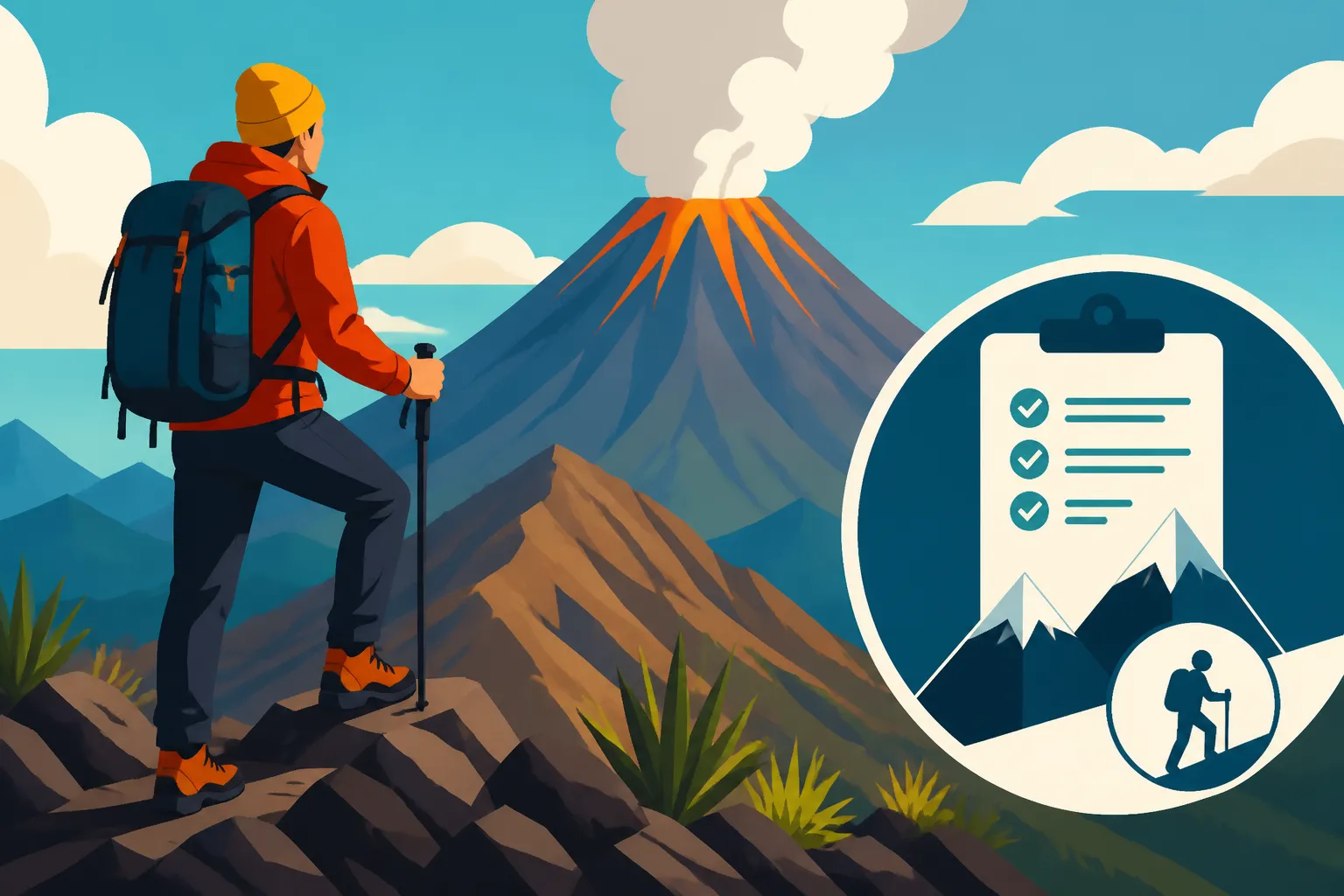
While securing the right insurance, like SafetyWing, is paramount, it's only one piece of the puzzle for a successful and safe high-altitude trekking experience in Mexico. Proper preparation involves understanding your body, equipping yourself correctly, and respecting the mountain environment.
Physical Conditioning and Acclimatization
You wouldn't run a marathon without training, and you shouldn't attempt a high-altitude trek without similar foresight. Physical fitness is a major component of a safe climb. Start a cardio and strength training regimen well in advance. Focus on endurance and leg strength, as you'll be carrying gear and moving uphill for extended periods.
Even more critical than physical conditioning is acclimatization. This refers to your body's process of adjusting to lower oxygen levels at higher elevations. Rushing an ascent is the quickest way to invite altitude sickness.
- Gradual Ascent: Plan your itinerary to include gradual ascents. Spend at least one or two nights at an intermediate altitude (e.g., Mexico City or Puebla for Iztaccihuatl, Toluca for Nevado de Toluca) before heading to the base camp or higher trailheads.
- Hydration and Nutrition: Drink plenty of water throughout your trip, even before you start hiking, and ensure you're consuming enough calories. Dehydration can exacerbate altitude sickness symptoms.
- Listen to Your Body: This is perhaps the most important rule. If you feel symptoms of altitude sickness, no matter how mild, do not push yourself. Rest, hydrate, and if symptoms worsen or persist, descend immediately. Pride has no place in the mountains. For expats living at altitude, our guide on Living at High Altitude: Tips for Expats in Mexico City and Highland Areas offers excellent long-term advice.
Essential Gear and Local Guides
Proper equipment can make the difference between a challenging hike and a dangerous ordeal.
- Layered Clothing: Mountain weather can change drastically. Pack layers that you can easily add or remove: a wicking base layer, an insulating mid-layer (fleece or down), and a waterproof/windproof outer shell.
- Footwear: Sturdy, waterproof hiking boots with good ankle support are non-negotiable.
- Sun Protection: Even on cloudy days, UV radiation is much stronger at high altitudes. Bring sunglasses, a wide-brimmed hat, and high SPF sunscreen.
- Navigation and Communication: While many trails are marked, a GPS device or reliable offline map on your phone is a good backup. Ensure your phone is fully charged. Cell service can be spotty, so consider a satellite messenger for emergencies in truly remote areas.
- First-Aid Kit: A comprehensive kit should include pain relievers, blister treatment, antiseptic wipes, bandages, and any personal medications. Consider bringing portable oxygen or medication like Diamox (prescription required) if recommended by your doctor for altitude sickness prevention.
- Water and Snacks: Carry more water than you think you'll need. High-energy snacks are crucial for sustained effort.
Finally, especially for the more challenging peaks like Iztaccihuatl, consider hiring an experienced local guide. They know the terrain, the weather patterns, and how to react in an emergency. Their expertise is invaluable for your safety and success. They can also connect you with proper medical channels in case of an incident, which could make all the difference in a crisis.
Disclaimer
The information provided in this article is intended for general guidance and informational purposes only, and does not constitute professional medical, financial, or legal advice. While we strive to provide accurate and up-to-date information, circumstances can change rapidly. Always consult with qualified professionals for advice tailored to your specific situation, especially regarding health, insurance, and legal matters in Mexico. The mention of specific brands or services, such as SafetyWing, is for illustrative and informational purposes based on their general reputation for expat-friendly coverage, but readers must conduct their own due diligence and carefully review policy terms and conditions before making any purchasing decisions.