When Is the Best Time for a Beach Holiday in Mexico?
Oh, the eternal quest for that perfect Mexican beach holiday! It’s something every expat, and certainly every visitor, grapples with. You dream of azure waters, endless sunshine, and soft sand between your toes, only to arrive during an unexpected downpour or in the middle of a bustling, overpriced holiday week. Trust me, I’ve been there. This guide is here to cut through the guesswork and give you the real scoop on when to hit Mexico's stunning coasts for that unforgettable, hassle-free getaway.
Disclosure: This post may contain affiliate links. We may earn a commission at no extra cost to you if you make a purchase through these links. Read full disclosure.
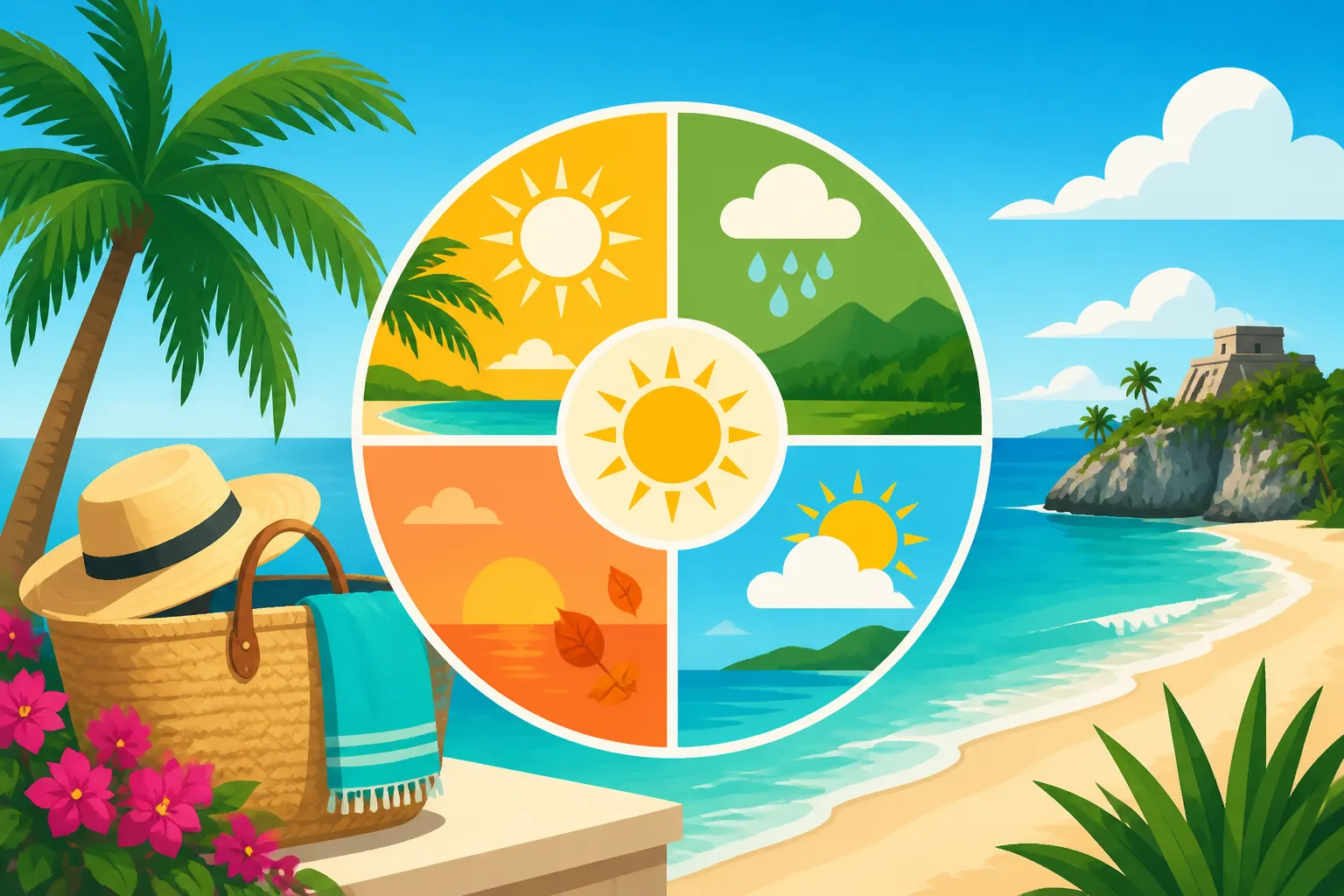
The Golden Window Dry Season Magic November to April
Alright, let's talk about what most people consider the absolute sweet spot for a Mexican beach escape: the dry season, running roughly from November to April. This is when Mexico truly shines, particularly for those coming from colder climates looking for guaranteed warmth and sunshine. But, as with all things wonderful, there are trade-offs to consider, especially if you're trying to pinch pesos or avoid crowds.
Picture-Perfect Weather and Calm Waters
Imagine waking up to clear, brilliant skies almost every single day. That's what the dry season delivers. Across both the Caribbean and Pacific coasts, you'll find low humidity, comfortable daytime temperatures ranging from the mid-70s to low-90s Fahrenheit (24-32°C), and wonderfully cool evenings. The lack of rain means crystal-clear waters, especially fantastic for snorkeling and diving. Visibility can be phenomenal, allowing you to fully appreciate the vibrant marine life that calls these reefs home.
The ocean conditions are generally calmer too, particularly on the Caribbean side, making it ideal for families with young children or anyone who prefers gentle waves to powerful surf. You won't be worrying about sudden storms or choppy seas disrupting your beach days or boat excursions. It's the kind of consistent, glorious weather that makes you forget all your worries and truly relax. This is prime time for kicking back on the white sands of Tulum or enjoying the gentle waves of Puerto Vallarta. If you're planning on exploring the underwater world, diving into the cenotes in the Yucatán will be an absolute dream during these months. For more on staying healthy near the water, check out our guide on Staying Healthy in Mexico: Essential Tips for Food, Water, and Preventive Care.
Navigating the High Season Crowds and Costs
Here’s the rub, my friends: everyone else knows this is the best time too. This period, especially from mid-December through January, and then again during Easter/Spring Break weeks (usually March or April), is Mexico's high season. What does that mean for you? Brace yourself for crowds and significantly higher prices.
Think about it: families on winter breaks, spring breakers letting loose, and snowbirds escaping the northern chill all flock to the coasts. Popular destinations like Cancun, Playa del Carmen, Los Cabos, and Puerto Vallarta become buzzing hubs. You might find it challenging to get reservations at popular restaurants, beach clubs will be packed, and tours will be booked solid unless you plan well in advance. Accommodation prices, from humble bungalows to luxurious resorts, can easily double or even triple during these peak periods. Flights also see a considerable hike. You'll definitely want to use services like Booking.com well in advance – think 6-9 months out for Christmas or Spring Break – to secure decent rates and availability. I once waited too long for a trip to Holbox over New Year's and ended up paying a small fortune for a very basic room! Don't be like me.
If you're looking to save money, avoid these specific holiday weeks. The weeks just before Christmas, or late January/early February, can offer slightly better value while still benefiting from the fantastic weather. Our detailed guide on the Cost of Living in Cancún: 2026 Expat Budget Overview can give you a clearer picture of typical expenses, but expect those to surge during high season.
Activities and Events Flourishing in the Dry Season
With perfect weather comes a plethora of opportunities. This is peak season for whale watching in places like Baja California Sur (December to April), where majestic grey whales and humpbacks migrate to warmer waters to calve. It’s an absolutely incredible experience. Deep-sea fishing, sailing, and all sorts of water sports are in full swing.
On land, the dry, comfortable conditions are ideal for exploring ancient Mayan ruins like Chichen Itza or Palenque without sweating through your clothes. Many cultural festivals and events also take place during these months, taking advantage of the favorable weather and increased tourist presence. Think jazz festivals in Riviera Maya or art walks in San Miguel de Allende. Booking tours for these activities can be done easily through platforms like Viator, which often have a wide selection, but again, advance booking is your friend during this busy time. Consider also checking out our guide on The Yucatán Peninsula: Beaches, Ruins, and Cenotes for ideas on what to do during this prime time.
The Green Season and Hurricane Watch May to October
Now, let's turn to the other half of the year, often dubbed the "green season" or "rainy season," which runs from roughly May to October. This period tends to scare off some travelers, conjuring images of non-stop downpours and raging storms. While it's true you need to be more mindful of the weather, it's far from a write-off and can actually offer some delightful advantages.
Understanding Mexico's Rainy Season
Forget the idea of endless, dreary rain. Mexico's rainy season (or 'green season' as locals prefer) typically brings afternoon downpours rather than all-day washouts. These showers often roll in for an hour or two in the late afternoon or early evening, bringing a welcome cooling effect after a hot day, and then clear up. Mornings are usually sunny and beautiful, perfect for hitting the beach or exploring. The humidity is higher, which some people find uncomfortable, but it also transforms the landscape into a vibrant, lush paradise. Everything turns a richer, deeper green, and the air feels fresh after a rain shower.
If you're planning a trip during these months, simply adjust your schedule: do your outdoor activities in the morning, and plan for a siesta or enjoy a long lunch during the afternoon rain. I’ve spent many glorious mornings on the beach, only to retreat to a shaded palapa with a book and a cold drink as the rain pattered down, watching the world turn green. It’s a different kind of beauty.
The Realities of Hurricane Season in the Caribbean and Pacific
This is the big one that gives people pause. Hurricane season officially runs from June 1st to November 30th for both the Atlantic (affecting the Caribbean coast and Gulf of Mexico) and the Pacific coasts. The peak months for hurricane activity are generally August, September, and October.
Now, let's be realistic: a direct hit from a major hurricane is rare, but it does happen. When it does, it can be devastating. However, most tropical storms and hurricanes either miss the coast or weaken significantly before making landfall. The primary concern isn't always a direct hit, but rather the heavy rainfall, strong winds, and rough seas that precede or follow such systems, which can disrupt travel plans for days.
If you travel during these months, it's absolutely crucial to:
- Monitor forecasts: Keep an eye on reputable weather channels (like the National Hurricane Center).
- Be flexible: Have a backup plan or be ready to adjust your itinerary. Busbud, for instance, offers flexible booking options for bus travel, which can be a lifesaver if you need to quickly change destinations to get out of a storm's path.
- Get travel insurance: This is non-negotiable. Ensure your policy covers hurricane-related cancellations, delays, and medical emergencies. Our guide on Travel Insurance vs Local Insurance: Do Expats Need Both? is a must-read for this. I can't stress this enough – a good insurance policy is your safety net.
- Consider the risk: September and October are statistically the riskiest, especially for the Caribbean coast. If you're highly risk-averse, these might be months to avoid, but if you're flexible and insured, you can find incredible deals.
Advantages of Traveling During the Low Season
Despite the weather concerns, traveling during the green season offers compelling benefits:
- Significantly Lower Prices: This is the undisputed champion of low-cost travel to Mexico. Flights, accommodations (again, check Booking.com for amazing deals), and even some tours see substantial price drops. You can often stay at resorts that would be completely out of budget in high season for a fraction of the cost.
- Fewer Crowds: Ah, the bliss of having a beach almost to yourself! Or finding a table at that popular restaurant without a long wait. The reduced tourist traffic means a more relaxed atmosphere, shorter lines for attractions, and a generally more peaceful experience. You'll feel less like a number and more like a welcome guest. This is especially great if you want to experience the local culture without feeling overwhelmed by tourist masses. If you’re like me and appreciate a slower pace, you might prefer this. You can discover more tips on How to Avoid the Crowds at Mexico's Top Sights during this period.
- Lush Scenery: The rain nourishes the landscape, making everything incredibly green and vibrant. Waterfalls are at their fullest, jungles are teeming with life, and the air feels clean and fresh.
- Unique Wildlife Experiences: For example, turtle nesting season is in full swing on many beaches, particularly from May to October, and hatchlings often emerge during these months. It's a truly magical sight to witness, and many resorts and local organizations run conservation programs you can observe or even participate in.
Sweet Spots The Shoulder Seasons for Smart Travelers
If you’re looking for a balance between fantastic weather and manageable crowds/prices, the shoulder seasons are your golden ticket. These are the transition months that offer a sweet spot for savvy travelers.
Spring into May and Early June
The period from mid-April (after Easter) through early June is a fantastic time to visit. The peak dry season crowds have dissipated, but the glorious weather largely remains. Temperatures start to climb a bit more, and humidity begins to creep up, but it's generally still very pleasant.
You'll find that prices for flights and accommodations begin to drop significantly from their high-season peaks, but haven't yet reached the rock-bottom rates of the hurricane season. The chances of heavy rain are still relatively low, though you might experience an occasional afternoon shower as the weather patterns start to shift. This is an excellent time for those who want to experience the beauty of Mexico's beaches without the high season's frenzy or the low season's higher weather risk. It's also a great time to find deals on excursions through platforms like Viator without feeling rushed by other tourists.
Fall for September and October
While September and October are technically within the peak of hurricane season, the latter half of October can often be a surprisingly good time for a beach holiday, especially if you're flexible and keep an eye on the forecast. By late October, the most intense heat and humidity usually start to break, and while the risk of tropical systems is still present, the weather often begins to stabilize.
The major benefit here is that you'll experience extremely low prices and minimal crowds. Plus, this is when Mexico truly comes alive with vibrant cultural celebrations, most notably Día de Muertos (Day of the Dead) at the end of October and early November. Experiencing these unique traditions against the backdrop of an emptier, more affordable beach town can be an incredibly enriching experience. Just make sure that travel insurance is locked in.
Coastal Differences and Specific Considerations
Mexico is a vast country, and its coasts are far from uniform. What’s true for the Caribbean side might not hold for the Pacific, and local events can shift your "best time" significantly.
Caribbean vs Pacific The Weather Divide
It's vital to remember that weather patterns can differ between Mexico's two major coastlines:
- Caribbean Coast (Yucatán Peninsula, Quintana Roo): This includes popular destinations like Cancún, Playa del Carmen, Tulum, and Cozumel. The dry season here (November-April) is characterized by consistent sunshine and relatively low humidity. The wet season (May-October) brings higher humidity and typically afternoon showers. This coast is more directly exposed to Atlantic hurricanes, with the highest risk in September and October. However, as the dry season ends, a different challenge can emerge: sargassum seaweed. While unpredictable, it tends to be more prevalent in warmer months (April to August). Our guide on How to Avoid Sargassum Seaweed on Mexico's Caribbean Coast offers specific tips.
- Pacific Coast (Puerto Vallarta, Los Cabos, Oaxaca Coast): Destinations here include Puerto Vallarta, Sayulita, Mazatlán, and the Baja California Sur region (La Paz, Los Cabos). The dry season (roughly late October/November to May) also offers abundant sunshine and pleasant temperatures, often with a slightly breezier feel in the Baja region. The rainy season (June to October) has similar patterns of afternoon showers and higher humidity, but the Pacific hurricane season can also be active. While generally less frequent than Atlantic hurricanes, Pacific storms can still bring heavy rains and disruptions. For example, September can be very wet in Puerto Vallarta.
Understanding these regional nuances is key to planning. A trip to Los Cabos in July might feel very different, weather-wise, than a trip to Tulum in July.
Beyond the Weather Planning Around Holidays and Events
Beyond the seasonal weather patterns, special holidays and events can dramatically impact your beach holiday experience.
- Christmas and New Year's: Absolutely beautiful weather, but the absolute busiest and most expensive time of the year. Book everything months in advance if you want to celebrate in a popular beach destination.
- Semana Santa (Easter Holy Week): This is a massive holiday in Mexico, falling in either March or April. Mexican families flock to the beaches, creating incredibly crowded conditions, especially in popular spots. While it's a vibrant cultural experience, expect packed hotels, beaches, and restaurants. Prices will be inflated, similar to Christmas. Our article on Semana Santa and Easter in Mexico goes into more detail.
- Spring Break (March-April): Different from Semana Santa, this typically sees an influx of students from North America, particularly to places like Cancún and Playa del Carmen. If you're looking for a party, this is your time. If you prefer peace and quiet, steer clear.
- Mexican Independence Day (September 16th): While more of an inland celebration, it can still mean increased domestic tourism to beach areas.
- Día de Muertos (November 1st and 2nd): A truly unique and beautiful cultural event. While not a beach-specific holiday, many people travel to experience it, and combining it with a beach trip in early November can be magical as the weather starts to cool and clear.
When planning your trip, consider what kind of atmosphere you're seeking. Do you thrive on lively crowds and festive energy, or do you crave tranquility? Your answer will help you determine the best time, even if it means slightly adjusting your weather expectations. For those who want to combine beach time with deeper cultural dives, check out Mexican Holidays and Festivals for inspiration.
| Season | Months | Weather Vibe | Crowds | Prices | Pros | Cons |
|---|---|---|---|---|---|---|
| High (Dry) | Nov – April | Sunny, low humidity, clear skies, mild to warm | Very High | Very High | Best weather, perfect for all activities, calm seas | Very expensive, extremely crowded, need to book everything far in advance |
| Shoulder | Mid-April – Early June | Warm, humidity rising, occasional showers start | Moderate | Moderate | Good weather, fewer crowds than high season, better prices | Can get hot, potential for first scattered rains, sargassum may start appearing |
| Low (Green) | July – Mid-August | Hot, humid, regular afternoon showers | Low | Low | Great deals, few crowds, lush scenery, good for some wildlife | High humidity, daily rain showers, sargassum often peaks |
| Low (Hurricane) | Late August – Oct | Hot, humid, significant rain/storm risk | Very Low | Very Low (deep discounts) | Deepest discounts, empty beaches, cultural festivals (Día de Muertos) | Highest risk of hurricanes/tropical storms, major travel disruption possible |
Disclaimer
The information provided in this guide is for general informational purposes only and does not constitute professional advice. While we strive to provide accurate and up-to-date information, weather patterns, travel advisories, and local conditions can change rapidly. Always consult official sources, such as government travel warnings, meteorology services, and your travel insurance provider, before making travel plans. We recommend securing comprehensive travel insurance for any trip to Mexico, particularly during hurricane season.