Zip-Lining, Rappelling, and Adventure Parks: What Counts as an Excluded Activity
So, you've landed in Mexico, heart thumping with excitement, eager to dive into everything this incredible country has to offer. Maybe you're dreaming of soaring through the jungle canopy on a zip line, rappelling down a cliff into a cenote, or tackling an ATV course in an adventure park. The thrill is undeniable! But then, a little nagging voice pops up: "What about insurance? Will my policy actually cover this?" It’s a very real concern that often gets pushed aside until it’s too late. This guide is here to walk you through exactly what counts as an "excluded activity" and why a reliable travel medical insurance like SafetyWing is your best bet for peace of mind while embracing Mexico's adventurous spirit.
Disclosure: This post may contain affiliate links. We may earn a commission at no extra cost to you if you make a purchase through these links. Read full disclosure.
The Allure of Adventure in Mexico and the Underlying Worry
Mexico isn't just about beautiful beaches and ancient ruins; it's a playground for the adventurous at heart. From the Yucatán Peninsula's mystical cenotes to the towering canyons of Chihuahua, there are countless ways to get your adrenaline pumping. But let's be honest, while we're busy planning our next great escapade, thinking about insurance fine print often feels like a chore, a real buzzkill. Yet, it's precisely these thrilling moments where an unexpected mishap can turn a dream trip into a nightmare, financially speaking.
Mexico's Thrill-Seeking Hotspots
When you think of adventure in Mexico, a few places immediately spring to mind. The Riviera Maya, for instance, is absolutely jam-packed with world-class adventure parks. You have places like Xcaret, Xplor, and Xel-Há, which are basically curated playgrounds offering everything from zip-lining over lagoons and driving amphibious vehicles through caves to rappelling into underground rivers. These parks are incredibly popular, and for good reason – they combine breathtaking natural beauty with high-octane fun, all within generally well-maintained and regulated environments.
Beyond the major parks, you'll find independent operators offering jungle ATV tours in Puerto Vallarta, canyoning and waterfall rappelling in the Huasteca Potosina, or even mountain biking in the highlands around San Miguel de Allende. And let's not forget the majestic Copper Canyon in Chihuahua, where you can experience one of the world's longest zip lines – an absolutely epic, but undoubtedly high-risk, activity. These are the moments we live for, the stories we'll tell for years to come. But they also come with inherent risks, which is exactly why getting your insurance sorted is non-negotiable. It's not just about the big, flashy accidents; a twisted ankle on a jungle hike or a surprise allergic reaction after a long day in the sun can also derail your plans and your budget.
Why Insurance Becomes an Afterthought
It’s completely understandable. You’ve just arrived, the sun is shining, the tacos are calling your name, and you're surrounded by vibrant culture. The last thing on your mind is sifting through dense insurance policy documents to see if your planned cenote diving excursion is covered. Most of us just assume that "travel insurance" means we're covered for everything we might do on a trip. Unfortunately, that's rarely the case, especially with standard travel policies designed for more sedate vacations.
The truth is, many basic insurance plans, particularly those included with credit cards or cheaper travel packages, have significant carve-outs for what they deem "hazardous" or "extreme" sports. You might think a casual zip line ride is harmless fun, but your insurer might classify it as a high-risk activity due to the potential for severe injury. This oversight is a common pitfall for many expats and tourists in Mexico. We get caught up in the excitement, sign the waivers at the adventure park without reading them (because, let's be real, who does?), and hope for the best. This is a gamble you really don't want to take in a foreign country, where medical bills can quickly add up, and language barriers can complicate an already stressful situation. That's why having a robust policy, like those offered by SafetyWing, that actually understands the expat and digital nomad lifestyle, is so incredibly valuable.
Understanding "Excluded Activities" in Travel Insurance
Navigating the world of travel insurance can feel like trying to decipher a secret code. You pay for peace of mind, but then you find yourself wondering if that white water rafting trip or even a leisurely horseback ride is actually covered. The key is to truly understand what insurance companies consider "adventure sports" and how they typically exclude them.
What Do Insurers Really Mean by "Adventure Sports"?
Generally, insurance companies categorize activities based on their perceived risk. "Adventure sports" or "hazardous activities" are terms often used to lump together anything that goes beyond typical tourist activities like sightseeing or swimming at the beach. What one insurer considers standard, another might classify as high-risk. This is where it gets tricky. Common factors that make an activity "adventure sports" in the eyes of an insurer include:
- Height/Speed: Activities involving significant height (like zip-lining, rappelling, paragliding) or high speeds (ATV riding, jet-skiing).
- Specialized Equipment: Requiring gear beyond basic safety equipment, such as scuba tanks, climbing harnesses, or specific watercraft.
- Professional/Competitive Nature: If you're engaging in the activity as part of a competition, or if you're a professional athlete, it's almost always excluded from standard policies.
- Unsupervised/Unlicensed: Activities undertaken without a licensed guide, instructor, or operator, or through an unlicensed company. This is a huge red flag for insurers.
- Location: Activities in remote or dangerous areas can also be viewed with higher risk.
For example, swimming in a cenote, while beautiful, is typically not considered an adventure sport. But if you decide to go cave diving deep into an unexplored cenote system, requiring specialized equipment and skills, that's an entirely different story and almost certainly requires specific coverage or will be excluded. Similarly, a leisurely bike ride might be fine, but a downhill mountain biking race on rugged terrain? Probably not. It's crucial to differentiate between casual recreational fun and activities that push the boundaries of risk.
Common Exclusions: Zip-Lining, Rappelling, and More
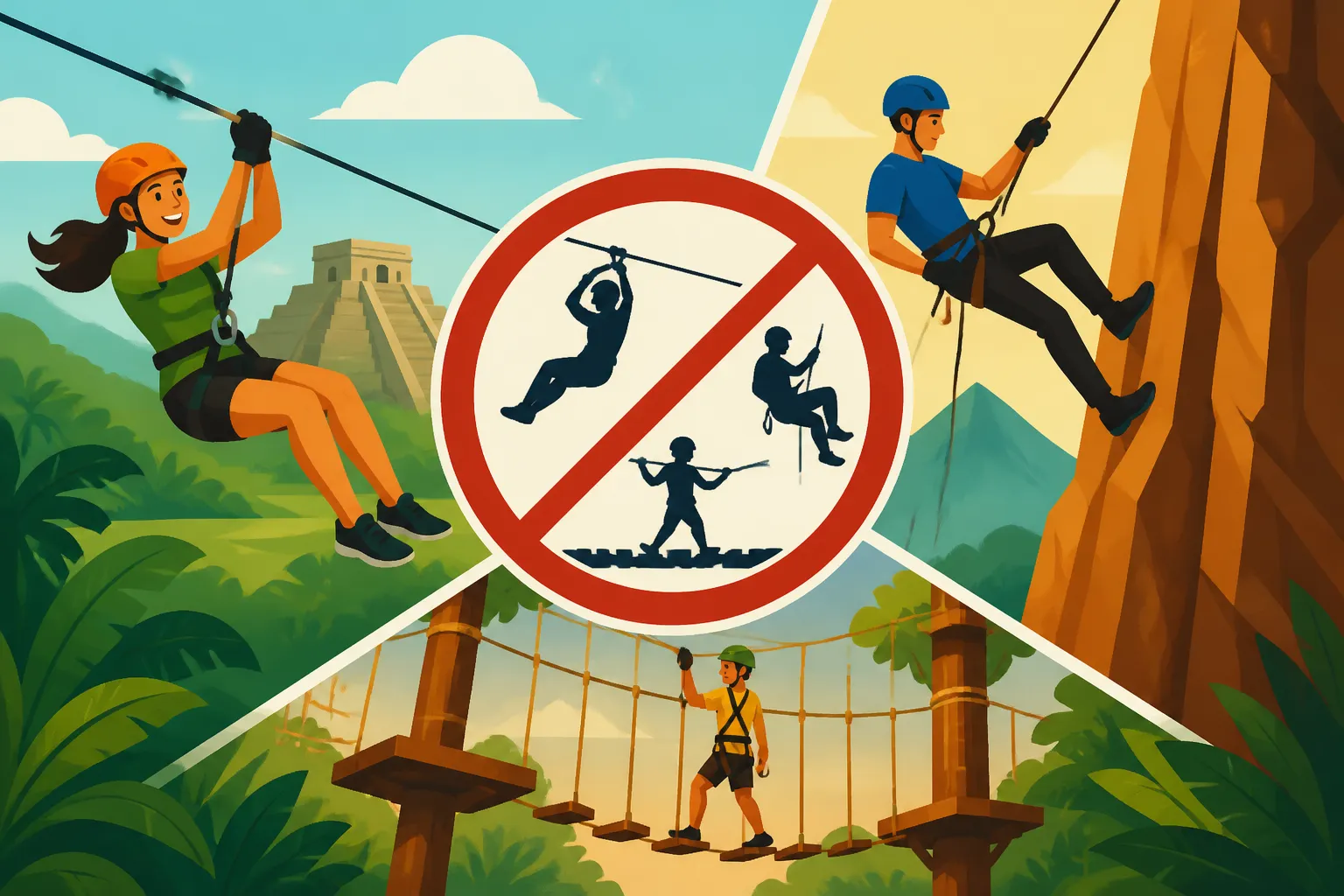
Let’s get specific. Many standard travel insurance policies, if they even cover any adventure sports, often draw a hard line at certain activities. Zip-lining and rappelling are frequently found on the "excluded activities" list for a few reasons. The potential for serious injury from a fall, equipment malfunction, or operator error is significant. Even seemingly "safe" activities, like ATV tours, can be excluded due to the risk of collisions or rollovers. Other commonly excluded activities often include:
- Scuba diving beyond a certain depth or without certification
- Bungee jumping
- Mountaineering or rock climbing (especially without ropes or above a certain altitude)
- White water rafting (above a certain class)
- Skydiving or paragliding
- Motorized sports (like dirt biking, quad biking, jet skiing)
This is precisely why you can't just rely on a generic policy. You need a travel medical insurance provider that understands the nuances of modern travel and the desire for adventure. This is where SafetyWing shines. Unlike many traditional insurers, SafetyWing's Nomad Insurance is designed with the expat and digital nomad lifestyle in mind, which often includes a healthy dose of adventure. They generally provide coverage for a wide range of non-professional hazardous sports, meaning that many of those exciting activities you've been eyeing in Mexico could very well be covered, giving you one less thing to worry about.
The Crucial Role of Reputable Providers
While your insurance policy is paramount, the quality of the adventure tour operator also plays a critical role. Many insurers will only cover activities conducted by licensed and reputable operators. This isn't just about insurance coverage; it's about your actual safety. Mexico has many fantastic, professional adventure companies, but like anywhere, there can be less scrupulous ones. Before you sign up for that heart-pounding zip line or a thrilling rappelling excursion, do your homework. Look for companies that:
- Are officially registered and licensed.
- Have clear safety protocols and well-maintained equipment.
- Employ certified guides and instructors.
- Have positive reviews from other travelers, especially those mentioning safety.
- Are transparent about their insurance coverage for participants (though remember, their liability insurance is for them, not a substitute for your personal travel medical insurance like SafetyWing).
Choosing a well-established park like Xplor or Xcaret, which adhere to international safety standards, significantly reduces your risk. They invest heavily in equipment, training, and emergency procedures. While no activity is entirely risk-free, opting for professionals helps ensure that if something does go wrong, you're in the best hands possible. Remember, even with the best insurance, you want to avoid needing it in the first place!
SafetyWing: Your Adventure Companion in Mexico
When you’re an expat or a digital nomad, your life isn't always predictable. You might be working remotely from a beach town one week and exploring a jungle the next. This dynamic lifestyle demands insurance that understands and adapts to your needs, not a rigid policy designed for a two-week cruise. That’s precisely why SafetyWing has become a go-to for so many of us living abroad, especially when it comes to activities that get your heart racing in Mexico.
How SafetyWing Handles Adventure Activities
This is where the rubber meets the road. Most traditional travel insurance policies are notorious for their lengthy lists of excluded "hazardous activities." It often feels like if it’s fun, it’s probably not covered. But SafetyWing operates differently. Their Nomad Insurance product is specifically crafted for individuals who are traveling or living abroad long-term, and they understand that adventure is often part of that journey.
SafetyWing generally covers a wide array of non-professional hazardous sports and activities, assuming they are undertaken with proper safety precautions and not as part of a professional competition. This means that activities like recreational zip-lining, rappelling, snorkeling, surfing, and even some forms of recreational diving (often with certain depth limits or requiring certification) are typically covered. For example, if you're taking a guided zip line tour through the canopy in Jalisco or rappelling into a cool cenote with a reputable tour operator in the Yucatán, you're likely covered under your SafetyWing policy. This is a massive relief for anyone looking to truly experience the adventurous side of Mexico without constantly second-guessing their insurance.
It's always a good practice to check the most current policy wording for specific details, but their general approach is to be far more inclusive than many other providers. This commitment to covering activities that are common for expats and travelers is a key differentiator and a huge advantage for adventurous souls in Mexico.
The Peace of Mind Factor
Imagine this: you're standing at the edge of a platform, looking out over a stunning Mexican landscape, about to embark on a thrilling zip line ride. With a standard policy, you might have that little voice of doubt in the back of your head, wondering if this specific activity is truly covered. That hesitation, that underlying stress, can actually detract from the experience itself.
With SafetyWing, that feeling is largely mitigated. Knowing that your policy is designed for your adventurous lifestyle and explicitly covers many of these "hazardous" activities means you can truly immerse yourself in the moment. You can enjoy the rush of the wind, the incredible views, and the sheer joy of the experience without the constant worry of potential financial disaster if something unforeseen were to happen. This "peace of mind factor" isn't just a marketing slogan; it's a real, tangible benefit that enhances your entire travel and expat experience. It allows you to say "yes!" to those spontaneous adventures that make living in Mexico so incredibly rewarding, knowing you're backed by a reliable safety net.
Beyond adventure activities, SafetyWing also offers comprehensive medical coverage for unexpected illnesses and accidents that aren't necessarily related to bungee jumping. If you find yourself needing to see a doctor for a bad case of traveler's diarrhea or a more serious infection, you'll be covered. For more detailed information on navigating Mexico's medical landscape, check out our guide on Healthcare in Mexico: Complete Guide for Expats (Public vs Private) or learn about your options for Health Insurance in Mexico: How Expats Can Get Coverage (2027). Having both adventure and general medical coverage under one easy-to-manage plan like SafetyWing simplifies your life significantly.
Beyond the Thrills: General Medical Coverage in Mexico
While we're focusing on adventure, it’s important to remember that SafetyWing provides overarching travel medical coverage that extends far beyond just hazardous activities. Living in Mexico, or traveling here extensively, means you’ll eventually encounter the need for general medical care, whether it's a routine check-up, an unexpected illness, or something more serious.
Your SafetyWing policy covers hospitalizations, doctor visits, prescription medications, and emergency dental care, all subject to your policy's terms. This means if you get food poisoning from that delicious street taco stand, or catch a nasty bug, you’re not left scrambling to pay out-of-pocket in a foreign currency. For expats, this is invaluable, as it serves as your primary medical safety net when you're far from home. It's a pragmatic choice for those who embrace the unpredictable nature of expat life. If you're wondering what to expect during a medical emergency in Mexico, our guide on Medical Emergencies in Mexico: What Expats Should Know and Prepare provides essential reading. Even just knowing how to effectively communicate at a local pharmacy or clinic, as discussed in Pharmacies in Mexico: How to Get Medications (OTC vs Prescription), is a huge help, and having SafetyWing cover the costs reduces a significant burden.
Navigating Adventure Parks and Operators in Mexico
Mexico is home to a fantastic range of adventure parks and tour operators, from massive, internationally recognized names to smaller, local outfits. While the thrill of the activity is the main draw, ensuring your safety and understanding the operator's practices are paramount. Even with robust insurance like SafetyWing, prevention is always better than cure.
Choosing Reputable Parks and Tour Operators
When you're ready to embrace Mexico's adventurous side, the first step is to pick wisely. There's a reason why parks like Xcaret, Xplor, and Grupo Xcaret's other offerings are so popular: they have a reputation for high safety standards, professional staff, and meticulously maintained equipment. These larger operations often adhere to international safety certifications and have clear emergency protocols in place. They represent a significant investment in your safety, which, while sometimes reflected in the price, is a trade-off worth making.
For smaller, independent operators, you'll need to do a bit more legwork. Don't be shy about asking questions and researching online. Check reviews on platforms like TripAdvisor or Google. Look for mentions of equipment quality, guide professionalism, and safety briefings. If an operator seems overly cheap, rushes through safety instructions, or has visibly old or poorly maintained gear, it's a huge red flag. Your safety, and subsequently your insurance claim's validity, can hinge on choosing a provider that prioritizes safety as much as the thrill. A quick search can often reveal a company's safety record and customer feedback, helping you make an informed decision. For broader safety advice while navigating Mexico, consider reviewing Staying Safe in Mexico: What Expats Need to Know About Staying Safe.
Asking the Right Questions Before You Go
Before you hand over your hard-earned pesos for an adventure experience, arm yourself with information. Don't be afraid to ask the tour operator direct questions. A reputable company will be happy to answer them thoroughly. Here are a few key questions:
- "What are your safety certifications and training standards for guides?" Look for nationally or internationally recognized certifications.
- "How often is your equipment inspected and replaced?" Equipment like harnesses, ropes, and zip line cables should be regularly maintained.
- "What are your emergency procedures in case of an accident?" They should have a clear plan for medical emergencies, including how they contact emergency services. For more on this, check out Calling an Ambulance in Mexico: How Emergency Services Operate.
- "Do you have liability insurance that covers participants?" While this isn't a substitute for your personal insurance, it shows they are a legitimate operation.
- "Are there any weight or health restrictions for this activity?" Be honest about your own physical condition and any pre-existing conditions.
Beyond the operator, take a moment to review your SafetyWing policy details before booking. While SafetyWing is broad in its coverage of adventure sports, specific activities might have nuances. If you have any doubt, their customer service is generally responsive and can clarify if a particular activity falls within your coverage. It’s better to be proactive than to find out you're not covered after the fact.
What to Do If an Accident Occurs
Despite all precautions, accidents can happen. If you or someone in your party experiences an injury during an adventure activity in Mexico, immediate action is crucial.
- Seek Immediate Medical Attention: Your priority is safety and health. The tour operator should have first aid staff or emergency procedures. Don't hesitate to use them.
- Contact Emergency Services: In Mexico, the general emergency number is 911. Be prepared to provide your location as accurately as possible, and explain the nature of the emergency. If you're in a remote area, the tour operator may need to facilitate this.
- Notify SafetyWing (or your insurer) ASAP: This is critical. Contact SafetyWing as soon as it's safe and practical to do so. They will guide you through the claims process, advise on which medical facilities to use, and help coordinate care. Keep their contact information readily available.
- Document Everything: Take photos of the accident scene (if appropriate and safe), your injuries, and any faulty equipment. Get contact information for witnesses and the tour operator staff. Obtain medical reports and receipts for all treatments. The more documentation you have, the smoother your claim process will be.
- Do Not Admit Fault or Sign Anything You Don't Understand: In the immediate aftermath, you might be asked to sign documents. If they are in Spanish and you don't fully understand them, ask for a translation or wait until you can have someone explain them to you.
Being prepared for the worst while hoping for the best is the expat mantra. Having SafetyWing means you have a partner in navigating the often confusing waters of medical emergencies abroad, allowing you to focus on recovery. Remember, for anything serious, immediately contacting your insurance provider is step one, right after securing immediate medical care.
Here’s a quick overview of some common adventure activities in Mexico and general insurance considerations:
| Activity | Typical Coverage by SafetyWing (Recreational) | General Risk Level | Operator Type to Seek |
|---|---|---|---|
| Zip-Lining | Usually Covered | Moderate-High | Licensed, high safety standards |
| Rappelling (guided) | Usually Covered | Moderate-High | Experienced, certified guides |
| ATV/Quad Biking (guided) | Usually Covered | Moderate-High | Reputable, well-maintained vehicles |
| Snorkeling/Basic Scuba (certs) | Usually Covered | Low-Moderate | PADI/SSI certified dive shops |
| Cave/Cenote Diving (advanced) | Often Covered (with certs, limits) | High | Specialized, experienced guides |
| White Water Rafting | Usually Covered (Class I-IV) | Moderate-High | Professional, certified guides |
| Horseback Riding (guided) | Usually Covered | Low-Moderate | Experienced, well-trained horses |
| Hiking/Trekking | Usually Covered | Low-Moderate | Guides for remote/challenging trails |
Note: This table provides general guidance. Always refer to your specific SafetyWing policy document for the most up-to-date and detailed coverage information, as terms can vary.
Disclaimer
The information provided in this guide is for general informational purposes only and does not constitute financial, legal, or medical advice. While we strive to provide accurate and up-to-date information, insurance policies and regulations can change. It is essential to consult with SafetyWing directly or review your specific policy documents for precise coverage details, exclusions, and terms related to your activities in Mexico. Always exercise caution and common sense when participating in adventure sports and choose reputable operators.