Hurricane Season Prep: Tips for Expats Living on the Coast
The sky turns a bruised, ominous purple, the humidity spikes until the air feels like a wet blanket, and suddenly the local Chedraui is out of canned tuna and batteries. My first season on the coast was a chaotic mess of last-minute plywood runs and realizing I didn't have enough drinking water. This guide provides a realistic, battle-tested plan to ensure you aren't caught off guard when the sirens eventually wail.
Disclosure: This post may contain affiliate links. We may earn a commission at no extra cost to you if you make a purchase through these links. Read full disclosure.
Understanding Hurricane Season in Mexico
Living on the coast means accepting a seasonal rhythm that dictates much of your annual planning. In Mexico, hurricane season officially runs from June 1st through November 30th. While the peak usually hits between August and October, storms can and do appear outside these windows. Whether you are Living in Cancún: Expat Life in a Tourist Paradise or enjoying the Pacific breeze while Living in Puerto Vallarta: Coastal Living Guide for Expats, the risks are different but the preparation is largely the same.
When and Where: Mapping the Risk
The Atlantic and Caribbean coasts, including the Riviera Maya and the Yucatan Peninsula, are historically more prone to frequent landfalls. These storms often gather strength in the warm Caribbean waters before slamming into the coastline. Conversely, the Pacific coast, affecting those Living in Los Cabos: Expat Life at Land's End, deals with storms that often veer out to sea but can occasionally take a sharp turn toward the coast, bringing massive rainfall and surge.
You need to understand the geography of your specific neighborhood. Is your home in a low-lying area prone to flooding, or are you on a hillside where mudslides are the primary concern? I’ve seen expats buy beautiful homes on "seasonal creeks" that become raging rivers after three hours of tropical downpour. Identifying these hyper-local risks is the first step in your seasonal strategy.
Deciphering the Alerts: The Color-Coded System
Mexico uses a very specific color-coded alert system called the SIAT-CT (Sistema de Alerta Temprana para Ciclones Tropicales). It is imperative that you learn these colors because local authorities will communicate via these stages on Facebook and radio. Blue is "Minimal Danger" (the storm is far away), Green is "Low Danger" (prepare your surroundings), Yellow is "Moderate Danger" (time to board up), Orange is "High Danger" (evacuation for high-risk areas), and Red is "Maximum Danger" (stay in your shelter, the storm is hitting).
In my experience, many foreigners wait until the Orange alert to start looking for supplies. By then, the lines are hours long and the hardware stores are picked clean. Start your "Yellow Alert" chores—like checking your generator and clearing your drains—while the sun is still shining. This proactive approach is a cornerstone of Safety in Mexico: What Expats Need to Know About Staying Safe.
Structural Preparation: Making Your Home Storm-Ready
Your home is your primary fortress, but in Mexico, construction styles vary wildly. Most coastal homes are built with concrete and rebar, which is excellent for wind resistance but can be a nightmare for heat and humidity trapped inside during a power outage. Preparing the structure isn't just about the day of the storm; it’s about ensuring the house remains livable in the aftermath.
Protecting Windows and Openings
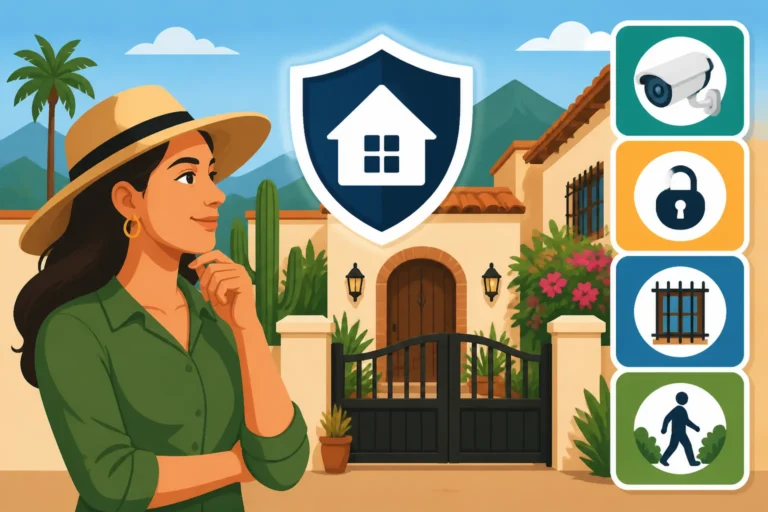
The most common point of failure in a hurricane is the glass. Once a window breaks, the internal pressure of the house changes, which can actually lead to the roof being lifted or severe internal structural damage. Many long-term expats invest in anticiclónicas (hurricane shutters). These come in several forms: roll-down aluminum shutters, "accordion" styles, or high-impact fabric screens.
If you don't have shutters, you need a plywood plan. I recommend pre-cutting your plywood "curtains" at the start of the season. Label each piece (e.g., "Master Bedroom Left") and pre-drill the holes into your concrete walls using Tapcon screws or similar anchors. Do not rely on the "X" of duct tape on your glass; it does absolutely nothing to stop a flying palm frond from shattering your window. You can find heavy-duty hardware and even power tools on Amazon Mexico to get this job done before the rain starts.
Securing the Exterior and Outdoor Living Spaces
Mexican coastal living is all about the "terraza," but during a storm, your patio furniture becomes a collection of unguided missiles. I once saw a heavy wrought-iron chair fly through a neighbor's sliding door like it was made of paper. Your prep list must include a plan for every single plant pot, decorative statue, and piece of furniture.
Check your roof for loose tiles or debris. In Mexico, we often have "tinacos" (water tanks) and gas cylinders on the roof. Ensure your tinaco lid is strapped down tight; a flying lid is a common cause of neighborhood damage. If you have a swimming pool, do not drain it. The weight of the water keeps the pool from popping out of the ground if the water table rises, and it provides a great source of "gray water" for flushing toilets if the city supply is cut off.
The Ultimate Hurricane Survival Kit for Expats
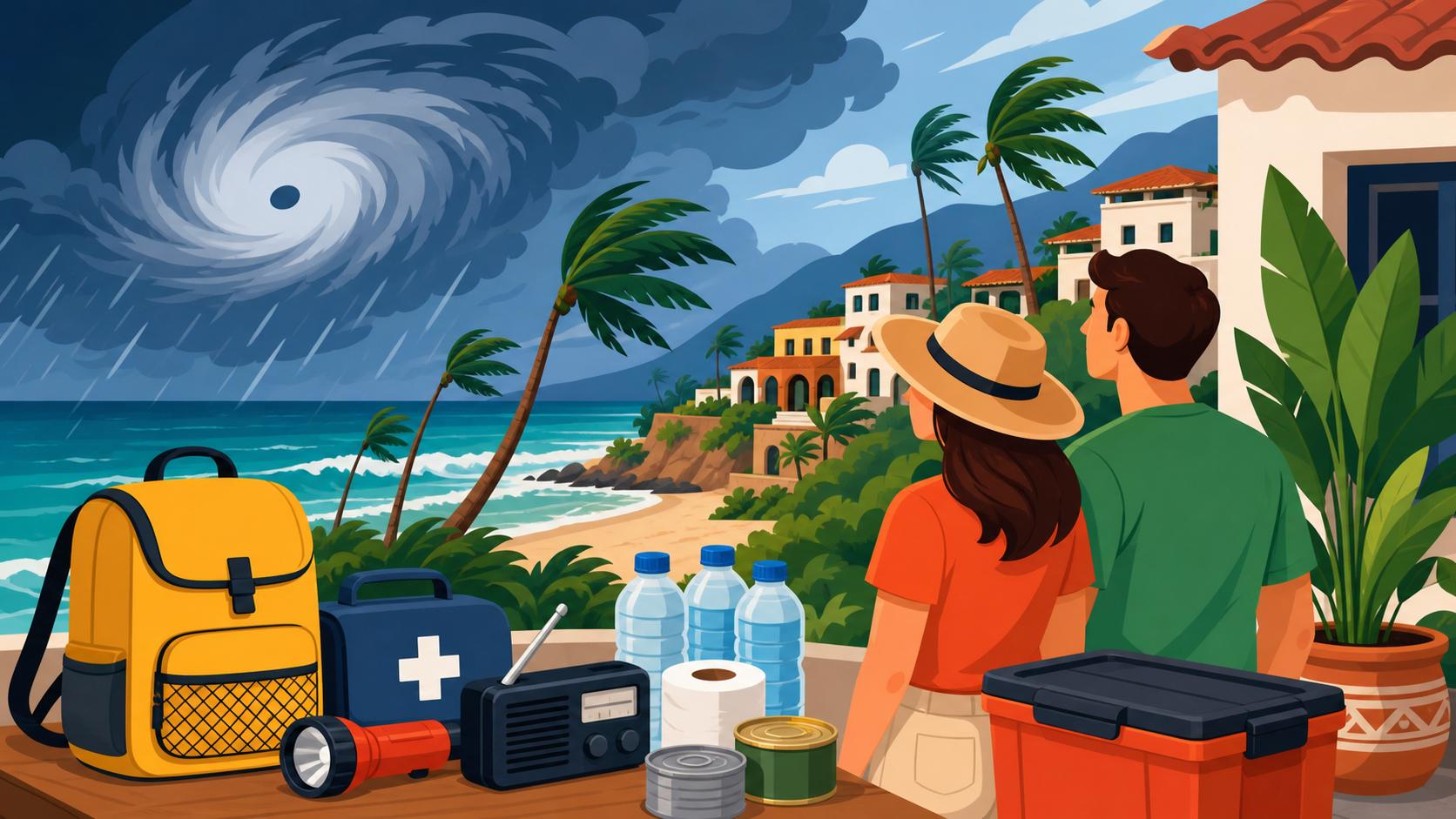
When the power goes out, it’s not just for an hour. In major storms, you could be without electricity or running water for days, if not weeks. Your kit needs to be comprehensive and stored in a waterproof container, ideally somewhere high up in your house.
Food, Water, and Sanitation Supplies
The standard rule is one gallon of water per person per day for at least seven days. Don't forget your pets! For food, focus on "no-cook" items. If you have a gas stove, you might still be able to cook, but if the lines are damaged or you use an electric induction cooktop, you’ll be eating cold beans. Stock up on canned proteins, nuts, and dried fruit.
Sanitation is where most people fail. If the city water pumps go down, your taps will run dry. Fill your bathtubs and extra buckets with water before the storm hits to use for "bucket flushing" the toilets. Have plenty of wet wipes, hand sanitizer, and heavy-duty trash bags. Staying Healthy in Mexico: Essential Tips for Food, Water, and Preventive Care is much harder when you can't wash your hands for three days.
| Item Category | Essential Supplies | Why It Matters |
|---|---|---|
| Water | 4 Liters per person/day | Dehydration is a major risk post-storm |
| Power | Portable Power Bank / Solar Charger | Keeping phones alive for emergency alerts |
| Lighting | LED Lanterns / Headlamps | Hands-free movement in the dark |
| Cooking | Manual Can Opener / Small Butane Stove | Electric stoves will not work |
| First Aid | Prescription Meds / Antiseptics | Minor cuts can infect quickly in humidity |
| Cash | Small Peso Denominations | Credit card machines will be offline |
Connectivity and Staying Informed
Your smartphone is your lifeline, but only if it has a signal. During major hurricanes, local towers for Telcel or Movistar can be damaged or overwhelmed. This is where having a backup is vital. If you are traveling or recently arrived, using an eSim from Airalo can sometimes allow you to jump between different network providers that might still be standing.
Keep a battery-operated radio tuned to local stations. Even if the internet goes down, the radio often stays up. If you are a digital nomad staying at a place like Selina, check their emergency protocols; many of these hubs have industrial-grade generators and satellite internet (like Starlink) that might stay active when the rest of the block goes dark. Ensure you have downloaded offline maps of your area and saved the Emergency Numbers in Mexico: How to Call Police, Fire, or Ambulance into your contacts.
Financial and Administrative Safeguards
The storm itself is only half the battle; the administrative cleanup can be just as taxing. I’ve seen people lose their residency cards or home titles to floodwater because they were kept in a bedside drawer. You must treat your documents with the same level of protection as your physical safety.
Insurance and Documentation
Does your policy cover "wind-driven rain"? Many people assume they are covered for a hurricane only to find out their policy has a massive deductible for "Phenomena Hydrometeorological." Review your Insurance in Mexico 101: Guide to Car, Home, and Life Insurance for Expats well before June. Take "before" photos and videos of every room in your house, the roof, and your car to prove the condition of your assets prior to the storm.
Gather your FMM, residency cards, passports, and property deeds. Place them in a high-quality "dry bag" or a Ziploc inside a plastic tupperware container. I also recommend keeping a digital copy of everything in an encrypted cloud drive. If you have to evacuate, these documents are the first things you grab.
Evacuation Planning and Local Coordination
If you live on the beach, you must have a "Go Bag" and a predetermined destination inland. Do not assume you can "ride it out" in a beachfront condo. The storm surge—the wall of water pushed inland by the wind—is the deadliest part of a hurricane. Identify the nearest official shelter, but better yet, make a deal with a friend who lives further inland or book a hotel in a city like Mérida or Guadalajara if the forecast looks truly catastrophic.
Check in with your local expat Facebook groups or neighborhood associations. They often have the most up-to-date info on which gas stations still have fuel or which grocery stores are receiving shipments. Coordination is key to surviving the week after the storm when resources are scarce.
Post-Storm Recovery and Cleanup
Once the wind stops, the temptation is to run outside and check the damage. Resist this. Power lines are often down in standing water, and weakened trees or structures can collapse hours after the eye has passed. Wait for the official "All Clear" from the authorities before beginning your assessment.
Dealing with Utilities and Repairs
The first thing to check is your electrical system. If your house is flooded, do not turn on the main breaker. You need a qualified electrician to ensure the lines aren't shorted. If you have standing water inside, wear rubber boots. The risk of leptospirosis or other water-borne illnesses is high in the tropical heat.
Document all damage immediately for insurance purposes. Take photos of the debris, the water lines on the walls, and any broken fixtures. If you need to hire help for the cleanup, be aware that prices for labor and materials like glass and plywood often spike after a storm. It’s part of the reason Best Places to Live in Mexico for Expats (2027 Edition) lists community resilience as a key factor—having a neighborhood that helps each other clear trees can save you thousands of pesos.
Community Support and Mental Health
Hurricane recovery is exhausting. The heat is relentless without A/C, and the constant sound of chainsaws and generators can wear you down. Reach out to your community. Sharing a meal or a cold (if you're lucky) drink with neighbors can do wonders for your morale.
If your home is unlivable, consider moving temporarily to a more stable environment. Brands like Selina often offer "community rates" for those displaced by natural disasters, providing a place to work and sleep while your home is being repaired. Remember, the goal of Living in Mexico: Cultural and Practical Guide for New Expats is to thrive, and that includes knowing when to ask for help during the tough times.
Disclaimer
This guide is intended for informational purposes only and does not constitute professional legal, structural, or safety advice. Hurricane conditions are unpredictable and can be life-threatening. Always follow the direct orders and evacuation notices of Mexican civil protection authorities (Protección Civil). The author and publisher are not responsible for any injury, loss, or damage resulting from the use of this information.