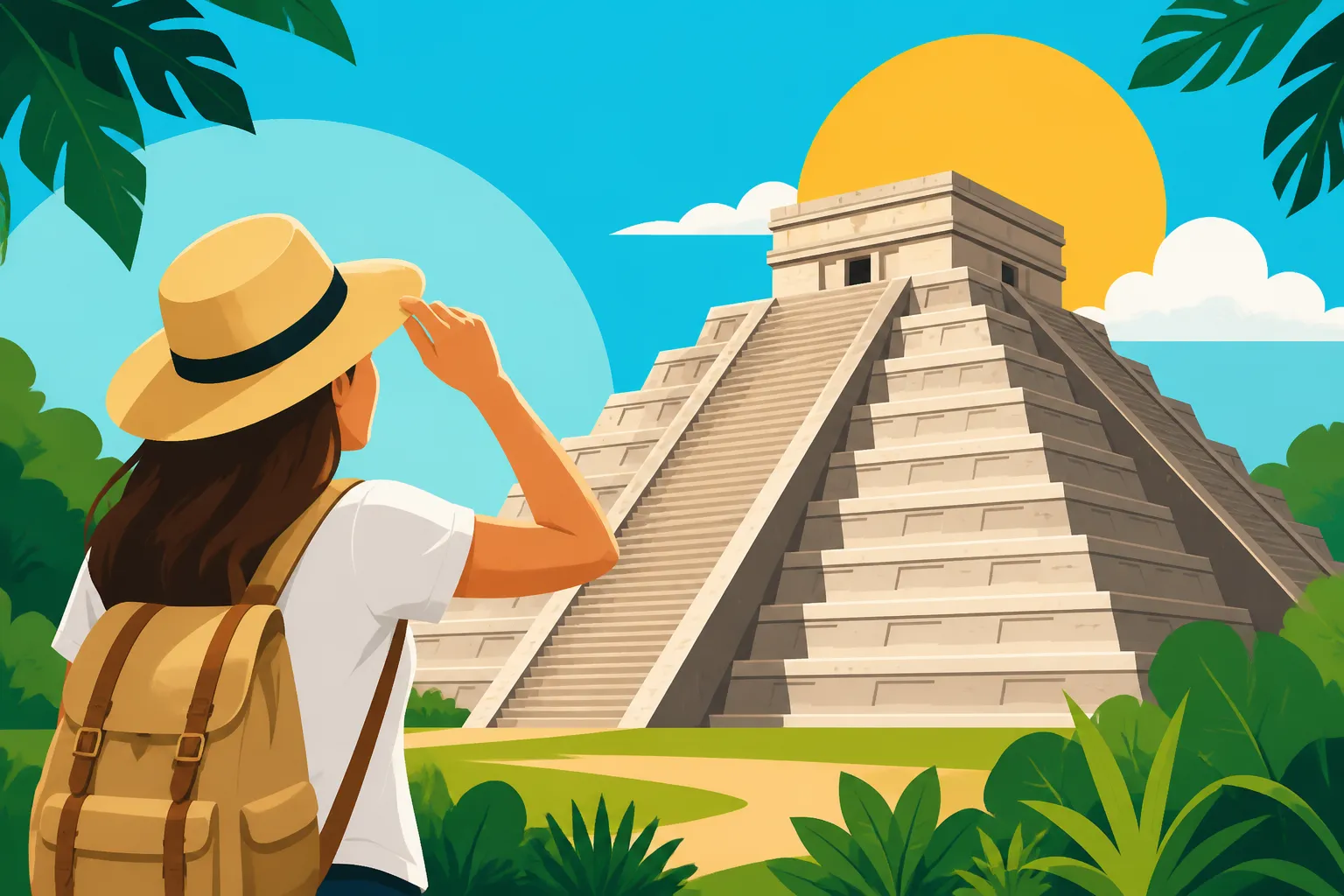
How to Visit Chichén Itzá as a Visitor
Most visitors arrive at Chichén Itzá during the sweltering heat of midday, only to be overwhelmed by aggressive vendors and massive tour groups that obscure the majesty of the ruins. This guide solves those frustrations by providing an insider’s blueprint on timing, logistics, and hidden spots, ensuring your visit is a profound cultural experience rather than a stressful tourist trap.
Disclosure: This post may contain affiliate links. We may earn a commission at no extra cost to you if you make a purchase through these links. Read full disclosure.
Planning Your Journey to the Ruins
Deciding where to stay and how to get to the site is the first major hurdle for any visitor. Many people make the mistake of staying in a large resort in Cancún or Playa del Carmen and attempting a grueling day trip. While it is doable, the three-hour drive each way often leaves you exhausted before you even step foot near the Great Ball Court. I always tell my friends that if they want to truly feel the energy of the Yucatán, they should look closer to the source.
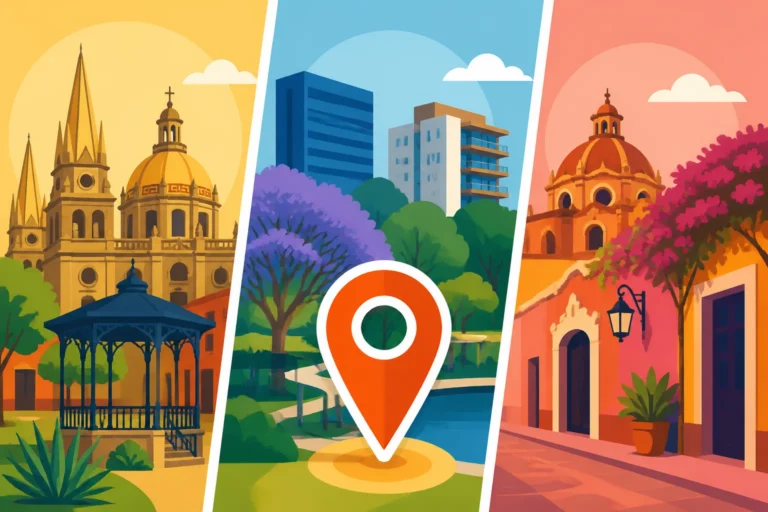
Choosing the Right Base: Mérida, Valladolid, or the Coast
Staying in Valladolid is arguably the smartest move any traveler can make when visiting Chichén Itzá. This charming colonial town is only about 45 minutes away from the site, allowing you to be the very first person in line at 8:00 AM. Using platforms like Booking.com to find a boutique hotel in the center of Valladolid not only saves you travel time but also immerses you in a more authentic side of Mexico. You can explore the local markets, eat traditional longaniza, and avoid the inflated prices of the coastal resorts.
If you prefer a larger city vibe, Mérida is an excellent alternative. It offers a wealth of culture and acts as a gateway to the entire Maya world. While it is further than Valladolid, the drive is straightforward and scenic. You might want to check out our guide on Mérida City Guide: Colonial Charm in the Yucatán to see if the city’s vibe matches your travel style. Regardless of where you stay, the goal is to minimize the morning commute so you aren't fighting for space with the tour buses arriving from the Riviera Maya.
For those who simply cannot leave the beach, staying in Playa del Carmen or Tulum is still an option, but you must be prepared for an early start. Leaving at 5:00 AM sounds painful, but watching the sunrise over the jungle as you drive toward the ruins is a memory you won't soon forget. It is also a good idea to research Best Day Trips From Cancún and the Riviera Maya to see how you can bundle a visit to the ruins with other nearby attractions like cenotes or colonial towns.
Transportation Options: ADO, Rental Cars, and Tours
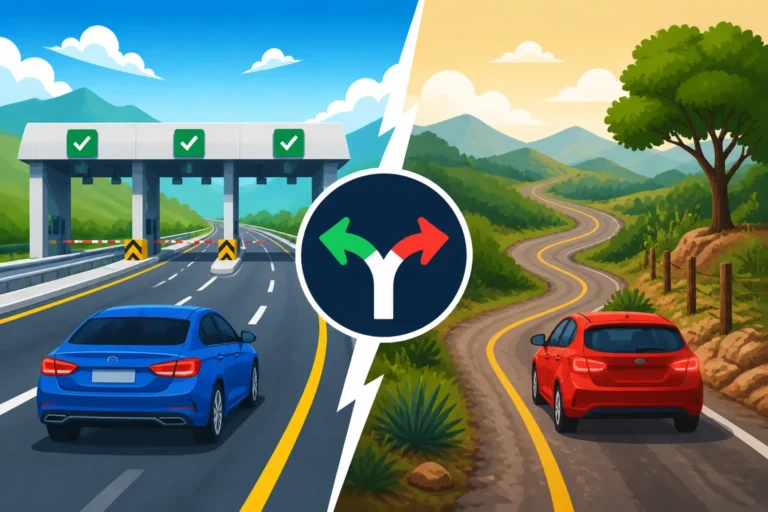
The most flexible way to visit is undoubtedly by renting a car. Having your own wheels means you control the schedule. You can leave when you want, stay as long as you like, and stop at that roadside taco stand that looks particularly tempting. Driving in the Yucatán is generally safe and the roads are well-maintained, though you should always be mindful of "topes" (speed bumps) that appear out of nowhere. If you're nervous about the logistics, our article on How to Rent a Car in Mexico Without Overpaying for Insurance is essential reading to avoid the common pitfalls at the rental desk.
If you prefer not to drive, the ADO bus system is a godsend. These are first-class, air-conditioned buses that are incredibly reliable. You can easily find schedules and book your seat in advance through Busbud, which simplifies the process for those who aren't fluent in Spanish yet. The bus drops you off right at the entrance of the site. It’s a comfortable, low-stress way to travel, and it’s much cheaper than a private taxi. For more details on the logistics of the bus system, take a look at How to Buy ADO Bus Tickets in Mexico.
Finally, there is the organized tour option. This is the "set it and forget it" method. Sites like Viator offer a wide range of packages that include transportation, a guide, and often a stop at a cenote for a post-tour swim. This is ideal if you don't want to navigate the highways yourself or deal with the separate entry fees manually. However, keep in mind that you will be on someone else's timeline, and you likely won't arrive at the ruins until the peak heat and crowds have already descended.
When to Visit: Seasonality and the Equinox Factor
Timing is everything in the Yucatán. The region has two main seasons: the dry season and the rainy season. From November to April, the weather is relatively pleasant, though it can still get quite hot in the afternoons. This is also peak tourist season, so expect larger crowds. If you visit during the summer months, be prepared for intense humidity and the occasional afternoon downpour. While the rain can be refreshing, it makes exploring the unshaded ruins a bit of a challenge.
The Spring and Autumn Equinoxes are the most famous times to visit, but I often caution casual visitors against it. During these dates, the sun creates a shadow on the El Castillo pyramid that looks like a serpent slithering down the steps. It is a mathematical and architectural marvel, but it attracts tens of thousands of people. The site becomes incredibly crowded, and the heat can be dangerous. Unless you are a die-hard archaeology enthusiast, you might find the experience more frustrating than spiritual.
If you can, try to visit on a weekday. Sundays are free for Mexican citizens and residents, which is a wonderful policy for locals but results in much higher foot traffic. If you are an expat living here, you might already know this from our guide on How to Plan a Yucatán Road Trip. Aim for a Tuesday or Wednesday morning to have the most peaceful experience possible.
Navigating the Entrance and Logistics
Once you actually arrive at the site, there is a second set of hurdles to clear: the tickets, the vendors, and the heat. Many people are surprised to find that the entry process isn't as simple as a single ticket window. It can feel like a bureaucratic maze if you aren't prepared for the "two-payment" system that is standard at many major Mexican archaeological sites.
Understanding the Two-Part Fee and Ticket System
When you reach the ticket windows, you will notice that you have to pay two separate fees. This is the most common point of confusion for tourists. One fee goes to the federal government (INAH), and the other goes to the state government (Cultur). You will receive two different tickets, and you must keep both of them with you. In total, the cost for a foreign visitor is significantly higher than for locals, which is a common practice in Mexico to keep these sites accessible to the domestic population.
Payment methods can also be a bit finicky. While credit cards are increasingly accepted, the machines often go down, or one window might only accept cash. I always recommend carrying enough pesos to cover the entire entrance fee for your group. It prevents the headache of having to hunt for an ATM (which often has exorbitant fees) in the middle of the jungle. If you're curious about how to manage your travel budget, you might find our article on Cash vs Card in Mexico: What Visitors Should Know very helpful.
Also, be aware of the "extra" fees. If you want to bring in a professional video camera or a tripod, you will have to pay an additional permit fee. Standard smartphones and small digital cameras are usually exempt, but the rules can be interpreted differently by different guards. It’s best to travel light. Leave the heavy equipment at home unless you are a professional with the proper documentation.
Beating the Crowds and the Midday Sun
I cannot emphasize this enough: get there early. The gates open at 8:00 AM, and you should be standing in line by 7:45 AM. The first two hours at Chichén Itzá are magical. The air is still relatively cool, the light is soft for photos, and you can actually hear the birds in the surrounding jungle. By 10:30 AM, the first tour buses from Cancún arrive, and the site transforms into a sea of umbrellas and selfie sticks.
The sun in the Yucatán is no joke. The ruins are largely out in the open with very little shade. If you are there between noon and 3:00 PM, you are at risk of heatstroke. I’ve seen many visitors ruin their vacation by not respecting the tropical sun. Make sure you read our advice on Heat Stroke and Sunburn: Preventative Care in Mexico’s Hot Climate before your trip. Getting in early doesn't just help with the crowds; it literally protects your health.
If you do find yourself there during the heat of the day, seek out the edges of the plazas where the trees provide some relief. There are also small stalls selling water and sports drinks, but they are expensive inside the site. It is much better to bring a large, insulated water bottle with you. Just remember that you cannot bring food into the ruins to help preserve the site and keep the local wildlife from becoming pests.
Hiring a Guide vs. Going Solo
When you enter, you will be approached by dozens of licensed guides offering their services. They are easy to spot in their official uniforms and credentials. Hiring a guide can significantly enhance your understanding of the Maya cosmos. They can explain the complex calendar system, point out carvings you would otherwise miss, and demonstrate the incredible acoustics of the Ball Court.
If you decide to hire one, make sure to agree on the price and the duration of the tour beforehand. Most guides offer tours in English, Spanish, French, and German. If your Spanish is a work in progress, this is a great time to use some of those phrases you've been practicing. For a refresher, check out Mexican Spanish: Slang and Expressions for Visitors. A good guide will bring the gray stones to life with stories of sacrifice, astronomy, and daily Maya life.
On the other hand, if you prefer a solitary experience, you can certainly go solo. There are information plaques at each major structure in Spanish, English, and Maya. Many people prefer to download an audio guide or bring a detailed guidebook. This allows you to linger at the structures that interest you most and skip the parts that don't. Just be aware that without a guide, it’s easy to miss the "hidden" details, like the specific alignment of the windows in the Observatory.
Exploring the Main Structures
Chichén Itzá was a massive city, and the archaeological zone covers a significant area. While most people flock to the main pyramid, there are several other structures that are arguably just as impressive and offer a deeper look into the Toltec-Maya fusion that defines this site.
El Castillo (The Temple of Kukulcán)
The iconic pyramid, known as El Castillo, is the center of the city. It was built as a physical representation of the Maya calendar. Each of the four sides has 91 steps, which, combined with the top platform, equals the 365 days of the solar year. It is an engineering masterpiece that continues to baffle modern architects. Unfortunately, you can no longer climb the pyramid. This rule was implemented years ago to prevent further erosion and to ensure the safety of visitors after several accidents.
Even from the ground, the pyramid is awe-inspiring. If you stand at the base of the northern staircase and clap your hands, the echo sounds remarkably like the chirp of the Quetzal bird, a sacred animal to the Maya. This wasn't an accident; the Maya architects designed the stone surfaces to manipulate sound. Watching a guide demonstrate this for a group is one of the highlights of the visit.
Take time to walk all the way around the base. You will notice the massive feathered serpent heads at the bottom of the stairs. During the equinox, the shadow "body" connects to these heads. It’s a powerful reminder of how integrated the Maya were with the movements of the stars and the seasons. It makes you realize why people are so passionate about Ancient Ruins, History, and Archaeology in Mexico.
The Great Ball Court and the Tzompantli
To the northwest of the pyramid lies the Great Ball Court, the largest of its kind in Mesoamerica. The scale of the court is staggering. The stone rings are set high on the walls, and the carvings along the benches depict the players and the eventual sacrifice of the captain. There is still much debate among historians about whether the winner or the loser was sacrificed, but the carvings make it clear that the stakes were incredibly high.
The acoustics here are even more impressive than at the pyramid. A whisper at one end can be heard clearly at the other, 150 meters away. It served as a massive amphitheater for the city’s elite. Just outside the court is the Tzompantli, or the Platform of the Skulls. This structure is covered in carvings of human skulls, representing the heads of sacrificed prisoners or ball players. It’s a sobering look at the darker side of Maya ritual life.
While these structures are fascinating, they are also where the crowds tend to cluster. If you find yourself getting overwhelmed by the sheer number of people, take a break and move toward the "Old Chichén" section. It’s a bit of a walk, but the structures there are older and often much quieter. For more on navigating these types of sites, see How to Avoid the Crowds at Mexico's Top Sights.
The Sacred Cenote and the Temple of the Warriors
A long, straight sacbe (ancient white road) leads from the main plaza to the Cenote Sagrado (Sacred Cenote). Unlike the cenotes you might swim in elsewhere in the Yucatán, this one was used strictly for ritual purposes. Archaeologists have dredged the bottom and found gold, jade, pottery, and human remains. The Maya believed the cenote was a portal to Xibalba, the underworld, and made offerings to the rain god Chaac.
The Temple of the Warriors is another massive structure located near the main pyramid. It is surrounded by the Group of the Thousand Columns, which likely supported a vast roof once used as a marketplace or administrative center. The carvings here are incredibly detailed, showing warriors in full battle dress. At the top of the temple sits a Chac Mool statue, a reclining figure used for holding offerings.
Exploring these outer areas gives you a sense of Chichén Itzá as a living city rather than just a collection of temples. You can imagine the thousands of people who once traded, lived, and prayed in these plazas. If you are planning to visit other cenotes in the area for a swim afterward, make sure to check Cenotes in Mexico: What They Are and Where to Swim for the best recommendations.
Essential Survival Tips for the Day
A successful trip to Chichén Itzá requires more than just a ticket; it requires a survival strategy. Between the heat and the persistent vendors, you need to be mentally and physically prepared to enjoy your day.
What to Pack: From Sun Protection to Hydration
Your packing list should start and end with sun protection. A wide-brimmed hat is non-negotiable. Baseball caps are okay, but they don't protect your neck and ears. High-SPF sunscreen is also essential, and you should reapply it every two hours. I also recommend wearing lightweight, breathable clothing. Linen or moisture-wicking fabrics are your best friends here. Avoid dark colors, which absorb the heat.
Hydration is the other critical factor. You should drink more water than you think you need. Since Is Tap Water Safe to Drink in Mexico? is a resounding "no" for travelers, make sure you buy several large bottles of purified water before you arrive at the site. You can carry them in a small backpack. Electrolyte powders are also a great addition to your water to help replace what you lose through sweat.
Footwear is another area where people stumble—literally. The ground at the site is uneven, made of grass, dirt, and loose stones. Sandals might seem like a good idea for the heat, but sturdy walking shoes or sneakers provide the support you need for a three-hour trek. You don't want a twisted ankle to be your main souvenir from the trip.
Dealing with On-Site Vendors and Haggling
One of the biggest complaints from visitors is the number of vendors inside the archaeological zone. They line the paths, selling everything from wooden masks to "leopard" sound makers. The constant noise of the leopard whistles can be a bit jarring. My best advice is to remain polite but firm. A simple "No, gracias" with a smile is usually enough to keep moving.
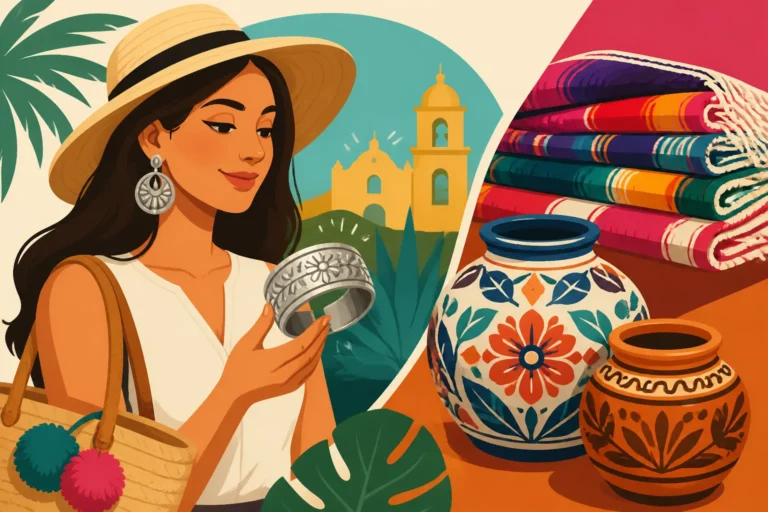
If you do decide to buy something, remember that haggling is expected. The first price mentioned is almost always significantly higher than what the vendor is willing to accept. It's a bit of a game, so don't take it too seriously. If you aren't sure how to handle these interactions, read our guide on How to Bargain at a Mexican Market Politely. It’s often better to buy crafts in the nearby towns of Valladolid or Pisté, where the quality is higher and the pressure is lower.
Keep in mind that some of the "obsidian" or "silver" sold inside the site is actually glass or silver-plated plastic. If you are looking for authentic high-quality souvenirs, you are better off visiting a dedicated workshop or a reputable gallery in a larger city. For more tips on what to look for, see Mexican Crafts (Artesanías): What to Buy and Where.
Post-Visit Cooling Down: Nearby Cenotes and Dining
After spending hours under the sun, there is nothing better than a dip in a cenote. Cenote Ik Kil is the most famous one nearby, and it is stunningly beautiful with vines hanging down into the water. However, it is also very crowded. If you want a more peaceful experience, look for Cenote Oxman near Valladolid or Cenote Yokdzonot. These offer the same refreshing water with a fraction of the tourists.
For food, you will find plenty of buffets near the site entrance that cater to the tour bus crowds. They are convenient but often overpriced and mediocre. If you have a car, I highly recommend driving to the town of Pisté or back to Valladolid. You can find incredible Yucatecan cuisine like Cochinita Pibil or Sopa de Lima for much better prices. Check out How to Find Authentic Restaurants in Mexico (Not Tourist Traps) for tips on spotting the best local spots.
Finally, give yourself some grace after the visit. It’s an exhausting day. Don't try to cram too much else into your itinerary. Head back to your hotel, take a siesta, and enjoy a cold cerveza or an agua fresca. You've earned it after exploring one of the wonders of the world.
Comparing Travel Methods
To help you decide how to structure your day, here is a breakdown of the most common ways to reach Chichén Itzá.
| Method | Best For | Flexibility | Estimated Cost (USD) |
|---|---|---|---|
| Rental Car | Independent travelers and families | High – control your own schedule | $40 – $80 (plus gas/tolls) |
| ADO Bus | Budget-conscious and solo travelers | Medium – fixed departure times | $15 – $30 |
| Organized Tour | Convenience seekers and first-timers | Low – fixed itinerary | $60 – $150 per person |
| Private Driver | Groups and luxury seekers | High – customizable and comfy | $150 – $250 |
Disclaimer
The information provided in this guide is based on personal experience and current travel regulations as of 2026. While we strive for accuracy, site fees, opening hours, and transportation schedules in Mexico can change without notice. Always verify local details and safety conditions before your departure. This guide is for informational purposes only and does not constitute legal or professional travel advice.