Lesser-Known Archaeological Sites in Mexico
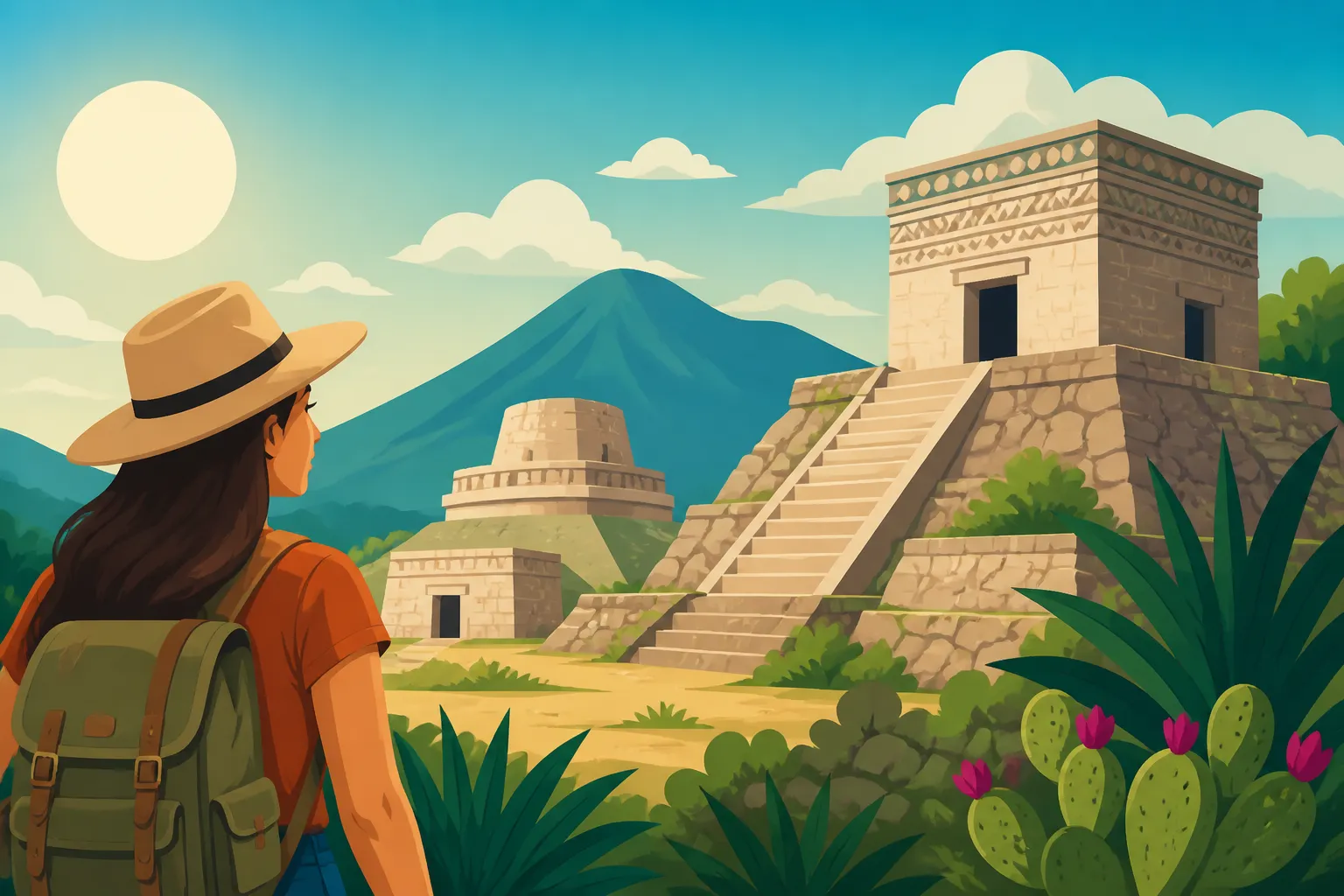
Most travelers in Mexico eventually grow tired of the sweltering crowds at Chichén Itzá or the "Disney-fied" feeling of Tulum. You want that Indiana Jones moment—where it’s just you, a crumbling temple, and the sound of the jungle—but navigating rural backroads and language barriers can be intimidating. This guide reveals Mexico’s best-kept archaeological secrets and how to reach them safely.
Disclosure: This post may contain affiliate links. We may earn a commission at no extra cost to you if you make a purchase through these links. Read full disclosure.
Beyond Chichén Itzá: Why Search for Hidden Gems
When you first move to Mexico or visit as a seasoned traveler, you realize very quickly that the "Big Three" sites—Chichén Itzá, Teotihuacán, and Tulum—are often more about managing crowds than experiencing history. Standing in a line of five hundred people to see a pyramid can feel a lot like waiting for a ride at a theme park. For those of us who have lived here a while, the real magic of Mexico’s history is found in the silence of the lesser-visited ruins. These sites offer a visceral connection to the past that is simply impossible to find when you're being beckoned by souvenir vendors every five feet.
Avoiding the Crowds and Selfie Sticks
If you have ever been to the more famous sites, you know the routine: you arrive at 8:00 AM to beat the buses, only to find three hundred other people had the same idea. By 10:00 AM, the heat is rising, and the noise of hundreds of "jaguar whistles" being sold by vendors fills the air. It is exhausting. Lesser-known sites offer a reprieve from this commercialism. At a place like Mayapán or Kohunlich, you might be one of only ten people on the entire grounds. This allows for a level of reflection and photography that you just won't get elsewhere. You can actually hear the birds, watch the iguanas, and feel the breeze through the ancient stones without a selfie stick in your peripheral vision. If you still want to see the heavy hitters, I always recommend checking out How to Visit Chichén Itzá Without the Crowds for specific timing strategies, but for a true escape, you have to go deeper.
Connecting with Authenticity
There is something deeply grounding about visiting a site that isn't fully "manicured" for mass tourism. Many lesser-known sites are still undergoing active excavation or are surrounded by dense, unclipped jungle. This provides a much more realistic perspective of how these cities were rediscovered. You aren't walking on paved paths; you're walking on forest floors and climbing steep, rugged stairs that haven't been smoothed over by millions of footsteps. As an expat, these are the moments that remind you why you moved to Mexico in the first place—the sense of wonder and the layer-upon-layer of history that exists right beneath the surface of modern life.
Hidden Wonders of the Yucatán Peninsula
The Yucatán is famous for its flat limestone landscape and its proximity to the Caribbean, but most tourists never leave the coastal strip. If you’re willing to drive just two hours inland, the landscape transforms into a treasure trove of Mayan history. While everyone is heading to the coast, you can find incredible architecture and world-class art hidden in the scrub forest.
Ek’ Balam: The Black Jaguar’s Roar
Located just north of the charming town of Valladolid, Ek’ Balam is a site that feels like a secret, even though it’s gaining popularity. The highlight here is the Acropolis, which features some of the best-preserved Mayan stucco work in the world. Unlike the stone carvings at other sites, the "Angels of Ek’ Balam" are intricate, 3D sculptures that look as if they were made yesterday. They depict winged warriors and the gaping mouth of a jaguar, serving as a portal to the underworld.
The climb is steep, and there are no handrails, so you’ll want to make sure you’ve updated your Building a First Aid Kit: Essential Medical Supplies for Expats in Mexico before you go, just in case of a scraped knee. From the top, you can see across the jungle canopy for miles, often spotting the distant silhouettes of other unexcavated mounds. If you are staying in the area, check out How to Visit Valladolid in the Yucatán to turn your trip into a full weekend adventure.
Mayapán: The Last Great Capital
Often referred to as the "Mini Chichén Itzá," Mayapán was the political and cultural capital of the Maya in the Yucatán Peninsula for several centuries after Chichén Itzá declined. The central pyramid is almost a direct replica of El Castillo, but here’s the kicker: you can still climb it. Because Mayapán doesn't see the massive foot traffic of its larger cousin, the authorities still allow visitors to ascend the structures.
It is located only about 45 minutes from Mérida, making it an easy day trip for those living in the city. To get there, you can use Busbud to find regional connections or simply rent a car for the day. For more on the capital city, read our Mérida City Guide: Colonial Charm in the Yucatán. The site is also famous for its circular observatory and detailed murals that are tucked away in smaller temples. It is a fantastic place for a picnic, as the grounds are lush and the atmosphere is incredibly peaceful.
Kohunlich: The City of Masks
Deep in the southern part of Quintana Roo, near the border with Belize, lies Kohunlich. This site is famous for its Temple of the Masques, which features giant, eight-foot-tall stucco masks representing the Sun God. These masks are flanked by beautiful, towering palm trees that give the entire site a tropical, oasis-like feel.
Kohunlich is quite spread out, so expect to do a lot of walking. It is a great example of how the Maya integrated their urban planning with the natural topography. Because it is so far from the major resort zones, you will likely have the masks all to yourself. If you are planning to head this far south, using Booking.com to find a small eco-resort in the nearby town of Xpujil is a smart move, as it allows you to hit Kohunlich and several other nearby "Chenes-style" sites in one trip.
Central Mexico’s Secrets: Beyond Teotihuacán
While the pyramids of the Sun and Moon in Teotihuacán are breathtaking, Central Mexico is home to several other civilizations that rivaled the Aztecs. The high central plateau is dotted with hilltop fortresses and ceremonial centers that offer completely different architectural styles.
Cacaxtla: The Vibrant Murals of Tlaxcala
Cacaxtla is a must-visit for anyone who loves art history. Located in the state of Tlaxcala, this site is famous for its incredibly vivid murals that date back to 700 AD. The paintings use a rare "Maya blue" pigment that has survived the centuries with startling clarity. The murals depict scenes of battle, bird-men, and agricultural deities, offering a glimpse into the cosmovision of the Olmeca-Xicalanca people.
The site is covered by a massive, modern roof to protect the art from the elements, which also makes it a pleasant visit during the rainy season. It is an easy day trip from Mexico City or Puebla. If you are coming from the capital, take a look at our guide on the Best Day Trips From Mexico City to see how to combine this with other nearby attractions.
Xochicalco: The House of Flowers
Perched on a series of man-made hills in Morelos, Xochicalco is a fortified city that flourished after the fall of Teotihuacán. It is a UNESCO World Heritage site, yet it remains relatively unknown to international tourists. The most impressive feature is the Temple of the Feathered Serpent, which is covered in exquisite bas-relief carvings of serpents and seated figures.
Xochicalco also houses an incredible underground solar observatory. During the summer solstice, a beam of light enters through a hexagonal chimney and illuminates the floor of a cave with pin-point accuracy. It is a testament to the astronomical genius of the ancient residents. To get the most out of your visit, consider booking a specialized tour through Viator, as the historical context of the site is complex and best explained by a professional guide.
Cantona: The Fortress City
Cantona is one of the largest pre-Hispanic cities ever discovered in Mexico, yet it is rarely on any itinerary. Located in a rugged, volcanic landscape in the state of Puebla, the city was built entirely without the use of mortar. The stones are perfectly fitted together, creating a stark, brutalist aesthetic.
What makes Cantona unique is its urban planning—it has over 20 ball courts and a complex system of elevated streets and residential walled compounds. It feels like a prehistoric New York City. The site is massive, so bring plenty of water and wear sturdy boots. You can check Busbud for routes to Oriental or Puebla to get within striking distance of this ancient metropolis.
Southern Charms: Chiapas and Oaxaca
Southern Mexico is where the mountains meet the jungle, and the archaeological sites here reflect that drama. These sites were built into cliffs, hidden in rain forests, and perched on mountain peaks.
Toniná: The Celestial Stairway
Located near Ocosingo in Chiapas, Toniná is often overlooked in favor of Palenque. This is a mistake. Toniná is a vertical city—a giant acropolis built into a hillside that rises seven tiers above the valley floor. It is one of the highest structures in Mesoamerica, and the view from the top is dizzying.
The site is famous for its intricate carvings of captives and its bloody history of warfare with Palenque. In fact, Toniná eventually defeated Palenque, marking the end of that city’s golden age. For those of us who appreciate the more "untamed" side of Mexico, Toniná is perfect. You can find more details on navigating this region in our post on How to Visit Palenque in Chiapas, which also covers the nearby travel logistics.
Yaxchilán: The Lost City in the Jungle
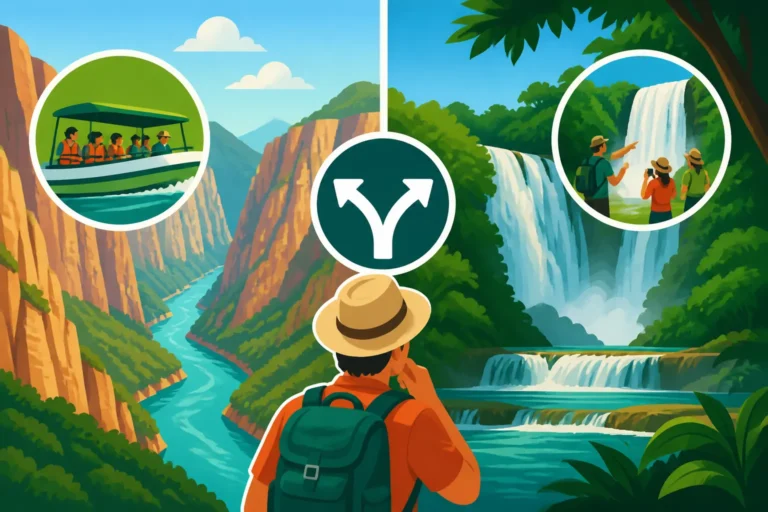
If you want a true adventure, Yaxchilán is the answer. It is located on the banks of the Usumacinta River, which forms the border between Mexico and Guatemala. There are no roads to Yaxchilán; the only way to reach it is by taking a "lancha" (motorized canoe) 45 minutes downriver through the jungle.
The site is known for its beautiful lintels (stone carvings above doorways) and its "Labyrinth," a dark, multi-level building that you have to navigate with a flashlight. The sound of howler monkeys screaming in the trees above adds a layer of atmosphere that you simply cannot replicate at a more accessible site. Because of the logistics involved, many people prefer to use Viator to find a tour that handles the boat and the guides, as doing it solo can be a bit of a headache for non-Spanish speakers.
Yagul: The Valley of Silence
In the valley of Oaxaca, while everyone flocks to Monte Albán, the site of Yagul sits quietly on a hill overlooking the agave fields. Yagul is a Zapotec site famous for its massive "Palace of the Six Patios" and its incredibly well-preserved ball court.
The site also features a fortress at the very top of a steep cliff, which offers a 360-degree view of the Tlacolula Valley. It is an incredibly evocative place, especially at sunset. If you’re living in or visiting the city, Yagul is an essential stop. For more tips on the region, see How to Spend a Weekend in Oaxaca City or our guide on How to Visit Hierve el Agua From Oaxaca, as Yagul is located right on the way to the famous petrified waterfalls.
Practical Tips for Visiting Remote Sites
Visiting these lesser-known sites requires a bit more planning than hopping on a tour bus to Teotihuacán. You are dealing with rural infrastructure, limited signage, and sometimes a complete lack of facilities.
Logistics and Transport
The biggest hurdle for these sites is transport. Most are not served by direct public buses. Your best bet is to use Busbud to get to the nearest major hub (like Valladolid, Palenque, or Oaxaca) and then rent a car. Driving in rural Mexico is generally fine during the day, but you need to be aware of "topes" (speed bumps) and the occasional wandering livestock.
Always check Renting a Car in Mexico: Insurance and Driving Tips before you sign a rental agreement. If you don't want to drive, you can often negotiate a day rate with a taxi driver in the nearest town. Just make sure to agree on the price before you set off, and clarify if they will wait for you or come back to pick you up.
What to Pack and Prepare
At major sites, you can buy water and snacks every ten yards. At sites like Cantona or Kohunlich, there is often absolutely nothing once you pass the ticket booth. You must bring:
- At least two liters of water: The heat in the jungle or the high desert is unforgiving.
- Cash (Pesos): Most remote sites do not accept credit cards for entry fees, and the nearest ATM could be an hour away.
- Sturdy Shoes: You will be climbing uneven stones and walking on dirt paths.
- Sun Protection: Many of these sites have very little shade.
- A Basic Knowledge of Spanish: You don't need to be fluent, but knowing how to ask for directions or help is vital. If you’re worried about health issues while traveling, it’s worth knowing where to find Finding English-Speaking Doctors and Specialists in Mexico ahead of time.
Lastly, be mindful of what you eat on the road. While road-side tacos are a staple of the Mexican experience, you don't want a stomach bug to ruin your hike up a pyramid. Read Is Street Food Safe to Eat in Mexico? for some veteran tips on choosing the right stall.
Comparing Lesser-Known Sites
| Site Name | State | Primary Culture | Accessibility | Standout Feature |
|---|---|---|---|---|
| Ek’ Balam | Yucatán | Maya | Moderate | 3D Stucco Acropolis |
| Mayapán | Yucatán | Maya | Easy | Can still climb the main pyramid |
| Cacaxtla | Tlaxcala | Olmeca-Xicalanca | Easy | Vivid "Maya Blue" murals |
| Xochicalco | Morelos | Epiclassic | Moderate | Underground solar observatory |
| Toniná | Chiapas | Maya | Hard | Giant 7-tier hillside acropolis |
| Yaxchilán | Chiapas | Maya | Very Hard | Boat-only access; jungle setting |
| Cantona | Puebla | Unknown | Moderate | Massive city built without mortar |
| Yagul | Oaxaca | Zapotec | Easy | Cliffside fortress and palace |
Why These Sites Matter for Expats
Living in Mexico as an expat gives you the luxury of time. You don't have to cram everything into a seven-day vacation. You can spend a Saturday driving to a remote corner of Puebla or Chiapas just to see one specific temple. This type of exploration is what helps you transition from being a "tourist" to being a "resident." You start to understand the regional differences—the way the Maya of the south differed from those in the north, or how the Zapotecs built to defend against the Aztecs.
Exploring these sites also takes you through "Pueblos Mágicos" (Magic Towns) that you might otherwise miss. If you are curious about what makes these towns special, check out What Are Pueblos Mágicos and Which Should You Visit?. These little detours often result in the best meals, the most interesting conversations, and the most lasting memories of your time in Mexico.
Disclaimer
The information provided in this guide is for informational purposes only. Archaeology sites in Mexico are managed by the National Institute of Anthropology and History (INAH), and access rules, entry fees, and opening hours can change without notice due to weather, maintenance, or archaeological discoveries. Always check the official INAH website or local news for the most current status of a site before traveling. Travel to remote areas involves inherent risks; ensure you have adequate insurance and follow local safety guidelines.