Mexico’s UNESCO World Heritage Sites: A Visitor’s Guide
Visiting Mexico often feels like trying to drink from a firehose; there is simply too much history, too much color, and too many "must-see" spots to fit into one lifetime. Many travelers end up stuck in a cycle of tourist traps and overpriced resorts, missing the profound cultural soul that resides in the country’s 35 different UNESCO World Heritage Sites. This guide solves that overwhelm by breaking down the most significant sites, providing local logistical secrets, and ensuring you experience the true depth of Mexican heritage.
Disclosure: This post may contain affiliate links. We may earn a commission at no extra cost to you if you make a purchase through these links. Read full disclosure.
Why Mexico’s UNESCO Sites Matter Beyond the Photos
When I first moved to Mexico, I thought a "heritage site" was just a fancy term for a well-maintained ruin. I quickly learned that for Mexicans, these sites are living, breathing embodiments of their identity. Mexico currently holds the most UNESCO designations in the Americas, and they aren't just collections of old stones. They represent a collision of civilizations—the indigenous, the Spanish, and the modern. As an expat, you start to see the patterns; the way a colonial cathedral sits directly atop a decimated pyramid isn't just an architectural choice, it’s a story of survival and transformation.
The Depth of Human History
Walking through a site like Teotihuacán or Monte Albán is a humbling experience that puts our modern stresses into perspective. These were metropolitan centers with sophisticated plumbing, astronomical calendars, and complex social hierarchies long before Europe entered the Renaissance. When you visit these locations, you aren't just looking at "ruins." You are looking at the birthplace of concepts like the zero in mathematics and the cultivation of corn, which literally changed the world's diet. Understanding this makes your visit much more than a photo opportunity; it becomes a pilgrimage into human ingenuity.
Natural Wonders and Biodiversity
While many focus on the man-made structures, Mexico’s UNESCO list includes staggering natural landscapes that are vital to global ecology. From the whale sanctuaries in Baja California to the ancient tropical forests of Calakmul, these sites protect some of the most diverse ecosystems on the planet. For the traveler, this means you can transition from exploring a 16th-century monastery in the morning to kayaking through a pristine biosphere reserve by the afternoon. It is this duality—the marriage of high culture and raw nature—that makes Mexico’s heritage so uniquely addictive.
Navigating the Cultural Heart: Central Mexico’s Colonial Gems
The center of Mexico is where the colonial narrative is loudest. After the conquest, the Spanish built massive, sprawling cities designed to showcase the wealth of the New World. For the modern visitor, these cities are now vibrant hubs of art, food, and music. Living in these areas taught me that the "heritage" isn't just in the buildings; it's in the way people use the public squares (zócalos) every evening. To get a handle on the logistics of moving between these highland cities, I always recommend checking Getting Around Mexico: Buses, Flights, and Car Hire to see how the local transport networks operate.
The Historical Center of Mexico City and Xochimilco
The Zócalo in Mexico City is one of the largest public squares in the world, and it sits precisely where the Aztec capital, Tenochtitlán, once breathed. You can stand in the center and see the Metropolitan Cathedral, the National Palace, and the excavated ruins of the Templo Mayor all within a few hundred yards. It’s a dizzying layer-cake of history. To escape the concrete, you head south to Xochimilco. While the brightly colored boats (trajineras) can feel like a party zone, they are actually part of a pre-Hispanic canal system that was once the "breadbasket" of the empire. It is a fragile, beautiful ecosystem that requires our respect as much as our tourism.
San Miguel de Allende and the Sanctuary of Atotonilco
San Miguel de Allende is often the first place expats land, and for good reason. Its narrow cobblestone streets and pink-hued Parroquia are world-famous. However, the UNESCO designation actually includes the nearby Sanctuary of Atotonilco, often called the "Sistine Chapel of Mexico." The interior is covered in complex, folk-baroque murals that are hauntingly beautiful. I’ve found that the best way to see these spots without the weekend crowds is to stay mid-week. You can find excellent boutique hotels on Booking.com that put you right in the heart of the historic zone, allowing you to walk to the plaza before the tour buses arrive.
Guanajuato’s Underground Tunnels and Mines
Guanajuato is, in my opinion, the most visually stunning city in Mexico. Built in a narrow valley, the city couldn't grow outward, so it grew upward—and downward. The UNESCO site includes the historic town and the adjacent silver mines that once funded the Spanish Empire. What makes Guanajuato unique are the subterranean tunnels, originally built to divert floodwaters, which now serve as a labyrinthine road network. Walking through this city feels like being inside a watercolor painting. Be prepared for a workout; the "callejones" (alleys) are steep and plentiful. If you're coming from Mexico City, you can find very comfortable executive-class coaches on Busbud that make the four-hour journey feel like a breeze.
Ancient Echoes: The Must-Visit Archaeological Sites
If you only have a limited time in Mexico, the archaeological zones are where you should spend your energy. These are the heavy hitters of the UNESCO list. They are grand, intimidating, and deeply spiritual. However, they can also be hot, crowded, and overwhelming if you don't have a plan. I always tell friends that How to Visit Chichén Itzá as a Visitor is essential reading because these major sites have their own set of rules and "best times" to visit to avoid the mid-day sun and the souvenir-vendor gauntlet.
Teotihuacán: The City of the Gods
Located just an hour from the capital, Teotihuacán is massive. The Avenue of the Dead stretches out between the Pyramids of the Sun and the Moon, and the sheer scale of the place is hard to process until you are standing at the base of the stone structures. Unlike some other sites, Teotihuacán feels vast and open. There is very little shade, so go early. For a seamless experience, many expats use Viator to book sunrise hot-air balloon tours over the pyramids. Seeing the shadows of the structures lengthen across the valley floor at dawn is one of those "life-list" experiences that actually lives up to the hype.
Chichén Itzá and the Puuc Route
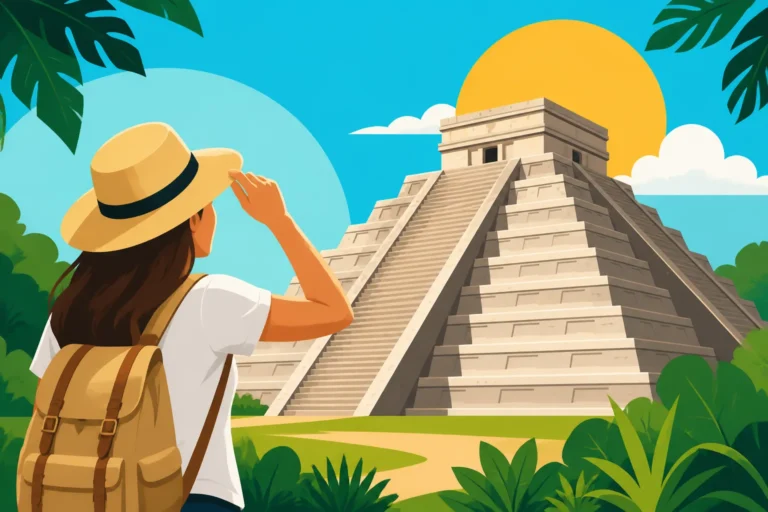
Chichén Itzá is the poster child for Mexican tourism, but it’s a UNESCO site for a reason. The El Castillo pyramid is an architectural calendar, perfectly aligned with the sun. However, if you want a more intimate experience with Maya culture, I suggest also visiting the Puuc Route, which includes Uxmal. The stone carvings at Uxmal are much more intricate and better preserved than those at the more famous sites. In these areas, the heat is a real factor. Make sure you're brushed up on Staying Healthy in Mexico: Essential Tips for Food, Water, and Preventive Care to handle the tropical climate of the Yucatán Peninsula.
Palenque and the Chiapas Jungle
Palenque is my personal favorite. While Chichén Itzá is manicured and flat, Palenque is tucked into the emerald-green mountains of Chiapas. You will hear howler monkeys screaming from the canopy as you explore temples that look like they are being swallowed by the jungle. The UNESCO designation covers not just the buildings, but the sophisticated water management systems the Maya developed here. It feels much more like an "Indiana Jones" adventure than a standard tourist stop. Because it’s a bit more remote, planning your transport via Busbud from San Cristóbal de las Casas is the most reliable way to get there.
Natural Wonders: UNESCO’s Pristine Mexican Landscapes
Mexico isn't just about what humans built; it’s about the incredible world that exists around us. The natural UNESCO sites in Mexico are often the hardest to reach, but they offer the most profound rewards for those willing to make the effort. They provide a quiet contrast to the bustling markets and noisy plazas of the cities. When visiting these areas, remember that Safety in Mexico: What Expats Need to Know About Staying Safe applies just as much to the wilderness as it does to the urban centers—always go with reputable guides in remote areas.
Sian Ka’an Biosphere Reserve
Located just south of the trendy beach clubs of Tulum, Sian Ka’an (Maya for "Origin of the Sky") is a massive protected area of tropical forests, mangroves, and marshes. It was one of the first natural sites in Mexico to receive UNESCO status. You can take boat tours through ancient Maya canals, swim in crystal-clear "cenotes," and see dolphins and sea turtles in their natural habitat. It is a stark reminder of what the Riviera Maya looked like before the resorts moved in. Because access is restricted to protect the environment, booking a guided excursion through Viator is often the only practical way to see the heart of the reserve.
Monarch Butterfly Biosphere Reserve
Every winter, millions of monarch butterflies migrate from Canada and the US to a few specific patches of oyamel fir forests in Michoacán and the State of Mexico. The sight of entire trees bowing under the weight of orange-and-black wings is surreal. It is a fragile phenomenon, and the UNESCO designation helps fund the protection of these forests from illegal logging. It is a seasonal site, usually best visited between November and March. Be aware that these forests are at high altitudes, so you'll want to pack layers and prepare for a bit of a hike.
Comparative Overview of Major UNESCO Sites
| Site Name | Region | Primary Type | Best Way to Get There |
|---|---|---|---|
| Teotihuacán | Central (near CDMX) | Archaeological | Bus from North Terminal or Private Tour |
| Chichén Itzá | Yucatán Peninsula | Archaeological | ADO Bus or Rental Car from Mérida/Cancún |
| Guanajuato | Central Highlands | Colonial/Mining | Executive Coach via Busbud |
| Sian Ka'an | Caribbean Coast | Natural | Guided 4×4 from Tulum |
| Oaxaca City | Southern Mexico | Cultural | Domestic Flight or ADO Bus |
| Palenque | Chiapas | Archaeological | ADO Bus from Villahermosa or San Cristóbal |
Practical Logistics for Heritage Travelers
Planning a trip around heritage sites requires a bit more finesse than a standard beach holiday. You have to consider the "daily rhythm" of Mexico. Many museums and sites are closed on Mondays, and Sundays are usually free for Mexican citizens and residents, meaning they are incredibly crowded. If you’re coming for a short trip, use Booking.com to find "Haciendas" or converted colonial homes to stay in; it keeps the historical immersion going even after you’ve left the ruins.
Transportation and Route Planning
Mexico is a big country, and the heritage sites are spread out. You cannot "do" the UNESCO sites in one trip. I recommend focusing on a specific loop. For example, the "Colonial Circle" (CDMX, Querétaro, San Miguel, Guanajuato) or the "Maya Path" (Chichén Itzá, Uxmal, Palenque). For long distances, the bus system in Mexico is surprisingly luxurious. Using Busbud allows you to compare different lines like ADO, ETN, and Primera Plus. Trust me, the extra $10 for a "Platino" or "Executive" seat with a footrest and a snack is the best money you’ll spend in this country.
Accommodation and Booking Tips
When booking your stay, look for the "Centro Histórico" of whatever city you are visiting. This ensures you are within walking distance of the primary sites. I’ve found that using Booking.com’s map view is the best way to verify that a "central" hotel isn't actually three miles away in a modern suburb. Also, keep in mind that many of these historic buildings don't have elevators or central air conditioning due to their protected status. Always read the reviews from other expats or long-term travelers to see how the noise levels are—colonial stone walls look great but they don't always block out the sound of a 2:00 AM mariachi band!
Managing Your Budget and Payments
While larger sites and hotels will accept credit cards, you will need pesos for smaller entry fees, local guides, and the inevitable street food stops. Check out Cash vs Card in Mexico: What Visitors Should Know to understand when to pull out the plastic and when to have bills ready. Also, don't forget the local tipping culture; if a site guide gives you a fantastic 2-hour tour of a pyramid, a tip is expected and appreciated. For a quick reference on how much to give, see Tipping in Mexico (Propina): When and How Much.
Essential Tips for Respectful Exploration
Visiting these sites is a privilege, and as an expat who has seen the impact of over-tourism, I beg you to be a "good traveler." Stick to the paths. Do not climb on structures that are roped off (even if you see a local doing it). The oils from our hands can degrade ancient stucco, and the friction from our shoes can wear down stone that has survived for a millennium.
Moreover, engage with the local communities around these sites. The people living near Monte Albán or El Tajín are the descendants of those who built them. Buying a handmade textile or a piece of pottery directly from a local artisan helps ensure that the economic benefits of UNESCO status reach the people who matter most. If you’re curious about the etiquette of these interactions, Mexican Customs, Etiquette, and Social Life provides a great foundation for respectful communication.
Finally, take your time. These sites weren't built in a day, and they shouldn't be "checked off" in an hour. Sit on a stone bench in a 400-year-old plaza. Listen to the wind through the trees in a Maya courtyard. These are the moments when the "heritage" of Mexico stops being a list of facts and starts being a feeling. For more ideas on how to fill your weekends between UNESCO visits, take a look at Best Day Trips From Mexico City.
Disclaimer
The information provided in this guide is for informational purposes only. While every effort has been made to ensure the accuracy of travel details, logistical costs, and site accessibility, conditions in Mexico can change rapidly due to government regulations, environmental factors, or local events. Always verify opening hours and travel requirements with official sources before your trip. The author and publisher are not responsible for any inconveniences or losses incurred while traveling.