Tequila 101: How to Taste and Where to Visit
You know, for many of us expats and first-time visitors to Mexico, our initial encounter with tequila often involves a quick shot, a grimace, and perhaps a wedge of lime. It's a shame, really, because it completely misses the point of this incredible spirit! This guide is going to strip away those misconceptions and show you how to truly appreciate tequila, from understanding its rich heritage to embarking on a journey to its very birthplace in Jalisco.
Disclosure: This post may contain affiliate links. We may earn a commission at no extra cost to you if you make a purchase through these links. Read full disclosure.
Beyond the Party Shot: Understanding Tequila's Soul
Forget everything you think you know about tequila as just a party fuel. This spirit is steeped in history, culture, and a painstaking production process that makes it as complex and nuanced as any fine whiskey or brandy. It’s Mexico’s national drink, a source of immense pride, and an art form in itself.
Agave, The Heart of the Spirit
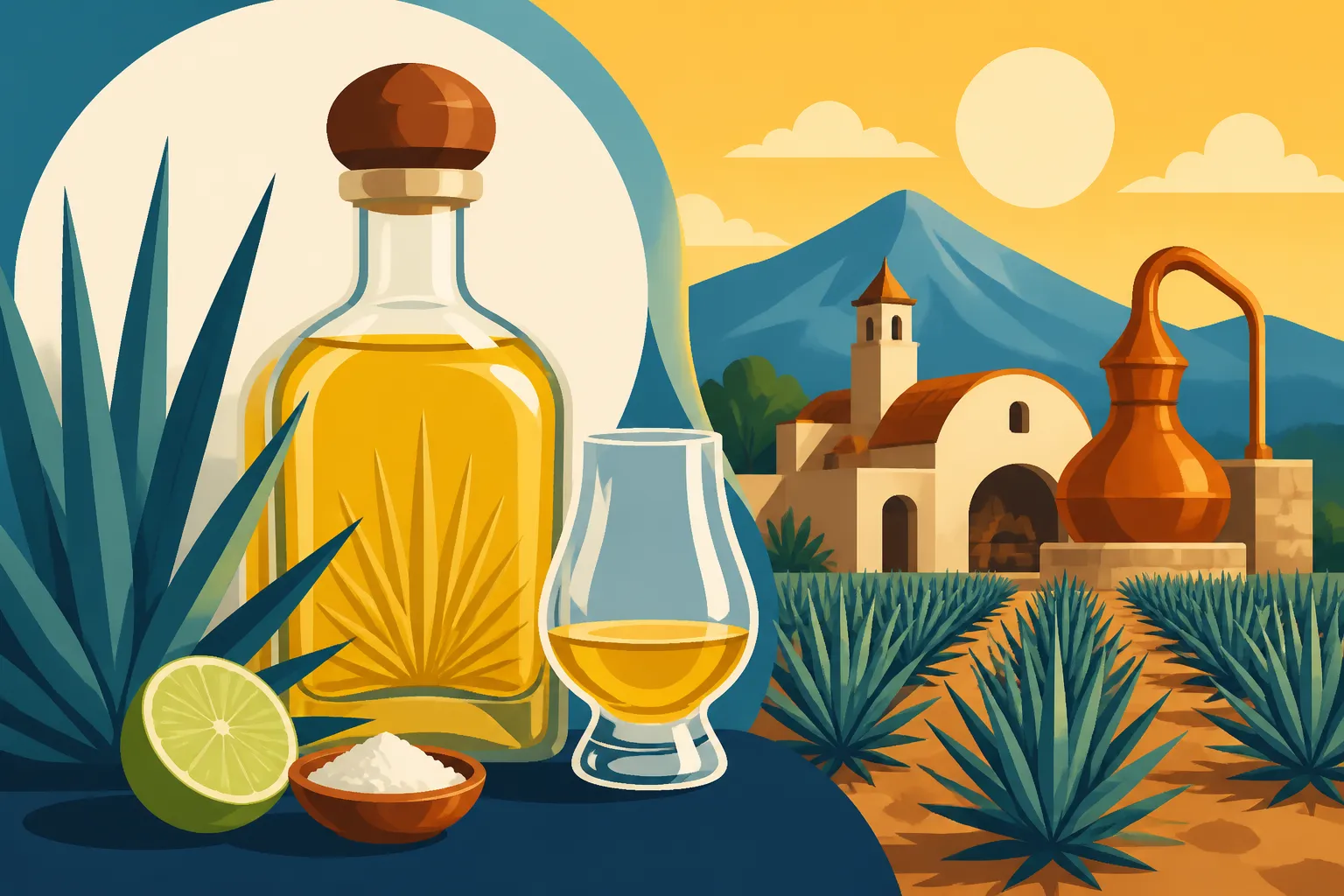
At the very core of every bottle of true tequila lies the Blue Weber Agave (Agave tequilana Weber azul). This isn't just any plant; it's a magnificent succulent that takes 6 to 10 years, sometimes even longer, to mature to perfection. Imagine waiting nearly a decade for a single harvest! The cultivation of this agave is a labor of love, passed down through generations of jimadores – the skilled agave farmers who tend the fields and harvest the piñas, the heart of the agave plant.
These jimadores are true artisans. With their specialized tool, a coa, they meticulously trim the spiky leaves, leaving behind the large, pineapple-like core, the piña. This piña is then slowly cooked, often in traditional brick ovens (or modern autoclaves), to convert its complex starches into fermentable sugars. The aroma that fills the air during this cooking process, especially around the distilleries, is sweet, earthy, and utterly intoxicating – a smell you'll forever associate with the magic of Jalisco. It's a testament to patience and traditional agricultural practices, making each sip a taste of Mexico's soul.
The Five Categories: Blanco, Reposado, Añejo, Extra Añejo, and Joven
Tequila isn't a monolith; it comes in various styles, each offering a distinct experience. Understanding these categories is the first step to appreciating the breadth of this spirit. Each type offers a unique journey for your palate, shaped by its aging process.
-
Blanco (Silver or White) Tequila: This is the purest expression of the agave. Bottled immediately after distillation or rested for less than two months in stainless steel or neutral oak barrels, Blanco tequila is clear, crisp, and vibrant. It showcases the raw, unadulterated flavors of the cooked agave, often featuring notes of citrus, pepper, herbs, and a distinctive earthy minerality. Many aficionados argue that a good Blanco is the true test of a distillery's quality, as there's nowhere for imperfections to hide. This is an excellent choice for a refreshing Paloma or a truly authentic Margarita, but a well-made one is equally delightful for sipping neat.
-
Joven (Gold) Tequila: Often overlooked, Joven, or "Gold," tequila is typically a blend of Blanco and one of the aged tequilas (Reposado, Añejo). Historically, some cheaper versions achieved their golden hue through caramel coloring and flavor additives, which is why it often gets a bad rap. However, premium Joven tequilas, sometimes called Oro (gold), are legitimately blended, offering a bridge between the freshness of a Blanco and the subtle complexity of an aged spirit. It can be a pleasant sipping tequila or a versatile mixer, but always check the label to ensure it's "100% Agave" to avoid those caramel-colored imposters.
-
Reposado (Rested) Tequila: Meaning "rested," Reposado tequila is aged in oak barrels for a minimum of two months, but less than a year. These barrels can be new or used, and often come from whiskey, bourbon, or wine production, imparting a range of subtle flavors. The aging mellows the agave's intensity, introducing warmer notes of vanilla, caramel, oak, and sometimes a hint of spice or chocolate. It maintains a lovely balance between the agave's natural character and the influence of the wood. Reposado is arguably the most popular category in Mexico for sipping, and it makes for an incredibly smooth and flavorful Margarita.
-
Añejo (Aged) Tequila: Taking the aging process a step further, Añejo, meaning "aged," tequila spends at least one year, but less than three years, in oak barrels with a maximum capacity of 600 liters. This extended contact with the wood deepens its color and significantly transforms its flavor profile. Añejo tequilas typically present a richer amber hue and boast complex notes of dried fruit, nuts, dark chocolate, tobacco, and intense vanilla, often reminiscent of a fine cognac or Scotch. They are definitely meant for sipping slowly, allowing their intricate layers to unfold on the palate.
-
Extra Añejo (Extra Aged) Tequila: The newest category, introduced in 2006, Extra Añejo tequila is aged for a minimum of three years in oak barrels. This super-aged spirit takes on an even darker, often mahogany, color and a profound depth of flavor. Think exquisite caramel, intense vanilla, warm baking spices, leather, and deep dried fruit, with a silky smooth finish. These are often the most expensive tequilas, truly artisanal expressions that command respect. If you get the chance to try one, treat it like a special occasion – it’s an experience meant to be savored, drop by precious drop.
Tequila's Denomination of Origin (D.O.): What it Means
Just like Champagne must come from the Champagne region of France, and Scotch from Scotland, genuine tequila can only be produced in specific regions of Mexico. This is thanks to its Denomination of Origin (D.O.), established in 1974. This isn't just a fancy label; it's a legal protection ensuring quality and authenticity. The D.O. states that tequila can only be made from Blue Weber Agave (at least 51% agave sugars), and only in the state of Jalisco, and in specific municipalities in four other states: Guanajuato, Michoacán, Nayarit, and Tamaulipas.
Jalisco, however, is the indisputable heartland, home to the town of Tequila itself and the vast majority of distilleries. This D.O. is crucial because it protects the integrity of the spirit, ensuring that every bottle labeled "tequila" adheres to strict production standards, from the type of agave used to the geographical origin. It safeguards the traditional methods and the cultural heritage embodied in every bottle. When you see "Hecho en México" (Made in Mexico) and "100% Agave" on the label, you know you're getting the real deal, a product whose quality is protected by international law.
The Ritual: How to Properly Taste Tequila
If you're still doing shots of tequila, it's time for an intervention! High-quality tequila is meant to be savored, appreciated slowly, allowing its complex aromas and flavors to reveal themselves. It's a ritual, a celebration of the spirit itself.
The Right Glassware and Setup
First things first, ditch the shot glass. A shot glass is designed for quick consumption, not for tasting. To properly appreciate tequila, you need glassware that allows the aromas to concentrate. A copita (a small, flute-shaped glass often used for mezcal and tequila) is ideal, but a small wine glass, a brandy snifter, or even a specialized tequila tasting glass (like a Riedel tequila glass) will do beautifully. These shapes allow the spirit to breathe and the aromatic compounds to rise and collect, enhancing your nosing experience.
When setting up your tasting, ensure your tequila is served at room temperature. Chilling good tequila can numb your palate and mask subtle flavors, while heating it can emphasize alcohol notes too much. Pour about an ounce or two into your chosen glass. Find a quiet, well-lit spot where you can focus without distractions. This isn't just about drinking; it's about engaging all your senses in an experience that transcends mere consumption.
Engaging Your Senses: Sight, Smell, and Taste
Tasting tequila is a journey of discovery, a conversation between you and the spirit. Take your time, and let your senses guide you.
-
Sight: Hold your glass up to the light. Observe the clarity and color. A Blanco should be perfectly clear and bright. A Reposado will have a pale straw to golden hue, while Añejos and Extra Añejos will range from amber to deep mahogany. Notice the "legs" or "tears" that cling to the side of the glass when you swirl it – this can give you clues about its body and alcohol content.
-
Smell (Nosing): Gently swirl the tequila in your glass. Bring the glass to your nose, but don't stick your nose too deep; the alcohol can be overwhelming. Instead, take short, gentle sniffs, moving the glass slightly away from your nose between sniffs. What aromas do you detect? For a Blanco, you might pick up fresh agave, citrus, black pepper, mint, or even a hint of green bell pepper. With aged tequilas, look for notes of vanilla, caramel, cooked agave, oak, dried fruit, chocolate, or spice. Don't be afraid to describe what you smell; there's no right or wrong answer, only what you perceive. This nosing process is crucial as a significant portion of what we "taste" is actually perceived through our sense of smell.
-
Taste (Sipping): Now for the main event. Take a very small sip, just enough to coat your palate. Don't swallow immediately. Let the tequila roll over your tongue, exploring different areas. Notice the initial sensation – is it smooth, fiery, oily? Identify the flavors: is there sweet agave, vanilla, oak, or something spicy like cinnamon or pepper? As you swallow, pay attention to the "finish" – how long do the flavors linger? Do new flavors emerge? A quality tequila should have a long, pleasant finish, free of harshness. Many experienced tasters recommend taking a second, slightly larger sip after the first, as the initial sip often "wakes up" your palate, allowing for a fuller experience with the second.
Tequila Pairings: Food, Cocktails, and Companions
Tequila is incredibly versatile and can be enjoyed in many ways. While a fine Añejo or Extra Añejo is often best savored neat, younger tequilas truly shine in carefully crafted cocktails and can elevate a meal.
For a crisp Blanco, think about pairing it with fresh, vibrant flavors. It’s fantastic with seafood dishes like ceviche, grilled fish tacos, or even a light salad. Its peppery notes can cut through the richness of avocado, making it a natural fit for guacamole. In cocktails, a Blanco is the hero of a classic margarita or a refreshing Paloma, allowing the agave to stand out. If you're looking for a great Mexican food pairing, a good Blanco with fresh salsas and Mexican Food Culture: Eating and Drinking as a Visitor can really open up your palate.
Reposado tequila, with its subtle oak and caramel notes, pairs wonderfully with richer, savory dishes. Try it with chicken mole, carnitas, or even a spicy chili. The resting period gives it a smooth edge that can complement barbecued meats or even certain cheeses. For cocktails, a Reposado can add depth to an Old Fashioned or a more sophisticated margarita.
When it comes to Añejo and Extra Añejo tequilas, treat them like a fine dessert wine or after-dinner cordial. These are meant for sipping, perhaps alongside a rich dark chocolate, a robust cigar, or a strong cup of Mexican coffee. Their complex, dessert-like notes can also stand up to dishes with dried fruits or rich sauces. Consider an Añejo as a digestif after enjoying a traditional Mexican feast. The key is to find complementary flavors that enhance, rather than overpower, the tequila's delicate complexities.
The Tequila Trail: Your Journey to Jalisco
To truly understand tequila, you have to go to its source. Jalisco, Mexico, is the heartland, and visiting is an immersive experience that will deepen your appreciation for this iconic spirit. It's not just a trip; it's a pilgrimage.
Tequila Town: The Heart of the Region
The most obvious and essential stop on any tequila journey is the town of Tequila, Jalisco, itself. This charming, vibrant Pueblo Mágico (Magical Town) is nestled at the foot of the Tequila Volcano, surrounded by endless fields of blue agave. Walking its cobblestone streets, you'll feel the history and the spirit of tequila in the air. The main plaza is a hub of activity, with street vendors selling agave-based treats, mariachi music drifting from nearby restaurants, and the imposing facades of major distilleries dominating the skyline.
Here, you'll find the venerable distilleries that put tequila on the map. You can visit the historic facilities of Jose Cuervo, one of the oldest and largest tequila producers, which offers extensive tours covering their history, production process, and, of course, tastings. Another must-see is Casa Sauza, another industry giant with a beautiful hacienda and engaging tours. The town also boasts numerous smaller, artisanal distilleries that offer more intimate and specialized experiences. Spend some time exploring the local shops for unique tequila-related souvenirs and, naturally, bottles to take home. The atmosphere is infectious, a true celebration of all things agave.
Iconic Distilleries and Agave Fields
No visit to the Tequila region is complete without venturing out into the stunning agave fields themselves. These vast, undulating landscapes, with their rows of spiky blue plants stretching to the horizon, are a UNESCO World Heritage site – a testament to the cultural and economic importance of tequila. Many tours will take you directly into these fields, where you can watch jimadores at work, demonstrating their incredible skill in harvesting the piñas. It's a humbling experience to witness the tradition firsthand.
Beyond Jose Cuervo and Sauza, there are dozens of other incredible distilleries to explore. For instance, La Cofradía offers not just a distillery tour, but also a unique hotel experience where you can sleep in a room built into a giant tequila barrel. Other notable names include Herradura, with its historic hacienda and traditional ovens, and Patrón, known for its meticulous craftsmanship. Each distillery offers a slightly different perspective on the tequila-making process, from traditional methods to modern innovations, always culminating in a guided tasting session that educates your palate. To make sure you get to see all the key sites and have hassle-free transport, many visitors book tours through platforms like Viator, which offer a range of options, from half-day trips to comprehensive full-day experiences.
Beyond Tequila: Exploring Guadalajara and its Surroundings
While Tequila town is undoubtedly the main attraction, its proximity to Guadalajara, the capital of Jalisco and Mexico's second-largest city, makes for a perfect pairing. Many visitors choose to base themselves in Guadalajara and take day trips to the tequila region. Guadalajara itself is a vibrant metropolis, brimming with its own rich history, delicious cuisine, and, of course, the birthplace of mariachi music.
After immersing yourself in the world of tequila, you can return to Guadalajara to explore its stunning colonial architecture, visit the historic center with its impressive cathedral and Government Palace, and wander through bustling markets. It’s a fantastic place to sample more of Jalisco's famous gastronomy, like birria (a savory goat or beef stew) or torta ahogada (a "drowned sandwich"). For a deeper dive into the city's charm, check out our Guadalajara City Guide: Culture, Food, and Mariachi. Combining the rural beauty of the agave fields with the urban energy of Guadalajara creates a well-rounded and unforgettable Mexican experience.
Planning Your Perfect Tequila Experience
A trip to the Tequila region requires a bit of planning, but with the right information, it can be a seamless and deeply rewarding adventure.
Arranging Distillery Tours and Tastings
Booking your distillery tours in advance, especially during peak season (winter holidays, spring break, or major Mexican holidays), is highly recommended. Many of the larger distilleries, like Jose Cuervo, offer online booking directly through their websites. For smaller, more artisanal distilleries, a quick call or email might be necessary, and sometimes tours are arranged on the spot, but that can be risky if your heart is set on a particular experience.
Consider what kind of experience you want. Do you prefer a large, comprehensive tour with a big group, or a more intimate, in-depth look at a smaller operation? Many tour operators specialize in the Tequila Valley, offering curated experiences that include transportation, multiple distillery stops, and expert guides, often in English. Websites like Viator are excellent resources for finding and booking these kinds of tours, allowing you to compare options, read reviews, and secure your spot ahead of time. They often bundle experiences, saving you the hassle of coordinating logistics yourself, ensuring you get to sample the best of the region without any stress.
Transportation to and Around Jalisco
Getting to Jalisco is typically done by flying into Guadalajara’s Miguel Hidalgo y Costilla International Airport (GDL). From there, you have several options to reach Tequila town.
- Tequila Express Train: For a truly unique and festive experience, consider taking the Jose Cuervo Express train from Guadalajara to Tequila. This isn't just transport; it's a party on wheels, with live mariachi music, traditional snacks, and, of course, plenty of tequila tastings during the journey. It's a round-trip experience, offering a delightful way to immerse yourself in the culture before you even arrive. Bookings for this popular option fill up fast, so plan well in advance.
- Buses: Mexico has an excellent network of long-distance buses. From Guadalajara, you can easily catch a comfortable, affordable bus to Tequila town. Companies like ETN and Primera Plus offer reliable service. Websites like Busbud are fantastic for checking schedules and buying tickets online in advance, which can save you time and hassle at the bus station. For general travel within Mexico, understanding Long-Distance Buses in Mexico: ADO and Premium Lines can be incredibly helpful.
- Rental Cars: Renting a car gives you the most flexibility to explore at your own pace, stopping at agave fields for photos or visiting lesser-known distilleries. Be aware that driving in Mexico can be different from your home country, and comprehensive Renting a Car in Mexico: Insurance and Driving Tips is essential.
- Private Drivers/Tours: Many local companies in Guadalajara offer private drivers or small-group tours specifically to the Tequila region. This is a convenient option if you prefer not to drive or deal with public transport, and it ensures you have a designated driver for all those tastings!
Where to Rest Your Head: Accommodation Options
Your choice of accommodation will depend on whether you want to stay in Tequila town itself or use Guadalajara as your base.
- In Tequila Town: Staying overnight in Tequila gives you the opportunity to experience its quieter evenings after the day-trippers leave. There are charming boutique hotels, cozy guesthouses, and a few unique options like the Matices Hotel de Barricas, where you sleep inside a giant tequila barrel. It's an intimate experience that allows you to fully soak in the small-town atmosphere.
- In Guadalajara: If you prefer a wider selection of dining, nightlife, and urban attractions, staying in Guadalajara is a great choice. You'll find everything from luxury hotels to budget-friendly hostels. Neighborhoods like Providencia or the historic center offer diverse options. From Guadalajara, you can easily arrange day trips to Tequila via train, bus, or tour. Booking.com is an invaluable resource for finding and reserving accommodation in both Tequila and Guadalajara, offering a wide range of choices to suit every budget and preference. They also often have user reviews and photos to help you make an informed decision.
Common Tequila Myths Debunked
There are so many misconceptions swirling around tequila, often fueled by marketing or bad experiences. Let's clear the air once and for all.
No Worms Here: Separating Tequila from Mezcal
Perhaps the most persistent myth is the idea of a "worm" in the tequila bottle. Let me tell you, friends, if you find a worm in your tequila, you've got a problem – and it's not a good one! Authentic tequila, by law, does not contain a worm. This gimmick is sometimes found in some mezcal bottles, particularly those mass-produced for export and geared towards a novelty factor. Mezcal, tequila's smoky cousin, is a different agave spirit with its own distinct production methods and appellation of origin.
The "worm" (which is actually a larva of the gusano rojo or gusano de maguey, an insect that lives on the agave plant) was traditionally seen as a sign of authenticity or even a flavor enhancer in some regional mezcals. However, it’s purely a marketing ploy for most of what you see today. So, rest assured, your high-quality tequila will be worm-free. If you're curious about the differences, our guide on Mezcal in Oaxaca: Tours and Tastings can shed some more light on this fascinating spirit.
The Salt and Lime Ritual: An International Twist
Another pervasive ritual, especially outside of Mexico, is the "lick salt, shoot tequila, suck lime" routine. While it can be fun, particularly with lower-quality tequila (often mixtos that aren't 100% agave), it's generally not how Mexicans themselves enjoy a good tequila. This practice likely originated as a way to mask the harshness of poorly made or inexpensive tequila. The salt numbs the taste buds, and the lime provides a strong acidic burst to cut through any off-flavors.
With a high-quality, 100% agave tequila, especially a Reposado or Añejo, you want to taste the spirit itself. Adding salt and lime only detracts from the nuanced flavors that the distiller worked so hard to create. If you're handed a shot with this setup in Mexico, it's often a sign that you're in a tourist trap or dealing with a very cheap pour. Real tequila is meant to be sipped slowly, ideally neat, allowing its true character to shine through.
Tequila for Sipping, Not Just Shots
This ties into the previous point: good tequila is not meant for chugging. This isn't just about cultural snobbery; it's about flavor. Imagine taking a shot of a fine single malt Scotch or a complex bourbon. You wouldn't, would you? The same principle applies to 100% agave tequila.
Each category of tequila offers unique flavor profiles that are best appreciated when savored. A crisp Blanco reveals the raw, earthy goodness of the agave. A mellow Reposado brings in the warmth of oak and vanilla. A rich Añejo or Extra Añejo offers layers of dried fruit, chocolate, and spice. When you throw it back in a shot, you bypass all that complexity, missing out on the artistry and dedication that went into its creation. Embrace the slow sip, and you'll unlock a whole new world of appreciation.
Price vs. Quality: Don't Judge a Bottle by Its Label
While it's true that some of the most exquisite, aged tequilas come with a hefty price tag, a higher price doesn't automatically guarantee superior quality. Conversely, there are many incredibly delicious and well-made tequilas available at very reasonable prices.
The most important indicator of quality, above all else, is to look for the phrase "100% Agave" or "100% Puro de Agave" on the label. This means the tequila is made entirely from the blue agave plant's sugars. If it doesn't say "100% Agave," it's a "mixto," meaning it contains at least 51% agave sugars, with the remainder coming from other sugars (like cane sugar or high-fructose corn syrup). Mixtos are generally harsher, more prone to causing hangovers, and lack the complex flavor profile of pure agave tequila. While they have their place in budget cocktails, for sipping or truly appreciating the spirit, always go for 100% agave. Also, keep an eye out for the NOM number on the label, which indicates the distillery it came from, allowing you to research its quality.
Here's a quick overview of the different tequila types:
| Tequila Type | Aging Duration | Barrel Type | Typical Color | Primary Characteristics | Best Enjoyed |
|---|---|---|---|---|---|
| Blanco | 0-2 months | Stainless Steel / Neutral Oak | Clear | Pure agave, citrus, pepper, earthy, vibrant | Sipping, classic cocktails (Margarita, Paloma) |
| Joven | Blended | Blended | Pale Gold | Blend of Blanco & aged, sometimes with additives | Cocktails, occasionally sipping (if 100% agave) |
| Reposado | 2 months – 1 year | Oak (new or used) | Pale Straw to Gold | Agave, vanilla, caramel, oak, spice, smooth | Sipping, balanced cocktails |
| Añejo | 1 – 3 years | Oak (max 600L) | Amber | Dark fruit, chocolate, tobacco, intense vanilla, rich | Sipping (neat) |
| Extra Añejo | 3+ years | Oak (max 600L) | Dark Amber / Mahogany | Deep caramel, rich spices, leather, profound complexity | Sipping (neat), connoisseur's choice |
Disclaimer
Please remember that while this guide provides extensive information, regulations and recommendations can change. Always verify the latest requirements and travel advisories before making plans, and consult with local experts if you have specific concerns. This content is for informational purposes only and does not constitute professional advice.