How to Rent a Car in Mexico Without Overpaying for Insurance
You arrive at the airport in Cancún or Puerto Vallarta, excited for your vacation, only to find that the $5-a-day rental you booked online has magically transformed into a $60-a-day nightmare at the counter. This guide solves the "Mexican Insurance Trap" by explaining exactly what is mandatory, what your credit card covers, and how to stand your ground against aggressive sales tactics.
Disclosure: This post may contain affiliate links. We may earn a commission at no extra cost to you if you make a purchase through these links. Read full disclosure.
The Mandatory Mystery: Why TPL is Non-Negotiable
If you have spent any time in expat forums, you have seen the horror stories. People book a car for what looks like the price of a taco, only to be held hostage at the rental desk. The root of this conflict is Third-Party Liability (TPL), often called Responsabilidad Civil. In Mexico, this is not just a suggestion; it is the law. Unlike in the United States or Canada, where your personal auto insurance might follow you, Mexican law requires insurance from a company licensed to operate within the Republic of Mexico.
The frustration for most of us comes from the lack of transparency. When you use a major aggregator like Booking.com, the initial price often excludes this mandatory TPL. Rental companies do this to appear at the top of price-comparison results. However, when you stand at that counter, the agent will insist you cannot leave the lot without it. They are technically correct, but they often use this "mandatory" status to bundle in expensive, unnecessary add-ons like Personal Accident Insurance (PAI) or Theft Protection at exorbitant rates.
To navigate this, you must understand that TPL is the only insurance actually required by the government. It covers damage you cause to others—their cars, their property, or their medical bills. It does not cover the rental car itself. This is where the confusion peaks, as many travelers assume their credit card covers "everything." In reality, credit cards almost exclusively provide Collision Damage Waiver (CDW), which covers the vehicle you are driving, not the third party you might hit. Understanding this distinction is the first step in Renting a Car in Mexico: Insurance and Driving Tips without losing your cool or your budget.
Using Your Credit Card Insurance Without Getting Rejected
Many high-end travel credit cards offer excellent CDW coverage. If you have a card that provides primary rental coverage, you can theoretically decline the rental company’s CDW and save $20 to $40 per day. However, doing this is an art form in Mexico. The rental agents are trained to tell you that "foreign insurance is not valid here." This is a half-truth designed to scare you into buying their high-margin products.
To successfully use your credit card’s insurance, you must arrive prepared. First, you need a physical, printed "Letter of Coverage" from your credit card issuer. This letter should be in Spanish if possible, but English is usually accepted at major airport hubs. It must specifically state that the coverage is valid in Mexico and list the specific vehicle types covered. Without this piece of paper, the agent has the perfect excuse to deny your request and force their own insurance on you.
Even with the letter, expect resistance. The rental company will often counter-offer by telling you that if you decline their CDW, you will be responsible for a massive deductible—often the full value of the car—in the event of an accident. They will also place a significant hold on your credit card. This is a common tactic to make Taking Road Trips in Mexico: Safety and Planning Tips feel like a massive financial risk. You have to be willing to accept that hold on your card to save the daily insurance fee. If you aren't comfortable with a $2,500 to $5,000 USD hold, you might have to bite the bullet and pay for their internal CDW.
The Letter of Coverage Requirement
I cannot stress this enough: do not rely on showing a PDF on your phone. Mexican bureaucracy, even in private business, loves paper. Call your bank two weeks before your trip and ask for the "Rental Car Insurance Validation Letter." Verify that it mentions Mexico by name. When you present this at the counter, it signals that you are an informed traveler who cannot be easily bullied into an upsell.
Declining the Right Options
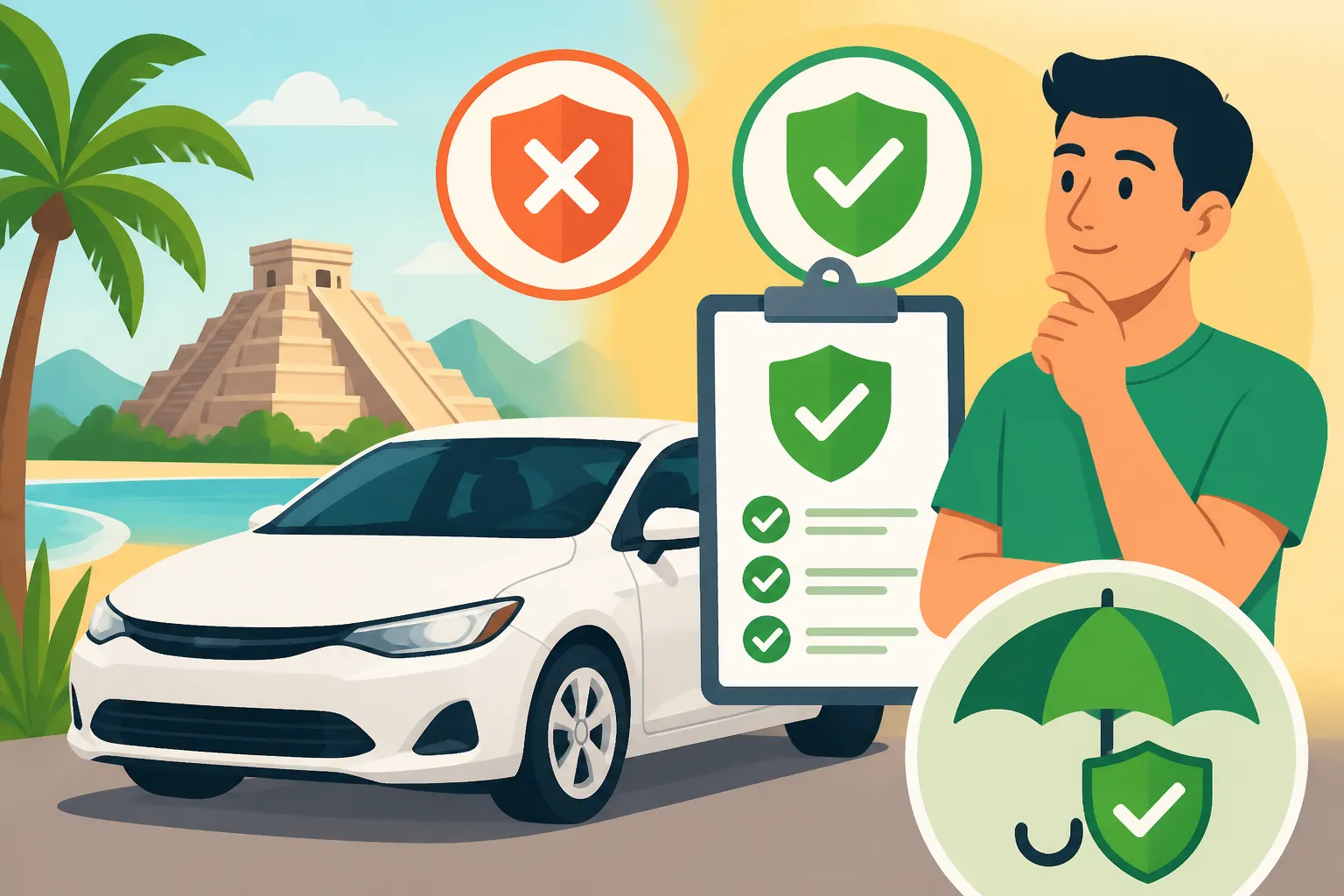
When the agent presents the contract, look for the boxes labeled CDW (Collision Damage Waiver) or LDW (Loss Damage Waiver). If you are using your credit card, you want these declined. However, you must still accept the TPL/PLI (Personal Liability Insurance). Some companies bundle them all together into a "Full Cover" package. If they refuse to unbundle them, you may be better off walking away—though that is difficult if you’ve already paid a deposit. This is why many savvy expats prefer Driving in Mexico: Toll Roads (Cuotas) vs Free Roads (Libres) in their own plated vehicles, but for tourists, the rental is a necessary evil.
The Hold Horror Story: What They Don't Tell You About Your Credit Limit
The most significant hurdle to "declining insurance" is the credit card authorization hold. If you take the rental company's "zero deductible" insurance, they might only hold $200 or $500 as a security deposit. If you decline their insurance and use your own, they are essentially "self-insuring" with your credit limit. They will often block off several thousand dollars.
This can be a deal-breaker for many. If you have a $5,000 limit and they hold $3,000 for the car, you might find your card declined when you try to pay for a nice dinner later that night. I always recommend having a secondary card with a high limit specifically for this purpose. Note that this must be a credit card; using a debit card for a rental in Mexico is an invitation for a financial headache, as that "hold" actually removes cash from your bank account, and it can take 15 to 30 days to return after you hand back the keys.
If the logistics of car rentals feel too overwhelming, remember there are other ways to see the country. You can book reliable transportation through Busbud for intercity travel or use Viator to find tours that include transportation to major sites. This allows you to avoid the rental counter altogether while still exploring. However, if you crave the freedom of the open road, just be sure to budget for that temporary hit to your credit limit.
| Insurance Type | Is it Mandatory? | Can Credit Cards Cover It? | Average Daily Cost (USD) |
|---|---|---|---|
| TPL (Third Party Liability) | Yes (By Law) | Almost Never | $15 – $25 |
| CDW (Collision Damage Waiver) | No | Usually (Primary/Secondary) | $20 – $40 |
| PAI (Personal Accident) | No | Check Travel Insurance | $5 – $10 |
| TP (Theft Protection) | No | Often included in CDW | $5 – $15 |
Essential Tips for a Smooth Pick-up and Return
Once you have survived the insurance negotiation, the battle isn't quite over. You need to protect yourself from "phantom damage" charges. Before you even put your luggage in the trunk, take a high-quality video of the entire car. Start at the front bumper and walk slowly all the way around. Zoom in on every scratch, ding, and windshield chip. Don't forget the roof and the rims.
I once had a rental company in Merida try to charge me for a "missing" spare tire that was never there in the first place. Now, I always open the trunk and film the spare tire and the jack. If the agent seems impatient, ignore them. This is your money on the line. If you are worried about safety while driving, especially as a foreigner, keep Emergency Numbers in Mexico: How to Call Police, Fire, or Ambulance programmed into your phone.
When returning the car, try to do it during daylight hours and get a signed "check-in" sheet that explicitly states the car was returned in the same condition with the same fuel level. If you are flying out early in the morning and have to do a "key drop," you are at their mercy. In those cases, taking another video of the car in the return lot is your only defense if a charge appears on your statement two weeks later. If you find the stress of driving in cities like CDMX too much, remember that Are Taxis Safe in Mexico? Using Cabs vs Ride-share Apps is a perfectly valid way to get around without the liability of a rental.
The "Gas Gauge" Scam
A common trick is the "full-to-full" policy where the gauge looks full when you start, but it’s actually a gallon or two short. When you return it "full," they claim it’s not quite at the line and charge you $20 USD per liter to top it off. Always take a photo of the dashboard when you leave the lot and again right before you return it.
Dealing with the Police
While driving, you might encounter a transit police officer who pulls you over for a "violation." If this happens, stay calm. Do not offer a bribe (the "mordida"). Ask for the written ticket and offer to go to the station to pay it. Often, if they see you know the procedure, they will let you go with a warning. Knowing What to Do If You’re Pulled Over by Police in Mexico is an essential skill for any expat or tourist behind the wheel. It prevents a simple traffic stop from becoming a costly "road tax."
Choosing the Right Rental Strategy for Your Trip
Not all rental experiences in Mexico are created equal. If you are staying in a high-density tourist zone and only want to leave for one or two days, it is often cheaper and less stressful to rent from a local agency in town rather than at the airport. Airport rentals carry high "concession fees" that are passed on to you. A local office in a neighborhood like Roma Norte in Mexico City or downtown Playa del Carmen might give you a much more honest rate.
For those planning an epic cross-country journey, I highly recommend using Booking.com to filter for companies with high "transparency" ratings. Read the reviews specifically for the local branch, not just the brand. A "Hertz" in one city might be fantastic, while a "Hertz" in another is a franchise run with questionable ethics. If the rental process seems too daunting, remember that Mexico has one of the best luxury bus systems in the world. You can book a "Platino" bus through Busbud and travel like royalty for a fraction of the cost of a car rental.
Ultimately, renting a car gives you access to the hidden gems—the quiet cenotes, the mountain villages, and the roadside taco stands. If you follow the rules, bring your paperwork, and understand the insurance landscape, you can enjoy the freedom of the road without feeling like you’ve been scammed. Just remember to drive defensively, watch out for "topes" (speed bumps), and always have some cash on hand for the toll roads.
Disclaimer
This guide is for informational purposes only and does not constitute legal or financial advice. Insurance laws and rental company policies in Mexico can change frequently. Always verify current requirements with the Mexican authorities or a licensed insurance professional before your trip. The author and publisher are not responsible for any disputes, financial losses, or legal issues arising from the use of this information. Always read your specific rental contract thoroughly before signing.