Living in a Tourist Area: How Seasons Affect Life in Mexico
Waking up to the rhythmic thumping of a beach club bassline at 3:00 AM is a rite of passage for anyone living in a Mexican tourist hub, but the novelty wears thin when you have a 9:00 AM meeting. I remember my first winter in Playa del Carmen, thinking I had found paradise, only to realize I couldn't find a single open table at my favorite taco stand for three months straight. This guide solves the mystery of the "Two Mexicos" by breaking down how the dramatic shift between high and low seasons impacts your budget, your sanity, and your daily logistics.
Disclosure: This post may contain affiliate links. We may earn a commission at no extra cost to you if you make a purchase through these links. Read full disclosure.
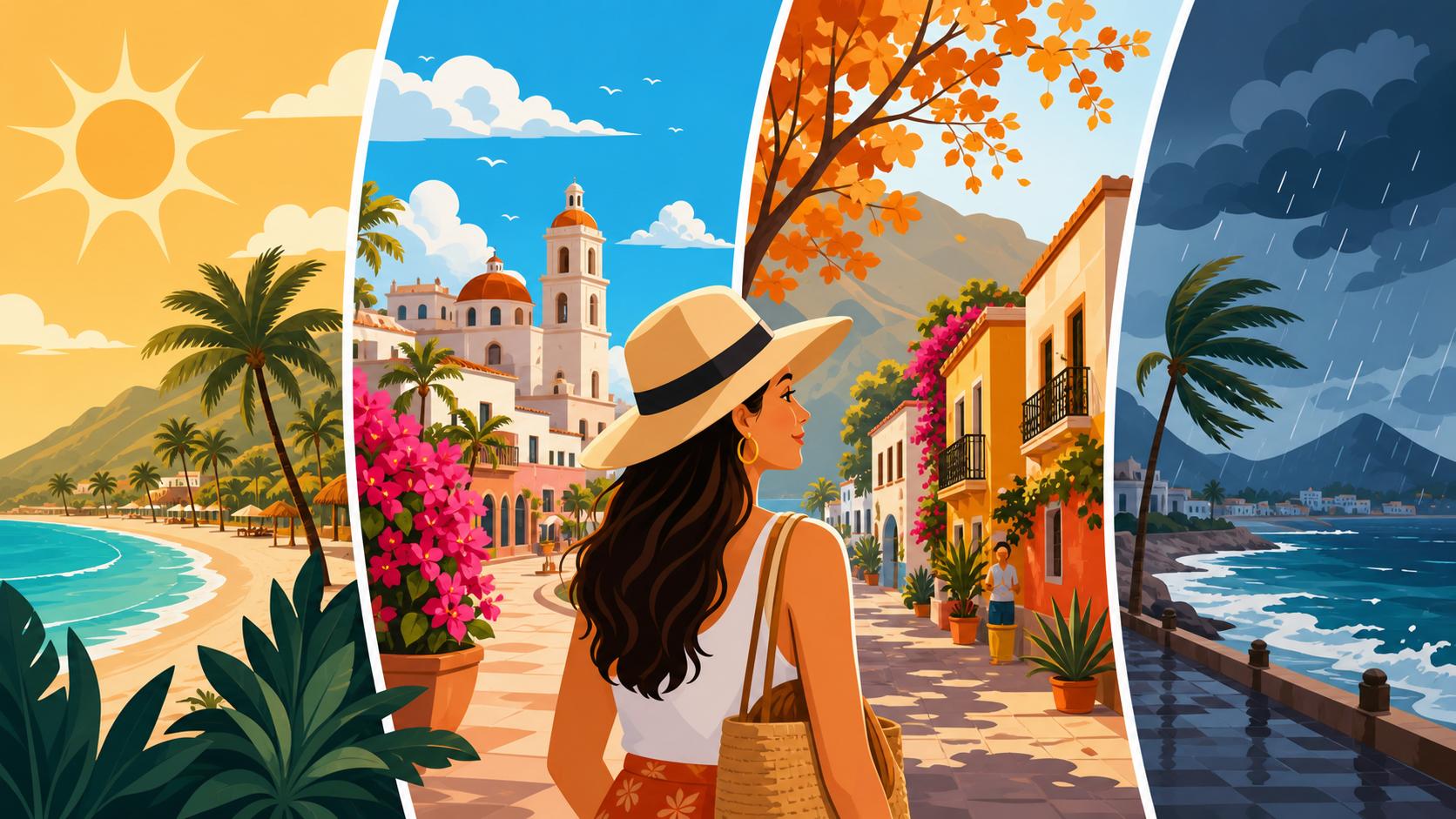
The Rhythmic Cycle of Mexican Tourism Seasons
Understanding the calendar is the first step toward reclaiming your life as an expat. Mexico does not just have "weather seasons"; it has "human seasons." If you are Living in Puerto Vallarta: Coastal Living Guide for Expats or residing in the heart of Tulum, your life will be dictated by the movement of people rather than just the movement of the sun.
High Season: The Golden Cage (December to April)
High season is when Mexico is at its most beautiful and its most expensive. From mid-December through Easter (Semana Santa), the weather is nearly perfect—clear blue skies, low humidity, and cool evenings. However, this is also when the "Snowbirds" from the US and Canada descend in droves.
During these months, cities like San Miguel de Allende or Cabo San Lucas feel like they are bursting at the seams. You will notice that the local "vibe" shifts from a sleepy community to a high-octane service economy. Restaurants that were empty in September now require reservations a week in advance. Traffic becomes a tangible entity that dictates when you can leave your house.
The most intense part of this period is Semana Santa (Holy Week). Unlike the international tourists who come for the winter, this week sees a massive influx of national tourists. Beaches that were already crowded become carpets of umbrellas. Noise levels peak as families celebrate with music and fireworks. For an expat, this is often the week to either hunker down with a full pantry or take a "reverse vacation" to a non-touristy mountain village or a big city like Mexico City, which often empties out as locals head to the coast.
Low Season: The Humid Silence (July to October)
When the heat begins to simmer in May and June, the crowds thin out. By August, many tourist towns feel like ghost towns. This is the period of intense heat, high humidity, and the peak of the Atlantic and Pacific hurricane seasons. If you are Living in Playa del Carmen: A Digital Nomad’s Beach Town Guide, you’ll learn that "rainy season" doesn't mean it rains all day; it usually means a massive, refreshing afternoon deluge followed by steam rising from the pavement.
The benefits of the low season are immense for the patient expat. The frantic energy of the service industry cools down, and you can finally have long conversations with the shopkeepers and waiters who were too busy to look at you in February. Prices for short-term rentals plumment, and the overall pace of life returns to a manageable, "mañana" speed. However, this is also when many businesses take their own vacations. Don't be surprised if your favorite Italian bistro or boutique gallery closes for the entire month of September.
Shoulder Seasons: The Sweet Spots (May, June, and November)
The shoulder seasons are the "best-kept secrets" of long-term residents. November is particularly magical; the rains have stopped, the landscape is incredibly lush and green, and the Day of the Dead festivities bring a deep cultural richness without the overwhelming crowds of late December. May and June are hot, but the massive crowds have left, and the summer rains haven't yet reached their peak. This is often the best time to negotiate long-term leases, as landlords are looking to lock in tenants before the uncertainty of the summer.
Financial Implications of Living in the Tourist Eye
The "Gringo Tax" is real, but it is highly seasonal. Your Cost of Living in Mexico: 2026 Comprehensive Guide will look very different in January than it does in July. In tourist areas, the economy is elastic, stretching to catch as many tourist dollars as possible during the peak and snapping back when the streets empty.
Rent and Accommodation Volatility
If you are a digital nomad or an expat without a long-term lease, the seasonal price swings can be devastating. A loft that rents for $1,200 USD a month on a year-long contract might go for $3,500 USD on Airbnb during the Christmas and New Year period.
Many expats use hubs like Selina to find a middle ground. Selina locations in places like Sayulita or Tulum offer a consistent community and reliable infrastructure even when the surrounding town is in a frenzy. Using the Co-Live packages at Selina can protect you from the predatory "holiday pricing" that local landlords often implement. If you are looking for a permanent home, never start your search in December. Start in May or October when landlords are anxious about vacancies and more willing to negotiate a fair, fixed monthly rate for a 12-month term.
The Fluctuating Cost of Daily Life
It isn't just rent. In tourist zones, even the price of a liter of milk or a bag of avocados can drift upward in "boutique" grocery stores during high season. Restaurants often swap out their menus for "Season Menus" with higher price points.
To combat this, veteran expats lean heavily into Grocery Shopping in Mexico: Supermarkets vs Local Markets. While the tourist-facing "Mini-supers" in the hotel zone will gouge you, the local "Tianguis" (open-air markets) usually maintain consistent pricing for residents who know the local "pesos" value of goods.
Infrastructure and Service Strain
The biggest frustration for expats living in tourist areas isn't the crowds—it's the failure of the systems meant to support them. Mexico's infrastructure in coastal towns is often built for a certain population, and when that population triples overnight, things start to break.
Internet Reliability and Digital Nomad Survival
When every hotel room in town is full and every tourist is uploading 4K reels to Instagram, the local bandwidth can tank. Even the Best Internet Providers in Mexico: Expats' Top Picks for Reliability can struggle with the sheer volume of users during peak weeks.
I have sat through many frustrating Zoom calls where the video froze because of town-wide congestion. This is why having a backup is non-negotiable. Many residents use Airalo to maintain an eSim with a secondary data provider. When the local fiber-optic line is congested or a construction crew accidentally clips a wire (a frequent occurrence in high season), having that Airalo data backup can save your professional reputation.
Traffic, Transport, and the Uber Struggle
In places like Cabo or Cancún, the "main strip" can become a parking lot. This is the time to master Using Uber and Ride-Sharing Apps: A Guide for Expats in Mexico. However, be aware that during high season, "surge pricing" becomes the norm rather than the exception. A ride that normally costs 60 pesos can jump to 300 pesos during a festival or holiday weekend.
Public transport like "Colectivos" (shared vans) also becomes a battleground. In the low season, you can easily find a seat; in the high season, you might see five vans pass you by, completely packed with hotel workers and tourists, before you find a spot.
| Feature | High Season (Dec – April) | Low Season (July – Oct) |
|---|---|---|
| Crowd Density | Extreme; Expect long lines for everything | Sparse; Feels like a local town |
| Rent Prices | 50-100% higher for short-term stays | Highly negotiable; many vacancies |
| Weather | Dry, cool breezes, perfect (75-80°F) | Humid, rainy, very hot (90°F+) |
| Service Speed | Slow; staff are overworked and stressed | Fast; personalized attention |
| Internet Speed | Potential lag due to network congestion | Generally stable and fast |
| Social Vibe | Party-centric; transient population | Community-focused; long-termers |
Cultural and Community Shifts
Living in a tourist area means watching your "home" change its identity every few months. This "Jekyll and Hyde" existence can be taxing on your mental health if you don't find a way to anchor yourself.
The Loss of "Local" Spaces
One of the hardest parts of the high season is losing your "third place." That quiet coffee shop where the barista knows your name suddenly becomes a chaotic hub for tourists asking for oat milk lattes in broken Spanish. To survive, you must find the "hidden" Mexico. This often means moving just three or four blocks away from the main tourist drag.
The most successful expats are those who build relationships with the local community that transcend the tourist economy. When you are a regular at a "Fonda" (a small, family-run eatery) located deep in a residential neighborhood, you will find that the high season madness barely touches you. These businesses value your year-round patronage over the one-time tip of a tourist.
Social Life and Networking for Expats
The social scene also shifts. During the high season, there are endless "Expat Meetups" and "Digital Nomad Mixers." It’s easy to make friends, but many of those friends will be gone by April. This can lead to "transient friendship fatigue."
In the low season, the community contracts. The people who remain are the "lifers"—the ones who have braved the humidity and the hurricanes. This is when real, deep community bonds are formed. If you want to truly integrate, don't just show up for the parties in January; show up for the rainy-day board game nights in September.
Practical Survival Strategies for Peak Months
If you choose to stay in a tourist zone during the peak months, you need a logistical plan. You cannot live the same way in January as you do in August.
Strategic Shopping and the Amazon Advantage
In high season, going to a physical store like Costco or a large Chedraui can be a four-hour ordeal. The parking lots are full of rental cars, and the checkout lines stretch to the back of the store. This is the time to embrace Online Shopping in Mexico: Using Amazon, MercadoLibre and Other Sites.
Using Amazon Mexico allows you to avoid the crowds entirely for non-perishable goods, electronics, and household essentials. When the traffic in town is at a standstill, having a delivery truck fight the crowds for you is a massive luxury. I always make sure my "High Season Survival Kit"—extra coffee, water filters, and pet food—is ordered via Amazon Mexico before the mid-December rush hits.
Adapting Your Schedule
The most successful residents of tourist towns are the ones who shift their schedules. If the tourists hit the beach at 11:00 AM, the locals are there at 7:00 AM and gone by 10:30 AM. If the restaurants are packed at 8:00 PM, learn to eat a "Comida Corrida" (the main Mexican meal) at 2:00 PM like a local.
You should also prepare for environmental factors. If you are staying through the summer, you must read up on Coping with Heat and Humidity: Tips for Expats in Tropical Climates. This isn't just about comfort; it's about home maintenance. High humidity in the low season can lead to "tropical mold" in your closets if you don't use dehumidifiers or keep the air circulating. Conversely, in the high season, you need to prepare for the noise. Investing in high-quality earplugs or a white noise machine is often more important than a fancy kitchen gadget.
Safety and Awareness During Crowds
Finally, be aware that while tourist areas are generally safe, the "crime of opportunity" increases when the crowds are thick. Pickpockets and petty thieves are more active in the high season. Conversely, in the low season, when streets are emptier, you need to be more mindful of your surroundings at night. If you are on the coast, you also need to keep an eye on the weather and have a plan for Hurricane Season Prep: Tips for Expats Living on the Coast. Living in paradise requires a certain level of vigilance that fluctuates as the seasons change.
Disclaimer
This guide is based on personal expat experiences and general trends in Mexican tourism as of 2026. Seasonal patterns, local laws, and economic conditions can vary significantly by region and can change without notice. Always consult with local authorities, legal professionals, or certified immigration experts for specific advice regarding your residency or financial situation in Mexico.