Watching TV in Mexico: Cable, Netflix, and Keeping Up with Shows
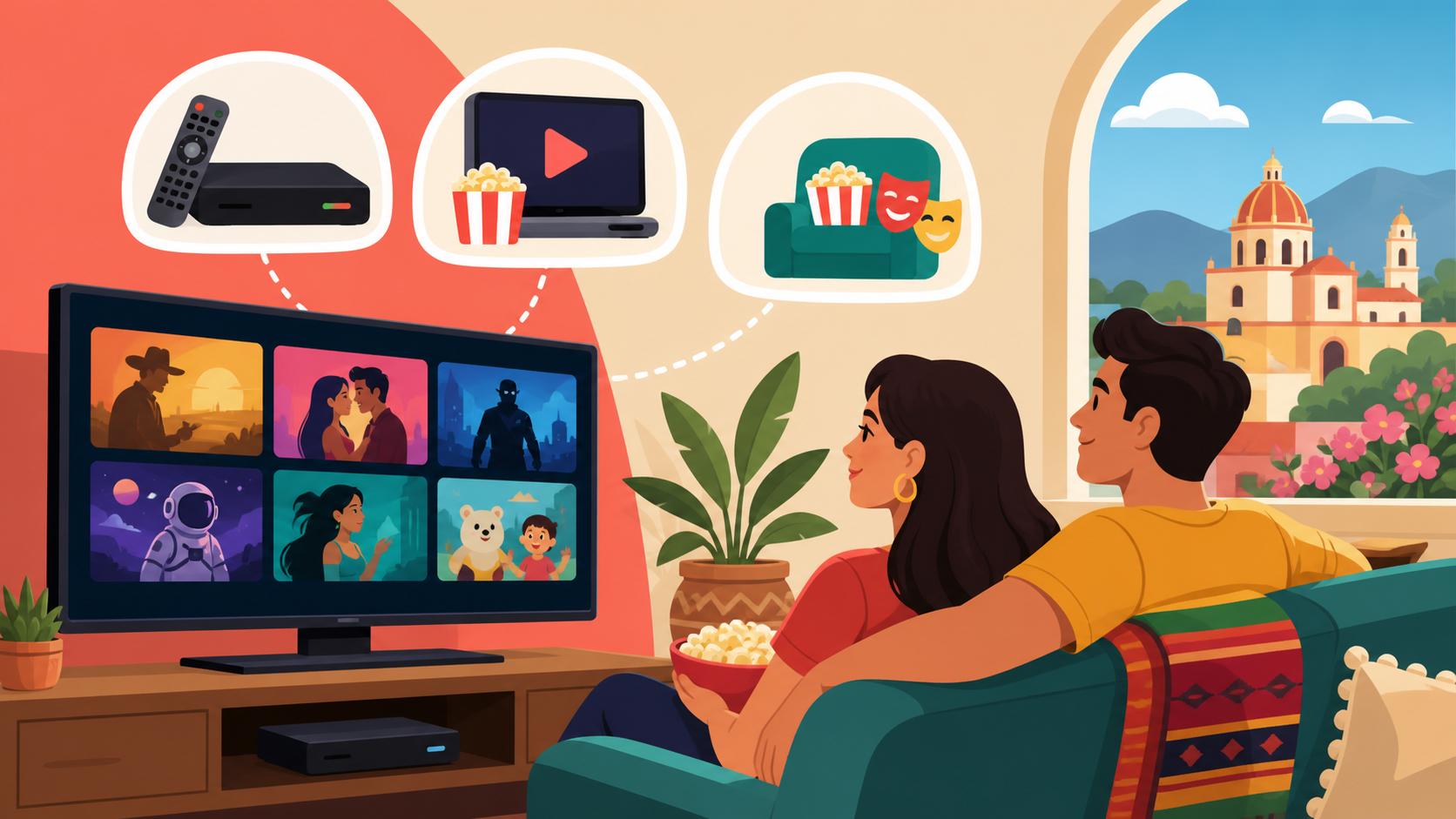
Nothing feels more isolating than sitting in your beautiful new Mexican home and realizing you cannot access the season finale everyone back home is buzzing about. I have personally spent far too many frustrated evenings wrestling with "content not available in your region" errors while my street tacos grew cold on the table. This guide solves the riddle of Mexican entertainment by walking you through cable providers, streaming nuances, and the hardware you need to stay connected.
Disclosure: This post may contain affiliate links. We may earn a commission at no extra cost to you if you make a purchase through these links. Read full disclosure.
Navigating the Streaming Landscape in Mexico
When you first log into your existing streaming accounts in Mexico, you might notice something strange: the library has shifted. Licensing agreements are territorial, meaning what you watched in Chicago or Toronto might not be available in Playa del Carmen. Understanding how these platforms operate locally is the first step toward a seamless viewing experience. For many, this realization is a key part of Settling in Mexico: Step-by-Step Guide to Your First 30 Days as an Expat.
Global Platforms and Local Libraries
Netflix remains a dominant force here, but the Mexican catalog is a unique beast. You will find a massive influx of Spanish-language content, from gritty crime dramas to beloved telenovelas, alongside a significant portion of the U.S. library. However, some high-profile licensed shows might be missing or, conversely, available in Mexico while they are locked behind different paywalls back home. Amazon Prime Video is another essential, often bundled with a local Amazon Prime membership which provides the added benefit of fast shipping via Amazon Mexico.
Disney+ and Max (formerly HBO Max) also have a strong presence. In Mexico, these services often offer "Standard" and "Platinum" tiers that vary in ad frequency and 4K availability. One thing to keep in mind is that the default audio is often Spanish. Most major platforms allow you to switch the audio track back to the original English and toggle subtitles, but doing so for every single episode can be a minor annoyance during your first few weeks of Living in Mexico: Cultural and Practical Guide for New Expats.
Regional Favorites: Vix and Beyond
To truly immerse yourself in the local culture—or to catch every single Liga MX soccer match—you might look into Vix. This is the heavy hitter for Spanish-language streaming globally and is the primary home for Mexican sports, news, and Televisa-Univision’s massive archives. While much of the content is in Spanish, it is a fantastic tool for language immersion. If you are a sports fan, missing out on Vix means missing out on the cultural heartbeat of the country during Sunday afternoon matches.
The Geo-Blocking Headache
The "Unavailable in your country" message is the bane of the expat existence. Services like Hulu, Peacock, or specific network apps from your home country often refuse to load once they detect a Mexican IP address. Veteran expats frequently turn to Virtual Private Networks (VPNs) to resolve this. By routing your internet traffic through a server in your home country, you can "spoof" your location. However, be warned: streaming giants are constantly updating their systems to block VPN IPs. It is a game of cat and mouse that requires a high-quality, paid VPN service rather than a free, unreliable version.
Choosing the Right Cable and Satellite Providers
While streaming is king for movies, traditional cable or fiber-optic TV is still the most reliable way to get local news, live events, and a consistent signal that does not rely entirely on your Wi-Fi bandwidth. The market is competitive, and choosing the right provider depends heavily on your specific neighborhood and the infrastructure available in your street.
Major Players: Izzi, Totalplay, and Sky
The "Big Three" in the Mexican television market offer very different experiences. Totalplay is widely considered the gold standard for expats because they utilize fiber-optic technology, which provides a much more stable connection for both TV and high-speed internet. Their interface is modern and often includes integrated apps like Netflix and YouTube directly on the cable box.
Izzi is the other major cable contender, particularly strong in Mexico City and larger metropolitan areas. They offer various bundles that can be quite cost-effective. Sky, on the other hand, is a satellite provider. While their internet speeds often lag behind the fiber-optic competitors, Sky is the go-to for residents in rural areas or "pueblos magicos" where cables have not yet been laid. If you live in a remote colonial home with thick stone walls, satellite might be your only consistent option. For more on these choices, check out Best Internet Providers in Mexico: Expats' Top Picks for Reliability.
Internet and TV Bundles
Most expats find that "triple-play" packages—Internet, TV, and Landline—are the most logical financial choice. In Mexico, the cost of adding a basic TV package to a high-speed internet plan is often negligible. When you sign up, the technician will usually provide a modem and a digital "deco" (decoder box) for the TV. Be prepared for a bit of a wait; while the companies are getting better, the "four-hour arrival window" is still a standard part of the experience. I have spent many a morning waiting for a technician who finally showed up just as I was about to give up and go for lunch.
English-Language Programming and the SAP Button
One of the best-kept secrets of Mexican cable is the SAP (Second Audio Program) button. Most high-end cable packages include channels like Sony, Warner, AXN, and Fox (now Star Channel). While the default broadcast is often dubbed into Spanish, many of these shows are broadcast with the original English audio track available. By diving into the "Audio" settings on your remote or cable box menu, you can often switch the language back to English instantly. This feature alone makes traditional cable worth the investment for those who miss the comfort of background noise in their native tongue.
| Provider | Technology | Best For | English Content Access |
|---|---|---|---|
| Totalplay | Fiber Optic | High-speed streaming & modern interface | High (Integrated apps & SAP) |
| Izzi | Cable/Fiber | Bundled savings in big cities | Medium (Good SAP options) |
| Sky | Satellite | Rural or remote areas | High (Specialty sports & international) |
| Star TV | Satellite | Budget-conscious rural setups | Low (Mainly Spanish) |
Tech Solutions for the Savvy Expat
Setting up your living room in Mexico is not just about picking a provider; it is about the hardware that bridges the gap between local infrastructure and international content. You want a setup that is robust enough to handle the occasional power flicker or the "heavy rain" signal drops that can plague certain regions during the wet season.
Hardware Essentials
If you didn't bring your streaming sticks with you, Amazon Mexico is your best friend. You can easily find the latest Fire TV Sticks, Roku devices, and Apple TV boxes. Roku is particularly popular in Mexico because its interface is very user-friendly and it has a localized "channel store" that includes all the major Mexican apps alongside the global ones. Smart TVs from brands like Samsung and LG are also widely available at retailers like Costco or Sam's Club, and they usually come pre-loaded with the essential apps you will need.
Connectivity and Mobile Streaming
For those moments when your home internet inevitably goes down—perhaps a stray kite got tangled in the lines or a heavy thunderstorm rolled through—having a backup is essential. I always recommend having a solid data plan on your phone. If you are traveling within the country or haven't set up your home fiber yet, using an eSim from Airalo can provide a quick data bridge so you don't miss a live game or an important broadcast. It is a lifesaver for the Digital Nomad Life in Mexico: Remote Work Living Guide where staying connected is not just about fun, but about survival.
Coworking and Shared Screens
If you are a digital nomad or a solo traveler, sometimes you just want a community "watch party" vibe. Places like Selina often have dedicated cinema rooms or common areas with large-screen TVs where travelers gather for major events like the World Cup, the Oscars, or the Super Bowl. It is a great way to meet fellow expats and avoid the technical hurdles of setting up your own system for just a few months of stay.
Understanding the Cost of Entertainment in Mexico
Entertainment in Mexico is generally more affordable than in the U.S. or Europe, but the "subscription creep" can still add up if you are not careful. When budgeting, you need to account for your base internet/cable bundle plus the individual streaming services. Most people find they can have a very robust setup for significantly less than they paid back home.
Monthly Budgeting for TV
A solid fiber-optic internet and TV bundle will typically run you between $700 and $1,200 MXN per month, depending on the speed and number of channels. Streaming services like Netflix and Disney+ are often priced slightly lower in pesos than their dollar equivalents, but they have been slowly rising to match global standards. To get an idea of how this fits into your broader expenses, see our Cost of Living in Mexico: 2026 Comprehensive Guide.
Paying the Bills
One of the quirks of Home Utilities in Mexico: Setting Up Electricity, Water, Gas, and Internet is the payment process. While you can set up autopay with a Mexican credit card, many expats prefer the "OXXO method." You simply take your paper bill or a digital barcode to any OXXO convenience store, pay in cash or with a local card, and the service is updated almost instantly. It’s a very manual process that feels strange at first, but it is incredibly reliable. You can read more about this in Paying Utility Bills in Mexico: Methods and Tips for Expats.
Avoiding Common Pitfalls
Be wary of "too good to be true" IPTV services offered in local Facebook groups. While they promise thousands of channels for a tiny fee, they are often illegal, unreliable, and can expose your home network to security risks. Stick to legitimate providers and well-known streaming apps. Also, remember that if you plan on ordering specialty hardware or high-end soundbars, Online Shopping in Mexico: Using Amazon, MercadoLibre and Other Sites is much safer and more efficient than trying to bring large electronics through customs at the airport, which can lead to hefty import taxes.
Disclaimer
The information provided in this guide is for informational purposes only. Service availability, pricing, and licensing agreements in Mexico are subject to change by providers and government regulations. We are not responsible for any technical issues, contract disputes, or regional content changes that may occur after the publication of this article. Always verify terms and conditions directly with the service providers before signing any long-term contracts.