Snowbird Connectivity: Keeping Data Working Across Two Countries
If you’ve spent any time as a snowbird, shuttling between your home country and the glorious sunshine of Mexico, you know the unique headache of staying connected. Juggling physical SIM cards, deciphering confusing international roaming charges, or finding reliable local data plans every time you cross the border can be an absolute nightmare. This guide is here to shed light on those frustrations and introduce a seamless, digital solution to keep your data flowing, no matter which side of the border you're on.
Disclosure: This post may contain affiliate links. We may earn a commission at no extra cost to you if you make a purchase through these links. Read full disclosure.
The Snowbird's Connectivity Conundrum: A Familiar Struggle
Ah, the life of a snowbird! One foot in your cozy home up north, the other dipping into the warm sands of Mexico. It's a fantastic lifestyle, but let's be honest, staying connected across two countries can feel like a part-time job you never signed up for. The moment you cross that border, your phone, which felt like an extension of your hand just hours ago, suddenly becomes a source of anxiety. Will my data work? How much will it cost? Do I need to find a new SIM card again?
The Pain Points of Cross-Border Data
We've all been there. The minute your plane touches down in Cancún or your car rolls across the border into Baja, your phone pings with a message: "Welcome to Mexico! International roaming rates apply." And just like that, a wave of dread washes over you. Your home carrier, bless their hearts, offers international roaming, but at what cost? We’re talking about rates that can make your eyes water faster than a habanero salsa. Trying to check Google Maps or send a quick WhatsApp message to your family can quickly rack up a bill that costs more than your flight down here.
Then there's the physical SIM card dance. You arrive, hunt down a local OXXO or a phone store, try to explain in broken Spanish what kind of data plan you need, fumble with a tiny ejector tool, swap out your home SIM, and hope you don't lose the precious little piece of plastic. And what happens when you head back home? Repeat the process in reverse! It's not just an inconvenience; it's a minor administrative hurdle every time you migrate, and frankly, who needs more of those when you're trying to enjoy your retirement or escape the winter chill?
Why Traditional Solutions Fall Short
When it comes to staying connected while living part-time in Mexico, many of us have tried every trick in the book. You might consider just relying on Wi-Fi, but let's be realistic: Wi-Fi isn't always reliable, especially when you're out exploring a new Pueblo Mágico or need to navigate a busy city street. Plus, public Wi-Fi can be a security risk.
Another common strategy is to simply stick with your home carrier's international plan. Companies like AT&T, Verizon, and T-Mobile in the US, or Rogers and Bell in Canada, offer plans that include Mexico. While convenient, these often come with limitations: throttled speeds after a certain data threshold, higher monthly fees, or a cap on how much data you can actually use before it becomes excruciatingly slow. For someone spending several months a year in Mexico, these plans can quickly become expensive and restrictive. You want to stream music by the pool, video call the grandkids, and look up nearby restaurants without constantly worrying about data limits or hidden charges.
Buying a local physical SIM card from a Mexican provider like Telcel, AT&T Mexico, or Movistar is another option. And yes, it usually offers better local rates. But again, you're dealing with the physical swap, the potential language barrier, and the need to remember to top it up regularly. And what if you have a special promotion or a family plan with your home carrier that you want to keep for calls and texts? You can't just throw that SIM away. You're stuck carrying two phones or constantly swapping cards, which is far from ideal. This is why the typical methods for keeping data working across two countries often fall short for the seasoned snowbird who values ease and efficiency.
Embracing eSIM Technology for Seamless Connectivity: The Airalo Advantage
The truth is, many of us who've lived in Mexico for a while have dreamt of a magical solution to the cross-border data dilemma. Something that lets us keep our home number active for important calls and texts, but provides affordable, reliable data the moment we land in Mexico, all without touching a physical SIM card. Well, my friends, that magic exists, and it's called eSIM technology. And when it comes to leveraging this tech for snowbirds, Airalo is truly a game-changer.
What is an eSIM and How Does it Work?
An eSIM, or embedded SIM, is essentially a digital SIM card built directly into your phone. Instead of having a tiny piece of plastic you insert into a slot, your phone has a programmable chip that can store multiple "SIM profiles" digitally. This means you can switch between different carriers and data plans with just a few taps on your screen, without ever needing to open your SIM tray. Most newer smartphones, starting with iPhone XR/XS models and many Android flagships, come with eSIM capability.
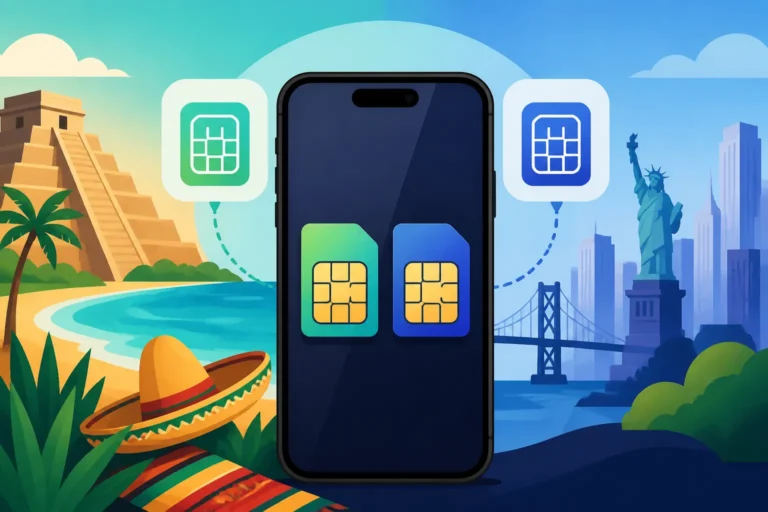
Here's the beautiful part: your phone can operate with both a physical SIM (your home number, for instance) and an eSIM simultaneously. This "dual SIM" capability is a godsend for snowbirds. You can keep your primary phone number active for calls and texts from your home country, while using a separate eSIM profile for all your data needs when you're in Mexico. No more missed calls because your physical SIM is tucked away in a drawer!
Airalo: Your Go-To Solution for Snowbird Data
Now, enter Airalo. Think of them as your personal data genie, offering affordable, prepaid eSIM plans for countries all over the world, including Mexico. For snowbirds, this is nothing short of revolutionary. Instead of dealing with the stress and expense of international roaming or the hassle of buying local physical SIMs, you can purchase an Airalo eSIM for Mexico before you even leave home.
When you land, you simply activate the Airalo eSIM profile on your phone, and voilà – you have instant, local data access at local rates. No hunting for stores, no language barriers, no fumbling with tiny cards. It's incredibly convenient. Plus, you can often choose regional plans that cover North America, meaning you're covered for both the U.S. and Mexico with a single Airalo plan, simplifying your life even further.
What makes Airalo the hero for snowbirds?
- Cost-Effectiveness: Airalo offers highly competitive rates, often significantly cheaper than international roaming from your home carrier.
- Convenience: Buy and activate digitally. No physical SIM card needed. Ever.
- Flexibility: Choose plans based on data needs and duration – whether it's a week-long visit or several months. You can easily top up your Airalo plan if you need more data.
- Dual SIM Advantage: Keep your home number active on your physical SIM for calls/texts, while Airalo handles your data.
- Control: Easily monitor your data usage through the Airalo app and top up whenever you need to, putting you in charge of your spending.
This truly transforms the connectivity experience for anyone regularly traveling between two countries. It's about empowering you to stay connected on your terms, with less stress and more savings.
Step-by-Step Guide to Using Airalo in Mexico
Ready to ditch the SIM card scramble and embrace seamless connectivity? Using Airalo for your Mexico adventures is surprisingly straightforward. Think of it as a digital upgrade to your phone's travel toolkit. Here's how to get set up and start enjoying data without borders.
Choosing Your Airalo Plan
The first step is picking the right Airalo plan for your needs. This is where a little planning goes a long way.
- Download the Airalo App: Head to your phone's app store (iOS or Android) and download the free Airalo app. Create an account.
- Search for Mexico: In the app, you can search for "Mexico" or "North America" if you want a regional plan that covers both the U.S. and Mexico. This is a great option for true snowbirds who need coverage in both countries.
- Review Available Plans: You'll see a variety of plans listed, typically categorized by data allowance (e.g., 1GB, 3GB, 5GB, 10GB) and validity period (e.g., 7 days, 15 days, 30 days, 90 days).
- Consider your typical usage: Are you a heavy streamer or mostly just checking emails and WhatsApp? For lighter use, a smaller plan might suffice, but for longer stays or more intensive use, you'll want a larger data package.
- Match validity to your stay: If you're staying for two months, a 60-day or 90-day plan would be ideal. Many people opt for a larger 90-day plan if they're settling in for the winter.
- Purchase Your Plan: Once you've selected the perfect plan, follow the prompts to purchase it securely within the Airalo app. You can usually pay with a credit card or PayPal.
Remember, the beauty of Airalo is its flexibility. If you underestimate your data needs, topping up is easy.
Installation and Activation
This is where the magic happens, and it's far simpler than you might imagine.
- Installation Method: After purchase, Airalo will give you options to install the eSIM. The easiest method is usually a direct installation (if your phone supports it, just follow the prompts in the app) or via a QR code.
- QR Code: If using a QR code, you'll need a second device (like a tablet or another phone) to display the QR code, or print it out. On your main phone, go to Settings > Cellular (or Mobile Data) > Add eSIM (or Add Data Plan), and then choose to scan the QR code.
- Manual Entry: If those don't work, there's a manual entry option where you copy and paste details provided by Airalo.
- Label Your eSIM: Once installed, your phone will ask you to label your new eSIM. Call it something clear, like "Mexico Data" or "Airalo Mexico," so you can easily distinguish it from your home SIM.
- Set as Data Default (in Mexico): When you arrive in Mexico, or are about to, go into your phone's cellular settings.
- Set your Airalo eSIM as your primary data line.
- Crucially: Make sure "Data Roaming" is turned on for your Airalo eSIM. This is often confusing for new users, but since Airalo is a foreign provider for your phone, it needs data roaming enabled to connect to local Mexican networks. (Don't worry, these are local rates, not expensive international roaming!)
- Ensure your home physical SIM is still active if you want to receive calls/texts on that number, but set it not to use data to avoid accidental charges.
- Connect to a Local Network: Your Airalo eSIM should automatically connect to a partner network in Mexico (often Telcel or Movistar, depending on the plan). You should see LTE or 5G appear next to your signal bars.
That's it! You're connected. You can now use your data just like a local, without the stress. This process is so much easier than navigating the complexities of traditional international roaming or physical SIM card purchases.
Managing Your Data and Staying Connected
Once your Airalo eSIM is up and running, managing your data is a breeze.
- Monitor Usage in the App: The Airalo app is your control center. It clearly shows how much data you've used and how much you have left, along with your plan's expiration date. This transparency is fantastic for budgeting and preventing overages.
- Topping Up: If you find yourself running low on data, simply open the Airalo app, navigate to your active Mexico plan, and choose a "Top Up" option. You can buy additional data packages (e.g., another 1GB, 3GB) or extend the validity period, all from your phone, wherever you are. This flexibility is a major advantage for Airalo users.
- Switching Between SIMs: Your phone's cellular settings allow you to easily toggle which SIM card handles your data. When you fly back home, you can simply switch your data back to your home physical SIM with a few taps. When you return to Mexico, switch it back to your "Airalo Mexico" eSIM. It's truly that simple.
- Troubleshooting: If you have any issues, first try restarting your phone. If that doesn't work, double-check your phone's cellular settings to ensure the Airalo eSIM is selected for data and data roaming is on. If problems persist, Airalo has excellent customer support available directly through the app.
Using an eSIM like Airalo streamlines your connectivity, making your snowbird experience far more enjoyable and less about technical headaches. This allows you to focus on enjoying the vibrant culture, delicious food, and beautiful scenery of Mexico.
Maximizing Your Connectivity as a Mexico Snowbird
As an expat living between two countries, smart connectivity isn't just a luxury; it's a necessity. We've talked about how Airalo makes data seamless, but there are other practical considerations to ensure you're always connected, no matter where your Mexican adventures take you.
Keeping Your Home Number Active for Calls and Texts
This is perhaps one of the biggest benefits of embracing eSIM technology with a provider like Airalo. For years, the dilemma for snowbirds was this: do I keep my home SIM active and pay exorbitant roaming charges for data, or do I swap to a local Mexican SIM and risk missing important calls or texts to my primary number?
With Airalo, you don't have to choose. Your phone, if it's eSIM compatible, can operate with both your physical SIM (your home number) and the Airalo eSIM simultaneously.
- Physical SIM for Calls/Texts: When you're in Mexico, you can keep your home physical SIM card enabled for calls and text messages. While some carriers might charge a per-minute or per-text fee for international roaming, these costs are often far lower than data roaming charges. This means your friends, family, and banks can still reach you on your familiar number.
- eSIM for Data: Meanwhile, your Airalo eSIM handles all your data needs, from browsing the web to using navigation apps, at local Mexican rates. This hybrid approach ensures you maintain full communication capabilities without breaking the bank. It's truly the best of both worlds and allows you to Use Telemedicine Services in Mexico or access your banking apps without concern.
Wi-Fi Hotspots and Backup Options
While Airalo provides excellent data coverage, it's always smart to have a multi-pronged approach to connectivity, especially when living in a new country.
- Leverage Wi-Fi: Most cafes, restaurants, and accommodations in Mexico offer free Wi-Fi. Always ask for the password and use these opportunities to save your Airalo data. However, exercise caution with public Wi-Fi networks, as they can be less secure. Consider using a VPN for sensitive transactions.
- Home Internet: If you're renting a place for an extended period, ensure you have reliable home internet. Services like Telmex or Totalplay are common. Having a strong Wi-Fi signal at home reduces your reliance on mobile data significantly, making your Airalo plan last longer. You can read more about Internet and Mobile Providers in Mexico.
- Secondary Physical SIM: In very remote areas, or if you simply prefer having a physical backup, you might consider purchasing a cheap local physical SIM card from Telcel or Movistar as a secondary option, perhaps with a minimal data plan, just in case. However, for most urban and popular expat areas, your Airalo eSIM will likely be more than sufficient.
Troubleshooting Common Connectivity Issues
Even with the best technology, sometimes things go wonky. Here are a few quick troubleshooting tips for your Airalo eSIM:
- Restart Your Phone: The classic fix often works wonders. A quick restart can refresh network connections.
- Check APN Settings: Occasionally, an eSIM might need its Access Point Name (APN) settings manually configured. Airalo provides these instructions in their app if needed, but it's usually automatic.
- Ensure Data Roaming is ON: As mentioned, for your Airalo eSIM to work on local Mexican networks, data roaming must be enabled in your phone's cellular settings for that specific eSIM. This is a common point of confusion.
- Toggle Airplane Mode: Turning airplane mode on and then off can sometimes kickstart a connection.
- Network Selection: In your cellular settings, you can often manually select a network provider. If your Airalo eSIM isn't connecting automatically, try manually choosing a local carrier like Telcel or Movistar.
- Contact Airalo Support: If all else fails, Airalo has a responsive customer support team available through their app. They can provide personalized assistance to get you back online.
By understanding these ins and outs, you can truly master your connectivity as a snowbird in Mexico, focusing less on technical woes and more on enjoying your incredible life here. Whether you need to find English-Speaking Doctors and Specialists in Mexico or just connect with friends, seamless data is key.
Here's a quick comparison of connectivity options for snowbirds:
| Feature | Home Carrier Roaming (e.g., AT&T, Rogers) | Local Physical SIM (Telcel, Movistar) | eSIM (e.g., Airalo) |
|---|---|---|---|
| Cost | High, especially for data | Low-moderate | Low-moderate (often better than local physical SIM) |
| Convenience | High (auto-connect) | Low (purchase, swap, register) | High (digital purchase, instant activation) |
| Physical SIM Swap | None | Yes, multiple times | None |
| Keep Home Number | Yes | No (requires two phones/swaps) | Yes (use physical SIM for calls/texts, eSIM for data) |
| Data Control | Often limited, risk of bill shock | Good | Excellent (app monitoring, easy top-ups with Airalo) |
| Flexibility | Limited plan options | Good | Excellent (variety of data/duration plans with Airalo) |
| Pre-arrival Setup | Yes | No | Yes, activate your Airalo plan before you even land! |
| Availability | Carrier-dependent | Requires finding local store | Global coverage through Airalo, available anywhere |
For snowbirds, the ability to Renew Your Temporary Resident Visa or navigate The Canje Process: Exchanging Your Visa for a Resident Card often requires online access. Having a reliable data connection, especially one as easy to manage as Airalo, makes these bureaucratic tasks less daunting. Additionally, staying connected is crucial for handling your finances, whether you're learning How to Open a Bank Account in Mexico or Transferring Money Internationally. Your connectivity directly impacts your ease of life in Mexico, allowing you to access information on topics like What Happens If Your Mexican Residency Card Expires? or even finding How to Apply for a Mexican Student Visa if you're pursuing studies.
So, next time you're packing your bags for your Mexican winter escape, don't let connectivity be an afterthought. With a little foresight and the power of an Airalo eSIM, you can ensure your data works just as seamlessly as you glide across the border, making your time in Mexico even more relaxing and enjoyable.
Disclaimer
Please note that immigration laws, financial requirements, and service offerings (including those from mobile carriers and eSIM providers like Airalo) can change frequently in Mexico. While we strive to provide the most current and accurate information based on our experience and research, it is essential to verify all details with official sources, such as the Mexican consulate, INM, or the service providers themselves, before making any decisions. This guide is for informational purposes only and does not constitute professional advice.