Managing a Home in Mexico From Abroad
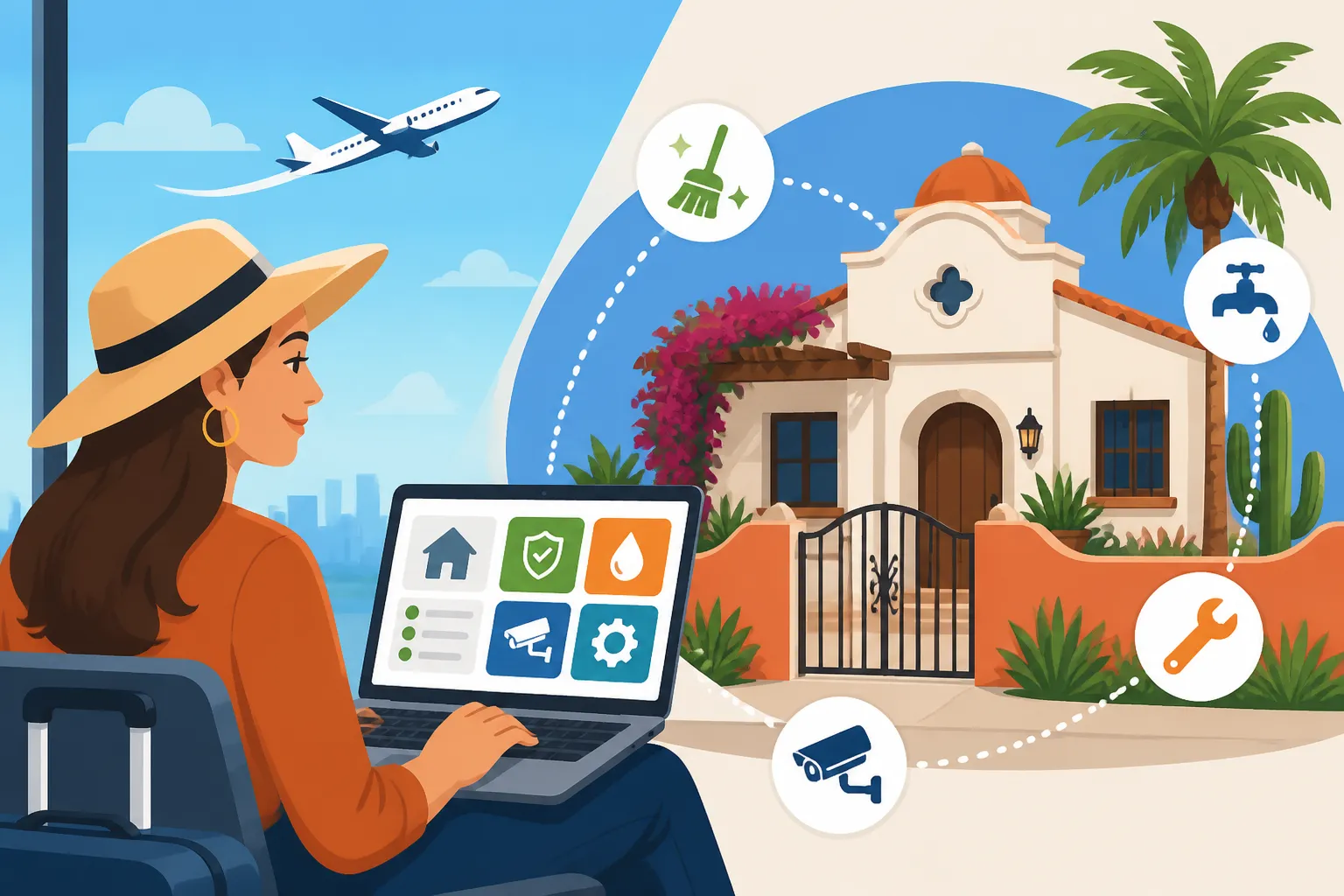
Six months after closing on a little house in Mérida or a condo in Puerto Vallarta, many owners fly home and find out what remote ownership really involves. A CFE bill arrives at an empty mailbox. The roof leaks during the first summer storm. A caretaker stops answering WhatsApp. This guide covers the systems, people and habits that keep a Mexican home running while you are thousands of kilometers away.
Disclosure: This post may contain affiliate links. We may earn a commission at no extra cost to you if you make a purchase through these links. Read full disclosure.
Why Running a Mexican Home Remotely Is Harder Than It Looks
I owned my place in Mexico for almost a year before I understood how much of homeownership here depends on simply being there. Back home I had automatic payments, a mailbox and a hardware store that delivered. In Mexico, much of what keeps a house running happens face to face: the gas truck driver honking outside, the neighbor who tells you the water was cut, the man at the municipal office who wants the original document and not a photo of it.
None of this means owning from abroad is a bad idea. Thousands of snowbirds, part-time residents and future retirees do it every year. It does mean you need to build structure deliberately instead of hoping things will sort themselves out.
The Cash-and-Paper Culture Does Not Wait for You
A lot of Mexican household administration still runs on physical paperwork and in-person payments. Utility bills get dropped at the door or tucked into the gate. Some municipal water authorities in smaller towns only accept payment at their own window. Plenty of plumbers, gardeners and electricians expect cash, or at best a bank transfer to a personal account.
Picture this. You are in Calgary in February and your caretaker in San Miguel de Allende messages to say the water heater has died. The repairman wants payment before he buys the part. If you have no way to move pesos quickly to someone you trust, a one-day fix becomes a two-week standoff. Multiply that by every small household need and you can see why remote owners who skip the setup phase end up exhausted.
Paper creates its own trap. Notices about rate changes, service cuts, condo assemblies or municipal works often arrive physically. If nobody collects them, you learn about a problem only when it has become a crisis. One of the first jobs for any absentee owner is making sure a real person reads the mail.
Small Problems Grow Fast When Nobody Is Watching
Climate is the other reason remote ownership needs attention. A coastal home left closed for months in humid heat can grow mold on walls, mattresses and leather in a single season. A small crack in a flat concrete roof, which is very common in Mexican construction, can turn into a ceiling stain and then a soaked bedroom once the summer rains begin.
Pests take advantage of empty houses as well. Termites, ants, scorpions in the drier highlands and rodents in rural areas all move in when nobody is disturbing them. A leaking tinaco or a stuck float valve in a cistern can empty your water supply or flood a patio, and with no one around, that can go on for weeks.
The pattern is the same every time. In Mexico, problems rarely stay small for long when a house is unattended. The answer is not to worry from afar. It is to put eyes on the property regularly and give those eyes the authority and money to act.
Keeping Bills, Predial, and Fees Paid From Abroad
Most horror stories about remote ownership start with a missed payment. Electricity gets disconnected, a water account goes into arrears, or condo fees build up until the administration restricts amenity access. The good news is that most recurring costs can now be handled remotely if you set them up properly. The broader landscape is covered in Paying Utility Bills in Mexico: Methods and Tips for Expats, but here is how it looks when you are not in the country.
Utilities: CFE, Water, Gas, and Internet
Electricity from CFE is usually the easiest bill to manage remotely. CFE lets you pay online with the service number printed on your bill, and most major Mexican banks let you add CFE as a payee in their apps. The walkthrough in How to Pay Your CFE Electricity Bill in Mexico covers the details. Remote owners should also keep an eye on consumption. If a tenant or house-sitter runs the air conditioning nonstop, your account can be moved into a much more expensive high-consumption tariff, and getting back out takes time.
Water depends far more on where you are. Each municipality or state runs its own water authority, and their online systems range from polished to non-existent. In some cities you can pay through a bank app or the authority’s website. In others someone has to physically visit an office. Ask your caretaker or a neighbor what locals do, because that answer is usually more reliable than the official website.
Gas is the hardest to manage from afar. Homes with cylinders need someone to call the truck and swap tanks. Homes with a stationary tank need someone to order a refill and be home when the truck arrives. If gas runs out while you are away, it is often harmless, but it matters if a renter or caretaker relies on the water heater. Internet providers such as Telmex, Totalplay and izzi generally offer online billing and card payments. If you suspend service during long absences, ask whether reconnection requires a technician visit, because that can take longer than you expect.
Predial and Condo Cuotas
Predial, the annual property tax, is paid to the municipality. Many municipalities give an early-payment discount at the start of the year and charge surcharges for late payment. Larger cities increasingly allow online payment using your cuenta catastral or property account number. Smaller municipalities may still need someone to go in person with the previous receipt. The fundamentals are covered in Property Taxes in Mexico: What Expats Need to Know About Predial.
If you live in a condominium or gated community, the monthly cuota de mantenimiento matters even more day to day. Administrations generally publish a CLABE for transfers and expect a reference number or your unit number in the transfer concept so they can match the payment. Unpaid fees can lead to access restrictions or legal action under state condominium law, and they will need to be settled before any sale. For budgeting, see HOA and Maintenance Fees: Budgeting for Gated Communities and Condos. For the mechanics of paying both from outside the country, Paying Predial and HOA Fees on a Mexican Property From Abroad goes into the transfer side.
One habit has saved me repeatedly. Ask the administration to add you to the owners’ WhatsApp group or email list. That is where special assessments, assembly dates and water-cut warnings get announced, often long before any formal notice arrives.
Automating Payments Without Losing Control
Mexican banks offer domiciliación, a direct-debit arrangement for recurring charges such as electricity, phone and internet. Combined with a Mexican account you can operate entirely through an app, it removes a lot of monthly friction. The catch is that a domiciled payment fails silently if the account runs dry. Build in a reminder to check your balance and statements every month.
Many owners use a hybrid setup. Electricity, internet and condo fees are automated or paid through the bank app. A small float of pesos goes to a caretaker for gas, water at the window, garrafones of drinking water and minor repairs. The caretaker sends photos of every receipt to a shared WhatsApp chat. This keeps you in control without forcing you to approve every errand personally.
| Recurring Cost | Typical Remote Payment Method | Needs Someone On Site? | Main Risk If Missed |
|---|---|---|---|
| CFE electricity | Online, bank app or domiciliación | Rarely | Disconnection and reconnection hassle |
| Municipal water | Varies by city, online or at the office window | Sometimes | Service cut or debt attached to the property |
| Gas, cylinder or stationary | Caretaker orders and pays the delivery | Yes | No hot water or cooking for occupants |
| Internet | Online card payment or domiciliación | Rarely | Suspension, possible technician visit to restore |
| Predial | Municipal portal or in person, depending on city | Sometimes | Surcharges and complications at sale |
| Condo cuotas | Transfer to administration CLABE | Rarely | Access restrictions or legal claims |
Choosing Who Looks After Your House
Bills are the easy part. The bigger question is who will be your eyes, ears and hands. I have seen owners do well with every model below, and I have seen every model fail when expectations were vague. Whoever you choose, put the arrangement in writing, even if it is only a clear WhatsApp message both of you acknowledge.
Trusted Neighbor or Friend
Plenty of owners start with a neighbor who agrees to keep an eye on the place, or a friend in the local expat community who stops by now and then. It costs little or nothing, and neighbors notice things outsiders miss: a strange car parked out front, water running down the street from your gutter, a gate left open.
The weakness is that goodwill has limits. Asking a neighbor to collect mail is fine. Asking them to supervise a plumber, chase the gas truck and deal with a roof leak during a storm is a different relationship entirely. If you take this route, show appreciation in concrete ways. Bring a thoughtful gift when you visit, pay for their time on bigger tasks, and never let them spend their own money on your house without reimbursing them fast. Advice on handling these relationships well is in Being a Good Neighbor: Etiquette Tips in Mexican Neighborhoods.
Live-In or Visiting Caretaker
In many Mexican towns, especially colonial cities, lake communities and rural properties, owners employ a cuidador. Some live on site. Others visit on a schedule to air out rooms, water plants, run taps, check the roof and sweep. A good caretaker is the single best defense against the slow decay of an empty house. They also tend to have the local contacts, such as the electrician’s cousin or the water truck driver, that you will never find online.
This is employment, though, and it comes with obligations under Mexican labor law, including the rules for domestic workers. Treat it as a proper working relationship with agreed duties, clear pay and the benefits the law requires. Hiring Domestic Help in Mexico: Norms and Pay explains the norms, and a local accountant can tell you exactly what registration applies to your situation.
Agree on the routine in advance. A useful weekly checklist might include:
- Open all windows and doors for at least an hour to circulate air.
- Run every tap and flush every toilet to keep traps full and pipes clear.
- Check the cistern and tinaco levels and confirm the float valves work.
- Inspect ceilings, especially below the roof, for new stains.
- Look for droppings, termite trails or insect activity.
- Photograph anything unusual and send it to the shared chat the same day.
Professional Property Management
In cities with large foreign communities, such as Puerto Vallarta, Playa del Carmen, Cancún, San Miguel de Allende, Lake Chapala and Mérida, you will find property management companies serving absentee owners. Services usually include scheduled inspections, bill payment from a funded account, coordinating repairs, managing rentals and sending monthly reports. Fee structures vary. Some charge a flat monthly retainer and others take a cut of rental income, so ask for a written breakdown and compare several firms.
The advantage is professionalism and continuity. A company does not quit because of a family emergency. The disadvantage is distance. Your house is one of many on their list, and markups on repairs can add up. Ask for itemized invoices with photos, references from owners who have used them for years, and the right to approve any repair above an agreed threshold. If you need to find tradespeople yourself, How to Find Reliable Handymen and Services in Mexico offers practical vetting tips.
| Management Option | Cost Shape | Best For | Watch Out For |
|---|---|---|---|
| Trusted neighbor or friend | Free or small thank-you payments | Short absences, simple homes | Burnout and unclear expectations |
| Visiting or live-in caretaker | Regular wages plus legal employer obligations | Houses in colonial and rural towns | Labor law compliance, trust over time |
| Property management company | Monthly retainer or share of rental income | Rental properties, long absences | Repair markups, slow response at peak season |
| Condo or HOA administration | Included in cuotas for common areas only | Apartments in managed buildings | Does not cover the inside of your unit |
Maintenance, Climate, and Seasonal Threats
Mexico’s climate ranges from the dry highlands of the Bajío to the steamy Yucatán and hurricane-exposed coasts, and each region attacks a house differently. Remote owners need to schedule maintenance around the calendar instead of reacting to damage after it has happened.
Rainy Season, Roofs, and Impermeabilización
Most of Mexico has a pronounced summer rainy season. Flat concrete roofs, known as losas, are standard, and they depend on a waterproofing layer called impermeabilizante. That layer degrades in the sun and needs to be renewed periodically. The smart move is to have your caretaker or manager inspect the roof and schedule waterproofing in the dry months before the rains begin. Contractors get booked up fast once the first storm hits.
Drains matter just as much. Leaves, dust and bird nests clog roof drains, and water pools on a flat roof until it finds a crack. A quick clean-out before the rainy season and after big storms is cheap insurance. If you are getting quotes and want to communicate clearly with a roofer, Dealing With Contractors and Handymen in Spanish: Lesson Prep can help you build the vocabulary for these conversations.
Hurricanes, Humidity, and Coastal Wear
If your property is on the Caribbean or Pacific coast, hurricane season needs a written plan: who installs shutters or boards, who brings in patio furniture, who checks the house after a storm, and how they will reach you if cell networks go down. Hurricane Season Prep: Tips for Expats Living on the Coast covers the preparation side, and Power Outages in Mexico: How to Prepare for Electrical Blackouts helps with the electricity question, including whether a refrigerator full of food should be emptied before you leave.
Humidity is the quieter enemy. Closed coastal homes need airflow, dehumidifiers or regular airing out, plus cabinets left slightly open. Salt air corrodes hinges, appliances, light fixtures and anything made of cheap metal. Will Your Furniture Survive? Humidity, Salt Air, and Coastal Mexico explains which materials hold up and which fall apart. Before you leave for a long stretch, cover upholstered pieces with breathable fabric rather than plastic, which traps moisture and invites mold.
Water Systems, Gas, and Pests
Many Mexican homes store water in an underground cistern and a rooftop tinaco, then pump between them. When you are away, the pump, float valves and tank lids are all failure points. A stuck valve can overflow continuously, and a loose lid lets in debris and mosquitoes. Cleaning the cistern and tinaco on a regular schedule matters for both hygiene and equipment life. Household Quirks in Mexico: Water Cisterns, Gas Tanks, and More explains how these systems work if your home has them.
For long absences, many owners close the main gas valve and turn off the water heater pilot, then have the caretaker relight it before the next arrival. Pest control should be scheduled rather than reactive. A fumigation service visiting regularly, plus a termite inspection for homes with wooden beams or furniture, prevents nasty surprises. Dealing with Insects and Pests in Your Mexican Home goes through region-specific threats, from Yucatán termites to highland scorpions.
Security, Legal Authority, and Renting It Out
An empty house sends a message, and the goal is to make yours look lived in and well watched. At the same time, the person caring for it needs the legal standing to act on your behalf, and you need to decide whether the house should earn income while you are gone.
Keeping an Empty House Safe
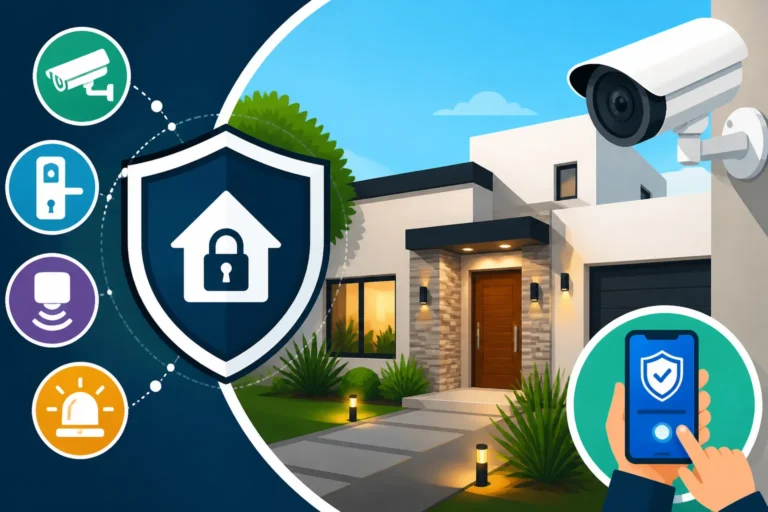
Basic security measures go a long way. Reinforced doors, good locks, window bars where they are common in the neighborhood, and exterior lighting on timers all help. Wi-Fi cameras have become popular with absentee owners, but they only work if the internet stays on and someone responds to alerts. Combine them with a person who can physically check the house. Home Security in Mexico: Tips for Securing Your House or Apartment goes into equipment and neighborhood strategies.
Visible occupancy cues matter too. A caretaker who visits on irregular days, a gardener who keeps the entrance tidy and mail that never piles up all suggest someone is around. In gated communities, tell the guard booth in writing who is authorized to enter while you are away and who is not. That simple list prevents many disputes.
Giving Someone Legal Power to Act
Sooner or later someone will need to sign for you. That might be at the CFE office to change the account holder, at the water authority, with the condo administration, or in an emergency involving insurance. In Mexico, a simple carta poder works for some minor administrative tasks. More significant acts usually need a poder notarial, a power of attorney granted before a notario público.
You can grant a power of attorney that is limited to specific acts, such as administration and paperwork, without giving anyone the ability to sell or mortgage the property. That distinction is crucial. Discuss the scope with a notario before you sign anything, and keep the document’s details in a safe place you can reach from abroad. If you are outside Mexico when you need to grant one, Mexican consulates can generally help, and the notario can explain any extra legalization steps.
Renting While You’re Away
Renting out the house can cover maintenance costs and keep it occupied, which helps with humidity and security. But renting adds work: guest turnover, cleaning, repairs between stays, reviews and local rules on short-term rentals, which vary by city and by condo regulations. Check your building’s reglamento before listing anything, because some condominiums restrict short-term rentals.
Long-term tenants mean less turnover but a different risk profile. You need a solid lease, a clear deposit policy and someone local to handle problems. Understanding Mexican Rental Contracts: Key Terms and Tenant Rights shows the tenant-side view you will be dealing with. Rental income also creates tax obligations, potentially in more than one country. Renting Out Mexican Property: Reporting Income to the SAT and the IRS covers that, and it is worth a conversation with a contador before your first booking.
Staying Connected and Planning Your Check-In Visits
Remote management lives or dies on communication. Mexico runs on WhatsApp, and your caretaker, condo administrator, plumber and neighbors all expect to reach you there quickly. Your visits also need to be efficient, because a week at the house should not disappear into errands you could have planned ahead.
Your Mexican Phone Number Is Infrastructure
Many owners let their Mexican SIM lapse while abroad and then lose access to bank verification codes, utility accounts and contacts who only know that number. Keeping the number active with a low-cost recharge is worth the small hassle. Why You Still Need a Mexican Number: Banks, Deliveries, and Verification Codes explains why this matters more than people expect.
Data is a separate issue. When you fly in for an inspection visit, you need working data the moment you land so you can message the caretaker, call a ride and pull up your notes on the house. Many part-time owners install a travel eSIM from a provider such as Airalo before departure. They keep their Mexican SIM in the phone for calls and verification codes and use the eSIM for data on arrival day. Plan sizes and coverage change, so compare current options on the provider’s own page before you buy. Airalo plans also work on trips to other countries if you split your year between several places.
Making Inspection Trips Count
Treat each visit as an audit. Before you fly, ask your caretaker for a list of anything that needs attention, then book tradespeople ahead of time so they show up during your stay. A practical visit routine looks like this:
- Walk every room and photograph walls, ceilings and fixtures to compare with your last visit.
- Review every bill and receipt from your absence against your bank records.
- Meet the condo administration or check the owners’ group for upcoming assessments.
- Test appliances, the pump, the water heater and any backup power.
- Settle up with your caretaker in person, thank them properly and agree on the next period’s tasks.
- Update the emergency contact list and your written instructions before you leave.
Sometimes the house is not livable during your visit, for example in the middle of a renovation or after storm damage. In that case you need somewhere to stay nearby. Coliving and hostel brands such as Selina, in the Mexican cities where it operates, can give you a private room, a workspace and flexible dates while contractors take over your place. A short-stay rental in the same neighborhood also works. For renovations you are funding from abroad, Funding a Mexican Home Renovation From Abroad: Staged Payments and Receipts shows how to structure payments so you are never paying far ahead of the work.
When It’s Time to Close Up or Move Out
Sometimes the right decision is to pack up for a long absence, sell, or finally move there full time. Each scenario involves moving belongings, either into storage, out of the country or into the house. Storage While You Relocate: Home-Country Units vs Mexican Bodegas compares your options, and Snowbird Logistics: Shipping Seasonally vs Storing on Both Sides helps if you split your year between countries.
If you are shipping furniture or household goods internationally, comparison platforms such as Sirelo let you request quotes from several international movers at once. That makes it easier to spot outlier pricing and to check which companies actually serve Mexican routes. Ask every mover to spell out what is included on the Mexican side, such as customs handling, delivery to your door and unpacking. Those line items vary widely between quotes.
Whatever stage you are at, the principle stays the same. A Mexican home managed from abroad works when you combine automated payments, a trusted person on site with clear authority, a maintenance calendar matched to your region’s climate, and reliable communication. Put those four pieces in place and owning a home here stops feeling like a constant emergency and starts feeling like what you hoped it would be.
Disclaimer
This article is for general informational purposes only and does not constitute professional advice. Laws, prices and regulations vary by location and change over time. Consult a qualified professional for guidance on your specific situation.