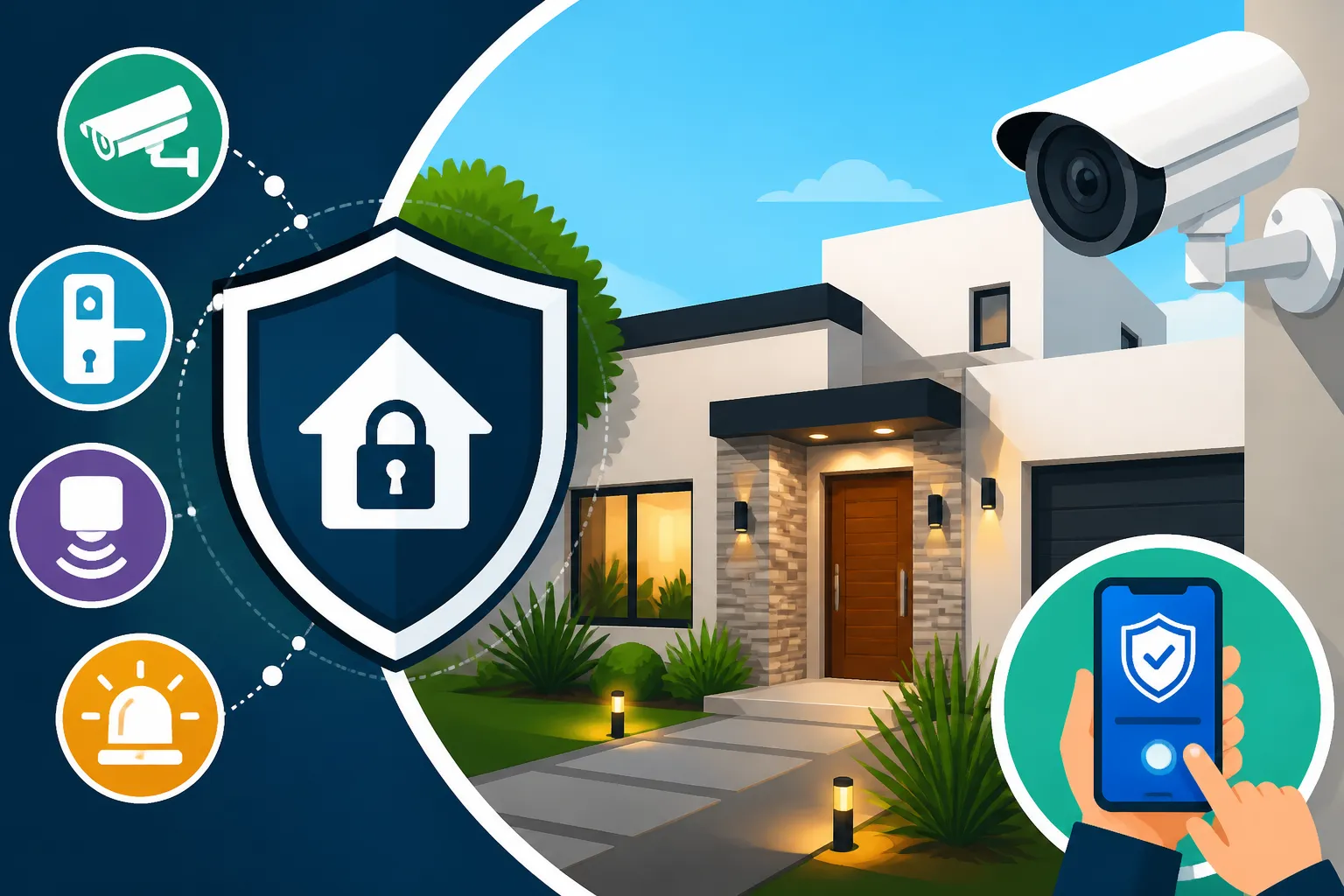
How to Improve Home Security in Mexico
Settling into a new life in Mexico is an exhilarating experience, but the first night in a foreign home often brings a nagging sense of vulnerability when the sun goes down. I remember lying awake in my first apartment in Oaxaca, jumping at every footstep on the sidewalk and wondering if my simple deadbolt was enough. This guide provides a realistic, non-alarmist roadmap to securing your property so you can stop worrying and start enjoying your new life.
Disclosure: This post may contain affiliate links. We may earn a commission at no extra cost to you if you make a purchase through these links. Read full disclosure.
Understanding the Local Context of Security
When you first arrive in Mexico, the physical appearance of homes can be a bit of a culture shock. You’ll see high walls topped with broken glass or electrified wire, heavy wrought-iron gates, and window bars. To a newcomer, this might look like a sign of extreme danger, but in reality, these are standard architectural features that have been part of the landscape for decades. Understanding that security in Mexico is layered and largely deterrent-based is the first step toward peace of mind.
It is important to remember that most crime involving residential properties in Mexico is "crime of opportunity." Burglars are looking for the path of least resistance. If your home looks significantly more difficult to enter than the one next door, a potential intruder will almost certainly move on. This is where your strategy begins. Before you even sign a lease, you should look at Safety in Mexico: What Expats Need to Know About Staying Safe to understand the broader regional trends and how they might influence your choice of neighborhood.
If you are currently in the process of scouting neighborhoods, you might find that staying in a managed environment like Selina gives you a good "home base" to observe local security habits without the immediate pressure of securing a private residence. It allows you to talk to other travelers and locals about which colonias feel the most secure and what specific measures they use in their own homes.
Physical Reinforcements and "Protecciones"
The most visible form of security in Mexico is known as protecciones—the iron bars or cages that cover windows and doors. While they might feel restrictive at first, they are your best friend. They allow you to leave your windows open for the evening breeze without worrying about anyone climbing through.
Upgrading Your Entry Points
The standard "chapa" (lock) on many Mexican rentals is often basic. One of the first things I do in any new home is replace the cylinders or add a high-quality deadbolt. In Mexico, you want to look for brands like Yale or Phillips, which are ubiquitous and easy for local locksmiths to service. If your home has a large metal gate at the front, ensure the "pasador" (bolt) is sturdy and that the hinges cannot be easily lifted off.
Another common feature is the "interfón" (intercom system). If your home doesn't have one, consider a wireless video doorbell. However, remember that these rely on a stable internet connection. When I was first setting mine up, I used an eSIM from Airalo to keep my phone connected to the camera feed while my home Wi-Fi was still being installed. It’s a small detail, but having that visual confirmation of who is at the gate from day one is a huge stress-reliever.
Walls and Perimeter Security
If you live in a standalone house, your perimeter wall is your first line of defense. Many expats choose to add "cerca electrificada" (electric fencing) to the top of their walls. While it looks intense, it is a very common and effective deterrent. It’s less about the actual shock and more about the alarm that sounds if the wire is cut or tampered with. If you are Renting a Home in Mexico: Complete Expat Guide to Leases, Deposits, and More, always check with your landlord before making these kinds of structural additions. Some may even be willing to split the cost with you since it adds long-term value and security to their property.
The Social Alarm System: Building Community
In Mexico, your neighbors are often more effective than any high-tech alarm system. The culture here is deeply social, and people tend to keep an eye on their "cuadra" (block). This is something I learned the hard way when I left my garage door cracked open by accident; within ten minutes, a neighbor I hadn't even officially met yet was knocking on my door to let me know.
Integrating with Your Neighbors
The best security move you can make is to be a "buen vecino." Introduce yourself to the people living on either side of you. If there is a neighborhood WhatsApp group (often called "Vecinos Vigilantes"), ask to be added. These groups are the primary way information travels in Mexico. You’ll get real-time updates on everything from suspicious vehicles to water outages.
When you are moving in, using a reputable international service like Sirelo to manage your shipment can also help maintain a low profile. Having a professional crew handle your belongings is often more discreet than a disorganized move that leaves your high-value electronics sitting on the sidewalk for hours. This is particularly important if you are Living in Mexico City: An Expat's Guide to Neighborhoods and Lifestyle, where the sheer volume of people makes discretion a valuable asset.
Hiring Trusted Help
Many expats employ domestic staff, such as cleaners or gardeners. These individuals become a vital part of your security web. Because they are often from the local area, they know the rhythms of the neighborhood better than you do. However, you must be diligent about who you hire. Always ask for "cartas de recomendación" and check them. For more on this, read Hiring Domestic Help in Mexico: Maids, Gardeners, and Etiquette to ensure you are building a relationship based on trust and mutual respect.
Comparison of Common Security Measures in Mexico
| Security Measure | Effectiveness | Relative Cost | Maintenance Level |
|---|---|---|---|
| Protecciones (Window Bars) | High (Physical Deterrent) | Moderate | Low (Occasional Paint) |
| CCTV / Smart Cameras | Moderate (Evidence/Remote Monitoring) | Low to Moderate | Moderate (Requires Wi-Fi) |
| Electric Fencing | High (Perimeter Deterrent) | Moderate | Low |
| Motion Sensor Lighting | High (Deters Opportunists) | Low | Low (Bulb Replacement) |
| Professional Monitoring | Moderate (Response times vary) | Monthly Fee | Low |
| Neighborhood Watch Groups | Very High (Social Deterrent) | Free | High (Social Engagement) |
Smart Tech and Remote Monitoring
The rise of smart home technology has changed the game for expats in Mexico, especially for those who travel frequently. Being able to check your cameras from a beach in Cancún or while visiting family back home is a massive comfort.
Lighting and Automation
One of the oldest tricks in the book is still the most effective: making the house look occupied. Smart bulbs and plugs allow you to set schedules for your lights and even a radio or TV to turn on and off at specific times. In Mexico, where power surges can happen, I highly recommend using "reguladores" (surge protectors) for any smart home hubs or cameras. You can find more practical advice on managing these quirks in our guide on Home Utilities in Mexico: Setting Up Electricity, Water, Gas, and Internet.
Internet Reliability
Your tech-based security is only as good as your connection. When choosing a provider, look for fiber optic (fibra óptica) options which are increasingly common in major cities. If your internet goes down, your cameras become expensive paperweights. This is why having a backup data plan is essential. As mentioned earlier, keeping a secondary connection via Airalo ensures that you remain reachable and your security apps stay functional even during a local outage.
Managing Security During Long-term Absences
If you plan to leave your home for several weeks or months, you need a specific protocol. A house that looks "abandoned" is a prime target. This means ensuring your mail doesn't pile up and your "garrafones" (large water jugs) aren't left sitting empty at the gate.
- Stop Deliveries: Ensure no regular deliveries are made while you are gone.
- External Maintenance: Arrange for your gardener or "mozo" to continue their visits. A yard full of weeds is a "dead giveaway" that the owners are away.
- Key Holder: Leave a key with a highly trusted neighbor or friend. Do not hide a key on the property; "hiding spots" are easily found by someone who has the time to look.
- Insurance: Ensure your policy is up to date. Dealing with a break-in is much easier if you know you are covered. Check out Insurance in Mexico 101: Guide to Car, Home, and Life Insurance for Expats for details on how to choose the right coverage for theft.
In the unfortunate event that something does happen, you need to know how to react quickly. Keep a list of Emergency Numbers in Mexico: How to Call Police, Fire, or Ambulance near your phone and saved in your contacts. You should also have a basic Building a First Aid Kit: Essential Medical Supplies for Expats in Mexico in case of any accidents during a security event.
Choosing the Right Property Type
Finally, your security needs will be dictated by the type of home you choose. A "fraccionamiento" (gated community) offers the highest level of security, usually with 24/7 "vigilancia" (guards) at the entrance. If security is your primary concern, this is often the best route for new arrivals. You can find more information on specific areas in our guide on the Best Places to Live in Mexico for Expats (2027 Edition).
If you prefer the charm of a colonial "casa independiente," you simply have to be more proactive. It’s about being mindful without being fearful. Once you have your bars installed, your locks changed, and your neighbors' names in your phone, you’ll find that the "Mexican lifestyle" is much more about the "carne asada" in the backyard than it is about worrying about the front gate.
Disclaimer
The information provided in this article is for general informational purposes only and does not constitute professional security advice. Safety conditions can change rapidly in different regions of Mexico. Always consult with local authorities, professional security firms, and your insurance provider to determine the best security measures for your specific situation. The author and publisher are not responsible for any loss or damage resulting from the use of the information contained herein.