How to Plan a Self-Guided Day Trip in Mexico
Stepping out of the main tourist zones or your expat bubble for a day trip in Mexico can feel like a daunting task, can't it? The thought of navigating unfamiliar transport, language barriers, and figuring out "how things work" can make even the most adventurous soul hesitate. But trust me, the most rewarding experiences often lie just a short journey away, and with a little planning, you can absolutely conquer a self-guided day trip. This guide is here to walk you through everything you need to know to confidently plan and execute your own amazing Mexican adventure, proving that independent travel isn't just possible, it's often the best way to truly connect with the country.
Disclosure: This post may contain affiliate links. We may earn a commission at no extra cost to you if you make a purchase through these links. Read full disclosure.
Why Go Self-Guided? The Freedom and the Folly
When you first arrive in Mexico, or even after living here for a while, the idea of venturing out on your own beyond a pre-arranged tour can feel like a monumental task. The brochures for guided tours are so tempting – everything's arranged, you just show up! But there's a unique magic to planning your own day trip, a kind of freedom that a rigid tour schedule simply can't offer.
The Unmatched Perks of Independent Exploration
First off, let's talk about the control. When you plan your own trip, you decide when you leave, when you eat, how long you linger at that charming artisan shop, or if you want to skip something entirely because it just doesn't spark joy. Remember that time you were on a group tour, and they rushed you through an incredible market, or made you wait an hour for someone else? Yeah, those days are over. You set the pace, follow your whims, and truly immerse yourself in the experience.
Then there's the cost. This is a big one for many expats and long-term travelers. Group tours, while convenient, often come with a significant markup. They have to cover guide fees, transportation costs (often in larger, more comfortable vehicles), and sometimes even lunch stops at places they have a deal with, which may not be the most authentic or budget-friendly. By going self-guided, you can often cut your expenses dramatically. You might opt for local buses, grab street tacos for a fraction of the price, and prioritize what you actually want to spend money on. It’s like picking your own ingredients for a meal versus ordering a pre-set tasting menu.
Finally, there's the authentic connection. When you're forced to interact with locals – even if it's just asking for directions or ordering food – you're truly engaging with Mexico. It builds confidence, improves your Spanish (even just a few phrases can go a long way, check out our guide on Survival Spanish for Travelers in Mexico: Key Phrases), and creates stories that are uniquely yours. You become more than just a tourist being shuttled around; you become a traveler, an explorer, a temporary local. This kind of interaction is invaluable for truly understanding the culture.
Acknowledging the Challenges: A Realistic View
Now, let's be real. Planning a self-guided trip isn't all sunshine and rainbows. It requires effort. You'll need to research, understand public transport routes, potentially deal with language barriers, and be prepared for the unexpected. There might be moments of confusion, a bus that runs late, or a miscommunication. I remember one time, trying to find a specific cenote in Yucatán, I ended up taking three different colectivos and a bicycle taxi – quite an adventure, but definitely not as smooth as a tour bus!
Safety is also a valid concern for many. While Mexico is generally safe for tourists, especially in established routes, exercising caution and being aware of your surroundings is paramount. This isn't about fear-mongering, but about being smart. Understanding where you're going, having a plan B, and keeping your valuables secure are non-negotiable. We'll dive deeper into this later, but for now, just acknowledge that the challenges exist, but they are absolutely surmountable with preparation.
Choosing Your Destination: Where to Go and How to Vet It
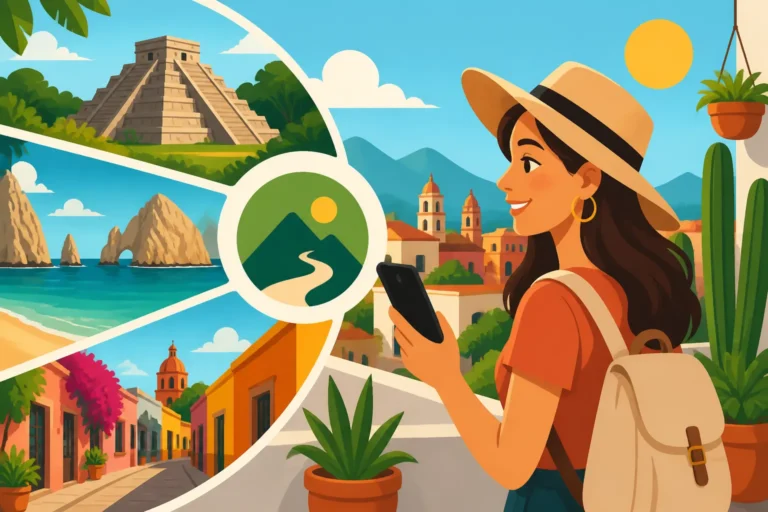
The first, and arguably most exciting, step is deciding where to go! Mexico is massive and incredibly diverse, offering everything from ancient ruins and vibrant colonial cities to stunning beaches and natural wonders.
Researching Potential Day Trip Locations
Start with inspiration. What kind of experience are you craving? Do you want history and culture, a relaxing beach day, or an adventure in nature?
- For History Buffs: Near Mexico City, Teotihuacán is a no-brainer. Near Cancún, you have Chichén Itzá and Tulum. Near Oaxaca, Monte Albán. These are usually well-connected.
- For Beach Lovers: If you're in Mérida, Progreso is a quick hop. From Guadalajara, Sayulita (though it's a bit longer) or Puerto Vallarta (better for an overnight). From Mexico City, Acapulco is a classic, but a very long day trip.
- For Colonial Charm: Pueblos Mágicos are designed for this! Tepoztlán from Mexico City, Tequila from Guadalajara, Izamal from Mérida.
Once you have a few ideas, dive into the research. This is where your internet sleuthing skills come in handy.
- Google Maps: Start here. Plug in your origin and destination. Check the driving time, and importantly, look at the public transport options. Google Maps is increasingly accurate for bus routes in major Mexican cities and sometimes for intercity travel too.
- Travel Blogs and Forums: Look for "day trip from [Your City] to [Destination] self-guided." Read what other travelers and expats have done. Pay attention to their transport methods, how long things took, and any challenges they faced. Websites like TripAdvisor or Reddit's expat communities can be goldmines for anecdotal evidence.
- Official Tourism Sites: While sometimes a bit rosy, these can give you an overview of attractions and general accessibility.
Consider the time commitment. A "day trip" usually implies you're returning to your starting point by evening. Is the destination realistically reachable, allowing enough time for exploration without feeling rushed? A three-hour bus ride each way means six hours of travel – leaving you perhaps only 4-6 hours at the destination itself. For longer distances, sometimes it's better to consider an overnight stay.
Safety, Accessibility, and Logistics Checklist
Before you commit to a destination, run through a quick mental checklist:
- Safety First: Research the current safety situation of your chosen destination. While major tourist sites are generally safe, conditions can vary, even for nearby towns. Check recent news or expat forums. Our guide on Staying Safe in Mexico: Practical Tips for Travelers offers invaluable advice. Generally, popular tourist spots and Pueblos Mágicos are well-trafficked and considered safe during the day. Avoid remote, unlit areas, especially after dark.
- Transport Options: Can you get there easily by public transport (bus, colectivo)? Is it a place where taxis or ride-share apps like Uber are readily available for local navigation? If you're considering renting a car, read up on Renting a Car in Mexico: Insurance and Driving Tips as it's a different beast here.
- Language: How much Spanish will you need? In very touristy spots, English might be more common. In smaller towns, you'll rely heavily on your Spanish phrases (or a good translation app). Don't let a language barrier completely deter you, but be prepared.
- Opening Hours & Peak Times: Check the operating hours of attractions you want to visit. Some smaller sites might close for siesta or have limited hours. Knowing peak times can help you decide to go early or later to avoid crowds.
- Cost Estimates: Get a rough idea of entrance fees, local transport costs, and food prices. This helps you budget accurately and avoid surprises.
- Accommodation (Just in Case): Even if it's a day trip, it's not a bad idea to quickly check Booking.com for available hotels in your chosen destination. Not because you plan to stay, but it gives you a sense of infrastructure, popularity, and if push comes to shove, you know there are options. It also helps you see reviews of the area generally.
Let's take Teotihuacán as an example from Mexico City. A quick search reveals that you can take a bus from Mexico City's Central del Norte station directly to the pyramids. It's affordable, reliable, and takes about an hour. Once there, you can walk the site, hire a local guide, and easily find food and drinks. Compare that to a more remote archeological site that might require multiple transfers or private transport – you can immediately see the difference in "self-guided" feasibility. For more specific ideas, check out our article on Best Day Trips From Mexico City.
The Nitty-Gritty Logistics: Getting There and Getting Around
This is where the rubber meets the road! Understanding Mexican transport is key to a successful self-guided day trip.
Intercity Travel: Buses, Colectivos, and Taxis
Mexico has an excellent long-distance bus system, far superior to what many North Americans are used to.
- Luxury and First-Class Buses: Companies like ADO, ETN, Primera Plus, and Omnibus de México offer comfortable, safe, and reliable service. These are typically what you'll use for journeys of 1.5 hours or more.
- Booking: You can often buy tickets online via the bus company's website (though sometimes they require a Mexican credit card) or through aggregators like Busbud, which is usually expat-friendly. Otherwise, buy them directly at the bus station (terminal de autobuses). Always aim to buy tickets a day or two in advance, especially for popular routes or holidays.
- The Experience: Buses are usually punctual. You'll board at designated gates, and your luggage will be tagged and stored under the bus. Expect movies (sometimes in Spanish, sometimes dubbed), air conditioning (sometimes very cold, so bring a jacket!), and often a bathroom on board. Read more about this in Long-Distance Buses in Mexico: ADO and Premium Lines.
- Second-Class Buses: These are generally older, make more stops, and are less comfortable, but they are cheaper. For shorter distances, they can be perfectly fine, but for longer trips, the comfort of first-class is worth the extra pesos.
- Colectivos (Shared Vans/Taxis): These are the backbone of local and regional transport in many areas. Colectivos are typically white passenger vans or shared taxis that run fixed routes, picking up and dropping off passengers along the way.
- How They Work: They usually depart when full or nearly full. You'll find colectivo stands near bus stations or in town centers. Just ask "dónde sale el colectivo para [Destination]?" (where does the colectivo leave for [Destination]?). They're usually very affordable, paying the driver directly.
- Considerations: They can be a bit cramped, and the ride might be faster (and bumpier) than a standard bus. If you're going a shorter distance, say 30-60 minutes, they're a fantastic, authentic, and cost-effective option.
- Taxis/Ride-share: For very short distances, or if you're splitting the cost with others, a taxi or ride-share (Uber, Didi, InDriver) can work.
- In Cities: Ride-share apps are convenient and generally safe in larger cities like Mexico City or Guadalajara. Check out Using Uber and Ride-Hailing Safely in Mexico for tips.
- In Smaller Towns: Ride-share might not exist, or be very limited. Taxis will be available, but always confirm the price before you get in, as meters are rare outside major urban centers. You can try to negotiate, especially if you speak a little Spanish.
Timing Your Journey
Timing is crucial for a day trip. You want to maximize your time at the destination and avoid traveling in the dark, especially if you're unfamiliar with the routes.
- Depart Early: Aim to catch the first or second bus/colectivo of the morning. This gives you a full day of exploration.
- Return Before Dark: Plan to be on your way back well before sunset. Public transport routes can become less frequent, and navigating unfamiliar areas in the dark adds a layer of stress you don't need.
- Check Schedules: Always verify return schedules, especially from smaller towns, as service might be less frequent in the late afternoon or evening.
Practical Booking and Boarding Advice
When you're at a bus station, it can feel overwhelming at first. Don't panic.
- Look for Your Company's Counter: There will be multiple bus companies. Find the one you booked with (or intend to book with).
- Have ID Ready: You'll usually need a valid ID (passport or residency card) to buy a ticket.
- Confirm Gate Number: Your ticket will have a sala (gate) number. Keep an eye on the screens for your bus number and destination.
- Luggage: For buses, your main luggage will be stored under the bus. You'll get a claim ticket; keep it safe! Carry a small backpack with essentials for the day.
- Cash is King (Sometimes): While bigger bus stations accept cards, having small denominations of pesos is always smart, especially for colectivos or local taxis. Our guide on How Much Cash Should You Carry When Traveling in Mexico? can help you decide.
| Transport Method | Pros | Cons | Best For | Cost (Rough Avg.) |
|---|---|---|---|---|
| First-Class Bus | Comfortable, safe, reliable, AC, restrooms | Less flexible, fixed schedule, can be chilly | Mid-long distances (1.5h+), solo or groups | $15-$40 USD one-way |
| Colectivo | Cheap, frequent, authentic, flexible stops | Cramped, faster/bumpier ride, less predictable | Short-mid distances (<1.5h), local routes | $2-$10 USD one-way |
| Ride-Share (Uber/Didi) | Convenient, transparent pricing (in app), door-to-door | Less available in small towns, sometimes more expensive | City travel, short distances, groups splitting cost | $5-$25+ USD depending on distance |
| Taxi (Local) | Readily available, direct | Price negotiation needed, potential for overcharging | Short distances, where ride-share isn't available | Negotiate (often $5-$20 USD) |
| Rental Car | Ultimate flexibility, off-the-beaten-path | Costly, parking challenges, complex insurance, driving can be intense | Exploring multiple remote locations, specific road trips | $30-$80+ USD/day + insurance + gas |
What to Pack and How to Stay Safe: Essential Day Trip Prep
You've picked your destination, sorted out how you're getting there – now let's make sure you're prepared for anything the day throws at you.
The Day Trip Packing List
Think light, practical, and adaptable. You don't want to be lugging a huge bag around all day.
- Small Backpack: Something comfortable to carry your essentials.
- Water Bottle: Stay hydrated! Bottled water is widely available, but having your own refillable bottle is eco-friendly. Remember Is Tap Water Safe to Drink in Mexico? – generally, no.
- Snacks: Granola bars, fruit, or a sandwich can be a lifesaver, especially if you're unsure about food options or just get peckish between meals.
- Sun Protection: Sunscreen, a wide-brimmed hat, and sunglasses are non-negotiable, even on cloudy days. The Mexican sun is no joke.
- Comfortable Shoes: You'll likely be doing a lot of walking, especially at archaeological sites or in charming cobblestone towns.
- Light Layers: Mornings can be cool, especially on buses with strong AC, but afternoons can be scorching. A light jacket or shawl that can be easily stowed away is perfect.
- Cash (Small Bills!): As mentioned, cash is vital for colectivos, market vendors, street food, and tipping. Make sure you have plenty of small denominations ($20, $50, $100 peso notes). This avoids issues with vendors not having change for a $500 peso bill. Knowing Tipping in Mexico (Propina): When and How Much is also helpful.
- Power Bank: Your phone will be your map, camera, and communication device. A portable charger is a must.
- Physical Map/Offline Maps: Always have a backup! Download Google Maps or Maps.me for offline use in case you lose signal.
- Basic First-Aid Kit: Band-aids, pain relievers, antiseptic wipes, and any personal medications.
- Copy of ID/Important Docs: Keep a physical or digital copy of your passport/residency card on your phone, separate from your actual documents which should be securely stored (not necessarily carried on your person if you're just out for the day in a busy area).
- Toilet Paper/Hand Sanitizer: Public restrooms, especially in smaller towns, might not always have these amenities.
- Reusable Shopping Bag: For any souvenirs or market finds. You're going to want to try some What Are the Must-Try Foods in Mexico? at the local markets!
Essential Safety Practices for Independent Travelers
Being self-guided means being your own safety net. Don't worry, it's not as scary as it sounds, just requires common sense.
- Inform Someone: Let a friend, family member, or even your Airbnb host know your plans: where you're going, how you're getting there, and when you expect to return.
- Blend In: Avoid flashy jewelry, expensive electronics dangling conspicuously, or anything that screams "tourist with money." Dress modestly and comfortably.
- Stay Aware: Keep your wits about you. Pay attention to your surroundings, especially in crowded markets or bus stations. Be cautious of distractions.
- Secure Valuables: Keep your money, cards, and phone in a secure, hard-to-access place (e.g., a cross-body bag worn in front, an internal pocket). Don't put anything valuable in your back pocket.
- Trust Your Gut: If a situation or a person feels off, remove yourself. It's better to be overly cautious than to regret it.
- Know Emergency Numbers: 911 is the general emergency number in Mexico. Keep a note of it.
- Language Barrier: While challenging, try to learn some basic Spanish phrases for emergencies or asking for help. If all else fails, a translation app can be invaluable.
- Connectivity: Ensure you have mobile data. An eSIM (check out Mobile Data and eSIMs for Travel in Mexico) is a great option for seamless connectivity.
- Avoid Isolated Areas: Stick to well-trafficked routes and avoid venturing into deserted streets or unknown neighborhoods, especially after dark.
- Alcohol in Moderation: If you choose to drink, do so responsibly. Being intoxicated makes you more vulnerable.
- Avoiding Scams: Be aware of common tourist scams. Someone being overly friendly or offering "help" that seems too good to be true might be trying to distract you. Read up on Avoiding Common Scams in Mexico to be prepared.
Planning a self-guided day trip in Mexico is one of the most enriching experiences you can have as an expat or visitor. It allows you to truly see beyond the glossy tourist brochures and connect with the heart and soul of this incredible country. With a bit of research, a dash of courage, and these practical tips, you'll be navigating bus stations, haggling in markets, and discovering hidden gems like a seasoned pro. So, pack your bag, put on your comfy shoes, and go explore!
Disclaimer
Please remember that travel information and regulations can change rapidly. Always verify current conditions, safety advisories, and entry requirements for any destination before you travel. This guide provides general information based on common expat experiences in Mexico.