How to Use Uber and Ride-Hailing Safely in Mexico
Stepping out of a bustling Mexican airport or a dimly lit restaurant in a new neighborhood often triggers a specific kind of anxiety for foreigners: the internal debate over how to get home safely. Between the legendary stories of "taxi wars" in tourist zones and the general uncertainty of navigating a new city in a second language, choosing your transportation can feel like a high-stakes gamble. This guide provides the ground-level reality of using Uber and other ride-hailing apps in Mexico, ensuring you move through the country with confidence and security.
Disclosure: This post may contain affiliate links. We may earn a commission at no extra cost to you if you make a purchase through these links. Read full disclosure.
Understanding the Ride Hailing Landscape in Mexico
If you have spent any time reading expat forums, you have likely heard about the friction between traditional taxi unions—known as sindicatos—and ride-hailing platforms like Uber and Didi. This is not just a corporate rivalry; it is a deeply cultural and sometimes physical conflict that varies wildly depending on which city you are in. In places like Mexico City or Guadalajara, Uber is a way of life, seamlessly integrated into the daily routine of millions. However, in tourist heavyweights like Cancun or Playa del Carmen, the situation is much more delicate.
The sindicatos in certain regions view ride-hailing as a direct threat to their livelihood, leading to protests and, in extreme cases, confrontations. As a passenger, you are rarely the target of these disputes, but you can certainly be caught in the middle of the inconvenience. For example, in many parts of the Riviera Maya, Uber drivers may ask you to sit in the front seat to look like a friend rather than a client, or they may refuse to pick you up in specific "hot zones" dominated by taxi stands. Understanding these local dynamics is the first step toward staying safe. While Safety in Mexico: What Expats Need to Know About Staying Safe is a broader topic, transportation safety is often the most frequent concern for the average traveler.
Beyond Uber, you should be aware of Didi, a massive competitor that often offers lower prices but sometimes has a more relaxed vetting process for drivers. There is also Cabify, which positions itself as a slightly more "premium" or professional service. Regardless of the app you choose, the digital footprint of a ride-hailing service offers a layer of protection that a random street taxi simply cannot match. If you are planning longer journeys between cities where these apps aren't practical, using a service like Busbud to secure reliable bus transport is a common veteran move.
Practical Safety Protocols for Ride Hailing Users
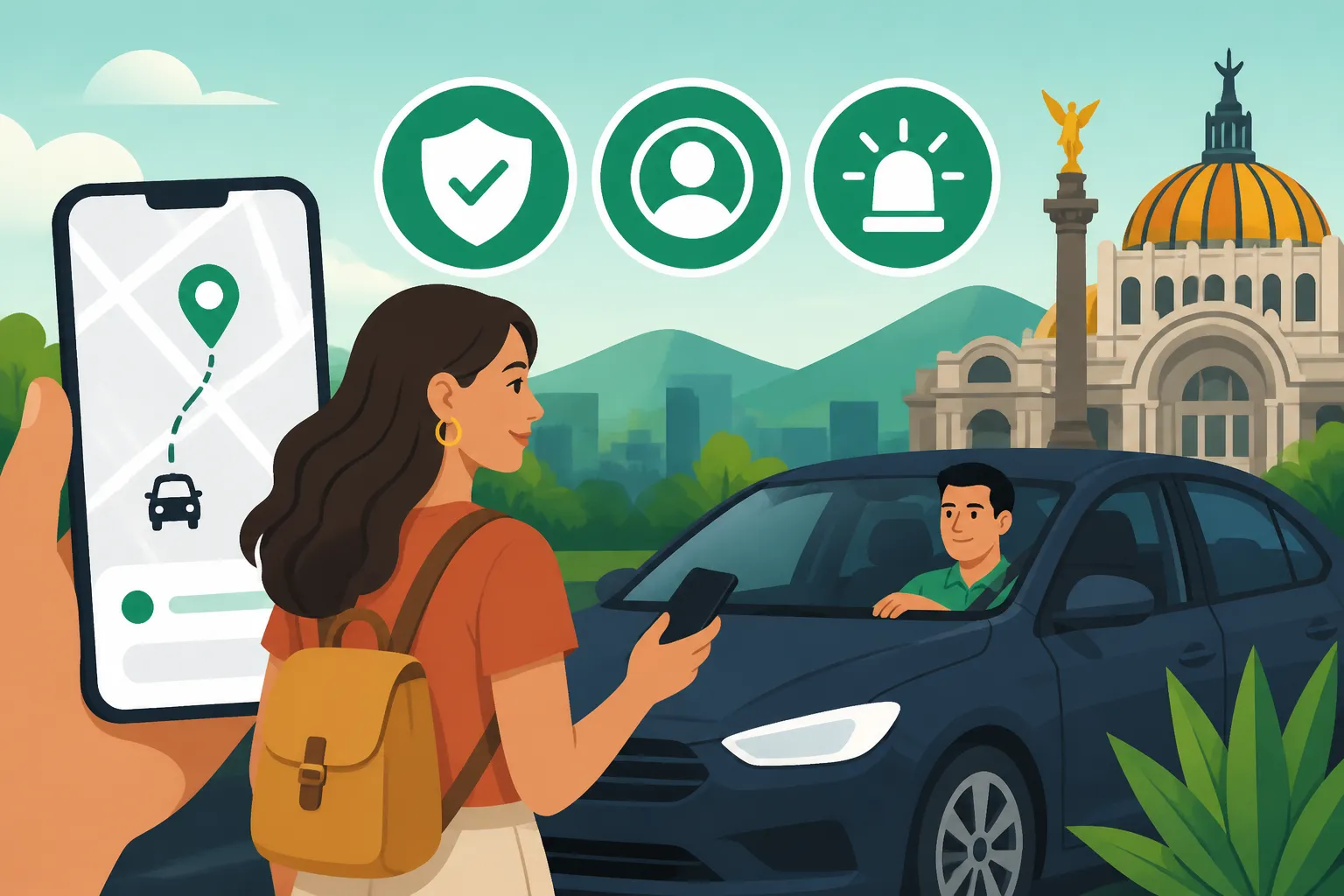
Safety in a Mexican Uber starts before the car even pulls up to the curb. One of the most common mistakes newcomers make is "car-spotting" by color alone. In Mexico, many popular Uber models are white or silver sedans, and in a busy area, three identical cars might pull up at once. You must verify the license plate number. Do not ask the driver "Are you for [Your Name]?" Instead, ask "Who are you picking up?" or simply wait for them to confirm your name through the app's interface.
Once you are inside the vehicle, make use of the "Share My Trip" feature. I always recommend sending your live location to a friend or spouse, even if they are in the same city. If you are traveling solo, particularly at night, this is non-negotiable. Uber’s "Safety Toolkit" in Mexico also includes a PIN verification system. When enabled, the driver cannot start the trip in their app until you provide them with a unique four-digit code. This ensures you are in the correct vehicle and that the driver is the one assigned to your account.
Communication is another layer of safety. While many drivers in major hubs might speak a few words of English, you will find that your experience is much smoother if you know the basics. Familiarizing yourself with Survival Spanish for Travelers in Mexico: Key Phrases can help you clarify directions or ask the driver to take a specific route. If a driver deviates significantly from the GPS path without explaining why—perhaps due to a "bloqueo" or protest—do not be afraid to speak up. If you ever feel truly uncomfortable, the apps have an emergency button that connects you directly to local authorities or a dedicated safety team.
Navigating No Go Zones and Airport Logistics
The most frustrating part of using Uber in Mexico is undoubtedly the airport situation. Federal zones, which include most major airports, have historically restricted ride-hailing apps from picking up passengers. In Mexico City (AICM), the rules change frequently. You might see signs saying Uber is prohibited, yet the app will still allow you to call a car. Often, you will be directed to a specific "puntos de encuentro" or a gate that is slightly removed from the main taxi line. If you are looking for more information on this specific hurdle, How to Get From Mexico City Airport to the Center provides more localized context on navigating the capital's terminals.
In Cancun, the situation is even more complex. The airport is strictly controlled by expensive private transfers and taxi syndicates. While you can technically take an Uber to the airport, getting one from the airport is often impossible or involves walking to the highway outside the federal zone with your luggage—a task I do not recommend in the heat or after a long flight. In these instances, it is often better to book a private transfer through a platform like Booking.com or arrange a shuttle in advance. This avoids the stress of the "taxi gauntlet" that greets you at the arrivals terminal.
| Feature | Uber/Didi | Sitio Taxi (Radio Taxi) | Street Taxi (Libre) |
|---|---|---|---|
| GPS Tracking | Always tracked via app | Usually not tracked | Never tracked |
| Price | Fixed/Upfront (mostly) | Set by zone or phone quote | Negotiable/Metered (risky) |
| Safety Features | SOS button, PIN, Trip Sharing | Known base/Phone record | Minimal to none |
| Payment | In-app Credit/Debit/Cash | Mostly Cash | Cash only |
| Availability | High in cities, low in rural | High everywhere | High in cities |
When you are staying at a hotel or a gated community, you might find that security guards are more comfortable with "Sitio" taxis. A Sitio is a taxi attached to a specific physical stand. They are generally considered much safer than "Libres" (street taxis). If you are in a city where the Uber/Taxi conflict is high, asking your hotel to call a Sitio is a reliable backup. For those planning excursions to remote ruins or cenotes, you might book a tour through Viator, which often includes professional transportation, bypassing the need for ride-hailing in tricky areas altogether.
Cost Comparison and Payment Tips
One of the greatest frustrations for foreigners using Uber in Mexico is the "Efectivo" (cash) issue. Unlike in the U.S. or Europe, Uber in Mexico allows passengers to pay in cash. While this is great for locals without bank accounts, it creates a headache for travelers. Some drivers may see a high-priced trip and assume you are paying cash, only to be disappointed when it is a card transaction. Occasionally, a driver might even ask you to cancel the app ride and pay them in cash directly. Never do this. If you cancel the ride, you lose all the safety protections and GPS tracking provided by the platform.
Dynamic pricing, or "Tarifa Dinámica," can also catch you off guard. During a heavy rainstorm in Mexico City or during a festival in San Miguel de Allende, prices can triple in minutes. Even with surge pricing, Uber is often cheaper than a last-minute airport taxi, but it is worth having both Didi and Uber installed to compare. Didi often runs aggressive promotions in Mexico to gain market share, which can save you a significant amount over a week of travel.
Tipping is another area of confusion. In Mexico, tipping your Uber driver is appreciated but not mandatory. If the driver helps with heavy bags or navigates particularly brutal traffic with a smile, adding 10 to 20 pesos in the app is a kind gesture. For more details on the nuances of gratuity across different services, you can check our guide on Tipping in Mexico (Propina): When and How Much. Keep in mind that if you are using an international credit card, you may be hit with small foreign transaction fees unless your bank specifically waives them. Using local currency or a travel-friendly card is usually the best way to handle your Using ATMs in Mexico: Avoiding Fees and Staying Secure strategy while on the move.
Choosing the Right Transport for Your Needs
Not every situation in Mexico calls for an Uber. If you are moving a large family with several suitcases, the standard UberX (which is often a very small subcompact car) will not fit you. You will need to look for "Uber XL" or "Didi XL," which are less common and can take longer to arrive. If you are staying in one of the Best Places to Live in Mexico for Expats (2027 Edition), you will likely find that having a mix of transport options is essential.
For short hops within a colonial center, walking is often faster than sitting in a car on a cobblestone street. For day trips, booking a driver for the day or using a reputable tour company via Viator is frequently more cost-effective than calling multiple one-way Ubers and hoping there is a car available for the return trip from a remote location. I have seen many travelers get an Uber to a beautiful viewpoint or a hidden beach, only to find themselves stranded because there is no cell service or no drivers in the area for the trip back.
Finally, always trust your gut. If a car pulls up and it looks poorly maintained, or if the driver makes you feel uneasy before you even get in, cancel the ride. The small cancellation fee is a pittance compared to your peace of mind. Mexico is a welcoming and vibrant country, and once you master the local rhythm of its transportation, you will find it incredibly easy to explore. Just remember to keep your phone charged, stay alert, and enjoy the ride. Staying proactive about your logistics allows you to focus on Staying Healthy in Mexico: Essential Tips for Food, Water, and Preventive Care and enjoying the world-class culture around you.
Disclaimer
This guide is for informational purposes only. Local laws and regulations regarding ride-hailing services in Mexico are subject to frequent changes. Always verify current conditions with local authorities or your accommodation provider before traveling. Be aware that safety conditions can vary significantly by neighborhood and time of day. Under no circumstances should this information be considered legal or professional safety advice. Use transportation services at your own risk.