How to Be a Respectful Tourist in Indigenous Communities in Mexico
Okay, my friend, let's talk about something incredibly important when you're exploring the magic of Mexico: how to visit indigenous communities with the respect and appreciation they deserve. It's easy to come to a new country, especially one as rich in culture and history as Mexico, with the best intentions and still, unintentionally, fall into traps that can feel extractive or disrespectful to local communities. This guide isn't about shaming anyone; it’s about empowering you with the knowledge and empathy to truly connect with Mexico’s vibrant indigenous cultures, ensuring your visit is enriching for everyone involved.
Disclosure: This post may contain affiliate links. We may earn a commission at no extra cost to you if you make a purchase through these links. Read full disclosure.
Understanding the Context and History
When we talk about "indigenous communities" in Mexico, we're really talking about a kaleidoscope of cultures, languages, and traditions that have existed for millennia. These aren't just quaint villages for a photo op; they are living, breathing societies with complex histories, ongoing struggles, and immense resilience. To truly be a respectful visitor, you need to step back and understand a little bit about their world.
Acknowledging Historical Injustices and Ongoing Challenges
Let's be real for a moment. The history of indigenous peoples in Mexico, much like in many parts of the world, is often a painful one. It’s marked by conquest, colonization, forced assimilation, and systematic discrimination that continues even today. From the Spanish Conquest to modern-day resource exploitation, indigenous communities have faced countless battles to preserve their land, language, and way of life. They've often been marginalized, stripped of their ancestral territories, and denied basic services.
This isn't ancient history; the repercussions are felt daily. Many indigenous communities still struggle with poverty, lack of access to education and healthcare, and political underrepresentation. When you visit, remember that you are a guest in a place that has endured much. Your presence, therefore, carries a responsibility. It's not about feeling guilty, but about being aware and acting with respect and solidarity. The Zapotec people in Oaxaca, the Maya in the Yucatán, the Wixárika in Jalisco, or the countless Nahua communities across the central highlands—each has a unique story, often one of resistance and profound cultural strength against immense odds.
Researching Before You Go Beyond the Postcard Image
One of the biggest mistakes travelers make is showing up without doing their homework. Thinking that all "indigenous communities" are the same is like thinking all European cities are identical. It’s just not true. Mexico boasts over 68 indigenous ethnic groups, each with its own language, customs, traditional clothing, and social structures. Just as you wouldn't visit Japan without understanding some basic etiquette, you shouldn't visit an indigenous village without a little pre-planning.
Before you even book your trip, take some time to research the specific community or region you plan to visit. Is there a particular indigenous group that calls that place home? What are some of their customs? Are there any specific cultural protocols for visitors? A quick online search can often reveal a lot, and look for community-led tourism initiatives or reputable organizations that work directly with indigenous groups. This is where a platform like Viator could come in handy, if you carefully filter for tours that are explicitly run by or directly benefit the local community. Look for reviews that highlight cultural exchange and local empowerment, not just picturesque views. This deeper dive helps you move beyond a superficial "postcard" experience and into one of genuine appreciation and learning. It also helps you understand the nuance in conversations you might have, even with limited Spanish. If you're struggling with the language, check out my guide on Learning Spanish in Mexico: Top Tips and Resources for Expats.
Engaging Respectfully on the Ground
Once you're actually in Mexico and planning your visit, the rubber meets the road. This is where your good intentions translate into tangible actions that either uplift or inadvertently undermine the communities you’re exploring.
Prioritizing Community-Led Tourism and Fair Practices
This is perhaps the most critical point: always, always prioritize supporting tourism initiatives that are directly run by or provide clear, equitable benefits to the local indigenous community. Far too often, external tour operators swoop in, take visitors to a beautiful village, and funnel the majority of the profits away, leaving little for the people whose culture and land are the main attraction.
Instead, look for signage advertising local guides, community-run cabins or eco-lodges, or workshops offered by artisans themselves. These are the people whose families will benefit directly from your money. Don't be afraid to ask if your money is staying in the community. When it comes to goods and services, approach pricing with respect. In many indigenous communities, the items sold are not just souvenirs; they are the result of generations of ancestral knowledge, skilled hands, and hours of labor. Haggling aggressively over a few pesos can be deeply insulting. While a gentle negotiation might be common in larger markets (as discussed in Bargaining at Mexican Markets: Etiquette and Tips), in many smaller, more traditional communities, it's best to pay the asking price, recognizing the true value of their craft.
Think about it: if a beautifully handwoven textile took days or even weeks to create, is saving a dollar or two really worth devaluing someone's heritage and livelihood? Many remote communities, like those you might find nestled in the mountains of Chiapas: Jungle, Ruins, and Indigenous Culture, rely heavily on direct sales to sustain themselves. If you need to arrange transportation to these areas, platforms like Busbud can help you find reliable bus routes, which often get you closer to smaller towns where you can then hire local transport.
Here’s a quick comparison to guide your choices:
| Ethical Tourism Practices | Less Ethical (and Often Harmful) Practices |
|---|---|
| Directly hires local guides from the community. | Uses outside guides who are not local. |
| Stays in community-owned accommodations or homestays. | Only stays in large resorts/hotels outside the community. |
| Buys crafts directly from artisans at fair prices. | Buys mass-produced "souvenirs" from exploitative middlemen. |
| Participates in community-led cultural experiences. | Treats communities as open-air museums for observation. |
| Respects local customs and asks permission. | Takes photos without consent, dresses inappropriately. |
| Learns basic Spanish or local greetings. | Expects everyone to speak English. |
| Leaves no trash and respects natural resources. | Litters, damages environment, disregards local rules. |
Cultural Sensitivity: Dress, Photography, and Interactions
This is where many well-meaning visitors stumble. Remember, you are a guest. Just like you wouldn't wear a bikini to a church, you shouldn't parade around a traditional village in revealing clothing. Modesty is key, especially in more conservative communities. For women, this often means covering shoulders and knees. For men, clean, simple attire is always a safe bet. Observe what the locals are wearing and try to blend in rather than stand out.
Photography is another huge one. This cannot be stressed enough: always, always ask permission before taking photos of people, especially children, and particularly during any sacred ceremonies or rituals. A simple “¿Puedo tomar una foto?” (Can I take a photo?) goes a long way. If they say no, respect it immediately and graciously. Some communities may charge a small fee for photos, which is a fair exchange for their privacy and time. Taking pictures without permission is not only rude but can be seen as stealing their image, especially if those photos end up on social media or in commercial use without their consent.
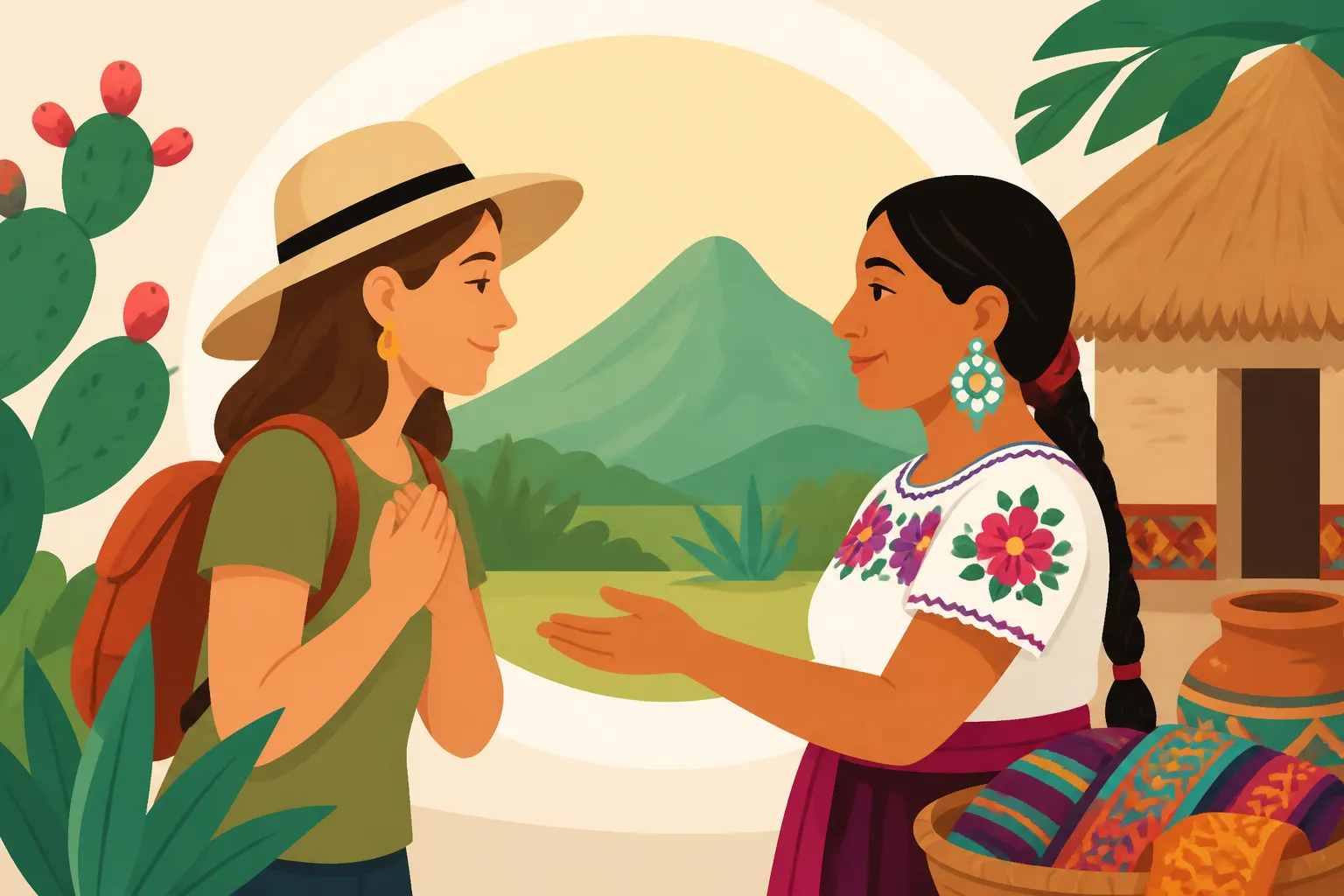
When interacting, a warm "Hola" or "Buenos días" followed by a smile is a great start. Even if your Spanish is limited, making an effort to use a few phrases shows respect. Don't assume everyone speaks English – they probably don't, and expecting them to is part of that extractive mindset. Be patient with language barriers, and a little kindness goes a long way. Sometimes, you might be invited into a home or a special gathering; if you accept, do so with gratitude and remember to be an observant guest. Don't overstay your welcome, and if you bring a small gift, it's a thoughtful gesture, though never expected. For more on navigating social cues, check out Mexican Customs, Etiquette, and Social Life.
Supporting the Local Economy and Environment
Your impact on an indigenous community isn't just about your direct interactions; it extends to how you spend your money and how you treat their environment. Choosing consciously makes a real difference.
Buying Local and Direct: Empowering Artisans and Producers
The vibrant markets and small workshops in indigenous communities are a treasure trove of authentic Mexican culture. Think of the intricate textiles of Oaxaca, the beautiful pottery from Michoacán, or the stunning beadwork of the Wixárika. These aren't just pretty objects; they are storytelling, history, and identity woven into tangible form. When you buy directly from an artisan, you are not only acquiring a unique piece but also providing direct financial support to the individual and their family.
Be wary of items sold in large tourist hubs that claim to be "authentic." Often, these are mass-produced imitations or goods bought at unfair prices from the original creators. Take the time to visit local markets, like those described in Mexican Markets and Food Halls for Visitors, or seek out co-ops and workshops within the communities themselves. This ensures your money empowers the actual producers. Don't be afraid to ask about the process, the materials, and the meaning behind the designs – it shows genuine interest and deepens your appreciation for their work. Remember that the price reflects not just materials, but also the skill, tradition, and often, generations of knowledge passed down.
For unique lodging experiences that directly support locals, sometimes smaller, independent B&Bs or eco-lodges found on platforms like Booking.com can be vetted to ensure they are locally owned and operated. Always check reviews and descriptions to confirm their commitment to community benefit.
Environmental Stewardship and Sustainable Practices
Many indigenous communities live in close harmony with nature, their livelihoods and spiritual beliefs often deeply intertwined with the land. Your visit should reflect this respect for the environment. "Leave no trace" isn't just a catchy phrase; it's a critical directive. This means packing out everything you pack in – absolutely no littering. Plastic bottles, snack wrappers, and anything else you bring should leave with you.
Be mindful of natural resources, especially water, which can be scarce in many rural areas. Avoid wasting it. Stick to marked trails if you're hiking, and never disturb wildlife or natural formations. If you're visiting a sacred natural site, such as a cenote in the Yucatán (though many cenotes are not in indigenous communities, the principle still applies to sacred sites within them), respect any posted rules about swimming, touching formations, or using certain products like sunscreen. The balance of these ecosystems is often delicate, and the long-term impact of tourism can be devastating if not managed responsibly. Your individual actions, however small, contribute to the larger picture of sustainable tourism that protects these precious places for future generations.
Traveling to Indigenous Communities Thoughtfully
Getting to some of these communities might require a bit more planning than simply hopping on a city tour. Remember that part of being respectful is understanding that these aren't always set up for mass tourism, and navigating transport options plays a role in your overall experience.
Planning Your Journey and Staying Flexible
When heading to more remote indigenous areas, travel can be an adventure in itself. Major bus lines, which you can often book through services like Busbud, will take you to regional centers. From there, you might need to rely on local colectivos (shared vans or taxis) or even arrange private transport with a local driver. These smaller, more localized transport options are another way to put money directly into the local economy.
It's also essential to embrace flexibility. Things might not always run on a strict schedule, or plans might change. This is part of the experience of traveling in less-touristed areas of Mexico. Rushing or getting frustrated won't help; a patient, open attitude will serve you much better. Checking out guides on Traveling Within Mexico: A Guide to Domestic Flights and Buses for Expats can give you a general idea of transport, but be prepared for a bit more spontaneity when venturing off the beaten path.
Prioritizing Safety and Awareness for All
While most indigenous communities are welcoming and safe, it's always wise to be aware of your surroundings, just as you would in any unfamiliar place. Dress conservatively and avoid flashy jewelry or openly displaying expensive electronics, which can draw unwanted attention. Always let someone know your travel plans, especially if you're venturing into very remote areas.
Beyond your personal safety, consider the safety and comfort of the community members. Avoid visiting alone late at night, especially if you've been drinking. Respect local curfews or social norms. If you feel uncomfortable or out of place, it’s okay to politely excuse yourself. Your goal is to be a low-impact, positive presence, not to cause disruption. Understanding local dynamics and maintaining a respectful demeanor, as detailed in Staying Safe in Mexico: Practical Tips for Travelers, is key to ensuring a positive experience for everyone.
Building Bridges, Not Barriers
Ultimately, being a respectful tourist in indigenous communities in Mexico is about more than just avoiding offense; it's about actively fostering connection, appreciation, and equitable exchange. It's about recognizing the inherent worth and wisdom of these ancient cultures and striving to leave a positive footprint.
Learning and Listening
One of the greatest gifts you can offer is your willingness to learn and listen. Engage with local people if they are open to it. Ask questions (respectfully, of course!), share a smile, and be open to different ways of seeing the world. You might learn about traditional farming methods, ancient spiritual practices, or the meaning behind a festival. Many communities, especially in places like Oaxaca: Food, Crafts, and Culture, are incredibly proud of their heritage and willing to share aspects of it with genuinely interested visitors.
Don't go into these communities expecting to "save" anyone or to impose your own worldview. Go with humility, an open mind, and a desire to understand. Your role is to learn, to witness, and to support their self-determination, not to dictate it.
Advocating for Responsible Tourism
When you return from your trip, share your positive experiences and educate others about responsible tourism. Encourage your friends and family to seek out community-led initiatives, buy directly from artisans, and practice cultural sensitivity. By doing so, you become an advocate for these communities, helping to ensure that the beauty and wisdom of Mexico's indigenous cultures are celebrated and sustained for generations to come. This isn't just a trip; it's an opportunity to be part of a meaningful movement towards more ethical and conscious travel.
Disclaimer
Please remember that while this guide offers general advice, the specific customs and protocols can vary greatly between different indigenous communities in Mexico. It is always best to seek out and respect the particular guidelines of the community you are visiting. This information is provided for general guidance and educational purposes only and should not be considered legal or professional advice. Always exercise your own judgment and discretion when traveling.