What Cultural Surprises Await First-Time Visitors to Mexico?
So, you’ve decided to visit Mexico, maybe for the first time, and you’re dreaming of sunshine, tacos, and vibrant culture. And you will find all that, absolutely! But let me tell you, Mexico has a beautiful, complex heart, and sometimes, what you expect based on your home country just isn’t what you get. I remember my first few months here, constantly feeling like I was playing a game with unwritten rules. This guide is here to shed light on those delightful, sometimes bewildering, cultural surprises that await first-time visitors, helping you navigate them with a knowing smile rather than a frustrated sigh.
Disclosure: This post may contain affiliate links. We may earn a commission at no extra cost to you if you make a purchase through these links. Read full disclosure.
Daily Rhythms and Unexpected Norms
Living here, you quickly realize that many day-to-day things operate on a completely different wavelength than what you might be used to. It's not wrong, just different, and knowing about these quirks can save you a lot of head-scratching.
One of the biggest, and perhaps most talked about, is the water situation. Unlike many places where you just turn on the tap and chug away, here in Mexico, tap water is generally not safe to drink. I know, it's a pain, but it's a reality you quickly adapt to. You'll see massive 20-liter jugs, called garrafones, everywhere – in homes, businesses, restaurants. Locals rely on them for drinking and cooking. When you arrive, make sure your accommodation provides filtered water or a garrafón, or know where to buy one. Trust me, a bad stomach bug is not the Mexican souvenir you want to take home. We've written a whole piece on if you're wondering if you need to be concerned about Drinking Water in Mexico: Filter or Bottled? What Expats Do.
Then there's the bathroom etiquette. This one often catches people off guard. In most parts of Mexico, you do not flush toilet paper down the toilet. The plumbing systems, especially in older buildings or smaller towns, simply aren't designed to handle it. Instead, there will always be a small wastebasket next to the toilet for used paper. It feels a bit odd at first, a habit you have to consciously break, but it's essential to prevent blockages. Just remember: if there's a bin, use the bin!
Let's talk about the soundtrack of Mexico. If you're coming from a quieter, more subdued environment, the level of ambient noise might surprise you. Mexico is alive and loud! You'll hear street vendors shouting their wares ("¡Tamales!"), mariachi music drifting from restaurants, car alarms, fireworks at any time of day (not just holidays), and dogs barking. Lots of dogs barking. Especially at night. If you're staying in a residential area, be prepared for neighborhood parties that go well into the wee hours, often complete with lively music. Earplugs become your best friend, especially if you're a light sleeper. It's all part of the vibrant tapestry, but it can be a shock for the uninitiated.
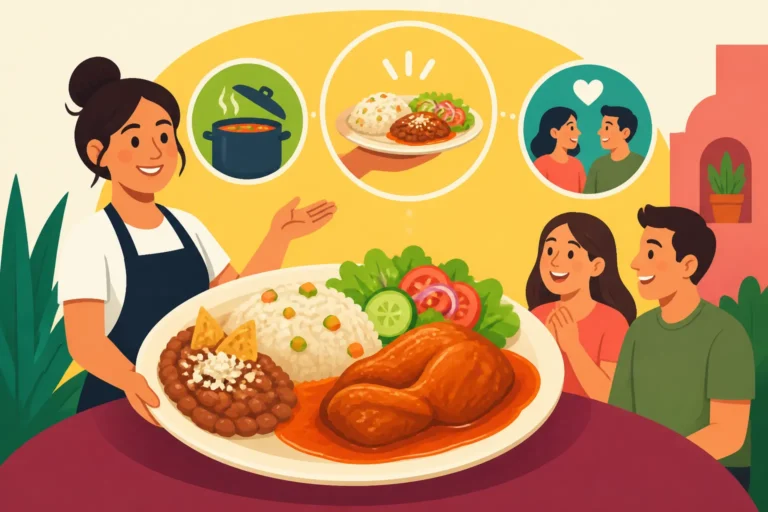
Finally, the rhythm of meals can be a bit different. While breakfast might be similar, lunch (comida) is often the biggest meal of the day and typically happens later, between 2 PM and 4 PM. Dinner is usually a lighter affair, often eaten quite late, perhaps after 8 PM or even 9 PM. If you try to find a full dinner menu at 6 PM in a local spot, you might find yourself among the only diners, or offered more snack-like options. Embrace the late lunch; it’s a wonderful tradition! And don’t be shy about trying street food – it’s often the freshest, most delicious, and most affordable option. Just look for places with long lines, high turnover, and clean preparation. For more confidence in trying local delights, check out our guide on Is Street Food Safe? How to Enjoy Mexican Street Eats Without Worry.
The Art of Mexican Communication and Social Graces
Navigating conversations and social interactions in Mexico can be a subtle dance, full of nuances that can easily be misinterpreted by first-time visitors. It’s less about directness and more about maintaining harmony and respect.
One of the biggest lessons I learned early on is that politeness and indirect communication are paramount. Mexicans are incredibly warm and hospitable, and they value good manners immensely. You'll hear "permiso" (excuse me/may I pass), "con permiso" (with your permission), "por favor" (please), and "gracias" (thank you) constantly. Always start interactions with a friendly "hola" or "buenos días/tardes/noches." Rushing straight to your request without a polite preamble can come across as rude or abrupt. Asking "Do you have X?" is often preferred over a blunt "I want X."
And speaking of politeness, the word "no" is often avoided. This can be incredibly confusing. If you ask for something and someone says "maybe," "let me see," or even "yes" but then doesn't deliver, it's often their way of politely saying "no" without causing offense or direct refusal. It's a cultural quirk rooted in a desire to maintain positive social interactions. So, if you're trying to get something done, it sometimes takes several follow-ups or a slightly different approach if you sense hesitation. Don't take it personally; it's rarely malicious. It’s just how things are often communicated.
Personal space is also a bit different. Mexicans tend to stand closer during conversations and are generally more physically demonstrative. Don't be surprised if someone touches your arm to emphasize a point or gives you a hug after a brief introduction. Handshakes are common, and a beso (a kiss on the cheek) is standard for greetings among friends, family, and sometimes even new acquaintances, especially between women or a woman and a man. Knowing these social cues can help you feel more comfortable and avoid accidentally appearing distant or cold. Our guide on Mexican Etiquette and Customs: Do's and Don'ts for New Expats delves deeper into these nuances.
Finally, while you might think asking personal questions is intrusive, it's often a sign of genuine interest and warmth in Mexico. Don't be surprised if new acquaintances ask about your family, your marital status, or even your age. It's usually not meant to pry, but rather to connect with you on a human level. Reciprocating with a friendly, if general, answer is usually appreciated.
Navigating Public Spaces and Services
Even everyday tasks like shopping or getting around can throw up a few surprises when you’re new to Mexico. The systems, while functional, might not align with your expectations.
Bureaucracy, for example, is a beast of its own. While it won't impact a short-term visitor as much as a resident, you might still encounter it if you need to deal with something official. Things often move at a slower pace, require multiple copies of documents you didn't think you needed, and involve a lot of waiting. Patience, a good book, and a sense of humor are your best tools. I still chuckle thinking about some of my early experiences just trying to set up my utilities! This kind of experience is universal for expats here, and for more insights into the depths of administrative patience required, our article on Dealing with Bureaucracy in Mexico: Tips for Handling Paperwork and Appointments offers a real dose of reality.
Tipping culture (propina) is also a bit different than in some Western countries. Tipping is expected for a much wider range of services, and often forms a significant part of a service worker's income. Waitstaff in restaurants, bartenders, hotel porters, tour guides, gas station attendants who pump your fuel, grocery baggers (the older folks at the checkout often rely on these tips), and even someone who helps you park your car – all typically receive a tip. In restaurants, 10-15% is standard, but you can go up to 20% for exceptional service. Make sure to carry small bills and coins for these situations. If you’re ever unsure, just observe what locals are doing, or discreetly ask. For a comprehensive breakdown, see our guide on Tipping in Mexico (Propina): When and How Much.
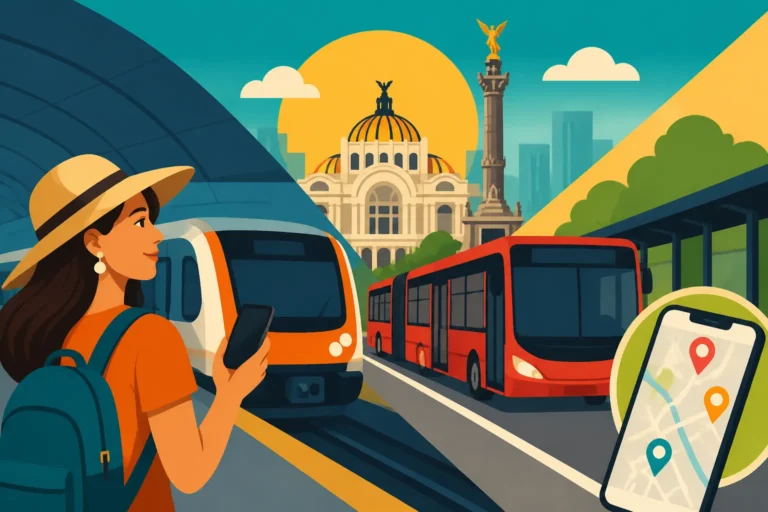
Getting around can also present some surprises. While ride-sharing apps like Uber and Didi are available in many major cities and generally safe and convenient, local taxis can be a different beast. In some cities, you might find different types of taxis – official city taxis, colectivos (shared taxis/vans), or sitio taxis that operate from a specific stand. Always agree on a fare before getting into a non-metered taxi. If you’re traveling between cities, the long-distance bus system is fantastic. Companies like ADO offer comfortable, reliable, and affordable travel that often surpasses bus systems in other countries. You can even book tickets online through sites like Busbud, which makes planning a breeze. For exploring Mexico City, the metro system is incredibly efficient and cheap, but it can be overwhelmingly crowded during rush hour. For a deep dive into urban navigation, check out Getting Around Mexico City: Metro, Metrobús, and Apps. If you're planning a road trip, remember that renting a car will come with its own set of rules and unexpected costs, especially concerning insurance.
When it comes to shopping, you'll encounter a fascinating mix. Alongside modern supermarkets that stock many familiar brands, you'll find bustling local markets (mercados and tianguis). These are vibrant, sensory overload experiences where you can find fresh produce, meats, spices, crafts, and just about anything else. They're a cultural immersion in themselves, but bargaining might be expected, especially for crafts or non-food items. Don't be afraid to haggle a little, but always do so politely and with a smile. It's part of the game!
Let's quickly sum up some common expectations vs. realities:
| Aspect | Common Expectation (from home country) | Mexican Reality (often a surprise) |
|---|---|---|
| Water | Tap water is safe to drink. | Bottled water (garrafones) for drinking and cooking is standard; tap water is generally not safe. |
| Toilets | Flush toilet paper. | Put used toilet paper in the wastebasket next to the toilet. |
| Noise Level | Quiet, especially at night. | Generally louder, with street vendors, music, fireworks, and dogs at all hours. |
| Meal Times | Lunch around noon, dinner early evening. | Lunch (comida) is the main meal, 2-4 PM; dinner is lighter and later (8 PM+). |
| Communication | Direct and to the point. | Indirect, polite language is preferred; "no" is often avoided. |
| Personal Space | A comfortable distance from strangers. | Closer interactions, physical touch (arm, pat), and cheek kisses are common greetings. |
| Tipping | For specific services (restaurants, hotels). | Expected for a wider range of services (gas attendants, baggers, sometimes even bathroom attendants). |
| Punctuality | Being on time is crucial. | Time is more flexible; "mañana" can mean "later" or "not today," not strictly "tomorrow." |
| Bureaucracy | Efficient and straightforward processes. | Can be slow, require many steps/documents, and demand a lot of patience. |
Time, Schedules, and the Unpredictable
Finally, we need to talk about time. Ah, el tiempo! This is perhaps one of the most fundamental cultural differences, and one that trips up many a first-time visitor (and even long-time residents, myself included!).
In Mexico, time is often perceived more flexibly than in many other cultures. This isn't to say people are lazy or don't care about schedules, but rather that relationships, social harmony, and the flow of life often take precedence over strict adherence to the clock. "Mañana" is the classic example. It literally means "tomorrow," but in conversation, it can mean "later," "sometime soon," or even "not today." If someone tells you they'll be there "en un ratito" (in a little while), it could be five minutes, an hour, or never. This isn't usually meant to deceive, but rather to be polite and avoid direct commitment if they're unsure.
What does this mean for you? Well, if you have an appointment, especially for something less formal, be prepared for things to start a little late. If you're attending a social gathering, showing up precisely on time might mean you're the first one there, and the hosts might still be getting ready! "Mexican time" means that if an event says it starts at 7 PM, people might actually start arriving closer to 7:30 or 8 PM. Embrace it with patience and flexibility. You’ll find yourself less stressed if you adopt a more relaxed approach to scheduling.
This flexible approach extends to official processes too. Whether you're dealing with immigration (though this applies more to residents), banking, or other services, things can take longer than you anticipate. Remember what I said about bureaucracy? It ties directly into this. It's not uncommon to spend several hours waiting for a seemingly simple transaction or appointment. This is where that expat veteran empathy kicks in: it is frustrating, it is a test of patience, but it's also just how it is. Take a deep breath, bring a book, and understand that hurrying will likely only cause you more stress, not speed up the process.
Even when booking tours or activities, while providers like Viator are usually quite punctual, understand that local pick-up times might have a small window of flexibility. If your tour guide says they’ll pick you up between 8:00 AM and 8:30 AM, don't fret if they arrive at 8:25 AM. They're on Mexican time! If you are planning a longer trip around the country and using services like Booking.com to find your hotels, just remember that check-in times are often more strictly adhered to, so always confirm with your accommodation.
Mexico is an incredible country, full of vibrant culture, delicious food, and some of the warmest people you'll ever meet. These cultural surprises aren't roadblocks; they're invitations to lean in, observe, and adapt. The more you understand these subtle differences, the more enjoyable and authentic your first visit will be. So, pack your bags, bring an open mind, and get ready for an adventure that will surprise you in the best possible ways.
Disclaimer
Please remember that cultural norms can vary by region, urban vs. rural settings, and individual circumstances. This guide offers general observations based on common expat experiences in Mexico. Laws, regulations, and prices can change, so it's always wise to verify the latest information from official sources or local experts.