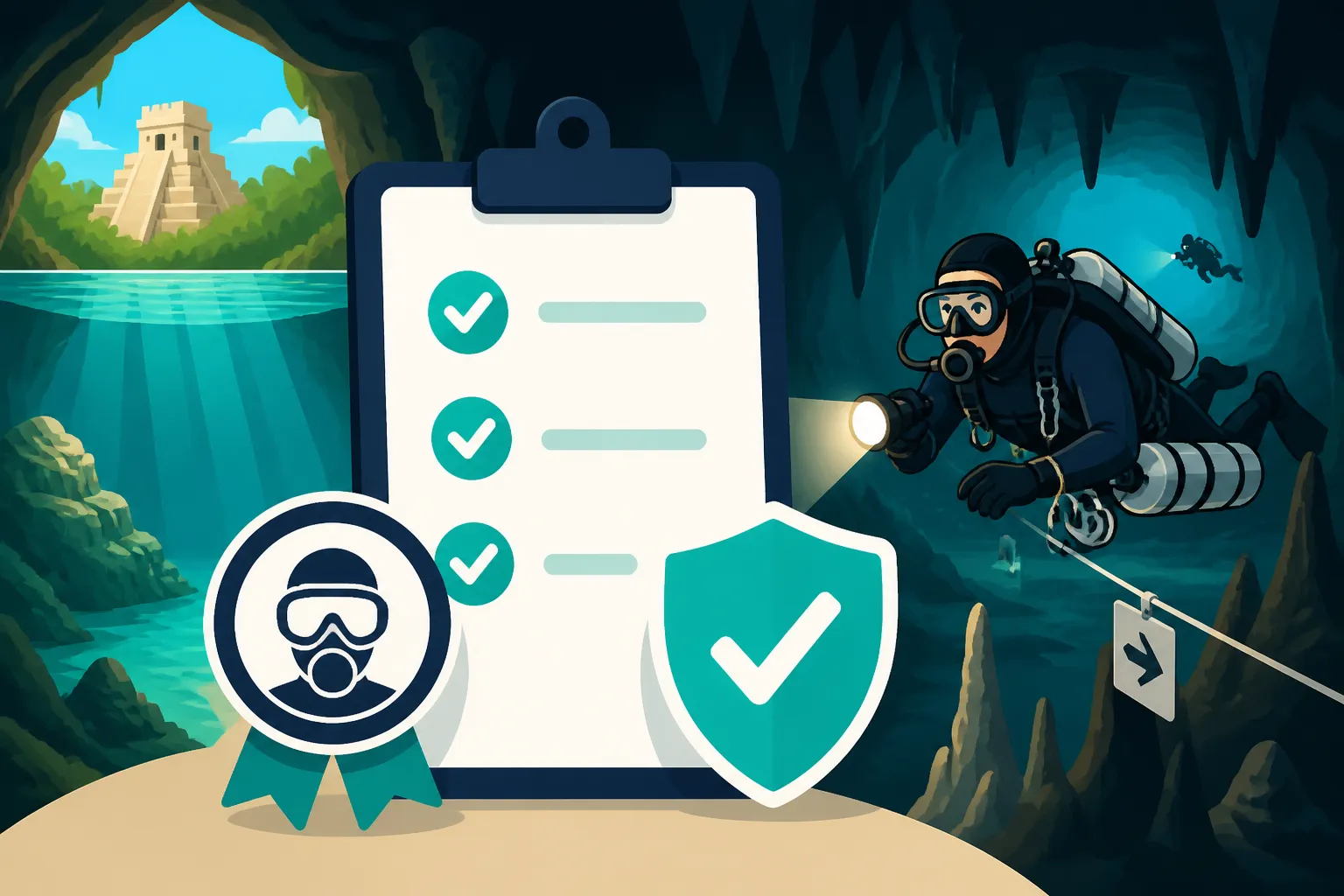
Cave Diving and Cenote Dives: Certification Checks Before You Book
Venturing into Mexico’s mystical cenotes and intricate underwater caves is an experience unlike any other, a journey into breathtaking geological formations and ancient Mayan history. But for many divers, the excitement can quickly turn to confusion when faced with varying certification requirements and the daunting task of finding truly safe and reputable operators. No one wants to travel all this way only to be turned away from a dive site or, worse, to risk their safety with an unqualified guide. This guide is here to cut through the noise, explain exactly what dive certifications you need for these incredible Mexican underwater adventures, and show you how to confidently book your experience with trusted platforms like Viator, ensuring your safety and maximizing your enjoyment.
Disclosure: This post may contain affiliate links. We may earn a commission at no extra cost to you if you make a purchase through these links. Read full disclosure.
The Allure and Risks of Mexico's Underwater Worlds
Mexico, particularly the Yucatán Peninsula, is home to a vast, interconnected network of underground rivers and caves, where limestone bedrock has eroded over millennia to create stunning subterranean landscapes. These unique environments offer an unparalleled diving experience, but they also demand a higher level of preparedness and respect for their inherent challenges.
What Makes Cenotes and Caves So Special?
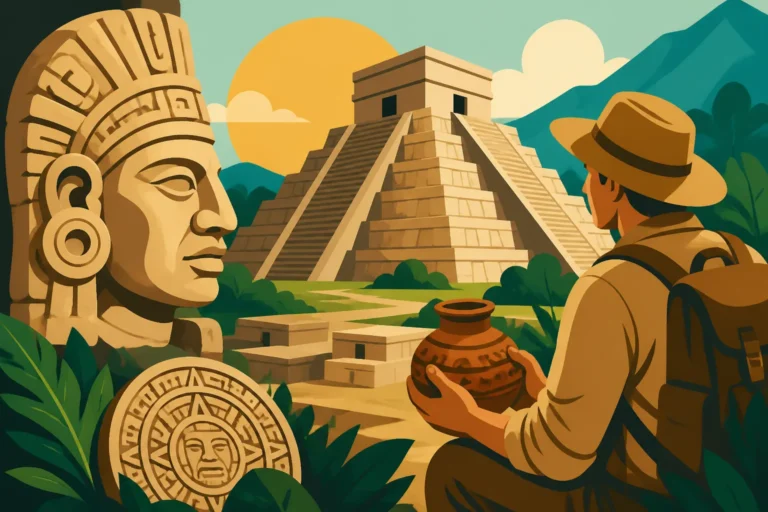
Imagine descending into crystal-clear, fresh water, often with visibility stretching for dozens of meters, revealing ancient stalactites and stalagmites that have formed over thousands of years. Cenotes, which are natural sinkholes, act as gateways to these underworld rivers, often starting as open-air pools fringed by lush jungle before transitioning into vast caverns and dark passages. You might encounter unique blind fish, freshwater turtles, or even ancient Mayan pottery fragments, vestiges of the sacred rituals once performed in these waters.
Diving in cenotes near vibrant towns like Tulum, Playa del Carmen, or within the broader Riviera Maya, you'll find yourself mesmerized by the shafts of sunlight piercing through the jungle canopy, creating ethereal light shows underwater. Each cenote, from the famous Dos Ojos to the lesser-known but equally stunning Tajma Ha, offers a distinct character and challenge. For those with the right certifications, venturing beyond the daylight zone into the true caves is like stepping onto another planet, a silent, timeless realm of incredible beauty. To truly grasp the regional differences, you might want to explore articles like Mexico's Regions and Where to Go: A Traveler's Overview.
Understanding the Dangers: Why Certification Matters
The sheer beauty of cenotes and caves can sometimes make divers underestimate the unique risks involved. Unlike open water diving, where you can always ascend directly to the surface in an emergency, cenotes and caves are "overhead environments." This means there’s a solid ceiling above you, blocking direct access to the surface. This single factor dramatically changes safety protocols and training requirements.
Risks include disorientation in low visibility (imagine kicking up silt and suddenly seeing nothing), equipment malfunction in a confined space, loss of your guide or buddy, and simply running out of air far from an exit. These aren't scenarios for the untrained or the faint of heart. Without proper training, a simple panic attack can turn into a life-threatening situation. This is why dive operators in Mexico take certification checks seriously, and you should too. It's not about being difficult; it's about ensuring everyone's safety in an environment that demands absolute respect. Expats and tourists sometimes feel frustrated by the strict rules, but trust me, they're there for your own good.
Deciphering Dive Certifications: Recreational vs. Technical
Before you even think about booking a cenote or cave dive, it's absolutely crucial to understand what your current certifications allow you to do. There's a big difference between diving in the ocean and diving deep into a limestone cavern, and the diving community takes these distinctions very seriously for good reason.
Open Water and Advanced Open Water: Your Starting Point (But Not Enough)
Most divers start their journey with an Open Water Diver certification, which allows you to dive to a certain depth (typically 18 meters or 60 feet) with a buddy in open water conditions. An Advanced Open Water certification extends your depth limit (often to 30 meters or 100 feet) and introduces you to different specialty dives, like navigation or deep diving. These are fantastic foundations for recreational diving in places like the Caribbean reefs or Pacific coast.
However, neither of these certifications prepares you for an overhead environment like a cenote cavern or, especially, a full cave. They focus on direct ascent to the surface, maintaining visual contact with the surface, and navigating in open, well-lit conditions. The skills learned, while vital for general diving, do not cover line following, gas management in confined spaces, or emergency procedures without a direct upward exit. So, while your PADI or SSI Open Water card is a prerequisite, it's just the beginning of what you'll need for cenote exploration.
Cavern Diver Certification: The Entry to Cenotes
For most divers looking to experience the magic of cenotes, a Cavern Diver certification is the key. This specialized training allows you to penetrate overhead environments, but with strict limitations designed for safety. A certified Cavern Diver is trained to:
- Stay within the daylight zone: You must always be able to see natural light from the entrance. This ensures that you can always find your way out by simply looking for the light.
- Maintain specific distance limits: Typically, you'll be limited to a maximum penetration distance from the surface, often around 60 meters (200 feet).
- Adhere to strict depth limits: Your dive will stay within the recreational depth limits.
- Follow a continuous guideline: You'll learn to use a line (provided by the guide or installed) to ensure you can always find your way back to the exit, even in low visibility.
- Manage gas conservatively: You'll learn the "rule of thirds," meaning one-third of your air for entry, one-third for exit, and one-third for emergencies.
This certification is usually a 2-3 day course, building on your Advanced Open Water skills. It's designed to introduce you safely to the unique environment of the cenotes without venturing into the more complex, truly "cave" sections. Many dive operators in the Yucatán will offer guided cavern dives for certified Cavern Divers, or even conduct the Cavern Diver course itself. This is often the ideal option for tourists wanting to experience the cenotes without committing to full technical cave training.
Full Cave Diver Certification: The Deep Dive into the Unknown
Now, if a Cavern Diver certification is like dipping your toes in the cenote, a Full Cave Diver certification is like plunging into the abyss. This is serious technical diving, and it’s not for everyone. Full Cave training is extensive, often spanning 5-7 days or more, broken into multiple modules (e.g., Intro to Cave, Apprentice Cave, Full Cave). It requires significant prior diving experience, excellent buoyancy control, and a strong mental aptitude.
A Full Cave Diver is trained to navigate complex cave systems beyond the daylight zone, where there is no direct path to the surface. This involves:
- Multi-tank configurations: Often diving with sidemount or backmount doubles, and sometimes stage bottles, for extended bottom times and redundancy.
- Complex navigation: Using sophisticated line protocols, jumps, gaps, and traverses to move through intricate passages.
- Advanced gas management: Planning for deco stops (decompression sickness prevention), managing multiple gas sources, and dealing with gas sharing emergencies in total darkness.
- Emergency procedures: Handling equipment failures, silt-outs (zero visibility), lost line procedures, and lost diver protocols in highly stressful situations.
- Proficiency with specialized equipment: Reels, spools, powerful lights, and specialized harnesses are standard.
This level of certification is often sought by professional divers, explorers, and those truly dedicated to technical diving. If you arrive in Mexico with a Full Cave certification from agencies like NSS-CDS, CDAA, IANTD, GUE, or the technical divisions of PADI (TecRec) or SSI (Extended Range), you'll have access to the most incredible, challenging, and remote cave systems the Yucatán has to offer. Just be prepared to show your credentials, as reputable operators will always verify your training.
Navigating Tour Operators and Booking Your Dive Experience
Choosing the right dive operator is paramount for a safe and enjoyable cenote or cave diving experience. Unfortunately, not all operators are created equal, and cutting corners can lead to dangerous situations. Knowing how to vet a good operator and where to book can make all the difference.
Why Reputable Operators are Non-Negotiable
When you're dealing with overhead environments, the expertise and professionalism of your guide and dive center are literally a matter of life and death. A reputable operator will prioritize safety above all else, which means they will:
- Insist on certification checks: They won't take you on a dive you're not qualified for, no matter how much you beg or offer to pay extra. They understand the risks and their liability.
- Provide well-maintained, modern equipment: Regulators, BCDs, tanks, lights, and lines will be in excellent working order. They won't skimp on safety gear.
- Employ highly experienced and certified guides: Cavern and cave guides in Mexico have undergone extensive local training beyond their basic instructor certifications. They know the cenotes intimately, understand the geology, and are experts in emergency procedures specific to these environments.
- Maintain small group sizes: This ensures personalized attention and allows the guide to closely monitor each diver. Overcrowding in cenotes can be dangerous, leading to silting and increased risk of separation.
- Adhere to strict dive plans: They will brief you thoroughly, discuss gas management, and stick to the planned route and depth.
Be wary of any operator who seems overly flexible with certification requirements, offers deals that seem too good to be true, or pushes you to go beyond your comfort or training level. A good dive center might feel strict, but that strictness is a sign of their commitment to your well-being. Look for centers affiliated with major dive organizations (PADI Dive Centers, SSI Dive Centers) that also specialize in technical and cavern/cave diving.
The Role of Certification Checks and How Viator Helps
When you arrive at a dive shop in Mexico, one of the first things they'll ask for, after your excited hello, is your dive certification card(s) and logbook. This isn't just a formality; it's a critical safety measure. They need to verify that you have the necessary training to participate in the dive you've booked. If you've booked a cavern dive and only have an Open Water certification, a good operator will politely but firmly tell you that you cannot do that dive, likely offering alternatives like a Discover Scuba Diving experience in an open cenote, or suggesting you take the Cavern Diver course.
This is where a platform like Viator truly shines. Viator partners with reputable local operators who understand and adhere to these international diving safety standards. When you browse for cenote or cave diving excursions on Viator, the listings often clearly state the required certification level. This transparency helps you avoid disappointment and ensures you're matched with an appropriate experience. You can easily filter options based on your certification level, whether you're looking for a guided cavern tour for cavern-certified divers or a full cave expedition for certified technical divers.
Viator acts as a bridge, connecting you with trusted dive centers that prioritize safety and compliance. They vet their operators, so you can have more confidence that the experience you're booking will be run by professionals who will perform the necessary certification checks and ensure you have a safe, unforgettable dive. You can read reviews from other divers on Viator to get a sense of an operator's professionalism and adherence to safety protocols. This significantly reduces the guesswork and potential for issues when trying to find a dive operator on your own, especially if you're not fluent in Spanish. Booking through Viator takes a lot of the stress out of finding a reliable dive shop for your cenote adventures.
Before you finalize your booking on Viator, always double-check the "What to Expect" or "Requirements" section of the tour description for specific certification needs. Don't hesitate to use Viator's messaging system or contact the operator directly through the platform if you have any questions about your specific certifications.
What to Expect During Your Dive Day
Once your certifications are verified and you're good to go, your dive day will typically start with a detailed briefing. Your guide will cover the specific cenote or cavern you'll be entering, the dive plan, maximum depth and penetration, emergency procedures, and communication signals. They'll also review gas management and buddy procedures. This is a great opportunity to ask any last-minute questions.
After the briefing, you'll gear up. Your guide will meticulously check your equipment, and you'll perform your own buddy check. Transportation to the cenote is usually provided by the dive center. Upon arrival, your guide will set up the main line if it's not permanently installed, ensuring a continuous path back to the exit.
During the dive, especially in cavern environments, your guide will lead the way, setting the pace and pointing out interesting formations. They will enforce proper buoyancy and trim to prevent silting and protect the delicate environment. The experience is truly humbling, offering moments of profound silence broken only by your own breathing, surrounded by geological wonders. Remember to respect the environment; touching formations or disturbing wildlife is strictly prohibited. Afterward, you’ll typically log your dive with your guide, often sharing stories over a quick snack.
Essential Considerations Before Your Mexico Dive Trip
Beyond just dive certifications, there are a few other crucial factors to consider before you embark on your underwater exploration of Mexico's cenotes and caves. Thinking ahead about these details will ensure a smoother, safer, and more enjoyable trip.
Medical Fitness and Insurance
Diving, especially in demanding environments like cenotes and caves, requires good physical health. Before any dive trip, it’s always wise to ensure you are medically fit to dive. If you have any pre-existing medical conditions, consult your doctor and potentially a dive physician for a medical evaluation. Many dive organizations require a medical questionnaire, and if you answer "yes" to certain questions, a doctor's sign-off might be mandatory. Taking care of your health here is just as important as it is in your daily life in Mexico. For more on navigating local healthcare, see Healthcare in Mexico: Complete Guide for Expats (Public vs Private).
Equally important is specialized dive insurance. While general travel insurance is essential for any trip, policies often have exclusions for adventurous activities like diving, especially technical diving or diving in overhead environments. Organizations like DAN (Divers Alert Network) offer specific dive accident insurance that covers hyperbaric chamber treatments, medical evacuation, and other dive-related emergencies. It’s a small investment that can provide immense peace of mind. Compare options with general travel policies by reading Travel Insurance for Trips to Mexico. Don't forget basic health precautions while traveling; check out Staying Healthy in Mexico: Essential Tips for Food, Water, and Preventive Care.
Equipment and Logistics
Most reputable dive operators in Mexico will provide all necessary dive equipment, including tanks, weights, BCD, regulator, wetsuit, mask, and fins. However, if you have your own gear, especially a mask and fins that fit perfectly, bringing them can enhance your comfort. For cavern and cave diving, powerful primary and backup dive lights are crucial; operators will usually provide these if you don't have your own. Always inspect rental equipment thoroughly before your dive, ensuring everything is in good working order.
Transportation to the cenotes, which are often located off the main roads deep in the jungle, is typically handled by the dive center. They will pick you up from a designated meeting point, often their shop or your accommodation, and drive you to the dive site. This takes the stress out of navigating unfamiliar roads or finding parking. Knowing how to get around Mexico, especially for day trips, is always helpful, so you might also want to look at Getting Around Mexico: Buses, Flights, and Car Hire. Packing light but smart, especially if you're traveling across the country, is always a good idea; check What to Pack for a Beach Trip in Mexico for ideas.
Respecting the Environment and Local Culture
Cenotes were deeply sacred to the ancient Maya, seen as gateways to the underworld and sources of life-giving water. When you visit these sites, whether for diving or just swimming, remember you are stepping into a place of profound cultural and ecological significance. Always be respectful.
This means adhering to eco-conscious practices: avoid touching delicate formations (stalactites, stalagmites), do not disturb any wildlife, and never leave trash behind. Many cenotes require you to rinse off sunscreen and bug spray before entering the water to protect the fragile ecosystem. Listen to your guide, as they are not only experts in diving but often knowledgeable about the history and environmental preservation of these unique sites. Learning a bit about Mexican Customs, Etiquette, and Social Life will also go a long way in showing your respect and enhancing your overall experience. If you’re looking to explore specific cenotes, check out What Are the Best Cenotes Near Tulum? or broader guidance like Cenote Day Trips in the Yucatán or Exploring Mérida and the Yucatán for more details on these natural wonders within The Riviera Maya: Cancún, Playa del Carmen, and Tulum region. And of course, always prioritize your safety when exploring new places; these tips on Staying Safe in Mexico: Practical Tips for Travelers are invaluable.
| Certification Level | Primary Skills Covered | Allowed Environment in Cenotes | Equipment Considerations | Cave Penetration |
|---|---|---|---|---|
| Open Water Diver | Basic buoyancy, navigation, emergency ascents. | NOT allowed for overhead cavern/cave diving. | Basic scuba gear. | None |
| Advanced Open Water | Deeper dives, navigation, various specialties. | NOT allowed for overhead cavern/cave diving. | Basic scuba gear + specialty specific gear. | None |
| Cavern Diver | Continuous guideline, gas management (rule of thirds), emergency procedures in overhead environments. | Limited penetration into daylight zone, always seeing exit light. Max penetration typically 60m (200ft). | Primary light, backup light, dive computer, reel. | Within daylight zone, direct ascent possible. |
| Intro to Cave Diver | Advanced line protocols, basic navigation (T-junctions), air sharing in overhead. | Limited penetration beyond daylight zone. Limited complex navigation. | Multiple lights, primary reel, safety spool, sidemount/backmount tanks. | Limited, with complex navigation. |
| Full Cave Diver | Complex navigation, jumps, gaps, advanced gas switching, stress management, no-visibility exits. | Extensive penetration into complex cave systems, no direct access to surface. | Multiple tanks (sidemount/doubles), multiple lights, deco gases, advanced reels and spools. | Unlimited, complex navigation. |
Booking your cenote or cave diving adventure in Mexico should be an exciting process, not a stressful one. By understanding the critical role of certification, choosing reputable operators, and utilizing trusted platforms like Viator, you can ensure your journey into Mexico's mesmerizing underwater worlds is as safe as it is unforgettable. Remember, respecting the environment, prioritizing safety, and being adequately prepared are the keys to an incredible dive experience. Dive safe, and enjoy the magic of Mexico's cenotes!
Disclaimer
This article is for general informational purposes only and does not constitute professional advice. Laws, prices and regulations vary by location and change over time. Consult a qualified professional for guidance on your specific situation.