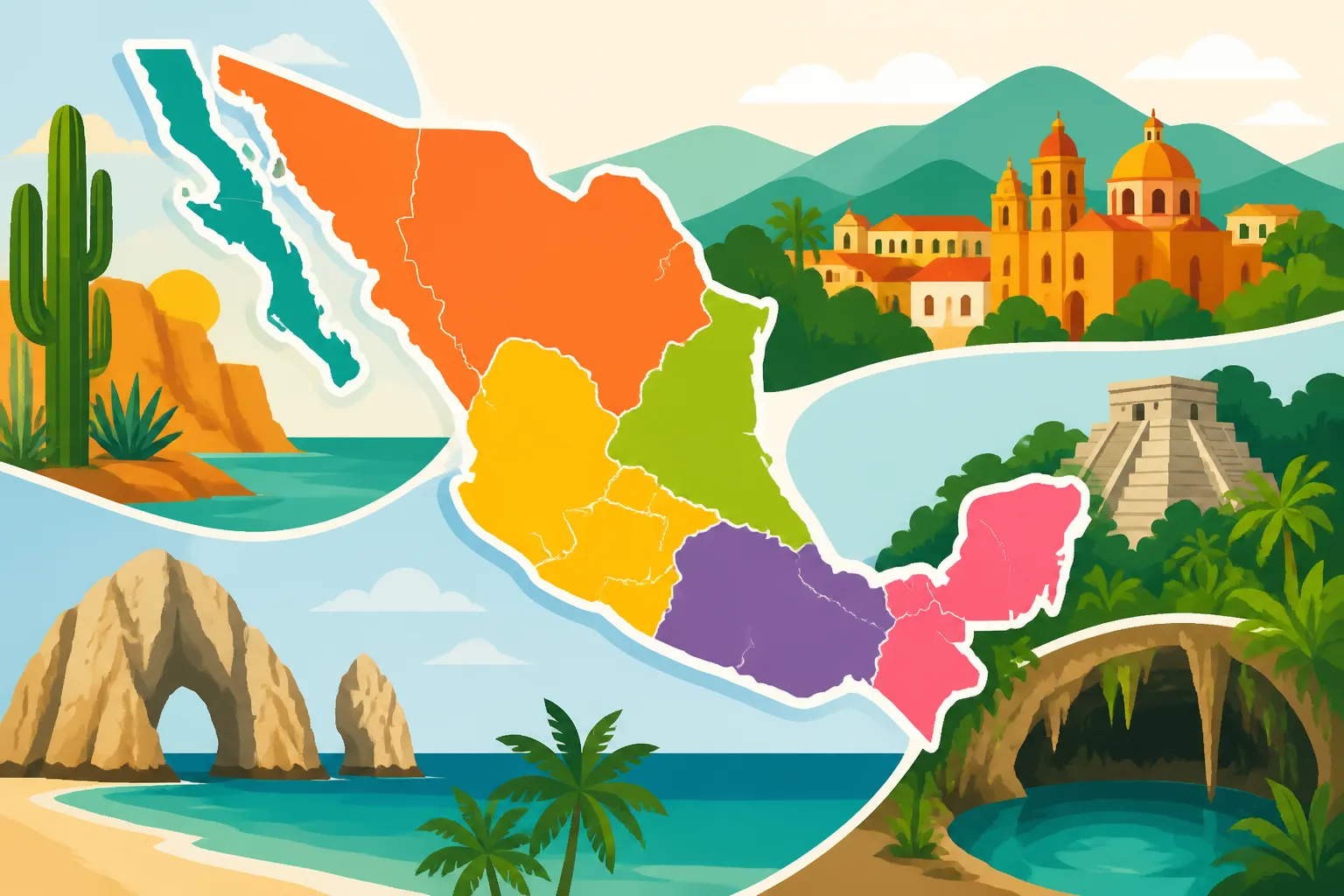
Mexico’s Regions and Where to Go: A Traveler’s Overview
So, you're eyeing a trip to Mexico, huh? That's fantastic! But let me tell you, thinking of "Mexico" as one singular destination is like thinking of "Europe" as just one country. This vast, incredibly diverse nation is a tapestry of distinct regions, each with its own flavor, climate, history, and vibe. As an expat who’s spent years navigating its breathtaking landscapes and sometimes bewildering bureaucracy, I can tell you that understanding these regions is key to planning a trip that truly speaks to your soul, and frankly, avoids some common expat blunders. This guide is going to break down Mexico's incredible geographic and cultural mosaic, helping you pinpoint exactly where your next adventure lies.
Disclosure: This post may contain affiliate links. We may earn a commission at no extra cost to you if you make a purchase through these links. Read full disclosure.
The Vibrant Heart: Central Mexico
Ah, Central Mexico. This is where Mexico's rich history beats loudest, where ancient empires clashed and colonial grandeur left an indelible mark. It's a region that hums with energy, tradition, and a cosmopolitan flair, often surprising those who only picture beach resorts when they think of Mexico. From bustling metropolises to serene mountain towns, the heartland offers an experience steeped in culture.
Mexico City and Its Urban Charms
Let's be real, Mexico City can feel utterly overwhelming at first glance. It's colossal, sprawling, and moves at a thousand miles an hour. But beneath that initial chaos lies one of the most vibrant, culturally rich, and endlessly fascinating cities on the planet. I remember my first few visits feeling like a sensory overload, but with each return, a new layer of its magic unfurled. You've got pre-Hispanic ruins like Templo Mayor right in the historic center, alongside stunning colonial architecture that tells tales of centuries past. Then there's the modern art scene, world-class museums like the National Museum of Anthropology, and a culinary landscape that rivals any global capital. This isn't just a stopover; it's a destination in itself.
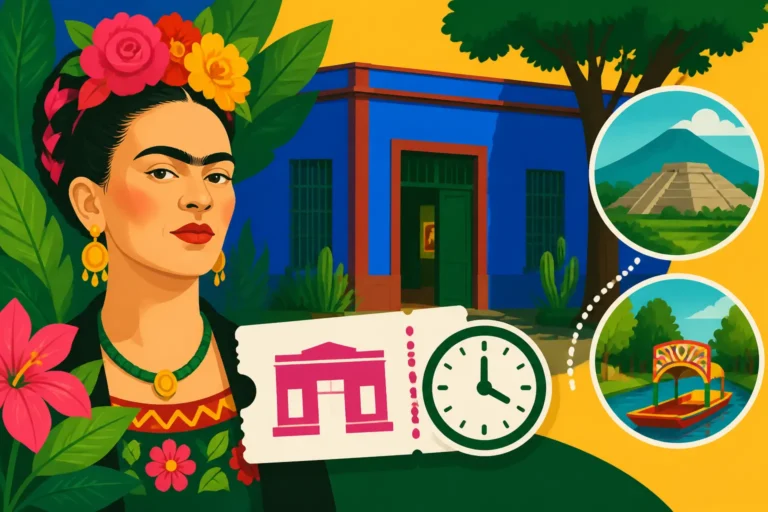
Beyond the historical sights, Mexico City is a hub for contemporary culture. Think about spending an afternoon strolling through the bohemian streets of Coyoacán, perhaps visiting Frida Kahlo's Casa Azul, or exploring the upscale boutiques and art galleries in Roma Norte and Condesa. These neighborhoods are perfect for people-watching, enjoying a leisurely brunch, or simply soaking in the sophisticated yet relaxed atmosphere. When it comes to finding places to stay or things to do, platforms like Booking.com offer a plethora of options, from charming boutique hotels to modern apartments in these prime locations. You can easily book a walking tour of the historic center on Viator to get your bearings.
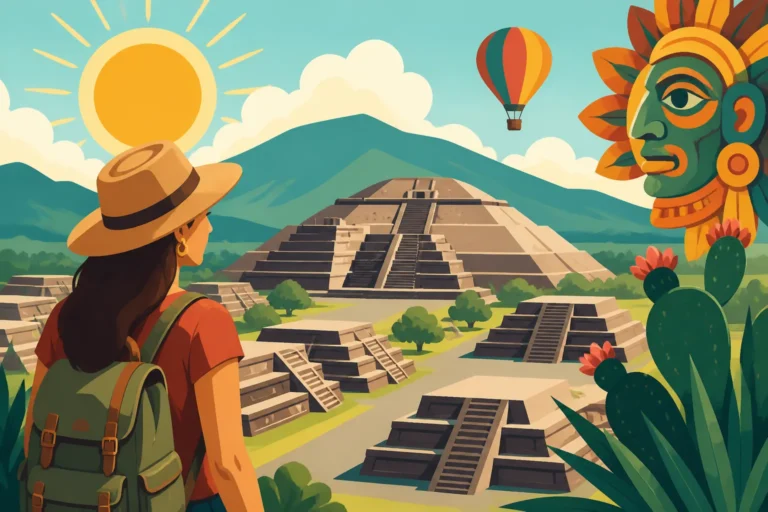
The city also serves as a fantastic launchpad for exploring nearby marvels. Just an hour or so outside the city, you can stand atop the ancient pyramids of Teotihuacán, a truly awe-inspiring experience that transports you back to a powerful pre-Aztec civilization. The sheer scale and historical significance of this site are immense, and it’s a must-see. Make sure to plan your visit early in the morning to avoid the biggest crowds and the midday sun.
Colonial Gems and Pueblos Mágicos
Venturing beyond Mexico City, you step into a world of enchanting colonial cities and "Pueblos Mágicos" (Magic Towns), each designated for their unique cultural, historical, or natural beauty. These places offer a slower pace, vibrant colors, and a profound sense of history that will captivate you. Guanajuato, with its labyrinthine alleyways and underground tunnels, is like stepping into a European fairytale. San Miguel de Allende, a UNESCO World Heritage site, is renowned for its Baroque architecture, thriving arts scene, and large expat community. I've spent countless weekends wandering these streets, always discovering a new hidden courtyard or a charming cafe.
Puebla and Querétaro are two other shining examples of Mexico's colonial heritage. Puebla is famous for its talavera pottery, mole poblano, and countless churches adorned with intricate tilework. Querétaro boasts stunning aqueducts, historic plazas, and a more understated elegance. These cities are incredibly walkable, perfect for simply getting lost and stumbling upon local markets, artisan shops, and delightful eateries. The architecture alone is worth the trip, showcasing centuries of Spanish influence blended with Mexican craftsmanship. For a deeper dive, consider exploring our guide on Puebla and Querétaro: Central Mexico's Colonial Cities.
The beauty of these towns isn't just in their appearance; it's in the way daily life unfolds within them. You'll find lively central plazas where families gather in the evenings, mariachi bands play, and street vendors offer delicious snacks. Each Pueblo Mágico has a distinct personality—from the silver mining town of Taxco clinging to a hillside to the spiritual retreat of Tepoztlán nestled beneath dramatic cliffs. Exploring these diverse locales really highlights the depth of Mexican culture and offers a quieter, more intimate glimpse into the country's soul.
High-Altitude Adventures and Natural Wonders
Central Mexico isn't just about cities and towns; it's also home to dramatic volcanic landscapes, verdant forests, and unexpected natural beauty. The region around Mexico City and extending into states like Estado de México, Puebla, and Morelos, features several towering volcanoes, some of which are active (though monitored!). For the adventurous, hiking Popocatépetl (from a safe distance, of course) or Iztaccíhuatl offers incredible views and a challenging experience.
Further out, you'll find serene natural parks and conservation areas perfect for outdoor enthusiasts. The Monarch Butterfly Biosphere Reserve in Michoacán and Estado de México is one such wonder, where millions of monarch butterflies migrate annually from Canada and the US to overwinter in the oyamel fir forests. It's an absolutely magical sight, truly one of Mexico's most unique natural spectacles. Visiting this reserve is a bucket-list item for many, offering an unparalleled connection to nature.
And let's not forget the incredible opportunities for rock climbing, mountain biking, and even paragliding in areas like Valle de Bravo, a picturesque lake town in the Estado de México that doubles as a popular weekend escape for city dwellers. This region truly offers a dynamic contrast to the urban bustle, providing a breath of fresh air and opportunities for adventure in a stunning, often temperate climate.
Caribbean Paradise: The Yucatán Peninsula
Switching gears entirely, the Yucatán Peninsula is a world unto itself. This flat, limestone shelf jutting into the Caribbean Sea is famous for its dazzling turquoise waters, white sand beaches, and the enigmatic ruins of the ancient Maya civilization. It’s where many first-time visitors to Mexico land, drawn by the promise of sun, sea, and history.
Riviera Maya: Beaches and Resorts
The Riviera Maya, stretching south from Cancún, is perhaps Mexico's most iconic beach destination. Places like Playa del Carmen and Tulum have exploded in popularity, offering everything from all-inclusive resorts to bohemian eco-chic retreats. I've seen this area transform over the years, from sleepy fishing villages to bustling tourist hubs, but the fundamental draw remains the same: those impossibly beautiful beaches and warm Caribbean waters. Whether you're looking to party, relax, or indulge in luxurious amenities, the Riviera Maya has a spot for you.
Beyond the well-trodden paths of Cancún and Playa del Carmen, you can find quieter stretches of beach, like those near Akumal, famous for its sea turtles. The options for water activities are endless: snorkeling, diving, paddleboarding, or simply swimming in the calm, clear sea. Many hotels and resorts cater specifically to families or couples, making it easy to tailor your experience. Remember, for hotel bookings, sites like Booking.com are your best friend, offering a huge range of choices and prices.
However, it's worth noting that the popularity of the Riviera Maya comes with its own set of challenges, including crowds and development. If you're seeking untouched wilderness, you might need to venture further off the main tourist corridor. Nevertheless, for a quintessential Caribbean getaway with easy access to amenities and attractions, this region is hard to beat.
Ancient Maya Wonders and Cenotes
What truly sets the Yucatán apart from other beach destinations is its deep historical roots. This was the heartland of the Maya civilization, and their incredible architectural achievements stand as powerful reminders of their ingenuity. Chichén Itzá, a UNESCO World Heritage site and one of the New Seven Wonders of the World, is the undisputed star. Its massive Kukulkan pyramid and other structures are breathtaking. Then there's Tulum, unique for its cliffside ruins overlooking the Caribbean Sea, offering a truly picturesque backdrop. Uxmal, often less crowded than Chichén Itzá, offers equally impressive architecture and intricate stone carvings. For a deeper dive into these historical treasures, check out our guide on Maya Ruins in Mexico: Chichén Itzá, Tulum, and Palenque.
But the Maya left more than just pyramids; they also revered the region's natural underground swimming holes, known as cenotes. These natural sinkholes, formed by the collapse of limestone bedrock exposing crystal-clear groundwater, were sacred to the Maya and are now incredibly popular for swimming, snorkeling, and diving. From open-air cenotes bathed in sunlight to subterranean caves with stalactites, each one offers a unique and refreshing experience. There are literally thousands scattered across the peninsula, and finding your own hidden gem is part of the fun. Our guide on Cenotes in Mexico: What They Are and Where to Swim can give you some excellent starting points.
You can book guided tours to these sites and cenotes through platforms like Viator, which can be incredibly convenient, especially if you prefer not to drive yourself. They often include transportation and knowledgeable guides who can bring the history to life. This combination of stunning beaches, ancient history, and unique geological formations makes the Yucatán Peninsula an irresistible destination for travelers of all interests.
Mérida and Colonial Yucatán
Beyond the resorts and ruins lies Mérida, the vibrant capital of Yucatán state. This colonial city offers a distinctly different pace from the coastal areas, known for its elegant architecture, lively cultural scene, and strong Maya heritage. Mérida is often considered one of Mexico's safest cities, making it a popular choice for expats and travelers seeking a more authentic experience. Its grand plazas, colorful markets, and nightly cultural events truly showcase a blend of Spanish and indigenous traditions.
Life in Mérida revolves around its beautiful central square, Plaza Grande, where you'll find the majestic Cathedral of Mérida and government palaces adorned with impressive murals depicting Yucatán's history. The city is also a gateway to the Ruta Puuc, a string of lesser-known but equally fascinating Maya archaeological sites like Uxmal, Kabah, and Sayil. Exploring these sites often feels more intimate, allowing for a deeper appreciation without the crowds.
Mérida is also a fantastic base for exploring the diverse natural beauty of the western Yucatán, from the flamingos of Celestún to the haciendas that dot the countryside. The food scene here is also exceptional, offering distinct Yucatecan cuisine like cochinita pibil and sopa de lima. If you're looking to immerse yourself in rich culture without the constant buzz of a major tourist zone, Mérida and its surrounding colonial towns are an absolute delight.
Pacific Shores and Coastal Wonders
Mexico's Pacific coastline is vast and varied, stretching for thousands of miles and offering a completely different set of experiences compared to the Caribbean. From bustling resort towns to bohemian surf havens, the Pacific coast has something for every kind of traveler.
Jalisco's Pacific Playground: Puerto Vallarta and Riviera Nayarit
Puerto Vallarta, in Jalisco state, is a beloved destination for many, known for its beautiful Banderas Bay, vibrant downtown Malecon, and stunning Sierra Madre mountains as a backdrop. It offers a lively atmosphere with excellent dining, nightlife, and a welcoming vibe that has attracted expats for decades. Whether you're looking for a luxury resort or a charming boutique hotel, you'll find it here.
Just north of Puerto Vallarta, the Riviera Nayarit stretches along the coastline, a collection of charming towns and luxurious developments. Sayulita, once a sleepy surf town, has blossomed into a popular bohemian escape, famed for its colorful streets, artisan shops, and relaxed surf culture. Further north, San Pancho (San Francisco) offers a slightly more laid-back alternative. These towns are perfect for those who want a blend of beach life, unique culture, and opportunities for outdoor activities like surfing, paddleboarding, and whale watching during the season. For more detailed information, consider our guide on Puerto Vallarta and the Riviera Nayarit.
The blend of traditional Mexican charm with modern amenities makes this region incredibly appealing. You can spend your days exploring hidden beaches, trying fresh seafood at a beachfront palapa, or embarking on an adventure cruise across the bay. The sunsets over the Pacific here are legendary, painting the sky in fiery hues every evening—a perfect end to a day of exploration.
Oaxaca's Rustic Coasts: Puerto Escondido and Huatulco
Moving south to the state of Oaxaca, the Pacific coast takes on a more rugged, bohemian, and authentically Mexican character. Puerto Escondido is world-famous for its incredible surfing waves, particularly at Playa Zicatela, which attracts professional surfers from around the globe. But even if you're not a surfer, its laid-back vibe, vibrant markets, and stunning beaches make it a compelling destination. Areas like La Punta offer a more relaxed atmosphere with beachfront palapas and yoga studios.
Further south, Huatulco presents a different kind of coastal experience, known for its nine bays and 36 pristine beaches, many of which are protected national parks. It's a more eco-conscious destination, with development carefully managed to preserve its natural beauty. Huatulco is perfect for those seeking tranquility, snorkeling, diving, or simply relaxing on uncrowded sands. The infrastructure here is modern but blended seamlessly with the environment, offering a balance often sought by discerning travelers.
The charm of Oaxaca's coast lies in its authenticity and unspoiled natural beauty. You'll find fewer large resorts and more local guesthouses, small hotels, and beachfront cabañas. The pace of life is slower, focusing on the rhythm of the ocean and local culture. This region also provides an excellent opportunity to sample Oaxaca's renowned cuisine, even by the sea, offering a culinary journey alongside your beach escape.
Baja California Sur: Desert Meets Ocean
At Mexico's northwestern tip, the Baja California Peninsula stretches over 775 miles, with Baja California Sur being its lower, more famous half. This region offers a dramatic landscape where the rugged desert meets the vibrant blue of the Pacific Ocean and the Sea of Cortés. It's a land of extremes and striking beauty, often feeling distinct from mainland Mexico.
Los Cabos, encompassing Cabo San Lucas and San José del Cabo, is the most popular destination here, a magnet for luxury travelers, golfers, and sport fishermen. Cabo San Lucas is known for its lively nightlife and iconic El Arco rock formation, while San José del Cabo offers a more relaxed, artsy atmosphere with charming colonial architecture. The resorts here are world-class, offering every amenity imaginable against a backdrop of stunning desert-meets-ocean scenery.
Beyond the glitz of Los Cabos, the Baja peninsula offers incredible opportunities for adventure. La Paz, the capital of Baja California Sur, is a laid-back city on the Sea of Cortés, known for its beautiful Malecon, pristine beaches, and as a gateway to exploring Espiritu Santo Island, a UNESCO World Heritage site renowned for its marine life, including sea lions and whale sharks. For those seeking solitude and raw natural beauty, the countless coves and beaches along the Sea of Cortés are simply unparalleled. This region is a paradise for outdoor lovers, from off-roading in the desert to snorkeling with abundant marine life.
The Southern Soul: Chiapas and Beyond
Heading deep into Mexico's south, you encounter the state of Chiapas, a region unlike any other. It’s a land of dramatic mountains, lush jungles, ancient Maya cities shrouded in mist, and a vibrant indigenous culture that remains strong and distinct. This is Mexico for the truly adventurous and culturally curious.
San Cristóbal de las Casas and Indigenous Culture
San Cristóbal de las Casas is the undisputed cultural heart of Chiapas. Nestled in a cool, pine-forested valley, this charming colonial town is a melting pot of indigenous traditions, Spanish heritage, and bohemian expat culture. Its cobblestone streets, colorful markets, and bustling central plaza are always alive with activity. I remember being struck by the sheer number of indigenous people, particularly from the Tzotzil and Tzeltal communities, who come to the city to sell their crafts and produce. Their vibrant traditional clothing adds an incredible splash of color to the already picturesque streets.
The area surrounding San Cristóbal is home to numerous indigenous villages, many of which maintain their traditional customs, languages, and forms of government. Visiting villages like San Juan Chamula and Zinacantán offers a profound insight into a way of life that has persisted for centuries, largely untouched by outside influences. However, it's crucial to do so respectfully, ideally with a local guide who understands the cultural nuances and can facilitate a truly meaningful exchange. These are not tourist attractions in the conventional sense, but living, breathing communities.
Beyond its cultural richness, San Cristóbal offers a pleasant, cool climate thanks to its altitude, making it a refreshing escape from Mexico's hotter regions. It's a fantastic base for exploring the natural wonders of Chiapas, from the nearby Sumidero Canyon to the stunning Cascadas de Agua Azul. The town itself has a thriving cafe culture, excellent restaurants, and unique artisan markets, making it a truly captivating destination.
Palenque and the Ancient Maya Jungle
Deep within the jungle lowlands of Chiapas lies Palenque, one of the most exquisite and evocative Maya archaeological sites. Unlike the grand, open plazas of Chichén Itzá, Palenque's ruins are partially swallowed by dense jungle, creating an atmosphere of mystery and discovery. The intricate carvings, detailed bas-reliefs, and the famous Temple of the Inscriptions showcase the artistic and architectural brilliance of the Classic Maya period.
Exploring Palenque feels like stepping into an Indiana Jones movie. The humidity is thick, the sounds of howler monkeys echo through the trees, and the ancient structures emerge from the foliage, often still partially covered by centuries of jungle growth. It's an immersive experience that really connects you to the power of nature reclaiming history. Many travelers combine a visit to Palenque with trips to nearby waterfalls like Misol-Ha and Agua Azul, where you can swim in vibrant turquoise pools.
The journey to Palenque itself is part of the adventure, often involving scenic bus rides through lush landscapes. For those planning their travel, Busbud can be an excellent resource for finding and booking inter-city buses throughout Mexico, offering a convenient way to reach even these more remote locations. This region truly offers a profound journey into Mexico's deep past and untamed natural beauty.
Northern Frontiers: Deserts, Canyons, and Border Culture
Mexico's vast northern states are often overlooked by international tourists, yet they offer starkly beautiful landscapes, unique cultural experiences, and a different perspective on the country. This region is characterized by expansive deserts, towering mountain ranges, and a strong connection to its border with the United States.
Copper Canyon and Chihuahua
The Copper Canyon (Barrancas del Cobre) in the state of Chihuahua is an often-underestimated natural wonder. This network of six distinct canyons is four times larger and nearly twice as deep as the Grand Canyon, offering breathtaking vistas and incredible opportunities for adventure. It's home to the indigenous Rarámuri (Tarahumara) people, renowned for their incredible long-distance running abilities and distinct culture.
The most iconic way to experience the Copper Canyon is by taking El Chepe, Mexico's last passenger train, which winds its way through dramatic landscapes, over bridges, and through tunnels, offering unparalleled views. It's an unforgettable journey that takes you through diverse ecosystems, from high mountain plains to subtropical valleys. This journey is truly an experience in itself, a slow and deliberate immersion in the grandeur of nature. For an in-depth look, our guide on Copper Canyon (Barrancas del Cobre): A Traveler's Guide is an essential read.
Activities in the canyon range from challenging hikes and mountain biking to zip-lining and exploring local Rarámuri communities. It's a destination for those who seek rugged beauty and a deep connection to indigenous cultures. The small towns perched on the canyon rim, like Creel and Divisadero, serve as excellent bases for exploration, offering a glimpse into local life in this remote, majestic corner of Mexico.
Monterrey and the Industrial North
Monterrey, the capital of Nuevo León, stands as a testament to Mexico's industrial might and modern ambition. Surrounded by dramatic mountains, including the iconic Cerro de la Silla, Monterrey is a bustling metropolis that feels distinct from the colonial charm of central Mexico or the laid-back vibe of the coasts. It's a city of commerce, innovation, and a strong sense of regional identity.
While not a typical tourist destination, Monterrey offers a vibrant cultural scene, excellent gastronomy (especially known for its carne asada!), and a unique blend of urban sophistication and natural beauty. The Macroplaza, one of the largest plazas in the world, is a central point, surrounded by museums, government buildings, and historical sites. For outdoor enthusiasts, the nearby Parque Ecológico Chipinque offers fantastic hiking trails with panoramic views of the city.
This region also serves as a gateway to the arid beauty of northern Mexico, with opportunities for exploring deserts, hot springs, and even dinosaur footprints in areas like Coahuila. It provides a fascinating contrast to the Mexico often depicted in travel brochures, showcasing the country's economic power and a different kind of cultural pride.
Baja California Norte: Wine and Cross-Border Life
The northern half of the Baja California Peninsula offers another distinct flavor of Mexico, heavily influenced by its proximity to the US border. Tijuana, a bustling border city, has a dynamic culinary and arts scene that has garnered international attention, shedding its old reputation. It's a vibrant, innovative city that embodies the cross-cultural exchange between the two countries.
Just south of the border, the Valle de Guadalupe has emerged as Mexico's premier wine region, producing excellent wines that are increasingly recognized globally. This picturesque valley, with its rolling vineyards, gourmet farm-to-table restaurants, and boutique hotels, offers a delightful escape for foodies and wine lovers. It's a surprising discovery for many who don't associate Mexico with fine wine, but it truly delivers a world-class experience.
Further down the coast, Ensenada is a popular port city known for its seafood, particularly its fish tacos and clamato. It's also home to La Bufadora, a natural blowhole that erupts dramatically with the ocean's swell. Baja California Norte offers a blend of adventurous spirit, culinary excellence, and a unique border culture that is constantly evolving, making it a fascinating region to explore.
Navigating Your Journey Through Mexico's Regions
Understanding Mexico's diverse regions is just the first step; next comes figuring out how to get around and plan your itinerary effectively. The distances can be vast, and while adventure is part of the appeal, a little planning goes a long way to ensure a smooth trip.
Getting Around: Land, Air, and Sea
Mexico has a remarkably efficient and extensive transportation network, making it relatively easy to travel between its various regions. For long distances, domestic flights are often the fastest option, with major airlines like Aeromexico, Volaris, and VivaAerobus connecting cities across the country. You can often find affordable fares if you book in advance, especially during the off-season.
For inter-city travel by land, Mexico's bus system is truly outstanding. Premium lines like ADO offer comfortable, reliable, and affordable service with amenities often comparable to short-haul flights. I've spent countless hours on Mexican buses, crossing states, and always found them to be an excellent way to see the country. Booking platforms like Busbud make it incredibly easy to find schedules and purchase tickets online, which is a game-changer compared to waiting in line at the bus station. For more on this, check out our guide on Getting Around Mexico: Buses, Flights, and Car Hire.
Renting a car is also an option, particularly if you plan to explore rural areas or have a flexible itinerary. However, driving in Mexico comes with its own considerations, including varying road conditions, local driving customs, and the need for specific Mexican car insurance. Always be mindful of road signs, speed limits, and potential topes (speed bumps) that can appear out of nowhere! For shorter distances or within cities, ride-sharing apps like Uber (where available) and local taxis are convenient.
Planning Your Regional Adventure
When planning your trip, consider what kind of experience you're truly seeking. Do you want bustling city life and museums, or tranquil beaches and ancient ruins? Are you an adventurer looking for hiking and surfing, or a foodie eager to explore regional cuisines? Mexico offers it all, but trying to cram too much into one trip can lead to exhaustion rather than enjoyment. It's often better to focus on one or two regions to truly immerse yourself.
Think about the time of year you're traveling as well. Mexico's climate varies dramatically by region. The central highlands offer temperate weather year-round, while the coasts can be hot and humid, especially during the summer rainy season (which also brings lush greenery). Hurricane season impacts the Caribbean and Pacific coasts from June to November. For those looking for the Best Places to Live in Mexico for Expats (2027 Edition), climate is often a top consideration.
Finally, don't underestimate the value of local insights. Chat with other travelers, read expat blogs (like this one!), and consider joining local Facebook groups. These communities are invaluable sources of real-world advice and recommendations, from the best local eateries to tips for navigating public transport. And most importantly, come with an open mind and a willingness to embrace the unexpected. Mexico will surely captivate you.
Final Thoughts on Exploring Mexico's Diverse Landscapes
Mexico is a country that consistently defies expectations, offering a kaleidoscope of experiences that cater to every imaginable interest. From the historical depth of its central highlands to the sun-drenched beaches of its Caribbean and Pacific coasts, and the rugged beauty of its northern and southern frontiers, each region tells a unique story. As an expat who has had the privilege of calling this incredible country home for years, I can tell you that the true magic of Mexico lies in its diversity—not just of landscapes, but of people, traditions, and flavors. So, do your research, plan wisely, but most importantly, open your heart to the adventure. You'll be glad you did.
Disclaimer
Please remember that travel information and regulations can change rapidly. Always check the latest advisories from your government and local authorities before and during your trip. While I strive to provide accurate and up-to-date information, it's essential to verify details with official sources, especially concerning visa requirements, health guidelines, and safety.