Pyramid Day Trips: Teotihuacán and Beyond
Ah, the mighty pyramids of Mexico! As an expat who's been here a while, I know that initial thrill – and perhaps a touch of trepidation – when you first think about exploring these ancient wonders. It's not just about seeing old stones; it's about stepping into a history that feels both profoundly alien and strangely familiar, and figuring out how to get there can be half the adventure itself. This guide will walk you through planning unforgettable day trips to some of Mexico's most iconic archaeological sites, from the grandeur of Teotihuacán to the hidden gems waiting to be discovered.
Disclosure: This post may contain affiliate links. We may earn a commission at no extra cost to you if you make a purchase through these links. Read full disclosure.
Teotihuacán: The Iconic City of the Gods
When you mention "pyramids in Mexico," Teotihuacán is usually the first place that springs to mind, and for good reason. This pre-Hispanic city, whose original builders remain a mystery, was once one of the largest cities in the ancient world, boasting a population of over 100,000 at its peak. It's an absolutely monumental site, located just about an hour's drive northeast of Mexico City, and a visit here is truly non-negotiable for anyone wanting to delve into Mexico's deep past.
Getting There from Mexico City: Options and Logistics
Deciding how to get to Teotihuacán can feel like a mini-adventure in itself, with several choices, each offering a different balance of cost, convenience, and immersion. The most common starting point for these trips is usually Mexico City, so let's break down the best ways to get there.
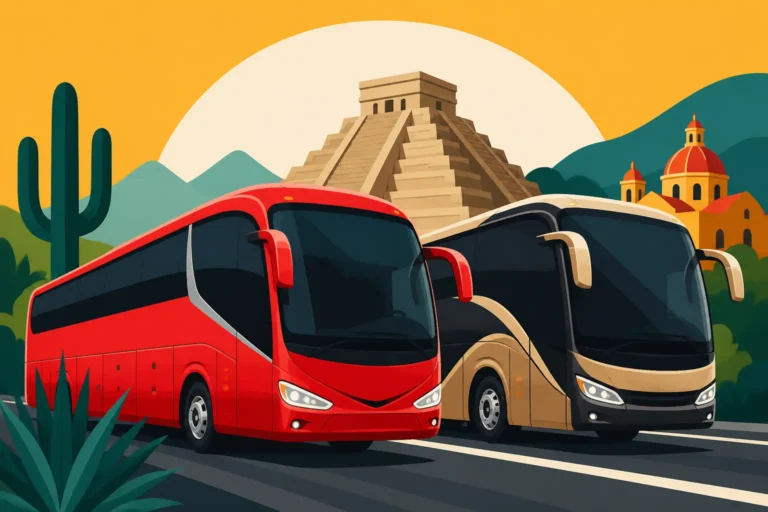
You could opt for public transportation, which is undeniably the most budget-friendly route. Head to the Autobuses del Norte station in Mexico City – it’s easily accessible via the Yellow Line (Linea 5) of the Metro. Once there, look for the "Pirámides" booth, usually at Gate 8. Buses run frequently, often every 15-20 minutes, from early morning until late afternoon. The journey itself takes about an hour, depending on traffic, and drops you right at one of the site's entrances. It’s a bit rough and tumble, and you’ll likely hear vendors hawking snacks and music playing, giving you a real taste of local life. The biggest frustration for many newcomers can be the sheer volume of people and the lack of English signage, but it's totally manageable if you go with an open mind and a few key Spanish phrases.
Alternatively, if you prefer convenience and don't want to worry about navigating public transport, taking an organized tour is a fantastic option. Many companies, including reputable ones like Viator, offer half-day or full-day excursions that include round-trip transportation, often with hotel pickup, and a knowledgeable guide. The benefits here are clear: you learn so much more about the history, symbolism, and theories behind Teotihuacán from an expert, and you don't have to stress about getting lost. These tours often combine Teotihuacán with other stops, like a visit to a local obsidian workshop, a tasting of pulque (an ancient alcoholic beverage), or even a quick stop at the Basílica de Guadalupe, offering a multi-faceted cultural experience. The downside? Less flexibility and typically a higher price tag.
For those who crave ultimate independence, renting a car is another possibility, though one I generally advise with some caution, especially for first-timers in Mexico. Driving in and out of Mexico City can be chaotic, to say the least. While the highways to Teotihuacán are generally good, navigating city traffic, toll roads, and finding parking can be stressful. However, if you're an experienced driver in Mexico and plan to combine Teotihuacán with other lesser-known sites or want to spend an entire day at your own pace, it offers unparalleled freedom. Just be sure you understand Mexican car insurance requirements and have a reliable GPS. For general tips on navigating the roads, you might find our guide on Getting Around Mexico: Buses, Flights, and Car Hire helpful.
Exploring the Grandeur: Pyramids, Avenues, and Hidden Gems
Once you step onto the grounds of Teotihuacán, you'll immediately be struck by the sheer scale of the place. The central spine of the city is the "Calzada de los Muertos" or Avenue of the Dead, a wide, long thoroughfare that connects the major structures. Walking along it, you can almost feel the echoes of the ancient Teotihuacanos who once bustled through these very spaces.
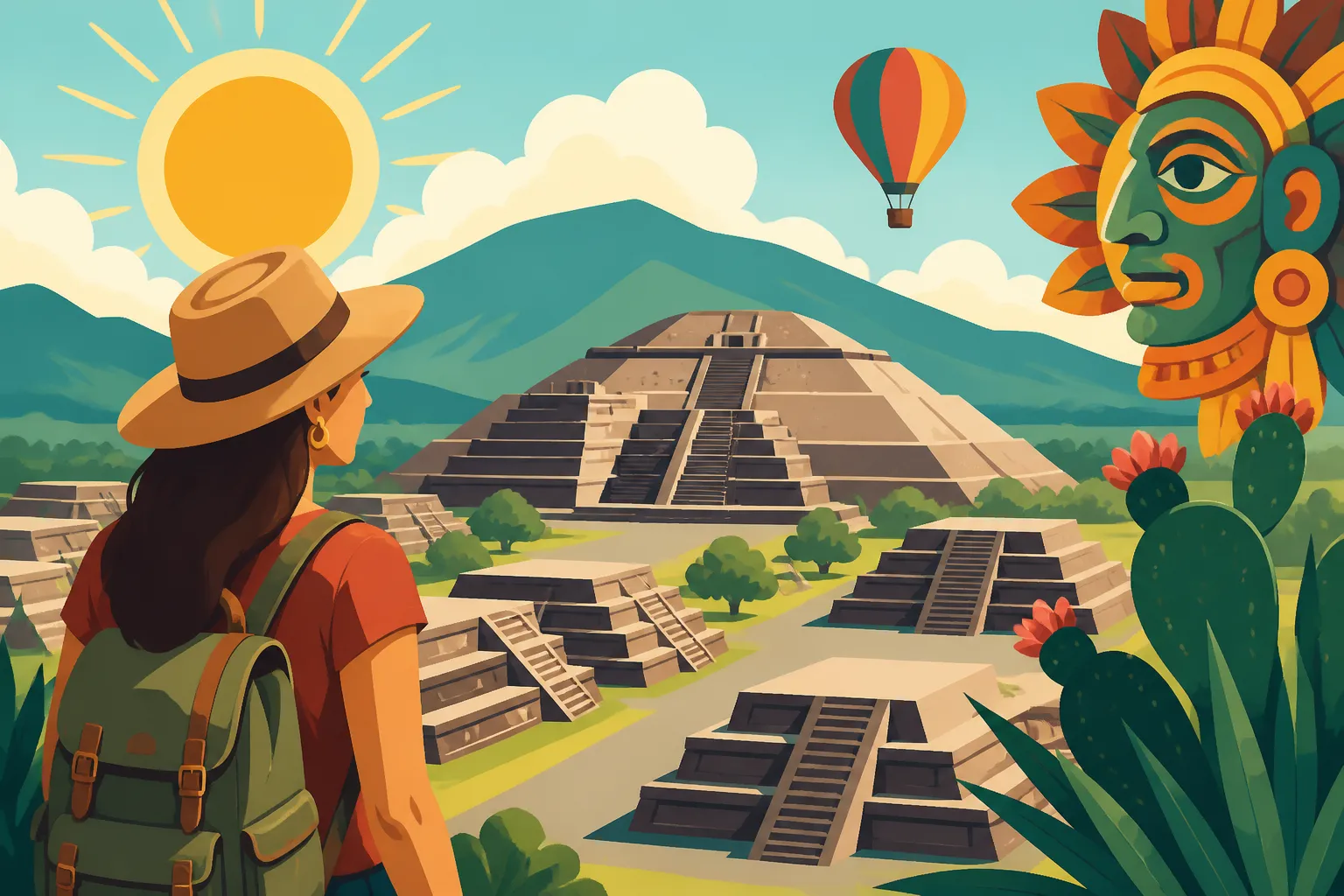
Dominating the landscape are the two colossal pyramids: the Pyramid of the Sun and the Pyramid of the Moon. The Pyramid of the Sun, the larger of the two, is one of the largest pyramids in the world, with a base rivaling that of the Great Pyramid of Giza. Climbing to the top (which is currently not allowed, but traditionally offered stunning panoramic views) was once believed to connect one with cosmic energy. Even from the base, its immense presence is palpable. You'll want sturdy shoes for all the walking, and definitely a hat and plenty of water, as the sun can be relentless on this open plain. The Pyramid of the Moon, at the northern end of the Avenue of the Dead, offers a slightly less strenuous climb (again, if allowed) and provides a breathtaking view of the Pyramid of the Sun and the entire avenue stretching out before it. This is a prime spot for photos, and imagining the ancient rituals performed here, with the mountains framing the scene, is truly awe-inspiring.
Beyond these two giants, don't miss the Ciudadela (Citadel) and the Temple of Quetzalcoatl, a feathered serpent deity, located at the southern end. This temple features impressive carved serpent heads and detailed iconography, offering a glimpse into the rich spiritual life of Teotihuacán. Many tour guides will point out the subtle details in the architecture and the murals that are still visible in some of the smaller palace structures, like the Palace of Quetzalpapálotl, which truly come alive with expert narration. Without a guide, it's easy to overlook these intricate details, so consider hiring one at the entrance if you go DIY, even if only for an hour or two. This can dramatically enhance your understanding of the site.
Practical Tips for a Fulfilling Visit
To truly enjoy your time at Teotihuacán, a little planning goes a long way. Aim to arrive early, ideally right when the site opens at 9:00 AM. This allows you to explore for a couple of hours before the midday sun gets too intense and before the largest crowds arrive, especially tour buses. You'll find the air cooler and the pathways less congested, making for a much more peaceful experience.
Remember that Teotihuacán is vast, covering some 83 square kilometers, although only a fraction is open to the public. You'll be doing a lot of walking, often on uneven surfaces. I can't stress this enough: wear comfortable, closed-toe shoes. Sandals or flip-flops are a recipe for sore feet and stubbed toes. Also, bring a backpack with essentials: a reusable water bottle (refill stations might be scarce), snacks, sunscreen, a wide-brimmed hat, and sunglasses. The site offers minimal shade, and dehydration is a real risk, especially during the hotter months.
There are restrooms and small shops selling drinks and snacks near the entrances, but prices can be inflated. For a more authentic and affordable meal, you'll find a few local restaurants (fondas) just outside the main gates. Some of them, like La Gruta, are famous for their unique cave dining experience, offering traditional Mexican cuisine. While you can typically find food vendors, being prepared with your own water and a few energy bars can save you time and money.
For a truly unforgettable experience, consider a hot air balloon ride over Teotihuacán. These typically depart at dawn, offering a magical aerial perspective of the pyramids as the sun rises, casting long shadows over the ancient city. It’s a splurge, but many consider it worth every peso for the once-in-a-lifetime views. You can often book these through tour operators or directly with balloon companies, which often offer packages including breakfast and transport back to Mexico City.
Beyond Teotihuacán: Exploring Other Central Mexican Pyramid Sites
While Teotihuacán rightly holds the crown, Mexico is dotted with countless other impressive archaeological zones, many of which are easily accessible for a day trip from major cities. Each offers a distinct glimpse into the diverse pre-Hispanic cultures that once thrived here.
Cholula Pyramid, Puebla: The World's Largest (by Volume)
Just a couple of hours southeast of Mexico City lies Puebla, a beautiful colonial city, and its neighboring town of Cholula, home to one of the most intriguing archaeological sites in Mexico: the Great Pyramid of Cholula. This isn't your typical pyramid; it's the largest pyramid in the world by volume, a colossal structure that looks more like a natural hill topped by a bright yellow church, the Iglesia de Nuestra Señora de los Remedios.
The pyramid's unique appearance is due to the fact that it was built in successive layers over centuries by different pre-Hispanic groups, eventually being overgrown by vegetation and mistaken for a hill by the Spanish conquistadors, who then built their church on top of it. Beneath the church and the "hill" lies a vast network of tunnels (about 8 kilometers, or 5 miles, of them!) that you can explore. Walking through these cool, dark passages is an experience unlike any other archaeological site, offering a subterranean view of the pyramid's immense construction phases.
Getting to Cholula is straightforward. You can take a direct bus from Mexico City's TAPO bus station to Puebla, which is a comfortable two-hour journey. From Puebla, frequent local buses or taxis will take you the short distance to Cholula. The trip makes for an excellent combination day trip: you can explore the pyramid and its tunnels, wander through the charming streets of Cholula, and then head to Puebla city center to admire its stunning Talavera pottery, colonial architecture, and delicious culinary scene. Many tour operators, like those found on Booking.com, offer packages that combine Puebla and Cholula into a single day trip, highlighting the distinct historical and cultural flavors of the region.
Tula, Hidalgo: The Enigmatic Atlantes Warriors
Travel north of Mexico City, and you'll find Tula de Allende in Hidalgo state, home to the archaeological site of Tula. This was the capital of the Toltec Empire, a powerful Mesoamerican culture that flourished between the 10th and 12th centuries AD, before the rise of the Aztecs. Tula is most famous for its impressive "Atlantes," massive stone warrior statues standing atop the Pyramid of Quetzalcoatl.
These four-meter-tall basalt figures, depicting Toltec warriors, once supported the roof of a temple atop the pyramid. Today, they stand majestically against the sky, stoic guardians of a bygone era. The site also features a large central plaza, two ballcourts, and other pyramid structures, offering a fascinating insight into Toltec cosmology and military prowess. While not as grand in scale as Teotihuacán, Tula offers a more intimate and distinct archaeological experience, especially for those interested in the Toltec influence on later Mesoamerican civilizations.
Reaching Tula typically involves taking a bus from Mexico City's Central del Norte station to Tula de Allende. The journey takes about 1.5 to 2 hours. From the Tula bus station, you can take a short taxi ride to the archaeological zone. It's a relatively easy day trip and can be less crowded than Teotihuacán, allowing for a more contemplative exploration of the site. It's a great option if you've already visited the more famous sites and are looking for something a bit different.
Malinalco: A Unique Rock-Carved Ceremonial Center
For a truly unique and spiritual experience, consider a day trip to Malinalco, a Pueblo Mágico (Magic Town) nestled in the State of Mexico, about 2-3 hours southwest of Mexico City. What sets Malinalco's archaeological zone apart is its primary structure: the Cuauhtinchan archaeological site, which includes the House of Eagles and Jaguars, is carved directly into the bedrock of a mountain.
This isn't a constructed pyramid in the traditional sense, but rather a ceremonial center meticulously carved from a single, living rock by the Aztecs. It was a place of immense spiritual significance, primarily used for the initiation rituals of elite Aztec warriors, the Eagle and Jaguar Knights. Inside the main temple, you'll find circular benches and altars, all carved from the mountain, adorned with intricate sculptures of eagles, jaguars, and a serpent's mouth serving as the entrance.
The climb up to the site can be a bit steep, but the panoramic views of the valley below and the sheer ingenuity of the architecture make it incredibly rewarding. The town of Malinalco itself is charming, with cobblestone streets, vibrant markets, and a relaxed atmosphere perfect for a post-exploration meal. You can get to Malinalco by taking a bus from Mexico City's Poniente (Observatorio) bus station to Toluca, and then a connecting bus to Malinalco, or a direct bus from the Terminal de Autobuses del Sur (Taxqueña) to Malinalco via a more local line. For those intrigued by the idea of exploring charming towns with rich history, our guide on Pueblos Mágicos: Mexico's Magic Towns Explained might inspire your next adventure.
Planning Your Pyramid Adventure: Tours vs. DIY
The eternal question for many travelers exploring Mexico's ancient sites is whether to go with an organized tour or strike out on your own. Both approaches have their merits, and the "best" choice really boils down to your personal travel style, budget, and comfort level with navigating a foreign country.
The Allure of Organized Tours
For many, the biggest draw of an organized tour is the sheer convenience. You pay one price, and everything is taken care of: transportation, entrance fees, and often a knowledgeable guide who brings the ancient stones to life with stories, historical context, and cultural insights. This is particularly appealing for those who are new to Mexico, aren't comfortable with Spanish, or simply want a stress-free day. Reputable tour providers, and you can find many excellent options through platforms like Viator, offer a variety of experiences, from half-day excursions focusing solely on a specific site to full-day trips that combine multiple attractions.
Tours eliminate the headache of navigating public transport, dealing with potential language barriers when buying tickets or asking for directions, and worrying about safety. A good guide can provide invaluable context that you'd likely miss if exploring on your own, helping you understand the complex history, religious beliefs, and daily lives of the people who built these monumental structures. For example, at Teotihuacán, a guide can explain the alignment of the pyramids, the significance of the murals, and the theories about who the Teotihuacanos actually were, transforming a pile of stones into a vibrant ancient city in your mind. Many tours also include stops at artisan workshops or local eateries, adding an extra layer of cultural immersion that you might not discover independently.
The Freedom of Self-Guided Trips
On the flip side, embarking on a self-guided adventure offers unparalleled freedom and flexibility. You set your own pace, decide how long you want to linger at a particular spot, and choose where and when to eat. This approach is often significantly more budget-friendly, as you save on tour operator markups by using public transportation and buying your own entrance tickets. If you enjoy the challenge of navigating a new environment and soaking up local color, a DIY trip can be incredibly rewarding.
For instance, taking a local bus to Teotihuacán allows you to experience a slice of everyday Mexican life, from the vendors on the bus to the bustle of the bus terminal. Platforms like Busbud can be incredibly useful for planning these intercity bus trips, allowing you to check schedules, compare prices, and even purchase tickets in advance for routes to places like Puebla or Tula, saving you time at the station. While you might miss out on a guided historical overview, you can always supplement your visit with a good guidebook, audio tours, or by hiring a local guide at the site's entrance for a portion of your visit. This hybrid approach gives you both independence and expert insight without committing to a full-day tour.
Hybrid Approaches: Best of Both Worlds
Sometimes, the sweet spot lies in combining elements of both. You could, for example, take public transport to a site like Teotihuacán to save money and enjoy the local experience, but then hire an official guide at the entrance for a two-hour private tour. This gives you the detailed historical context without being tied to a larger group's schedule for the entire day.
Another strategy, especially for places a bit off the beaten path like Malinalco, might involve taking an intercity bus for the main leg of the journey and then hiring a local taxi for the last mile to the archaeological site itself. This offers a balance of cost-effectiveness and localized convenience. Consider your comfort level with Spanish, as this will heavily influence how easy it is to communicate with local taxi drivers or bus personnel. For tips on overcoming language barriers, our guide on Learning Spanish in Mexico: Top Tips and Resources for Expats can be a great starting point.
Essential Preparation for Your Day Trip
No matter which pyramid site you choose to explore or how you decide to get there, a bit of preparation can make all the difference between a good trip and a truly great one. Mexico's archaeological zones are typically sprawling outdoor sites, and being ready for the elements and practicalities is key.
What to Pack and Wear: Be Prepared for the Elements
I cannot emphasize this enough: comfort is king when visiting these sites. You'll be doing a lot of walking, often on uneven terrain, up and down steps (or slopes), and usually under a strong sun.
- Footwear: Sturdy, comfortable closed-toe walking shoes or sneakers are absolutely essential. Leave the sandals or fashion shoes at home; you'll regret it within the first hour.
- Clothing: Dress in light, breathable layers. Long sleeves and pants can offer sun protection if you prefer, but shorts and t-shirts are also fine. Just remember to protect your skin.
- Sun Protection: Mexico's sun is no joke, even on cloudy days. A wide-brimmed hat (not just a baseball cap), high-SPF sunscreen, and sunglasses are non-negotiable. Many sites offer very little shade.
- Hydration: Bring a reusable water bottle and fill it up before you go. While some sites have vendors, buying multiple bottles of water can get expensive, and it's always better to be proactive about staying hydrated. Consider bringing electrolyte tablets or powders if you're prone to dehydration.
- Snacks: A few energy bars, nuts, or fruit can be a lifesaver when you're feeling peckish between meals, especially since food options at the sites themselves can be limited or overpriced.
- Small Backpack: A lightweight backpack to carry all these essentials will free up your hands for photos and navigating.
- Rain Gear (Seasonal): If you're visiting during the rainy season (roughly May to October), a light rain jacket or a compact umbrella can be a lifesaver for those sudden afternoon downpours.
Understanding the Costs: Budgeting for Your Ancient Adventure
While general costs in Mexico can be quite reasonable, budgeting for day trips to archaeological sites involves a few components:
- Transportation: This will vary significantly depending on your chosen method. Public buses are the cheapest, ranging from about $60-100 MXN (around $3-5 USD) one way for Teotihuacán, for example. Organized tours will be substantially more, often starting from $50-70 USD per person and going up depending on inclusions and duration. Car rental will include the daily rental fee, gas, and potentially tolls.
- Entrance Fees: Most major archaeological sites in Mexico charge an entrance fee, which typically ranges from $80-95 MXN (around $4-5 USD) per person. These fees are usually paid in cash, though some larger sites might accept cards. It's always wise to have small denominations of pesos on hand.
- Guide Services: If you hire a private guide at the site, negotiate the price beforehand. A two-hour guided tour for a small group might cost anywhere from $500-1000 MXN (around $25-50 USD), depending on the guide's experience and your bargaining skills.
- Food and Drink: Budget for meals and snacks. While you can often find local eateries outside the main gates for a more authentic and affordable experience, having some cash for snacks and drinks inside the site is practical.
- Souvenirs: Mexico's archaeological sites often have local artisans selling crafts. If you plan to buy something, factor that into your budget. For tips on managing your money, our guide on Cash vs Card in Mexico: What Visitors Should Know can provide useful insights.
Safety and Health Considerations: Staying Smart and Healthy
Visiting archaeological sites in Mexico is generally very safe, but it pays to be aware of a few things, just like any travel.
- Heat and Dehydration: As mentioned, the sun can be intense. Pace yourself, drink plenty of water, and seek shade when possible. If you start feeling dizzy or lightheaded, find a cool spot immediately and rehydrate.
- Petty Theft: While rare at the sites themselves, exercise caution in crowded areas like bus stations or busy markets. Keep an eye on your belongings, especially your phone and wallet. It's generally a good idea to only carry what you absolutely need for the day. For more general advice, check out our guide on Staying Safe in Mexico: Practical Tips for Travelers.
- Food and Water Safety: Stick to bottled water. When eating outside the site, especially from street vendors, use your judgment. Look for busy stalls with high turnover, where food is cooked fresh in front of you. Our guide on Mexican Food Culture: Eating and Drinking as a Visitor has more detailed tips.
- Medical Emergencies: While most issues are minor, know that medical facilities might not be immediately available at the sites. For serious emergencies, dial 911 (Mexico's emergency number). Consider having travel insurance that covers medical emergencies, especially if you're engaging in activities like hot air ballooning. Our guide on Travel Insurance for Trips to Mexico can help you decide on the right coverage.
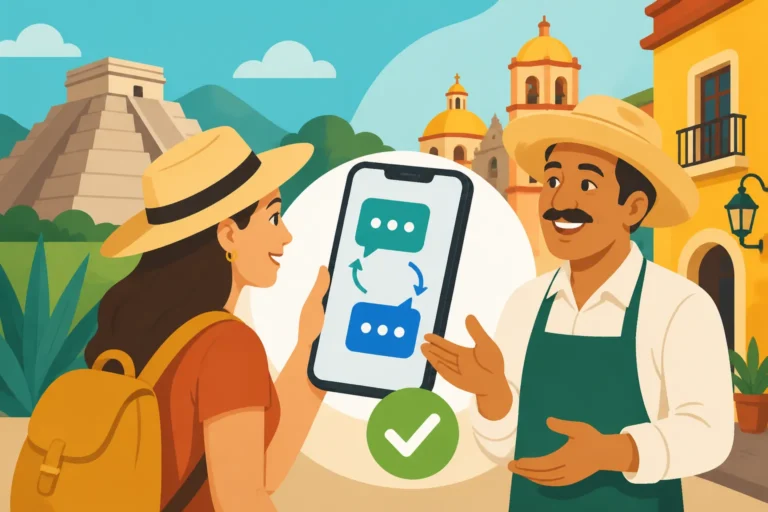
- Language Barrier: While many tour guides at major sites speak English, local vendors or bus drivers might not. Having a few basic Spanish phrases (hello, thank you, how much, where is) can go a long way. Even better, download an offline translation app to your phone.
Here's a quick comparison table for some of the central Mexican pyramid sites:
| Site Name | Location | Main Attraction | Approx. Travel Time from CDMX | Entrance Fee (approx. 2026 MXN) |
|---|---|---|---|---|
| Teotihuacán | State of Mexico | Pyramids of the Sun and Moon, Avenue of the Dead | 1 hour | $90-$100 |
| Cholula | Puebla | Largest pyramid by volume, tunnels, church on top | 2 hours | $80-$90 |
| Tula | Hidalgo | Atlantes warrior statues, Toltec history | 1.5 – 2 hours | $80-$90 |
| Malinalco | State of Mexico | Rock-carved ceremonial center, House of Eagles & Jaguars | 2.5 – 3 hours | $75-$85 |
Mexico's pyramids are more than just ancient ruins; they are windows into fascinating civilizations that shaped the land and its people. Whether you choose the well-trodden path to Teotihuacán or venture out to a lesser-known gem like Malinalco, each site offers a profound connection to the past. Enjoy your journey back in time!
Disclaimer
Please note that travel conditions, entrance fees, transportation costs, and regulations in Mexico can change. While I strive to provide the most current and accurate information based on available data, it is always recommended to check the latest official sources and local advisories before planning your trip. Personal experiences may vary.