Do You Need Travel Insurance to Visit Mexico?
Navigating travel plans to Mexico often brings up that nagging question: "Do I really need travel insurance?" It's easy to dismiss it as an extra expense, especially when you're caught up in the excitement of planning your adventure. But trust me, as someone who’s lived here for years and seen it all, relying on luck when you're far from home can turn a dream vacation into a financial nightmare. This guide will walk you through the essential reasons why travel insurance isn't just a suggestion for Mexico, but a vital safety net.
Disclosure: This post may contain affiliate links. We may earn a commission at no extra cost to you if you make a purchase through these links. Read full disclosure.
Understanding the Realities of Healthcare and Travel in Mexico
When you’re dreaming of pristine beaches or vibrant cityscapes, it’s hard to imagine things going wrong. But Mexico, like any other country, has its quirks and unexpected challenges, especially when it comes to health and travel logistics. Understanding these realities is the first step to truly appreciating why travel insurance is a non-negotiable for most visitors.
Unexpected Medical Costs in a Foreign Land
One of the biggest misconceptions travelers have is assuming their home country's health insurance will cover them abroad. For most, this simply isn't the case, or the coverage is severely limited. In Mexico, if you fall ill or have an accident, you're looking at out-of-pocket expenses, and these can escalate quickly.
Let's say you're enjoying the street food in Oaxaca and, despite your best efforts, you get a nasty case of Montezuma's Revenge – traveler's diarrhea. What starts as a simple stomach upset can sometimes lead to severe dehydration, requiring an IV drip, medication, and a doctor's visit. A consultation at a private clinic, while often more affordable than in the US or Canada, can still run you anywhere from $50 to $100 USD. If you need tests, an IV, or multiple medications, that bill quickly climbs into the hundreds.
Now imagine something more serious. A misstep on a cobblestone street in San Miguel de Allende leads to a broken ankle. You're rushed to a private hospital. Diagnostics, X-rays, a cast, and follow-up appointments could easily set you back thousands of dollars. And if it's really severe, requiring surgery or an extended hospital stay, you're talking tens of thousands. Remember, while Mexico has a Public Healthcare in Mexico: IMSS and IMSS Bienestar Explained for Expats, as a tourist, you'll almost exclusively use the private system, which operates on a pay-as-you-go basis for those without local insurance. We've seen many tourists face this exact dilemma, desperately trying to figure out "what if you get sick in Mexico without insurance? Options and costs." It's not a fun position to be in.
Beyond Medical: Travel Mishaps and Disruptions
Medical emergencies are certainly the most frightening aspect, but they're far from the only way a trip can go sideways. Travel insurance, unlike basic health insurance, is designed to cover a broader spectrum of potential disruptions that can throw a wrench into your carefully laid plans.
Consider your luggage. After a long flight, you arrive at Cancún International Airport, only to find your suitcase didn't make the connection. It's frustrating, but if your bags are permanently lost or severely delayed, travel insurance can provide funds for essential items like toiletries and a change of clothes. This temporary relief can save you from scrambling to buy everything new while waiting for your airline to (hopefully) locate your belongings.
Then there are the flight woes. Mexico's weather can be unpredictable, especially during hurricane season in coastal regions. A tropical storm hitting the Yucatán Peninsula could cause widespread flight cancellations. If your flight is delayed for an extended period, or even worse, cancelled entirely, you might be stuck paying for extra hotel nights and meals. Travel insurance often kicks in for these situations, covering reasonable expenses incurred due to significant travel delays or interruptions. If you've booked your accommodations or activities through platforms like Booking.com or Viator, they might offer some recourse, but a comprehensive travel insurance policy will give you much broader protection.
Let's not forget theft. While Mexico is generally safe for tourists, petty crime can happen, especially in busy markets or public transportation. Losing your passport, wallet, or camera can be devastating. Travel insurance often includes coverage for lost or stolen personal belongings, and some policies even help with the costs associated with replacing a passport while abroad. These non-medical emergencies, while less life-threatening, can still incur significant financial loss and immense stress.
What Travel Insurance Actually Covers and What It Doesn't
Understanding the nuances of a travel insurance policy is crucial. It’s not a one-size-fits-all product, and what one policy covers, another might exclude. Taking the time to delve into the details can save you a lot of heartache (and money) later on.
Key Coverage Areas You Should Look For
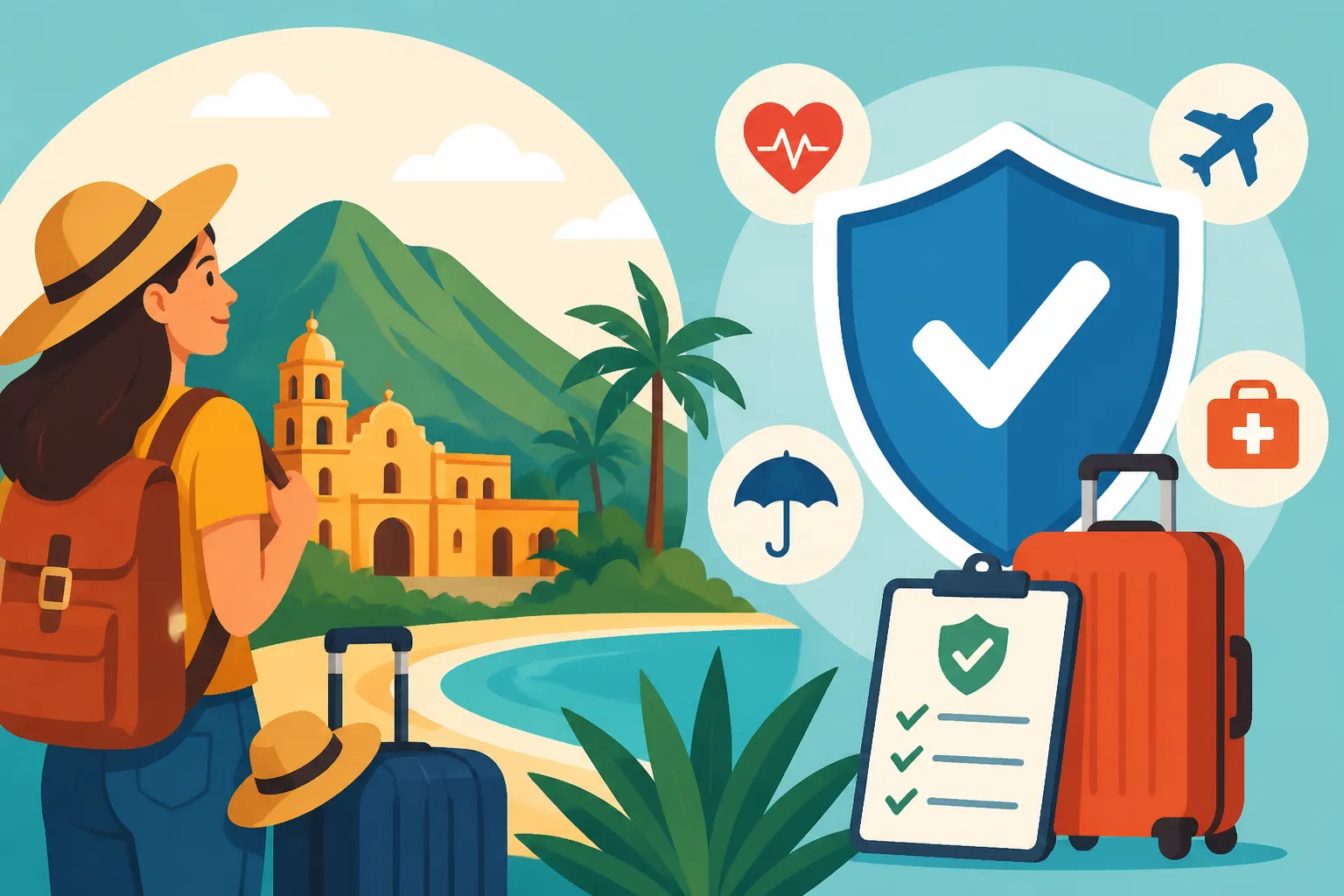
When you're shopping for travel insurance, these are the heavy hitters, the types of coverage that truly provide peace of mind:
- Emergency Medical & Dental: This is paramount. It covers unexpected illnesses or injuries that happen during your trip, including doctor's visits, hospital stays, prescription medications, and sometimes even emergency dental work. Imagine you break a tooth on a piece of duro (a fried pork rind snack) – emergency dental can be a lifesaver. This is distinct from your regular health insurance, which might not cover you internationally, or will only do so with hefty deductibles and paperwork. You really want to ensure you're covered for potential Healthcare Costs in Mexico: Doctor Visits, Hospital Stays, and Surgery Expenses.
- Emergency Medical Evacuation: This is arguably the most important coverage, especially if you plan to venture off the beaten path. If you have a serious medical emergency in a remote area, or if the local medical facilities aren't equipped to handle your condition, this coverage pays for your transport to the nearest appropriate medical facility, or even back to your home country. Imagine falling ill in a small pueblo in Chiapas; getting you to a major city like Mexico City or Guadalajara for specialized care can cost tens of thousands of dollars out-of-pocket, sometimes over $100,000 USD for an air ambulance. This coverage ensures you get the care you need without bankrupting your family. Many expats in Mexico still opt for Medical Evacuation Insurance: Do Expats in Mexico Need Airlift Coverage? even with local insurance.
- Trip Cancellation/Interruption: Life happens. What if a family emergency, a sudden illness (yours or a close relative's), or even a severe weather event forces you to cancel your trip before you leave, or cut it short once you're there? This coverage can reimburse non-refundable expenses like flights, prepaid tours, and hotel bookings. If you've spent a good chunk of change on a dream trip that's suddenly impossible, this is a huge relief.
- Baggage Loss/Delay: As mentioned earlier, this covers the cost of replacing lost or stolen luggage and its contents, or provides an allowance for essentials if your bags are delayed for several hours or more. It’s a small but mighty comfort when you’re standing at the carousel, and your bag is nowhere in sight.
- Travel Delay: Beyond just baggage, if your flight or other transport is significantly delayed due to unforeseen circumstances (weather, mechanical issues), this can cover costs for unexpected overnight stays, meals, or alternative transportation.
- Accidental Death & Dismemberment: While grim to think about, this provides a payout to your beneficiaries if you die or suffer a significant injury (like loss of a limb) as a result of an accident during your trip.
Important Exclusions and Fine Print to Watch Out For
Just as important as knowing what's covered is understanding what isn't. Every policy has exclusions, and overlooking them can lead to nasty surprises.
- Pre-existing Conditions: This is a big one. Many standard policies exclude coverage for medical conditions you had before purchasing the insurance. If you have a chronic illness, you'll likely need to purchase a specific rider or a specialized policy that covers pre-existing conditions. Always declare them and ensure you have the right coverage. For those considering long-term stays, you might wonder Does IMSS Cover Pre-Existing Conditions in Mexico?. For travel insurance, it's usually a separate add-on.
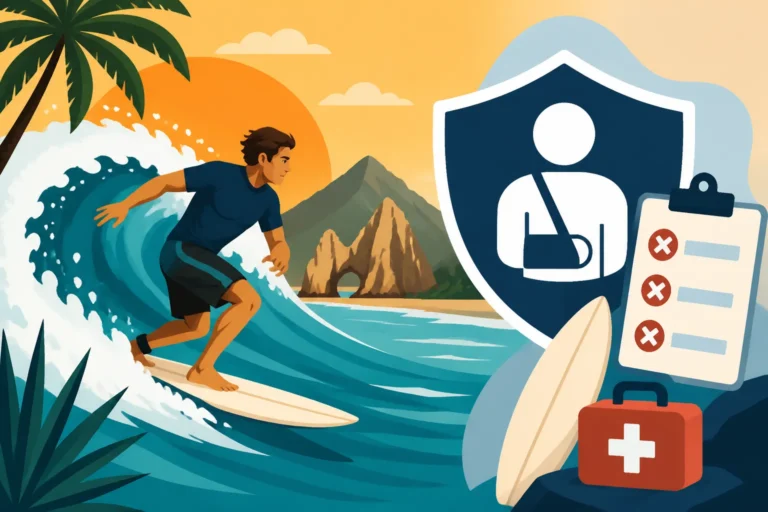
- Adventure Sports: Planning to scuba dive in Cozumel, surf in Sayulita, or climb a volcano? Many standard policies exclude "hazardous" activities. If you're an adrenaline junkie, you'll need to purchase an adventure sports rider. Make sure to list all your planned activities to ensure they're covered.
- Alcohol or Drug-Related Incidents: If your injury or illness is a direct result of excessive alcohol consumption or illegal drug use, your policy will almost certainly deny your claim. This is pretty standard across the board.
- Self-Inflicted Injuries: Suicide attempts or intentionally self-inflicted harm are not covered.
- "Act of God" Clauses: While many policies cover natural disasters, always check the specific wording. Some might have limitations or require you to purchase specific hurricane or earthquake coverage, especially if you're traveling during known seasons for such events. For example, knowing how to prepare for Hurricane Season Prep: Tips for Expats Living on the Coast is crucial, but insurance provides the financial safety net.
- Elective Procedures: Travel insurance is for unexpected medical emergencies. It won't cover a scheduled cosmetic surgery or a routine check-up, even if you plan to get one done in Mexico because of the cost savings. For those looking into Cosmetic and Elective Surgery in Mexico for Foreigners, you'll need to arrange specific medical tourism insurance, not general travel insurance.
- War, Civil Unrest, or Terrorism: Travel insurance typically doesn't cover incidents arising from war, acts of terrorism, or civil uprisings. Always check travel advisories before you go.
Always, always, always read the policy document in its entirety. It might be tedious, but it's your best defense against unexpected bills.
Navigating Your Options: Choosing the Right Policy
With so many providers and policy types out there, picking the right travel insurance can feel like a daunting task. However, by understanding the different categories and knowing what to look for, you can make an informed decision that suits your travel style and budget.
Different Types of Travel Insurance
Not all travel insurance is created equal. The type you need largely depends on how often you travel and the nature of your trips.
- Single Trip vs. Annual Multi-Trip: If you only take one or two trips a year, a single-trip policy is usually the most cost-effective. It covers you for a specific duration, from your departure date to your return. However, if you're a frequent flyer or plan to be popping in and out of Mexico throughout the year, an annual multi-trip policy can be a fantastic value. It covers all your trips within a 12-month period, often with a maximum duration per trip (e.g., 30 or 60 days). This is great for digital nomads or those with Temporary Resident Visa: Comprehensive Guide for Expats (2026 Update) who travel back home periodically.
- Comprehensive vs. Basic/Medical Only: A comprehensive policy offers the widest range of coverage, including medical emergencies, trip cancellation/interruption, baggage, travel delays, and often a host of other benefits. This is typically what most people envision when they think of travel insurance. A basic or "medical-only" policy, as the name suggests, focuses primarily on emergency medical and sometimes evacuation. It's usually cheaper but leaves you exposed to other financial risks like lost luggage or cancelled flights. Consider your risk tolerance and budget when choosing.
- Credit Card Benefits: Many premium credit cards offer some form of travel insurance as a perk. This can sound great, but be extremely cautious. These benefits are often supplementary and come with significant limitations. The coverage limits for medical emergencies might be low, and they often don't include critical components like emergency medical evacuation. They might cover trip interruption or car rental insurance, but they rarely provide the robust medical protection you need when traveling internationally. Always read your credit card's guide to benefits thoroughly and understand its limitations before relying solely on it. It’s usually best viewed as a complement to a dedicated policy, not a replacement.
Tips for Comparing and Purchasing Policies
Once you know what kind of policy you're after, it's time to compare. This is where the real work (and potential savings) comes in.
- Read the Fine Print! I can't stress this enough. The devil is in the details. Pay close attention to policy wording regarding exclusions, definitions (e.g., what constitutes a "delay" or an "emergency"), and the claims process. Don't assume anything.
- Check Deductibles and Coverage Limits: A deductible is the amount you have to pay out-of-pocket before your insurance kicks in. A higher deductible usually means a lower premium. Coverage limits are the maximum amount the insurance company will pay for a specific benefit. Make sure these limits are high enough to cover potential worst-case scenarios, especially for medical and evacuation coverage. For example, does it cover up to $50,000 or $1,000,000 for medical expenses? The difference is critical.
- Look at Customer Service and Emergency Assistance Reputation: When things go wrong, you want an insurance company that's easy to reach and responsive. Research reviews regarding their claims processing and 24/7 emergency assistance. Do they have multilingual support? This can be invaluable when you're in a stressful situation in a foreign country and navigating Overcoming Language Barriers at the Doctor: Tips for Expats.
- Consider Comparison Sites: Websites that allow you to compare multiple insurance providers side-by-side can save you time and money. They help you quickly see different coverage levels, prices, and features. You can also directly visit reputable insurer websites. Brands like World Nomads and SafetyWing are popular among travelers and digital nomads, but there are many other great options.
- Purchase Early: It’s best to purchase travel insurance as soon as you book your trip. Why? Because many benefits, especially those related to trip cancellation, often kick in from the moment you buy the policy, not when your trip starts. If you wait until the last minute and something unforeseen happens before you depart, you might not be covered.
- Consider Brands Related to Your Booking: When you’re securing your flights or accommodations, often platforms like Booking.com or airline websites will offer a travel insurance add-on. While convenient, always scrutinize these to ensure they offer comprehensive coverage rather than just basic cancellation. Similarly, if you're booking tours or activities through sites like Viator, they might have specific insurance products or recommendations tailored to those activities. For bus travel within Mexico, if you're using a platform like Busbud, keep in mind that trip interruption or delay could be a factor to look for in your overall travel insurance plan.
Remember, travel insurance is about protecting your financial investment in your trip and, more importantly, your health and safety abroad. It’s not just an expense; it’s an investment in peace of mind.
Real-Life Scenarios: Why It Pays to Be Prepared
Sometimes, the best way to understand the value of travel insurance is through imagining those "what if" moments that every traveler hopes to avoid. These scenarios aren't just hypotheticals; they're situations that countless visitors to Mexico have faced.
The Unexpected Stomach Bug or Minor Injury
You’re exploring the beautiful markets of San Cristóbal de las Casas. You've been careful with what you eat, but one evening, after a delicious pozole from a new stall, you wake up in the middle of the night with severe stomach cramps, nausea, and persistent vomiting. This isn't just a mild upset; you’re rapidly dehydrating and feeling truly miserable.
Without insurance, your options are limited: either tough it out and risk worsening your condition, or head to a private clinic. A taxi ride, an urgent doctor's consultation, anti-nausea medication, antibiotics (if needed), and an IV drip to rehydrate you could easily cost $200-$400 USD. You might even need a follow-up visit. That’s money out of your vacation budget, and a significant stressor when you're feeling your worst.
With travel insurance, you'd call the 24/7 assistance line, explain your symptoms, and they could direct you to a reputable English-speaking doctor or clinic. They might even arrange for a doctor to call your hotel. You'd receive treatment, pay upfront, and then submit your receipts for reimbursement, turning a costly setback into a mere inconvenience. This minor medical event becomes much less financially painful and stressful when you have a plan. This is especially relevant if you're concerned about Traveler’s Diarrhea (Montezuma’s Revenge): Prevention and Treatment.
A Serious Accident or Evacuation Need
Let’s shift to a more serious scenario. You're enjoying a fantastic day exploring the ancient ruins of Palenque in Chiapas. While navigating a steep, uneven path, you slip and take a bad fall, landing awkwardly. You immediately know something is wrong – intense pain in your leg, and you can’t put weight on it. It’s likely a fracture.
Palenque is beautiful, but it’s not a major city with state-of-the-art medical facilities. You need immediate, specialized care that might not be available locally.
Without medical evacuation insurance, getting from Palenque to a major hospital in a city like Villahermosa or even farther to Mexico City for surgery and ongoing treatment could cost a fortune. An ambulance (which in rural Mexico might not be fully equipped), specialized transport, or even a medical flight could easily run into tens of thousands of dollars. Your family might have to scramble to wire money, adding immense financial strain to an already traumatic situation. Knowing Calling an Ambulance in Mexico: How Emergency Services Operate is one thing, but paying for it is another.
With travel insurance that includes emergency medical evacuation, you (or your travel companion) would contact the insurer's emergency line. They would assess the situation, arrange for your transport to the most appropriate medical facility, cover the costs of that transport, and ensure you receive the necessary care, potentially even flying you home if your condition warrants it. This coverage literally saves lives and prevents financial ruin in critical situations.
When Your Trip Gets Derailed
Imagine you’ve planned a relaxing week in Tulum during hurricane season. You've booked flights, a beautiful Airbnb on Booking.com, and several tours through Viator. A few days before your departure, a major hurricane shifts course and is projected to make a direct hit on the Riviera Maya. Airlines start issuing waivers, and the government advises against travel to the region.
Without trip cancellation insurance, you're looking at potentially losing thousands of dollars. Your non-refundable flight tickets, the Airbnb you paid for upfront, and any prepaid tours are all gone. You have to eat the costs, reschedule, and rebook everything, likely at higher prices, assuming you even want to risk traveling at all.
With trip cancellation coverage, you would submit claims for your non-refundable expenses. The insurance would reimburse you for the flight, the Airbnb, and those prepaid tours, minus any deductible. While it's disappointing to miss your trip, at least your financial investment is protected. And if you were already in Mexico and the hurricane forced an evacuation, trip interruption coverage would help cover the costs of unexpected hotel nights, changed flights, and getting you home safely, taking the sting out of a disrupted vacation. You'd want to be especially prepared if you're in a region like Cancún or Riviera Maya, which could see such weather events.
Here's a quick comparison of incidents with and without travel insurance:
| Incident Type | Without Travel Insurance | With Travel Insurance |
|---|---|---|
| Severe Food Poisoning | Pay out-of-pocket for doctor, meds, IV (hundreds of USD). | Reimbursement for medical costs, assistance locating doctors. |
| Broken Bone/Injury | Pay for ambulance, X-rays, hospital, surgery (thousands of USD). | Covers medical treatment, hospital stays, possibly evacuation. |
| Emergency Evacuation | Tens of thousands of USD for air ambulance, highly complex logistics. | Covers specialized medical transport to appropriate facility/home. |
| Lost Luggage | Pay for new clothes, toiletries; stress dealing with airline. | Reimbursement for essentials and lost items up to policy limits. |
| Major Flight Delay/Cancellation | Pay for extra hotel nights, meals, rebooking fees. | Reimbursement for unforeseen expenses due to covered delays. |
| Trip Cancellation (e.g., hurricane) | Lose non-refundable flight, hotel, tour deposits. | Reimbursement for non-refundable trip costs. |
| Passport/Wallet Stolen | Pay for replacements, endure significant stress, loss of funds. | Reimbursement for lost valuables, assistance with emergency docs. |
Disclaimer
The information provided in this guide is for general informational purposes only and does not constitute professional medical, financial, or legal advice. While we strive to provide accurate and up-to-date information, circumstances can change. Always consult with a qualified professional for advice tailored to your specific situation. We are not liable for any decisions made based on this information.