The Riviera Maya: Cancún, Playa del Carmen, and Tulum
Oh, the Riviera Maya! Just hearing those words probably conjures up images of turquoise waters, ancient ruins peeking through lush jungle, and perhaps a margarita in hand. For many, it's the ultimate dream destination, a slice of Caribbean paradise where the sun always shines. But for those of us who've lived here, who've navigated the administrative hurdles, the vibrant chaos, and the occasional agua caliente outage, we know it's so much more than a pretty picture. This isn't just a place to visit; it's a living, breathing region with distinct personalities in each of its major hubs: Cancún, Playa del Carmen, and Tulum. This guide is going to walk you through the nuances of each, helping you understand the real vibe, the practicalities, and what to expect whether you're planning a vacation, a long-term stay, or just dreaming of escape.
Disclosure: This post may contain affiliate links. We may earn a commission at no extra cost to you if you make a purchase through these links. Read full disclosure.
Welcome to the Riviera Maya: More Than Just Postcards
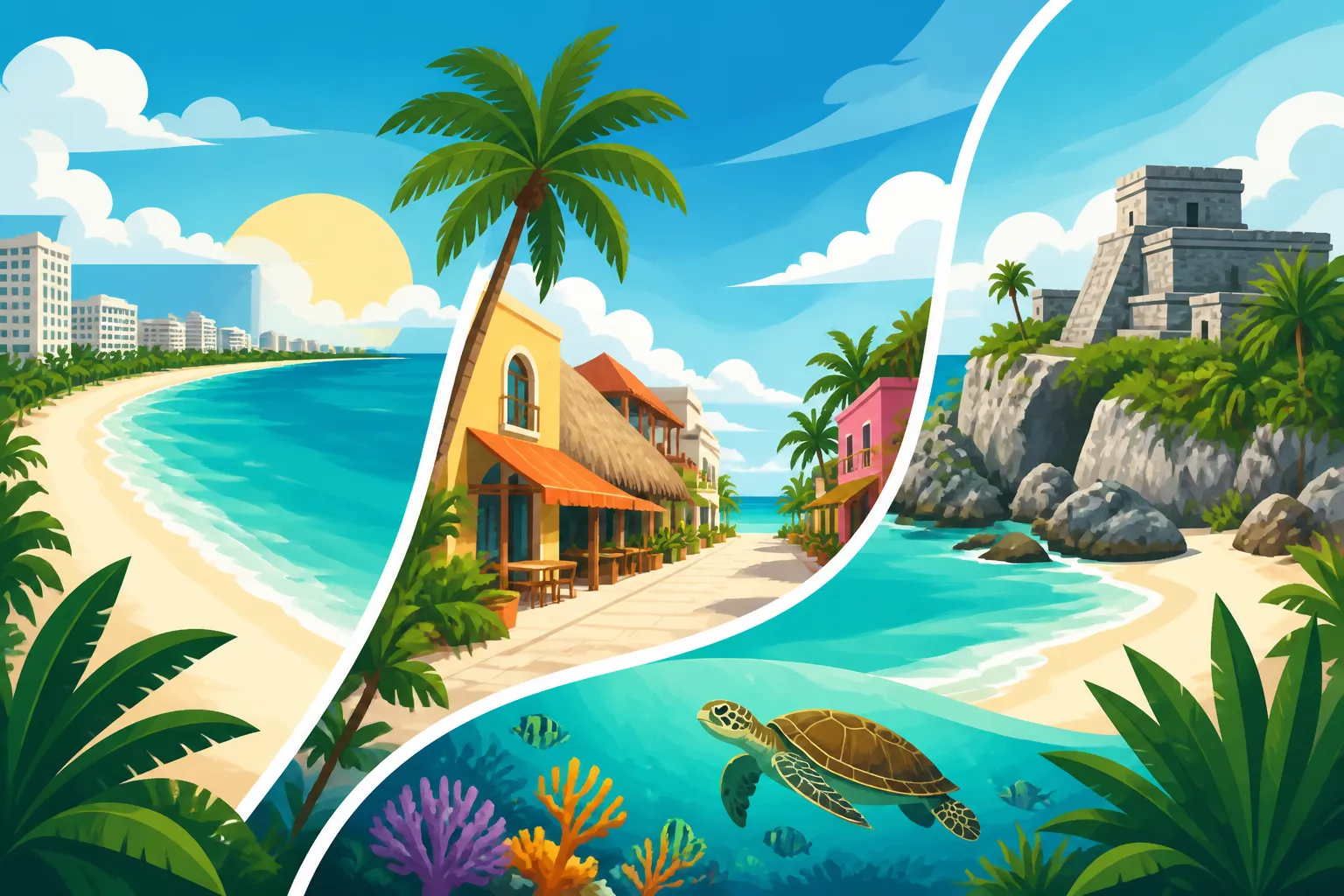
When you hear "Riviera Maya," what comes to mind? Is it Cancún's towering resorts, Playa del Carmen's bustling pedestrian street, or Tulum's bohemian chic beachfront? The truth is, it's all of that and a whole lot more. This stretch of Mexico's Caribbean coastline, located in the state of Quintana Roo, is a kaleidoscope of experiences, from world-class diving to ancient Maya history, vibrant nightlife to serene natural wonders. But each major town has its own pulse, its own unique charm, and its own set of challenges and delights for those who choose to immerse themselves.
Beyond the Beaches: What Makes the Riviera Maya Special
While the powdery white sand and impossibly blue waters are undoubtedly the star attractions, the Riviera Maya offers an incredible depth of experiences if you're willing to scratch beneath the surface. Beneath the jungle canopy, you'll find a vast network of cenotes, natural sinkholes filled with crystal-clear water, perfect for swimming, snorkeling, or diving. These geological wonders are sacred to the Maya and offer a refreshing escape from the Caribbean heat. Then there are the ancient ruins, silent witnesses to a sophisticated civilization. Chichén Itzá, Tulum, Cobá – each site tells a different story of the Maya people, offering a profound connection to Mexico's rich history. Beyond the natural and historical, there's a thriving culinary scene, from humble street tacos to high-end gastronomic experiences, and a vibrant arts and crafts culture that reflects the blend of indigenous and modern influences. It's a place where you can spend your morning exploring a 1,000-year-old pyramid, your afternoon swimming in an underground river, and your evening dancing to live music under the stars.
Why Expats and Travelers Flock Here
People flock to the Riviera Maya for a myriad of reasons, and it's not just the sunshine, though that certainly helps. For many, it's the allure of a lower cost of living combined with a high quality of life, especially compared to North America or Europe. You can find beautiful accommodations, delicious food, and a vibrant social scene often at a fraction of the price. The ease of access, with a major international airport in Cancún, also plays a huge role. For travelers, it's the sheer variety of activities and the warm, welcoming culture. You can lounge on a beach, embark on a deep-sea fishing adventure, learn to kitesurf, or explore a bustling market. For expats, it's often the sense of adventure, the opportunity to learn a new language and culture, and the chance to reinvent themselves in a stunning setting. The expat communities here are strong and supportive, making the transition much smoother than you might expect, even when bureaucracy throws its inevitable curveballs. Just be prepared for the heat and humidity, which for some, is a continuous adjustment.
Cancún: The Grand Dame of the Caribbean Coast
Cancún. Say the name, and most people immediately picture the Hotel Zone: a crescent-shaped strip of land dotted with magnificent resorts, infinity pools, and beachfront access that stretches for miles. And yes, that's a huge part of Cancún's identity, drawing millions of tourists seeking sun, sand, and all-inclusive luxury. But Cancún is also a sprawling city, home to over a million people, with a vibrant downtown that offers a completely different, more authentic Mexican experience. To truly "get" Cancún, you need to understand both sides of this dynamic metropolis.
Zona Hotelera vs. Downtown: Finding Your Vibe
The Zona Hotelera is exactly what it sounds like: a zone dedicated to hotels. Here, you'll find everything from budget-friendly hostels to ultra-luxury resorts, all designed to cater to international tourists. This is where you come for direct beach access, resort amenities, and a party atmosphere. Many resorts are all-inclusive, meaning your food, drinks, and entertainment are covered, simplifying your vacation immensely. You'll find international cuisine, English-speaking staff, and a general air of insulated comfort. This area is relatively safe and easy to navigate with taxis, buses, and ride-sharing apps.
Downtown Cancún, or El Centro, is where the real city life happens. Here, you'll find locals going about their daily lives, bustling markets like Mercado 28, authentic taquerías, and a more diverse range of shops and restaurants. It's grittier, more authentic, and often significantly cheaper than the Zona Hotelera. If you're looking for an immersive experience, want to practice your Spanish, or prefer to avoid the tourist crowds, downtown is your spot. You'll find a mix of smaller hotels, guesthouses, and apartments for rent. This area provides a great base for those interested in Mexican Markets and Food Halls for Visitors or trying What Are the Must-Try Foods in Mexico?. The atmosphere is lively, especially in areas like Parque Las Palapas, where families gather in the evenings for street food, live music, and artisan stalls.
Getting Around Cancún: Transport and Logistics
Navigating Cancún is relatively straightforward. The Cancún International Airport (CUN) is a major hub, with direct flights from many cities worldwide. Once you land, getting to your accommodation is easy. Shuttles, taxis, and private transfers are plentiful. If you're heading straight to Playa del Carmen or Tulum, the ADO bus service offers comfortable, affordable rides directly from the airport. You can check schedules and book tickets easily on sites like Busbud.
Within the Zona Hotelera, local buses run frequently and are a cheap way to get up and down the strip. Taxis are everywhere, but always confirm the price before you get in, as meters are rarely used for tourists. Ride-sharing apps like Uber are available, but their legality and acceptance by local taxi unions can be a bit of a gray area, so be aware of that dynamic.
In Downtown Cancún, walking is often the best way to explore specific neighborhoods. For longer distances, local buses are efficient and inexpensive, and taxis are readily available. If you're planning to explore further afield, perhaps venturing out to nearby ruins or other towns, renting a car is an option, but be sure to understand the nuances of Renting a Car in Mexico: Insurance and Driving Tips. Parking can be a challenge in busy areas.
Life in Cancún: Costs and Daily Realities
Living in Cancún, especially in the downtown area, can be surprisingly affordable, but it truly depends on your lifestyle. A major factor in budgeting here is understanding the Cost of Living in Cancún: 2026 Expat Budget Overview. Rent for a decent apartment downtown can be significantly less than in the Hotel Zone, and groceries from local markets or supermarkets like Chedraui or Soriana are budget-friendly. Eating out at local eateries is inexpensive and delicious.
However, the "daily realities" of living in Cancún mean adjusting to certain things. The climate is hot and humid year-round, which means higher electricity bills for air conditioning. During hurricane season (June to November), you'll need to be prepared for potential storms and disruptions. While the Zona Hotelera is generally very safe, like any large city, downtown Cancún requires common-sense precautions, especially at night. Learning some basic Spanish will greatly enhance your experience and help you navigate local interactions more smoothly. The constant influx of tourists also means certain services can be geared towards them, sometimes with "tourist pricing" for things like taxis.
Playa del Carmen: The Bohemian Heartbeat
Just an hour south of Cancún lies Playa del Carmen, often affectionately called "Playa." What was once a sleepy fishing village has blossomed into a bustling, cosmopolitan town, retaining a more bohemian and laid-back vibe than its northern neighbor, yet still offering a sophisticated array of dining, shopping, and entertainment. Playa is a magnet for younger expats, digital nomads, and travelers looking for a lively atmosphere that isn't quite as overwhelming as Cancún.
Fifth Avenue and Beyond: Exploring Playa's Charm
The heart of Playa del Carmen is undoubtedly Fifth Avenue (Quinta Avenida). This pedestrian-only street stretches for several miles parallel to the beach, overflowing with restaurants, bars, boutiques, souvenir shops, and street performers. It's a fantastic place for people-watching, grabbing a gelato, or enjoying a meal al fresco. While it can be very touristy, especially in the evenings, it's undeniably charismatic.
Step a few blocks away from Fifth Avenue, and you'll quickly discover the more authentic side of Playa. Residential neighborhoods, local eateries, and smaller shops give you a glimpse into daily life. The town itself is more compact and walkable than Cancún, making it easy to explore on foot or by bicycle. Beyond the main drag, you'll find beautiful public beaches, beach clubs offering everything from quiet relaxation to pulsing DJ sets, and a diverse culinary scene that rivals many major cities. The expat community here is diverse, creating a vibrant international atmosphere.
Connectivity and Convenience: Getting Around Playa
Playa del Carmen is incredibly walkable, especially the areas between the beach and 30th Avenue. Most residential areas and amenities are within easy reach. For longer distances, colectivos (shared vans) are a popular and extremely affordable way to travel within town or to nearby destinations like Tulum or Xpu-Ha. They run frequently along the main highway and are a true local experience.
Taxis are plentiful, and like Cancún, it's best to confirm the fare before starting your ride. Ride-sharing apps also operate here, though they face similar challenges with local taxi unions as in Cancún. If you plan to explore the broader Yucatán Peninsula, renting a car from reputable companies you can find on Booking.com or similar platforms might be a good option for flexibility. For intercity travel, the ADO bus terminal in Playa del Carmen is centrally located, making it easy to hop on a comfortable bus to Cancún, Tulum, or Mérida. If you're arriving from Cancún Airport, you'll want to read about How to Get From Cancún Airport to Playa del Carmen or Tulum to make your journey smooth.
Expat Life in Playa: Community and Pace
Playa del Carmen has become a mecca for expats, particularly those in their 20s, 30s, and 40s, or retirees seeking a lively, social environment. The pace of life here is decidedly more relaxed than a big city, yet there's always something happening. The expat community is well-established, with numerous Facebook groups, meetups, and social gatherings, making it relatively easy to make friends and integrate.
However, living in Playa also comes with its quirks. The cost of living, while still generally lower than in many Western countries, can be higher than in other parts of Mexico, especially for rentals close to Fifth Avenue. Referencing the Cost of Living in Playa del Carmen: Living Costs in 2026 can help manage expectations. The town's rapid growth has also brought increased traffic, noise, and development. You'll need to get comfortable with the humid climate and the occasional sargassum (seaweed) on the beaches, which local authorities work diligently to clear. Power outages, while less frequent than they once were, can still happen. Despite these minor inconveniences, the vibrant community, stunning natural beauty, and endless activities keep expats falling in love with Playa year after year.
Tulum: Where Jungle Meets Bohemia Chic
Tulum. The very name evokes images of ancient Maya ruins perched dramatically above turquoise waters, yoga retreats, chic eco-boutiques, and sustainable living. In recent years, Tulum has exploded in popularity, transforming from a tranquil backpacker haven into a global hotspot for wellness seekers, fashionistas, and those drawn to its unique blend of rustic charm and high-end bohemian luxury. It's truly a place with two distinct personalities: the laid-back Pueblo (town) and the exclusive Zona Hotelera (beach zone).
Beach Zone vs. Pueblo: Understanding Tulum's Dual Personality
Tulum's Beach Zone is where the magic happens for many. This narrow strip of road runs parallel to the stunning coastline, lined with eco-chic hotels, cabañas, upscale restaurants, boutique shops, and trendy beach clubs. It's famous for its rustic-luxe aesthetic, where palapa roofs, natural materials, and Instagrammable spots are the norm. Here, you'll find yoga studios, wellness centers, and a focus on organic, healthy living. The prices in the Beach Zone reflect its exclusivity and popularity, often rivaling those in major global cities. It’s important to know that electricity can be intermittent, and many establishments rely on generators, adding to the "eco-chic" vibe but sometimes to the cost.
The Pueblo de Tulum, or downtown area, is where most locals and budget-conscious expats live. It's a bustling Mexican town with a more down-to-earth feel. Here, you'll find affordable eateries, local shops, supermarkets, and a wider range of accommodations, from budget hostels to mid-range hotels and rental apartments. The Pueblo offers a more authentic Mexican experience, with street food vendors, local markets, and a lively, if sometimes dusty, atmosphere. It's where you'll get a better sense of daily life away from the curated aesthetics of the beach. The cost of living here is significantly lower, making it a viable option for longer stays.
Navigating Tulum: Practical Transport Tips
Getting around Tulum can be a bit more challenging than Cancún or Playa del Carmen, primarily due to the sprawling nature of the Beach Zone and the distance between the Pueblo and the beach.
In the Pueblo, walking is easy, and bicycles are the preferred mode of transport for many, offering a great way to explore the town and even reach some of the closer cenotes. Taxis are available but can be notoriously expensive, especially when traveling to and from the Beach Zone. It's essential to negotiate the fare beforehand.
To get to the Beach Zone from the Pueblo, bicycles are a popular option, though the ride can be long and hot, especially during the day. Taxis are the most convenient, but again, brace yourself for the prices. Many hotels and beach clubs offer shuttle services.
For day trips to the ruins of Tulum, Cobá, or nearby cenotes, renting a scooter or a car offers the most flexibility. However, parking can be limited in the Beach Zone, and the road can get very congested. Colectivos also run frequently along the highway, connecting Tulum Pueblo to Playa del Carmen and other points of interest. Don't forget, if you're flying into Cancún, understanding How to Get From Cancún Airport to Playa del Carmen or Tulum will save you a headache.
The Tulum Lifestyle: Instagram vs. Reality
Tulum's appeal is undeniable, but it's important to approach it with realistic expectations, especially if you're considering a long-term stay. The "Instagram vs. Reality" gap can be significant. On social media, you see pristine beaches and perfectly curated bohemian aesthetics. In reality, the Beach Zone, while beautiful, is also an unpaved road that can get muddy, dusty, and congested. Electricity and internet can be unreliable, especially in the more eco-conscious establishments. Sargassum seaweed can also be an issue on the beaches, particularly during certain months.
The growth of Tulum has also led to increased development, which means construction noise and higher prices. For expats, the Cost of Living in Mexico: 2026 Comprehensive Guide might give you a broader understanding, but be aware that Tulum is one of the pricier locations within the Riviera Maya. Despite these practical considerations, the allure of Tulum remains strong for those seeking a unique, spiritually-infused lifestyle amidst stunning natural beauty. The emphasis on wellness, healthy eating, and a connection to nature is a huge draw, and the social scene is vibrant, with many opportunities to connect with like-minded individuals.
Beyond the Main Hubs: Hidden Gems and Day Trips
While Cancún, Playa del Carmen, and Tulum offer endless attractions, the true magic of the Riviera Maya often lies just a short drive away. The Yucatán Peninsula is a treasure trove of natural wonders, ancient history, and charming small towns, making day trips an essential part of any visit or expat experience. This is where you can truly immerse yourself in the natural beauty and historical grandeur that define this region.
Exploring Cenotes: Mexico's Natural Swimming Holes
Cenotes are arguably one of Mexico's most unique natural features, and the Riviera Maya is home to thousands of them. These geological formations, often deep freshwater sinkholes, were sacred to the ancient Maya, believed to be gateways to the underworld. Today, they offer refreshing havens from the tropical heat. You'll find a huge variety: open-air cenotes perfect for swimming, semi-open cenotes with stunning light shafts, and cavern cenotes where you can explore underground rivers.
Some popular cenotes include Gran Cenote and Dos Ojos near Tulum, offering incredible snorkeling and diving opportunities. Cenote Azul near Playa del Carmen is a fantastic open-air option, great for families. For something more adventurous, consider a tour that combines several cenotes, perhaps even including zip-lining or rappelling. Many tours, like those you can find on Viator, specifically focus on Cenote Day Trips in the Yucatán. Remember to always shower before entering a cenote to protect its delicate ecosystem, and avoid sunscreen or bug spray that can contaminate the water.
Ancient Wonders: Maya Ruins and History
The Riviera Maya is steeped in Maya history, with several awe-inspiring archaeological sites within easy reach. The iconic Tulum Ruins, perched dramatically on a cliff overlooking the Caribbean Sea, are a must-see. While not the largest, their setting is absolutely breathtaking.
A more extensive and historically significant site is Chichén Itzá, a UNESCO World Heritage site and one of the New Seven Wonders of the World. This sprawling complex, dominated by the magnificent El Castillo pyramid, is a testament to the advanced architectural and astronomical knowledge of the Maya. It's a longer day trip, but absolutely worth it. If you want to avoid the crowds, check out tips on How to Visit Chichén Itzá Without the Crowds.
Another impressive site is Cobá, known for its ancient network of sacbés (white roads) and the tallest pyramid in the Yucatán, Nohoch Mul, which you can still climb for panoramic jungle views. Beyond these famous ones, there are countless lesser-known sites that offer a more intimate experience, such as Ek Balam with its incredibly well-preserved stucco carvings, or Muyil, deep in the Sian Ka'an Biosphere. Visiting these sites offers a profound connection to the ancient history that permeates The Yucatán Peninsula: Beaches, Ruins, and Cenotes.
Islands and Lagoons: Day Escapes for Every Taste
For those seeking a different kind of natural beauty, the Riviera Maya boasts stunning islands and serene lagoons perfect for a day trip. Isla Mujeres, a short ferry ride from Cancún, offers a charming, laid-back atmosphere, beautiful beaches like Playa Norte, fantastic snorkeling, and golf cart rentals to explore the island. It’s a complete escape from the bustle of Cancún.
South of Playa del Carmen, Cozumel is Mexico's largest Caribbean island, renowned as a world-class diving and snorkeling destination. Its vibrant coral reefs, crystal-clear waters, and abundant marine life draw enthusiasts from around the globe. Even if you're not a diver, you can enjoy its charming town of San Miguel, beautiful beaches, and unique ecological parks.
Further south, near the Belizean border, lies Laguna Bacalar, often called the "Lagoon of Seven Colors" due to its stunning variations of blue and green. This freshwater lagoon is a tranquil paradise, perfect for kayaking, paddleboarding, or simply relaxing by the water. It’s a bit of a journey but offers a truly serene and unforgettable experience away from the coastal crowds. These escapes offer a fantastic way to experience the diverse natural landscapes of the region.
Making the Most of Your Riviera Maya Experience
Whether you're visiting for a week or settling in for a lifetime, getting the most out of your Riviera Maya experience means being prepared, staying aware, and embracing the local culture. This region is truly enchanting, but like any place, it has its nuances that are best understood before you arrive.
Budgeting and Practicalities for a Smooth Trip
Money matters are always a big concern when traveling or relocating. While Mexico is generally more affordable than many Western countries, the Riviera Maya, being a prime tourist destination, can be pricier. Always carry some Mexican Pesos for smaller purchases, street food, and tips. While credit cards are widely accepted in larger establishments, many local vendors, taxis, and smaller restaurants prefer cash. When withdrawing money from ATMs, be mindful of fees and choose reputable bank ATMs. Many expats find tools like Wise (formerly TransferWise) invaluable for sending money internationally without exorbitant bank fees.
When it comes to staying connected, consider picking up a local SIM card from providers like Telcel, Movistar, or AT&T. This is often far more economical than international roaming. You can learn more about Internet and Mobile Phone Plans in Mexico: Staying Connected as an Expat. For accommodation, Booking.com is a popular choice for hotels and resorts, while Airbnb is excellent for apartment rentals, especially for longer stays. Remember that Tipping in Mexico (Propina): When and How Much is customary for various services, from restaurant staff to tour guides. Don't forget to budget for excursions; many fantastic tours, from ancient ruins to cenote adventures, can be booked through platforms like Viator.
Safety and Awareness: Enjoying Paradise Responsibly
Mexico, and the Riviera Maya specifically, often gets a bad rap in the news, but the reality for tourists and expats is generally very safe, especially if you exercise common sense. That said, it's always wise to be informed and prepared. I always recommend checking out resources like Safety in Mexico: What Expats Need to Know About Staying Safe to get a realistic picture.
Here are a few key tips:
- Be aware of your surroundings: Especially in crowded tourist areas or at night, keep an eye on your belongings.
- Limit flashy displays: Avoid wearing expensive jewelry or flashing large sums of cash.
- Use reputable transport: Stick to official taxis or ride-sharing apps (where widely accepted) and avoid unmarked vehicles.
- Stay hydrated and sun-protected: The Caribbean sun is no joke. Drink plenty of water and use high-SPF sunscreen.
- Food and Water Safety: Be mindful of what you eat and drink. Generally, bottled water is preferred, and be cautious with street food unless it looks fresh and has a high turnover. This is crucial for Staying Healthy in Mexico: Essential Tips for Food, Water, and Preventive Care.
- Learn basic Spanish: Even a few phrases can go a long way in navigating situations and showing respect for the local culture.
- Know emergency numbers: 911 is the emergency number in Mexico.
By staying informed and practicing basic travel safety, you'll be well on your way to enjoying all the incredible experiences the Riviera Maya has to offer. It's a stunning part of the world, full of beauty, history, and vibrant culture, and with a little preparation, it's yours to explore.
Disclaimer
The information provided in this guide is intended for general informational purposes only and does not constitute professional advice. While we strive to keep the content up-to-date and accurate, regulations, costs, and circumstances in Mexico can change rapidly. Always consult with relevant professionals (e.g., immigration lawyers, financial advisors, local authorities) for specific advice tailored to your situation. We are not responsible for any actions taken based on the information presented herein.