Moving to Mexico from Argentina: South-to-North Shipping Options
So, you’ve made the bold decision to trade the vibrant streets of Buenos Aires or the stunning Patagonian landscapes for the lively markets of Mexico City or the serene beaches of Quintana Roo. What an adventure! But let's be real, the thought of moving your entire life across two continents, from Argentina to Mexico, can feel like navigating a bureaucratic labyrinth while carrying a piano. The logistical hurdles of international shipping are significant, especially when you're crossing a hemisphere. This guide is here to untangle the complexities of shipping your belongings, offering you a clear path through the sea, air, and customs options, and helping you choose the best way to get your cherished possessions safely to your new Mexican home.
Disclosure: This post may contain affiliate links. We may earn a commission at no extra cost to you if you make a purchase through these links. Read full disclosure.
The Long Haul: Why Moving from Argentina to Mexico is a Unique Challenge
Moving country is always an ordeal, but when you're moving from a country like Argentina to Mexico, you're not just changing latitudes; you're embarking on a journey that presents a very specific set of logistical and emotional challenges. It’s not like hopping across a border in Europe or North America. This is a big one, and it’s okay to feel overwhelmed by the sheer scale of it all.
Bridging Continents: The Geographical and Logistical Hurdles
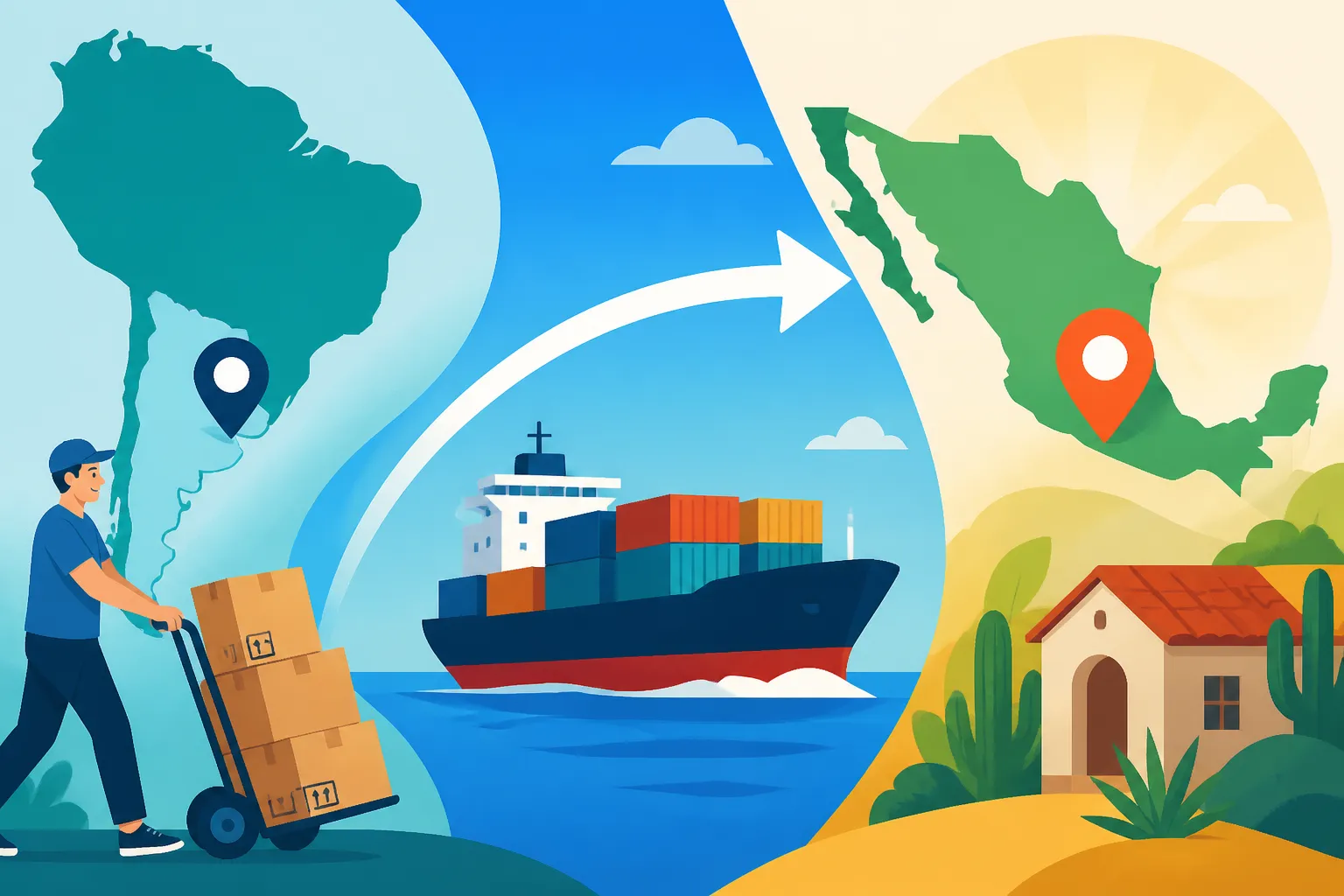
Let’s face it, Argentina is at the absolute bottom of the Americas, and Mexico is much closer to the top. This means a massive distance separates your old life from your new one. There's no direct land route for household goods, which immediately limits your primary shipping options to either sea or air. This geographical reality dictates longer transit times and higher costs compared to more local moves. You’re not just packing a few boxes; you're orchestrating a trans-continental ballet of your entire household.
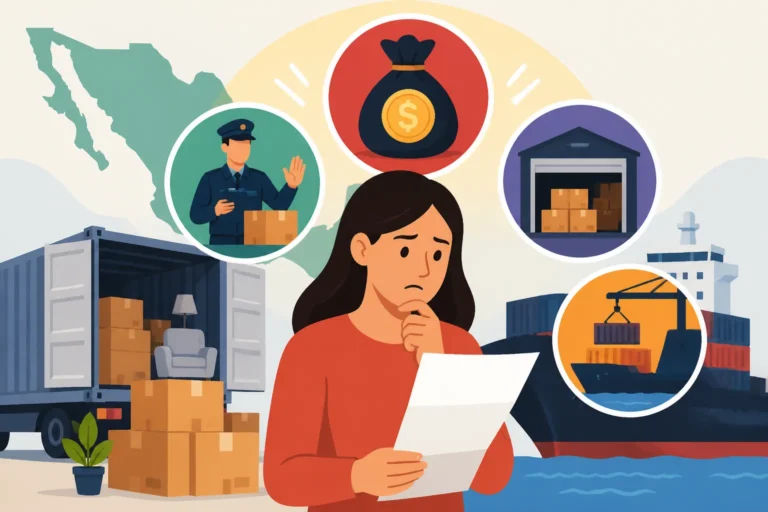
The challenge isn't just the distance, but the entire infrastructure that supports such a move. You're dealing with different ports, different customs authorities, and often, different standards of service and communication. It requires meticulous planning and a robust network of logistics partners, which can be daunting to coordinate on your own. Many expats I’ve spoken with have shared stories of unexpected delays at ports or goods being held up due to missing paperwork. It’s enough to make you want to throw in the towel, but with the right information, you can navigate these waters.
Beyond the Basics: Understanding the Red Tape from Both Ends
Every country has its own rules for moving goods in and out, and when you’re dealing with two distinct nations, the bureaucratic layers double. On the Argentine side, you might face specific export declarations, taxes, and requirements for certain items. Then, on the Mexican end, you’re greeted by a whole new set of import regulations, duties, and declarations, most notably the Menaje de Casa, which we’ll delve into later.
The paperwork alone can be a nightmare. You’ll need detailed inventories, proofs of ownership, and potentially notarized documents. It's easy to miss a seemingly small detail that can snowball into significant delays and unforeseen expenses. It's precisely these moments that make you yearn for the simplicity of just packing a suitcase and hopping on a plane. The key here is not to underestimate the "red tape" and to prepare for it well in advance, gathering all necessary documentation before your items even leave Argentina. This is where a reliable moving service can be an absolute lifesaver, helping you anticipate and prepare for these administrative hurdles.
Deciphering Your Main Shipping Avenues: Sea Cargo vs. Air Freight
When it comes to moving your worldly possessions from the southern cone to North America, your options are primarily split between the vast expanse of the ocean and the open skies. Each has its distinct advantages and disadvantages, mainly revolving around speed, cost, and the sheer volume of what you're sending. Deciding which route to take depends heavily on your timeline, budget, and the nature of your belongings.
The Economic Route: Sea Container Shipping for Most of Your Life
For most expats making a full-scale relocation, sea freight is the default choice for shipping household goods. It's by far the most economical option, especially when you're moving a substantial amount of furniture, appliances, and personal effects. Imagine fitting your entire apartment, or at least the bulk of it, into a steel box that travels thousands of miles across the Pacific or through the Panama Canal.
There are generally two main options for sea freight:
- Full Container Load (FCL): This means you get an entire container (usually 20-foot or 40-foot) exclusively for your belongings. It’s ideal if you have a large home's worth of items, or if you prefer not to share space with other shipments. The main benefit, beyond sheer volume, is that your container is sealed and travels directly to Mexico, usually resulting in fewer touchpoints and less risk of damage or misplacement.
- Less than Container Load (LCL): If you don’t have enough items to fill an entire container, LCL is your go-to. Your belongings will be crated or palletized and consolidated with other shipments heading to the same destination. This is a cost-effective solution for smaller moves, like a one-bedroom apartment or just a selection of cherished items. The trade-off is often a slightly longer transit time as the container needs to be filled, and then, upon arrival in Mexico, individual shipments need to be deconsolidated, which can add a few extra days.
The biggest drawback to sea freight, as you might expect, is the time it takes. You're looking at several weeks, or even a couple of months, for your items to arrive. This requires careful planning to ensure you have essentials with you in the interim. However, for a major move, the cost savings are usually well worth the wait.
The Express Option: Air Cargo for Essentials and Urgent Items
If speed is your absolute priority, or you only need to ship a few critical items, air freight becomes a viable option. Think of it as the express lane for your most urgent possessions. While significantly more expensive than sea freight, especially per kilogram, it can get your items from Argentina to Mexico in a matter of days or a couple of weeks, rather than months.
Air cargo is perfect for things you can't live without immediately upon arrival, but are too bulky or valuable to check as luggage. This might include essential work tools, crucial documents (though I’d recommend carrying these personally), specific medical equipment, or sentimental items that you simply can't bear to be without for long. I've known expats who shipped their children's favorite toys or their essential coffee machine via air freight just to make the initial settling-in period a bit smoother.
However, air freight comes with its own set of limitations. The cost can quickly skyrocket, making it impractical for an entire household. There are also stricter regulations on what can be shipped by air, with restrictions on liquids, aerosols, batteries, and certain chemicals. You'll also be charged by both weight and volumetric weight, meaning bulky but light items can still be pricey. So, while it offers a quick fix, it's best reserved for a select few crucial items rather than your entire life's collection.
Diving Deeper into Costs, Timelines, and What to Expect
Once you’ve got a handle on the basic shipping methods, the next logical step is to understand the nuts and bolts of what these entail – specifically, how much they’ll hit your wallet and how long you’ll be playing the waiting game. These factors are paramount in shaping your moving budget and timeline. It's often where the biggest surprises lurk, so let’s pull back the curtain a bit.
Decoding Shipping Costs: What Influences the Final Bill
The cost of shipping your belongings from Argentina to Mexico isn't a simple flat fee; it's a complex puzzle with many pieces. Several factors converge to determine your final bill, and understanding them is crucial for budgeting and avoiding sticker shock.
Firstly, volume and weight are the primary drivers. Most international movers will calculate quotes based on cubic meters (for sea freight) or a combination of weight and volumetric weight (for air freight). The more stuff you have, the more it will cost. This is why decluttering before you move is not just good for your sanity, but for your bank account too.
Next, consider the distance and specific routes. As we discussed, a transcontinental move is inherently more expensive due to fuel, labor, and logistical complexities. The chosen shipping method (sea vs. air) also dramatically impacts the price. Sea freight is cheaper per cubic meter but slower.
Then there are port and terminal handling fees at both ends, customs clearance charges, and crucially, last-mile delivery costs in Mexico. If you're moving to a city like Guadalajara, Monterrey, or Mexico City, delivery might be straightforward, but if you’re heading to a smaller town or a less accessible location, these costs can increase.
Finally, don't forget insurance (which is absolutely non-negotiable for an international move, trust me), packing services (if you opt for professional packers), and any potential storage fees if your items arrive before you’re ready to receive them. When getting quotes, make sure every one of these elements is itemized so you can compare apples to apples. A good moving company, like those found through Sirelo, will provide transparent, detailed quotes.
The Waiting Game: Realistic Timelines for Your Shipment
Patience, my friend, is not just a virtue, but a necessity when moving internationally. Shipping from Argentina to Mexico is not an overnight affair. You're looking at significantly different timelines depending on your chosen method.
For sea freight, expect your belongings to be in transit for anywhere from 4 to 8 weeks, sometimes even longer. This duration includes the time for your items to be picked up in Argentina, transported to the port, loaded onto a vessel, the actual ocean voyage, and then unloaded, cleared through customs, and delivered to your new home in Mexico. Factors like port congestion, weather delays, and the efficiency of customs clearance can all add extra days or even weeks. It’s important to factor in a buffer and not plan on having your couch immediately when you land.
Air freight, on the other hand, is much quicker, typically taking 5 to 14 days from pickup to delivery. This makes it a great choice for those immediate necessities. Even with air freight, unforeseen customs delays or logistical hiccups can occur, so having a few extra days built into your mental timeline is always wise.
Setting realistic expectations is key to avoiding frustration. Plan to live without most of your household goods for a while. Consider packing a separate "survival kit" with essentials that will get you through the first few weeks in Mexico, including bedding, basic kitchenware, important documents, and a few comforts from home.
Planning Your Arrival: Synchronizing Your Shipment with Your Move
One of the most common pitfalls for international movers is failing to properly synchronize their personal arrival with their household goods shipment. Imagine arriving in Mexico, ready to start your new life, only to find out your container is still weeks away, or worse, has arrived but you don’t yet have a place to live.
This is why having a temporary housing solution in place is almost always a good idea. Whether it's an Airbnb, a short-term rental, or staying with friends, ensure you have a comfortable base for at least a few weeks. This gives you time to find a permanent home, sort out your local affairs like getting a Mexican bank account, and be ready to receive your shipment when it finally clears customs. This might also be a good time to research Moving to Mexico: What to Pack and What to Buy Locally so you can decide what essentials you need to purchase upon arrival while you wait for your shipment.
Some moving companies offer storage solutions, either at the origin or destination, which can be invaluable for bridging any gaps. Discuss these options with potential movers early in the process. Having a clear plan for your arrival and the subsequent delivery of your goods will save you immense stress and prevent you from having to frantically search for furniture in your first few days.
Navigating Mexican Customs: Your Menaje de Casa and Beyond
This is arguably the most intimidating part of any international move into Mexico. Mexican customs can feel like a formidable gatekeeper, and honestly, without proper preparation, it can be. The good news is there's a well-established process, especially for household goods, if you have your residency. The key is understanding the Menaje de Casa and what you absolutely cannot bring.
The Menaje de Casa: Your Golden Ticket for Household Goods
For foreign residents moving to Mexico, the Menaje de Casa (House Goods Declaration) is your absolute best friend. This crucial document allows you to import your used household goods, personal effects, and furniture duty-free. Without it, you could be facing hefty import taxes on every item you bring in, which can quickly negate any perceived savings you might have made on cheap shipping.
To qualify for a Menaje de Casa, you generally need to be a temporary or permanent resident of Mexico. You cannot get this as a tourist. This means you must have initiated and completed your visa process, ideally obtaining your residency card, before your goods arrive at a Mexican port. You apply for the Menaje de Casa at a Mexican consulate in Argentina (or wherever you secured your visa) before your move, and then present it to Mexican customs upon arrival of your goods.
The Menaje de Casa requires a detailed, itemized inventory of everything you plan to ship. This isn't just a list; it often needs to be specific enough to describe the items (e.g., "used wooden dining table, 6 chairs" rather than just "furniture"). Consistency between your inventory and what’s actually in your boxes is paramount. Any discrepancies can lead to delays, inspections, and potentially, duties or even seizure of items. This process, while seemingly arduous, is designed to confirm your goods are indeed for personal use and not commercial resale. For a comprehensive overview of residency requirements, check out The Ultimate Guide to Mexico's Visa and Residency Options (2027 Edition) or specific guides like Mexico Temporary Resident Visa: Comprehensive Guide for Expats (2026 Update) and Mexico Permanent Residency Explained: A Complete Guide (2027). The more prepared you are with your immigration status, the smoother your customs experience will be.
Prohibited and Restricted Items: What You Can't (Easily) Bring
Just as important as knowing what you can bring is knowing what you absolutely cannot or shouldn't bring. Mexico has strict import laws to protect its environment, public health, and national security. Ignoring these can lead to fines, confiscation, and significant delays.
Common prohibited items include:
- Firearms and ammunition: Even if legal in Argentina, these are generally not allowed without very specific, hard-to-obtain permits. Don't even try.
- Certain agricultural products: Fresh fruits, vegetables, unprocessed meats, and some seeds or plants are often restricted due to biosecurity concerns. It's best to avoid shipping any food items.
- Narcotics and illegal drugs: This one is a no-brainer, but it bears repeating.
- Pornographic material: Mexico has conservative laws regarding explicit content.
- Hazardous materials: Flammable liquids, corrosives, explosives, and some chemicals are typically banned from international shipments.
Restricted items are those that can be imported, but only with special permits or in limited quantities. This often applies to:
- Alcohol and tobacco: You're usually allowed personal consumption amounts, but anything beyond that is subject to high duties.
- Prescription medications: While you can bring a reasonable supply for personal use, it’s crucial to have original prescriptions and ideally a doctor's letter translated into Spanish. Large quantities might raise red flags. Be sure to check Bringing Prescription Medications from Home: Rules and Tips for Expats for detailed guidance.
- New items: If you have brand-new items still in their packaging, they might not be covered by the Menaje de Casa (which is for used household goods) and could be subject to duties. It's often better to remove packaging or declare them separately.
Always check the latest regulations directly with the Mexican consulate or your chosen moving company. A reputable mover will be well-versed in these rules and can advise you on what to leave behind.
The Role of a Customs Broker: An Essential Ally
Navigating the intricacies of Mexican customs, especially with a Menaje de Casa and the myriad of forms, can be incredibly complex, even for seasoned expats. This is where a customs broker becomes your essential ally.
Most international moving companies, particularly those specialized in moves to Mexico, will either have in-house customs brokers or work closely with trusted third-party brokers. This person or team is an expert in Mexican import laws and procedures. They will guide you through the documentation, ensure all forms are correctly filled out, submit your Menaje de Casa and inventory to customs, and handle any inquiries or issues that arise.
Their role is to streamline the customs clearance process, minimizing delays and ensuring your goods are imported legally and efficiently. While their services add to the overall cost, the peace of mind and prevention of costly mistakes (like unexpected duties or seizures) they provide are invaluable. Think of them as your personal guide through the bureaucratic jungle. When you're comparing moving companies, always inquire about their customs brokerage services and how they handle the Menaje de Casa process. This is a critical factor in a stress-free move. For a broader understanding of the regulatory landscape, you might want to look at Navigating Mexico's Immigration System: Visas, INM Procedures, and Regulations.
Selecting Your Moving Partner: Why a Reputable Company (Like Sirelo) is Key
The success of your move from Argentina to Mexico hinges significantly on the quality of your moving partner. This isn't just about hiring a company to lift boxes; it's about entrusting them with your entire life's possessions, your peace of mind, and your budget. Choosing wisely can mean the difference between a smooth transition and a logistical nightmare. This is where platforms like Sirelo come into play, making a complex decision much simpler.
The Benefits of Professional Movers for International Moves
Trying to coordinate an international move on your own is an endeavor only for the incredibly brave or the truly misguided. There are so many moving parts (pun intended!) that a professional moving company isn't just a luxury; it's a necessity.
- Expertise in Logistics: International movers specialize in the complex coordination required for cross-border shipping. They understand the best routes, the intricacies of different transportation methods (sea vs. air), and how to manage the global supply chain efficiently.
- Customs Navigation: As we just discussed, customs can be a minefield. Reputable movers have experienced customs brokers who know the ins and outs of both Argentine export and Mexican import regulations, including the Menaje de Casa. They'll ensure your paperwork is correct, reducing the risk of delays and unexpected costs.
- Professional Packing: Your belongings will be traveling a long way. Professional packers use specialized materials and techniques to ensure your items are securely prepared for the journey, minimizing the risk of damage. They’re adept at handling fragile items, disassembling and reassembling furniture, and creating detailed inventories.
- Insurance and Risk Management: A good moving company will offer comprehensive insurance options, protecting your valuables against loss or damage during transit. This peace of mind is invaluable, especially for such a long-distance move.
- Reduced Stress: Let's be honest, moving is stressful enough. Offloading the heavy lifting, the logistical headaches, and the bureaucratic wrangling to professionals frees you up to focus on other aspects of your relocation, like finding a Cost of Living in Mexico: 2026 Comprehensive Guide or sorting out your new home's Home Utilities in Mexico: Setting Up Electricity, Water, Gas, and Internet.
What to Look for in an International Moving Company
So, how do you sift through the options to find the right partner? It requires a bit of due diligence, but it’s time well spent.
- Experience with Latin American Routes: Specifically, look for companies that have a proven track record of shipping from Argentina to Mexico. They’ll understand the unique challenges and potential pitfalls of this particular corridor. Their familiarity with specific ports, customs offices, and even cultural nuances can make a huge difference.
- Comprehensive Services: Do they offer door-to-door service? This means they handle everything from packing at your old home in Argentina to unpacking at your new home in Mexico. Do they include customs brokerage? What about insurance options? Ensure they provide a full suite of services that meet your needs.
- Transparency in Pricing: Get detailed, itemized quotes. Be wary of quotes that seem too good to be true, as they often hide extra fees that pop up later. A reputable company will clearly outline all costs, from packing and shipping to customs and delivery.
- Accreditations and Affiliations: Look for movers who are members of international moving associations like FIDI (Fédération Internationale des Déménageurs Internationaux) or IAM (International Association of Movers). These organizations hold members to high standards of quality and professionalism.
- Customer Reviews and Reputation: What do other expats say? Check online reviews and testimonials. While a few negative reviews are inevitable, a consistent pattern of poor service is a red flag. This is where platforms like Sirelo really shine, as they aggregate reviews and allow you to compare companies based on real user experiences. Sirelo simplifies the process of finding trustworthy movers with good reputations.
- Clear Communication: From your initial inquiry to the final delivery, the company should communicate clearly, proactively, and in a timely manner. You should feel informed and confident throughout the entire process.
Getting Quotes and Making Your Decision with Confidence
Once you have a shortlist of potential movers, the next step is to get detailed quotes. This isn't just about comparing prices; it's about comparing services. Invite a representative from each company to conduct an in-home survey (or a virtual one, given the distance) to accurately assess the volume of your belongings. This step is critical for accurate pricing.
When you receive your quotes, lay them out side-by-side. Pay close attention to:
- Included services: What exactly is covered? Packing, materials, customs, insurance, delivery to residence, unpacking?
- Exclusions: What costs are not included? You need to know about any potential additional fees.
- Insurance coverage: What type of insurance is offered, what are the deductibles, and what’s the claims process?
- Estimated timelines: Do the timelines align with your relocation plan?
- Payment terms: What are the deposit requirements and final payment schedule?
This is where a platform like Sirelo can make your life significantly easier. Sirelo allows you to quickly request multiple quotes from pre-vetted international moving companies that specialize in routes like Argentina to Mexico. Instead of spending hours researching and contacting individual movers, you can input your details once and receive comparative quotes from trusted partners. This not only saves you time but also gives you the confidence that you're choosing from reliable and experienced professionals who are accustomed to managing complex international relocations.
With Sirelo, you're not just getting quotes; you're also gaining access to user reviews and ratings, helping you make an informed decision based on the experiences of others. They are truly the hero in this daunting process, guiding you to the right partner. Don't leave your significant move to chance; utilize Sirelo to find a moving partner that will ensure your transition to Mexico is as seamless as possible. Take the first step today and get your free moving quotes through Sirelo!
Practical Preparations for a Smooth Relocation
Even with a fantastic moving company, your personal involvement in the preparation phase is crucial for a smooth and less stressful relocation. This isn’t just about putting things in boxes; it’s about strategic planning, careful documentation, and thoughtful consideration of your belongings.
Decluttering and Inventory: Less is Truly More
Before a single box is packed, you need to declutter. Seriously, this step will save you money, time, and headaches. Every item you ship adds to the volume and weight, directly impacting your costs. So, ask yourself: do I truly need this in Mexico? Is it worth the cost of shipping? Can I buy it new or used in Mexico for less than it costs to ship?
- Sell or Donate: Have a garage sale, list items online, or donate to local charities in Argentina.
- Dispose: Get rid of anything broken, unusable, or expired.
- Give Away: Offer sentimental items to friends or family who will appreciate them.
As you declutter, start creating a detailed inventory. This is not just for your own records but is absolutely essential for your Menaje de Casa. List every box and its contents, or every piece of furniture. Use clear, descriptive language. This inventory will also be critical if you need to make an insurance claim later on. This meticulous process helps you identify items that are best left behind, and what new things you might want to consider purchasing once you arrive in Mexico, as outlined in Moving to Mexico: What to Pack and What to Buy Locally.
Packing Smart for the Journey: Protection and Identification
How your items are packed directly affects their safety during transit. While professional movers are experts in this, if you choose to pack some items yourself, follow best practices.
- Use Quality Materials: Invest in sturdy, double-walled moving boxes, strong packing tape, and plenty of bubble wrap and packing paper. Avoid using old grocery store boxes which might not withstand the rigors of international travel.
- Pack Strategically: Distribute weight evenly in boxes. Don't overpack boxes, especially with heavy items like books. Fill empty spaces with packing material to prevent items from shifting. Label boxes clearly on multiple sides with their contents and which room they belong to.
- Fragile Items: Wrap fragile items individually and cushion them thoroughly. Mark these boxes clearly as "FRÁGIL" and indicate "THIS SIDE UP."
- Essentials Box: Pack a separate box or two with absolute essentials that you'll need immediately upon arrival. This could include a change of clothes, basic toiletries, crucial documents, charging cables, and maybe a beloved coffee mug. These are the boxes you want opened first, or that might travel with you via air freight.
- Disassembly: For furniture, disassemble what you can. Place all screws, bolts, and small parts in a labeled baggie and tape it securely to the corresponding furniture piece or in a clearly marked "hardware" box.
Insurance: Protecting Your Valuables Across the Miles
This is not an optional extra; it's a fundamental requirement for any international move. Your belongings will be traveling thousands of miles, handled by multiple parties, and subjected to various environmental conditions. Things can and sometimes do go wrong.
Most reputable moving companies offer different levels of insurance coverage:
- Total Loss: This basic coverage only pays out if the entire shipment is lost.
- All-Risk Coverage: This is highly recommended. It covers loss or damage to individual items, typically based on a declared value. You'll need to provide a detailed inventory with the declared value of items.
Read the policy documents carefully. Understand what is covered, what isn't, and the claims process. Document the condition of your high-value items with photos or videos before packing. This can be crucial evidence if you need to file a claim. Discuss all insurance options thoroughly with your chosen moving company. Don’t skimp on this aspect; it's your safety net in case of unforeseen events.
Disclaimer
The information provided in this guide is for general informational purposes only and does not constitute legal, financial, or immigration advice. While we strive to keep the information up-to-date and accurate, regulations and procedures in Mexico, particularly regarding immigration and customs, can change rapidly. It is essential to consult with qualified professionals, such as immigration lawyers, customs brokers, and moving companies (like those found through Sirelo), for advice tailored to your specific situation. We are not responsible for any actions taken based on the information in this guide. Always verify current requirements with official Mexican government sources or an accredited expert.