How to Get Mail and Packages Delivered in Mexico
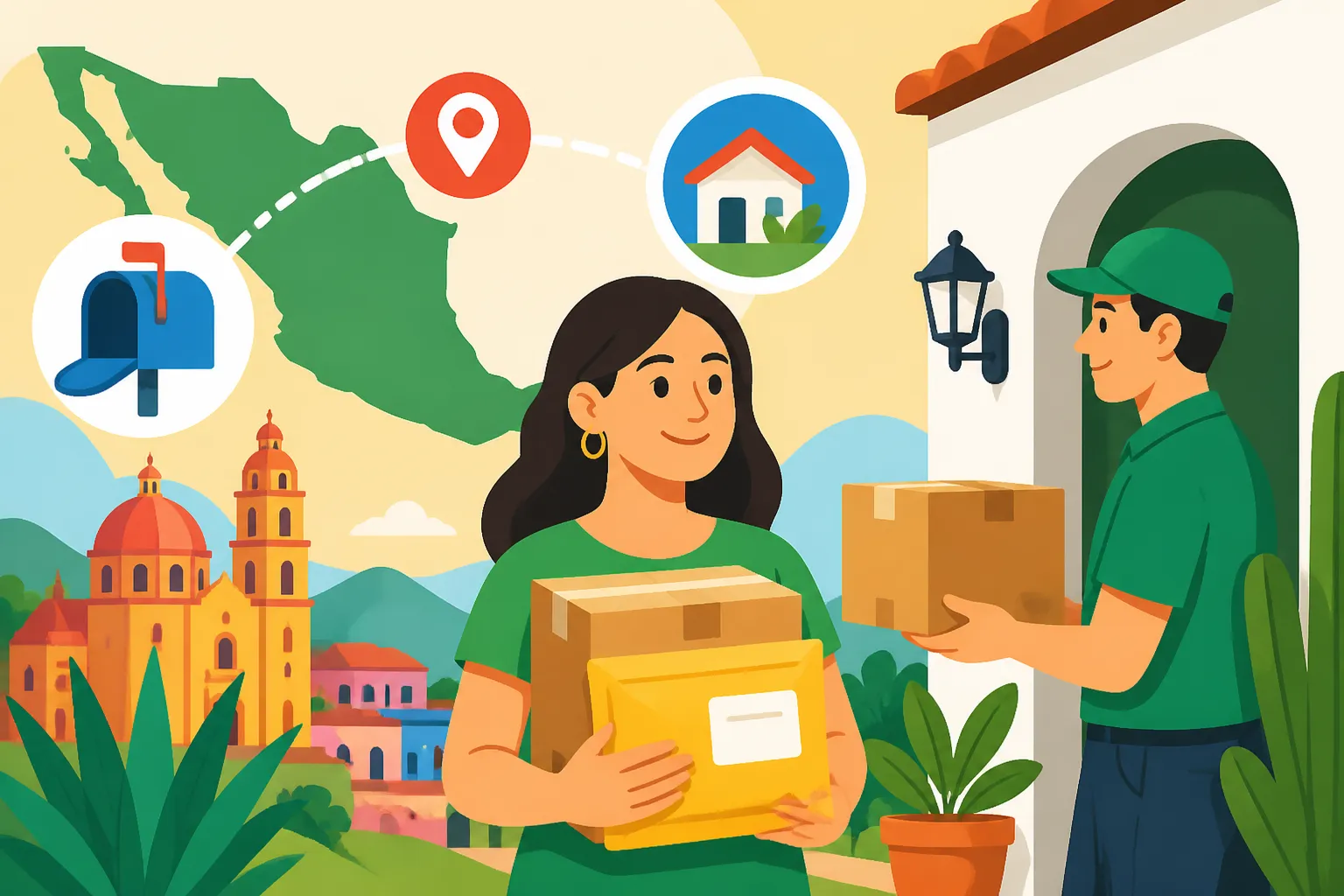
Missing a package in Mexico is more than a minor inconvenience; it is a rite of passage that tests the patience of even the most seasoned foreigner. I remember the first time I tried to order a pair of specialized hiking boots from abroad; I spent six weeks checking my gate every morning only to realize the local post office didn’t even have my street on their active route yet. This guide solves the mystery of the Mexican postal maze, from formatting your address to choosing the right courier.
Disclosure: This post may contain affiliate links. We may earn a commission at no extra cost to you if you make a purchase through these links. Read full disclosure.
Understanding the Mexican Postal System SEPOMEX
The national postal service in Mexico, known officially as Correos de México or SEPOMEX, is a system that operates on its own unique timeline. For many new arrivals, the expectation is that a letter or package sent via the national post will behave much like it does in the US, Canada, or Europe. However, the reality is far more "relaxed." SEPOMEX is incredibly affordable, making it the go-to for utility bills and official government notifications, but for time-sensitive or high-value items, it often feels like sending a message in a bottle.
When you are calculating your Cost of Living in Mexico: 2026 Comprehensive Guide, you might be tempted to rely on the low costs of the national post. But you must account for the "lost package tax"—the emotional and financial cost of items that simply never arrive. The postal workers, known as carteros, often handle massive territories with limited resources. In many neighborhoods, there isn't a traditional mailbox at your door. Instead, mail might be tucked into a gate, left with a neighbor, or simply held at the local oficina de correos because the cartero couldn't find a secure way to leave it.
If you are expecting something via SEPOMEX, do not expect a notification that it has arrived. You will likely need to visit your local post office with your tracking number and a lot of patience. This is especially true in sprawling urban areas where Living in Mexico City: Neighborhoods for Expats can mean your mail is routed through several different sorting centers before it reaches your specific colonia. Always bring your official ID (like your residency card) when you go to inquire, as they will not release anything without it.
The Wait and See Game Timelines and Expectations
If you send a postcard from Mérida to London via SEPOMEX, it might arrive in two weeks, or it might arrive in three months. There is very little rhyme or reason to the internal transit times. For domestic mail, the "Mexpost" service is the accelerated version of the national post, and while it is significantly more reliable than the standard service, it still lacks the precision of private companies.
When you are Setting Up Utilities in Mexico: CFE, Water, and Gas, you will find that your bills often arrive just a few days before they are due, or sometimes after the due date has passed. This isn't necessarily a failure of the utility company, but rather the lag in the local delivery cycle. For this reason, most veteran expats stop relying on physical mail for anything important. We learn to use apps and online portals to manage our lives, ensuring that we are never at the mercy of a delayed cartero.
Why the National Post is a Gamble for International Items
The biggest hurdle for international packages coming through the national post is the hand-off at the border. Once a package leaves the hands of USPS or Royal Mail and enters the SEPOMEX system, the tracking often goes dark for weeks. This is the "black hole" period where items sit in customs (Aduana) waiting for processing. If your item is flagged for taxes or prohibited contents, you might not receive a letter explaining the delay for another month.
For those moving large quantities of personal belongings across borders, the national post is never the answer. Instead, professional services like Sirelo can help manage the complexities of international shipping and relocation. Sirelo provides a much-needed bridge for expats who need to ensure their household goods actually cross the border legally and safely, rather than getting stuck in a government warehouse. Using Sirelo early in your move can save you from the heartbreak of lost heirlooms.
Private Couriers and the Magic of Guía Numbers
If you want something to actually show up on your doorstep, you use a private courier. Companies like DHL, FedEx, and UPS have a massive footprint in Mexico and are remarkably efficient. They use a "número de guía" (tracking number) that actually works in real-time. In my experience, DHL is often the king of domestic and international shipping in Mexico. They have points of service in almost every major neighborhood, and their drivers are usually very familiar with the local layout.
The beauty of these services is that they bypass much of the ambiguity of the national post. When a package arrives at a sorting facility, you get a text or an email. To stay on top of these notifications, having a reliable data connection is non-negotiable. I always recommend using Airalo for an immediate eSIM solution when you land or move. Airalo allows you to keep your data active without hunting for a local SIM card immediately, ensuring you can track your incoming deliveries the moment you cross the border. Using Airalo means you won't miss that crucial "out for delivery" notification while you're out exploring your new city.
Amazon Mexico and Mercado Libre The Gold Standard
The real heroes of delivery in Mexico are Amazon.com.mx and Mercado Libre. These two giants have revolutionized how we live here. If you are Living in San Miguel de Allende: Expat Guide, you might find that local shops don't always carry the specific brands or tools you need. Amazon Mexico has warehouses across the country, and in many cities, you can get "next day" delivery.
Mercado Libre is the Latin American equivalent and is often even faster than Amazon. Their "Full" delivery service is incredibly reliable. One of the best tips for expats is to use "Amazon Hub" lockers or "Mercado Libre" pick-up points. These are secure lockers located in convenience stores like OXXO or 7-Eleven. This eliminates the "I wasn't home" or "the delivery guy couldn't find my gate" problem entirely. You simply get a code on your phone, walk to the store, and scan it to get your package.
Managing Deliveries as a Digital Nomad
For those who aren't tied to a single address, receiving mail is even more complicated. If you are living the Digital Nomad Life in Mexico: Remote Work Living Guide, you might be moving every month. In this case, Selina locations are a lifesaver. Selina hubs often serve as a reliable base for remote workers and can sometimes accept packages for their guests or co-working members. Utilizing a Selina address can provide that necessary stability when you are waiting for a new laptop charger or a replacement bank card.
Staying connected at these hubs is also easier when you have a backup data source. I've used Airalo at various Selina locations when the local Wi-Fi gets bogged down by too many people on Zoom calls. Having Airalo ensures that even if the house internet is out, you can still coordinate with your delivery driver via WhatsApp—which is the primary way drivers will contact you if they are lost.
| Delivery Method | Reliability | Average Speed (Domestic) | Best For |
|---|---|---|---|
| SEPOMEX | Low | 2 – 4 Weeks | Non-urgent letters, postcards |
| DHL / FedEx | High | 1 – 3 Days | Important documents, international shipping |
| Amazon / Mercado Libre | Very High | 1 – 2 Days | Household goods, electronics |
| Estafeta | Medium-High | 3 – 5 Days | Domestic shipping within Mexico |
| Selina Hubs | High (for guests) | N/A | Nomads without a permanent address |
Practical Tips for Addressing and Customs
The way you write your address in Mexico is different from the format used in many other countries, and getting it wrong is the fastest way to ensure your package ends up in a dead-letter office. A standard Mexican address includes several layers: the street name, the exterior number (and interior number if you’re in an apartment), the Colonia (neighborhood), the Código Postal (zip code), and the city/state.
For example:
Calle Independencia 123, Int 4B
Colonia Centro
06000 Ciudad de México, CDMX
Mexico
Notice the "Colonia" is essential. Because many streets in a city might have the same name (there are thousands of "Calle Juárez" in Mexico), the Colonia acts as the primary filter for the sorting office. If you leave it off, your package is as good as lost. Also, always include your Mexican phone number on the shipping label. Most private couriers will call or WhatsApp you if they are standing in front of a gate they cannot open.
Dealing with Aduana and Import Taxes
When shipping things from home, you must be prepared for "Aduana." Mexico has strict laws about what can be imported, and they are very protective of their local economy. If you try to ship a large box of new clothes, customs might view it as "items for resale" and slap you with a 16% IVA (tax) plus additional import duties. In some cases, the tax can be higher than the value of the items themselves.
Items like How to Buy Prescription Medicine in Mexico are strictly regulated. You cannot simply have your grandmother ship you a bottle of pills from the US; they will likely be confiscated by customs unless you have a very specific set of permits that are nearly impossible for an individual to get. If you are moving your entire life, using a company like Sirelo is the only way to navigate these customs regulations without losing your mind—or your belongings. They understand the "Menaje de Casa" (household goods) exemption that allows residents to bring in their used items tax-free.
Staying Connected to Track Your Life
To manage all of this, your phone is your most important tool. You will be tracking guías, messaging couriers, and perhaps even using Internet and Mobile Providers in Mexico (Telmex, Totalplay, izzi) to ensure your home Wi-Fi is strong enough to manage your online orders. But when you are out of the house, you can't rely on finding an open Wi-Fi network.
This is where Airalo becomes essential for the third time in our strategy. When you are standing at a SEPOMEX office trying to pull up a digital receipt, or when you are trying to find a Sirelo representative at a warehouse, you need data that works. Airalo provides that peace of mind. Without it, you are disconnected from the very tools that make Mexican logistics manageable.
Final Advice on "Small Town" Logistics
If you are living in a very small "Pueblo Mágico," be prepared for even more "creative" delivery solutions. In some towns, the courier doesn't drive to every house. Instead, they leave packages at a local "tiendita" (small shop) and tell the shopkeeper who it's for. You’ll eventually hear through the grapevine that "the guy with the yellow truck left a box for you at Doña Maria's." It sounds charming, and it often is, but it requires you to be integrated into your community.
Always keep an eye on your How to Pay Your CFE Electricity Bill in Mexico to ensure you aren't missing physical notices that might have been left at your gate. Over time, you will learn the rhythm of your specific street. You will learn that the cartero comes on Tuesdays, or that the FedEx guy usually arrives right around 2:00 PM. Once you have that rhythm, and you have your Airalo data to keep you connected, the mystery of Mexican mail becomes just another part of the adventure.
Disclaimer
The information provided in this guide is for informational purposes only and does not constitute legal or professional logistics advice. Postal regulations, customs duties, and courier service availability in Mexico are subject to change by the Mexican government and private entities. Always verify specific shipping requirements and tax obligations with official sources or a certified customs broker before sending high-value items.