How to Plan a Visit to Mexico’s UNESCO Sites
Embarking on a journey to explore Mexico's UNESCO World Heritage sites can feel like navigating a treasure map with hundreds of potential paths. With so many incredible cultural and natural wonders scattered across this vast country, it’s easy to feel overwhelmed trying to decide where to go and how to get there. This guide is designed to cut through the confusion, offering a seasoned expat's perspective on how to plan visits to these invaluable locations, ensuring you get the most out of your historically rich adventures.
Disclosure: This post may contain affiliate links. We may earn a commission at no extra cost to you if you make a purchase through these links. Read full disclosure.
Understanding Mexico's UNESCO Tapestry
Mexico is an absolute marvel when it comes to UNESCO World Heritage Sites, boasting more of these esteemed locations than any other country in the Americas. As an expat who's spent years exploring this incredible nation, I can tell you firsthand that each site tells a unique story, from ancient civilizations to stunning natural landscapes. It's not just about seeing a ruin or a building; it's about feeling the history, understanding the culture, and connecting with the very soul of Mexico.
Cultural vs. Natural Heritage: A Rich Distinction
When you look at Mexico’s UNESCO list, you'll find a beautiful blend of both cultural and natural sites, each offering a distinct experience. The cultural sites often represent the incredible ingenuity and artistic expression of pre-Hispanic civilizations or the architectural grandeur of the colonial era. Think of the sprawling ancient city of Teotihuacán, just outside Mexico City, with its colossal pyramids that seem to touch the sky. Or imagine the intricate details of Palenque, tucked away in the dense jungles of Chiapas, where Maya kings once ruled. These are places that transport you back in time, forcing you to ponder the lives of those who walked these grounds centuries ago.
Then there are the breathtaking natural sites, which showcase Mexico’s stunning biodiversity and unique ecosystems. Take, for instance, the Monarch Butterfly Biosphere Reserve in Michoacán and Estado de México, where millions of monarch butterflies migrate each year, creating a spectacle that feels truly miraculous. Or consider El Pinacate and Gran Desierto de Altar Biosphere Reserve in Sonora, a vast desert landscape with unique volcanic features and sand dunes that seem to stretch into infinity. Visiting these natural wonders isn't just a trip; it's an immersive encounter with the raw, untamed beauty of the planet. Both types offer profoundly different, yet equally enriching, journeys into Mexico’s heritage.
Why UNESCO Designation Matters to Your Visit
The UNESCO designation isn't just a fancy label; it signifies that a site holds "outstanding universal value" and is deemed important for the common heritage of humanity. For us expats and visitors, this means a few critical things. Firstly, these sites are generally well-maintained and protected, often with better infrastructure for tourism compared to lesser-known locations. You'll usually find proper signage, visitor centers, and sometimes even bilingual staff, which makes a huge difference, especially if your Spanish is still a work in progress.
Secondly, the recognition often means a higher level of scholarship and interpretive displays. You’re not just looking at old stones; you’re learning the stories behind them, understanding their significance, and appreciating the immense effort that went into their creation or preservation. This enhanced educational aspect elevates your visit from a simple sightseeing trip to a profound learning experience. It also draws a certain crowd—often those who appreciate history, culture, and nature, creating a shared sense of wonder among visitors.
Planning Your UNESCO Itinerary: Practical Steps
Alright, so you’ve got a taste for Mexico’s UNESCO treasures. Now, how do you actually get out there and experience them without losing your mind in a swirl of logistics? Planning is key, but don't let it stress you out. With a bit of foresight and some insider tips, you can craft an unforgettable journey.
Research and Selection: Tailoring Your Adventure
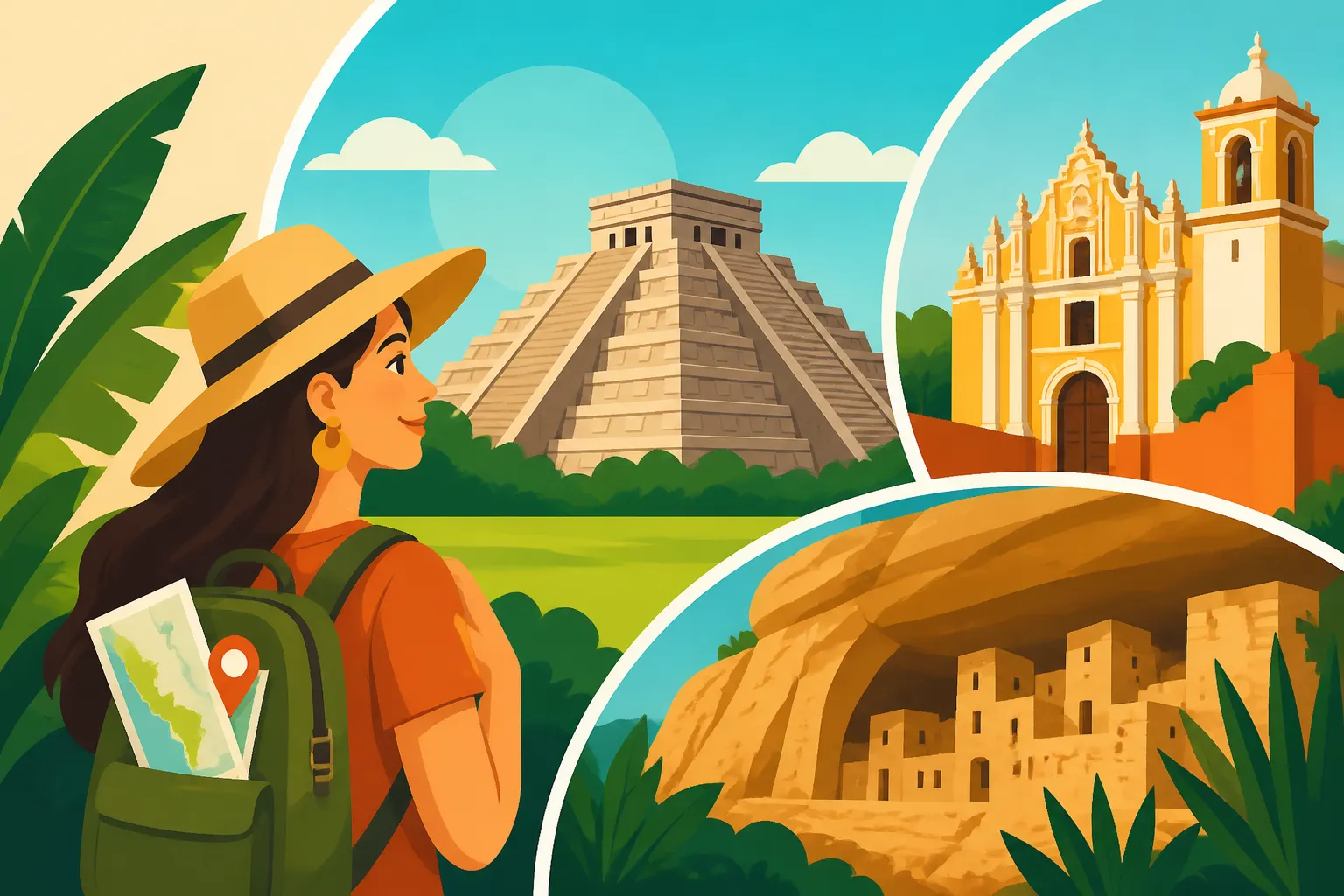
With so many incredible sites, the first step is always research and selection. You can't see them all in one trip – believe me, I've tried to over-schedule myself and it just leads to exhaustion! Start by thinking about what truly interests you. Are you fascinated by ancient civilizations and want to delve deep into archaeological sites like Chichén Itzá or Monte Albán? Or perhaps you're more drawn to colonial charm, envisioning strolls through the historic centers of Oaxaca City or San Miguel de Allende. Maybe you're an outdoor enthusiast dreaming of natural wonders like the whale sanctuaries of El Vizcaíno.
Once you have a general idea, consider your travel style, budget, and the amount of time you have. If you’re based in Mexico City, a day trip to Teotihuacán is very manageable. If you're near Mérida, the Yucatán Peninsula is packed with Mayan ruins. Use guides and online resources to prioritize. For instance, if you're looking for an all-encompassing guide to a specific region, you might find valuable information in posts like Mexico's Regions and Where to Go: A Traveler's Overview.
Transportation Logistics: Getting There and Around
This is where the rubber meets the road, or rather, where your feet hit the ancient cobblestones. Transportation can be a major hurdle or a seamless part of your adventure, depending on your choices.
-
Buses: For many cultural sites, especially those in major cities or well-trafficked routes, long-distance buses are often your best bet. Mexico has an excellent bus system with various classes, ranging from comfortable primera clase (first class) to luxurious ejecutivo (executive) services. Companies like ADO offer routes to many major cities that are gateways to UNESCO sites. You can often book tickets easily through platforms like Busbud, which consolidates routes and prices. For instance, getting from Mexico City to the historic center of Querétaro is a comfortable bus ride away. Check out Getting Around Mexico: Buses, Flights, and Car Hire for more on this.
-
Rental Cars: If you prefer flexibility, renting a car can be a fantastic option, especially for reaching more remote natural sites or a cluster of archaeological ruins. This gives you the freedom to explore at your own pace, stop spontaneously for a roadside taco, and truly immerse yourself in the landscape. However, be prepared for Mexican driving conditions, which can be… spirited, to say the least. Ensure you have proper insurance and understand the local road rules.
-
Tours: For some, particularly those short on time or wary of independent travel in an unfamiliar country, organized tours are a lifesaver. Companies like Viator offer a plethora of options, from half-day excursions to multi-day packages that include transportation, guides, and sometimes even meals. This can be especially good for sites like the Monarch Butterfly Sanctuaries, where local guides are essential, or for visiting more remote ruins like Calakmul, which requires specific arrangements. Plus, having a knowledgeable guide really enriches the experience, as they can share stories and insights you'd never find in a guidebook.
Accommodation and Local Services: Setting Up Base Camp
Once you've decided on your sites and how you'll get there, figuring out where to sleep and eat is next. My advice is often to stay in or very close to the historic centers or towns near the UNESCO sites. This allows you to soak in the atmosphere, enjoy local cuisine, and minimize travel time to the sites themselves.
For example, if you're visiting the Historic Centre of Guanajuato, staying right in the heart of the city means you can walk to everything, enjoy the vibrant nightlife, and easily catch a local bus or taxi to nearby attractions. Websites like Booking.com are invaluable for finding a range of accommodations, from budget-friendly hostels to boutique hotels within these historic zones. Don’t just look for big chain hotels; sometimes the most charming stays are in restored colonial buildings that offer a truly authentic experience.
While some major sites have dedicated restaurants or facilities, many of the best dining experiences will be found in the nearby towns. Always try the local specialties! When it comes to local services, don't be afraid to ask hotel staff or local tour operators for recommendations. They can often point you to the best eateries, local markets, or even recommend reliable taxi services. Remember, part of the joy of Mexico is embracing the local culture, including its wonderful hospitality.
Here’s a quick overview of some top UNESCO sites and typical ways to reach them:
| UNESCO Site Category | Name of Site (Example) | Location | Main Draw | Typical Transportation |
|---|---|---|---|---|
| Archaeological City | Chichén Itzá | Yucatán | Mayan pyramids, astronomy | Tour bus, Rental Car |
| Historic City | San Miguel de Allende | Guanajuato | Colonial architecture, art | Bus, Rental Car |
| Biosphere Reserve | Monarch Butterfly Biosphere Reserve | Michoacán | Butterfly migration | Organized tour, Rental Car |
| Pre-Hispanic City | Teotihuacán | Estado de México | Pyramids of Sun/Moon | Local bus, Tour bus, Uber |
| Historic Centre | Oaxaca City | Oaxaca | Indigenous culture, food, crafts | Bus, Flights, Rental Car |
| Ancient City & Protected Forests | Palenque | Chiapas | Mayan ruins in jungle | Tour bus, Rental Car |
Navigating the Sites: Tips for a Rewarding Visit
You've planned, you've traveled, and now you're standing on the cusp of a truly historic or natural wonder. This is where the magic happens, but a few practical tips can make your visit even more enjoyable and respectful.
Entry, Guides, and Etiquette: Making the Most of It
First things first: entry. Most major archaeological and natural sites have an entry fee, which typically goes towards maintenance and conservation. Keep small bills or exact change handy, though many now accept card payments. You’ll usually find ticket booths right at the entrance.
Hiring a certified local guide can profoundly enhance your experience, especially at complex archaeological sites. They can bring the history to life, explain intricate carvings, and share local legends. This is particularly true for places like Chichén Itzá or Monte Albán, where the stories are as rich as the ruins themselves. Always look for guides with official credentials; they usually have ID badges. A general tip: negotiate the price upfront for the full tour.
When it comes to etiquette, remember you're visiting sacred or culturally significant places. Dress respectfully, especially in religious sites, and always ask permission before taking photos of people. Be mindful of signs prohibiting climbing on structures or entering certain areas – these rules are for your safety and the preservation of the site. Mexico is a land of incredible warmth and hospitality, and showing respect for their heritage goes a long, long way. For more on navigating local customs, consider reading Mexican Customs, Etiquette, and Social Life.
Health and Safety at Sites: Prepared for Anything
Even in the most awe-inspiring locations, common sense and preparedness are your best friends. Mexico’s climate can be intense, so sun protection is paramount. I'm talking hats, sunglasses, high-SPF sunscreen, and light, breathable clothing. Dehydration is no joke, especially when you're exploring vast sites under the midday sun. Always carry plenty of water. If you're exploring natural reserves, consider insect repellent as well.
Safety is also key. While UNESCO sites are generally safe, always be aware of your surroundings. Keep valuables out of sight, and avoid flashing expensive electronics. Stick to well-marked paths and listen to any instructions from site staff. If you're venturing into more remote areas, inform someone of your itinerary. For general safety advice in the country, the guide on Staying Safe in Mexico: Practical Tips for Travelers is a great resource.
And remember, unexpected things can happen. It's always wise to have travel insurance that covers medical emergencies and potential evacuations. I remember a friend who got a nasty stomach bug right before a planned trip to Palenque, and having that insurance made all the difference.
Managing Expectations and Enjoying the Experience
Let’s be real, sometimes things in Mexico don't go exactly as planned. The bus might be a little late, the heat might be more intense than expected, or there might be more crowds than you anticipated. This is all part of the adventure! Embrace the unexpected, maintain a flexible attitude, and try not to let minor hiccups detract from the incredible experience you're having.
Take your time to truly absorb the atmosphere. Don't rush from one photo opportunity to the next. Sit down on a bench, watch the light change over ancient stones, or simply listen to the sounds of nature. Reflect on the history, the lives, and the sheer human effort that went into creating or preserving these sites. These moments of quiet contemplation are often the most memorable.
Whether you're marveling at the ancient architecture of Ancient Ruins, History, and Archaeology in Mexico or wandering through charming Colonial Towns and Pueblos Mágicos, Mexico's UNESCO sites offer profound experiences. By planning carefully, being respectful, and staying open to the adventure, you'll create memories that will last a lifetime. Enjoy every moment of your exploration!
Disclaimer
The information provided in this guide is intended for general informational purposes only and is based on typical expat experiences and publicly available information as of the last update. Travel regulations, entry requirements, site access, and local conditions can change rapidly. Always consult official government sources, reputable travel agencies, and local authorities for the most current and accurate information before making any travel plans or decisions. The author and publisher are not responsible for any inaccuracies or for any loss, damage, or inconvenience suffered as a result of relying on this information.