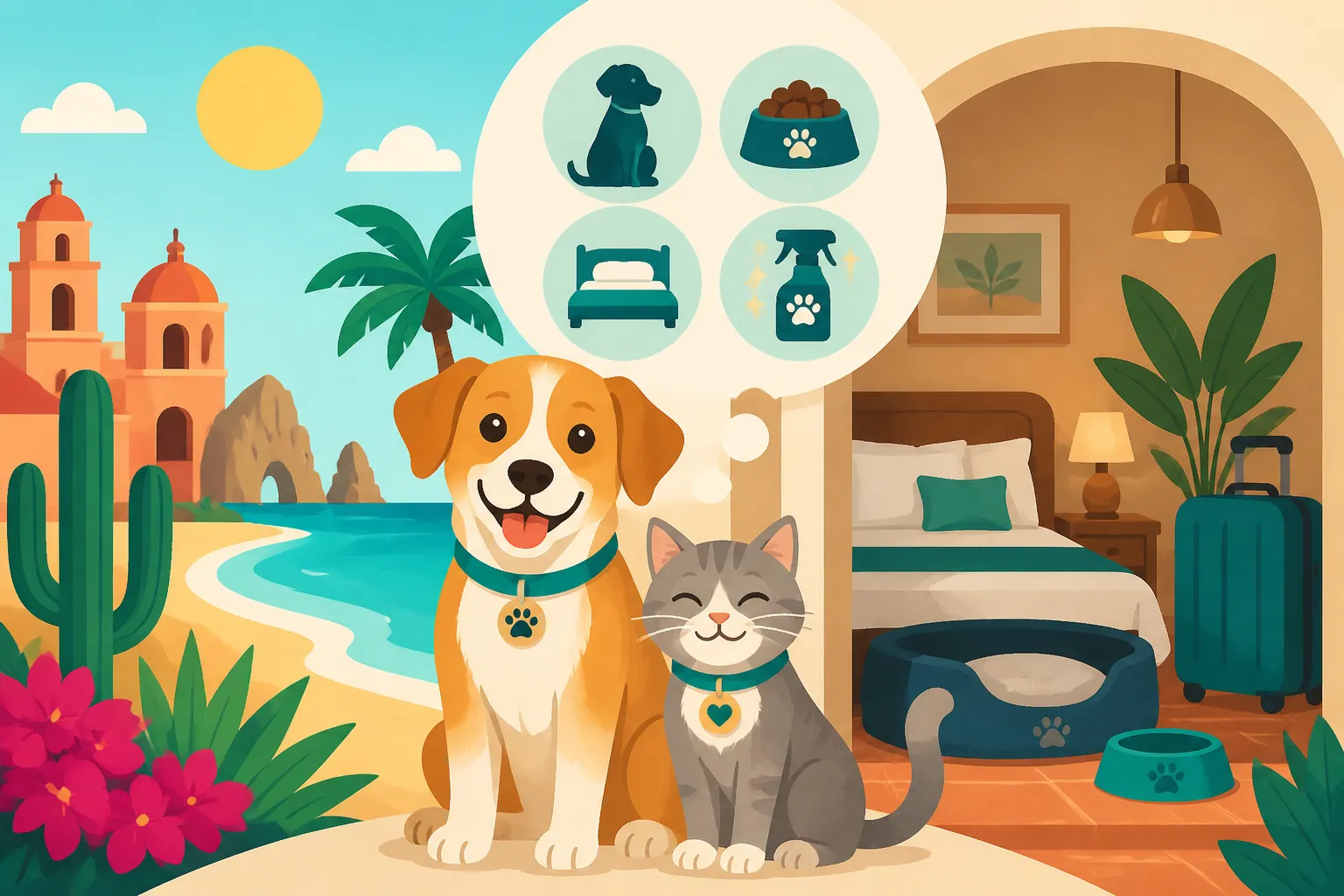
Pet-Friendly Hotels in Mexico: What ‘Pets Allowed’ Actually Means
Oh, the joy and headache of traveling with your beloved fur-baby in Mexico! If you're anything like me, your pet isn't just an animal; they're family, and leaving them behind for a trip is simply out of the question. But let's be real, the term "pet-friendly" in Mexico can be as clear as a murky cenote sometimes, leaving us expats scratching our heads and often facing unexpected surprises. This guide is going to cut through that confusion, giving you the real scoop on what to expect, how to plan, and crucially, how to find truly accommodating stays so you and your companion can enjoy Mexico together, stress-free.
Disclosure: This post may contain affiliate links. We may earn a commission at no extra cost to you if you make a purchase through these links. Read full disclosure.
The Myth of "Pet-Friendly" What It Really Means (and Doesn't) in Mexico
When you see "pets allowed" on a hotel listing in Mexico, it’s often a very different beast than what you might imagine back home. It's not always the open-arms, dog-bed-and-treats welcome you might hope for. More often than not, it's a basic allowance, sometimes with a silent "but only if you follow these ten unwritten rules and pay these three extra fees." This is where the veteran expat in me wants to save you some serious headaches and heartbreaks. Understanding this cultural nuance is the first step to a smooth trip.
Weight Limits and Breed Restrictions: The Unspoken Rules
One of the biggest surprises for many expats is the prevalence of weight limits and breed restrictions that aren't always clearly advertised. I've heard countless stories, and experienced a few myself, where a hotel listing proudly states "pets allowed," only for a follow-up email or an arrival conversation to reveal that "pets" really means "small dogs under 10 kg, and absolutely no pit bulls or German Shepherds." It’s frustrating, because who categorizes their pet as "small" or "large" without a clear metric?
Always, and I mean always, assume there might be a weight limit unless explicitly stated otherwise. Many smaller boutique hotels or more traditional accommodations simply aren't set up for larger animals. Even if they are, they might have had a bad experience in the past and implemented unadvertised restrictions. It’s not always about discrimination, but often about liability, property damage, or simply not having the space. So, if you have a larger dog, make sure to ask specifically about the weight limit and breed policy before you book, and get it in writing if possible.
Hidden Fees and Deposits: Prepare Your Wallet
Ah, the "extra charge." It's almost a given when traveling with pets in Mexico, and it’s rarely a small, nominal fee. These can range from a daily per-pet fee to a one-time cleaning fee, or even a hefty refundable deposit that might tie up a significant chunk of your travel budget. I've seen daily pet fees as low as 100 pesos in some small, rustic places, and as high as $50 USD per night in upscale resorts. The refundable deposit can be anywhere from a few hundred pesos to several thousand, intended to cover any potential damage or extensive cleaning.
The key here is transparency. Many properties don't put these fees front and center, sometimes because they fear it might deter bookings. It's crucial to confirm all costs upfront. When you're searching on a platform like Booking.com, pay close attention to the "house rules" or "fine print" section, which often details these charges. If it’s not there, a quick message to the property can save you from an unpleasant surprise at check-in. Don't be shy about asking, because if you don't, they'll certainly tell you when it's time to pay.
Designated Areas and Rules: Mind the (Invisible) Lines
This is another area where "pet-friendly" can be misleading. While your pet might be allowed on the property, they might be restricted from common areas like restaurants, pools, lobbies, or even certain parts of your room. Some hotels might only allow pets in specific "pet rooms" which might be less desirable, or on the ground floor for easier access. The idea of your furry friend lounging by the pool with you? Often a pipe dream.
You’ll often find rules about keeping your pet on a leash at all times, not leaving them unattended in the room, or having them crated when you leave. Some places even require you to use specific entrances or exits. These rules are usually in place to ensure the comfort and safety of all guests, but they can significantly impact your experience if you're not prepared. For example, leaving your dog in the room while you go to dinner might sound fine, but if the hotel has a strict "no unattended pets" rule, you'll be out of luck. Again, a comprehensive platform like Booking.com is fantastic because many properties try to outline these rules clearly on their listings, allowing you to gauge if their definition of "pet-friendly" aligns with yours.
Navigating the Search: How to Find the Right Pet-Friendly Accommodation
Finding the perfect place that genuinely welcomes your pet can feel like hunting for a needle in a haystack, especially when you're trying to communicate across language barriers or decipher vague policies. But fear not, my fellow expat, there are reliable ways to ensure your travel plans with your furry family member go smoothly.
Leveraging Online Platforms: Your Best Friend for Booking
This is where digital tools become absolutely indispensable. Forget calling every hotel directly unless you're fluent in Spanish and enjoy prolonged conversations. Online platforms, especially Booking.com, are your absolute best resource. Why? Because they've invested heavily in filters and transparency that directly address expat concerns.
Booking.com stands out because of its robust filtering system. You can specifically select "pet-friendly" as a criterion in your search. But don't stop there! Once you have your initial results, dive into the individual property pages. Look for the "house rules," "facilities," or "important information" sections. Many hotels and guesthouses will detail their specific pet policies here: weight limits, fees, designated areas, and even services like pet beds or bowls. I've found this to be invaluable because it allows you to compare policies side-by-side without having to call or email dozens of places. It streamlines the process and gives you a much clearer picture of what to expect, minimizing those unwelcome surprises.
Direct Communication with Hotels: Clarify Everything
Even with the best online platforms, sometimes you just need to confirm. Once you’ve narrowed down a few options on Booking.com, send the property a direct message through the platform or find their email address and reach out. This is your chance to ask specific questions:
- "My dog weighs X kg. Is this acceptable?"
- "Are there any specific breed restrictions?"
- "What are the exact pet fees, and are they daily or one-time?"
- "Can my pet be with me in the breakfast area/patio/poolside (if applicable)?"
- "Can I leave my pet unattended in the room for short periods (e.g., while I'm at dinner)?"
- "Are there any green spaces nearby for walks?"
Getting these answers in writing – either through Booking.com's messaging system or email – provides a paper trail should any discrepancies arise upon arrival. I’ve learned the hard way that a verbal "sí, claro" (yes, of course) can sometimes be misinterpreted or forgotten by different staff members. This is also a great opportunity to gauge how truly "friendly" they are towards pets. A quick, detailed, and warm response is a good sign!
Understanding Reviews and Policies: Learn from Others' Experiences
Never underestimate the power of fellow travelers' reviews. When browsing Booking.com (or any other booking site), make it a point to read reviews, specifically looking for mentions of pets. Other guests who have traveled with animals will often share their experiences, good or bad. Did they get hit with unexpected fees? Was the staff genuinely welcoming to their dog, or just tolerant? Were there good walking areas nearby? These insights are gold.
Pay attention to both positive and negative comments. If multiple people mention a fantastic pet experience, that’s a strong indicator. Conversely, if there are complaints about hidden fees or strict rules, you'll know to approach with caution or choose another place. This crowdsourced information is often more candid and realistic than a hotel's official description. It’s like having a whole community of fellow pet parents giving you personal recommendations!
| Policy Aspect | What "Pets Allowed" Often Means in Mexico (Common) | What "Truly Pet-Friendly" Means (Ideal) |
|---|---|---|
| Weight/Breed | Unspoken limits (e.g., small dogs < 10kg), some breeds prohibited. | Clearly stated limits (if any), welcoming to a broader range of sizes/breeds. |
| Fees | Daily fee + cleaning fee + refundable deposit, often not clearly advertised. | Clear, upfront pricing; may include amenities; reasonable deposit. |
| Access | Restricted to room only, specific entrances, no common areas. | Welcome in lobby, certain dining areas (patio), sometimes even poolside (leashed). |
| Amenities | Nothing provided, expect to bring everything. | Pet bed, bowls, waste bags, welcome treat, list of local pet services. |
| Staff Attitude | Tolerant, but not necessarily enthusiastic; minimal interaction. | Warm, welcoming, staff engage with pets, genuinely happy to have them. |
| Surrounding Area | Might be in an area with few green spaces or walking paths. | Proximity to parks, walking trails, or dedicated pet relief areas. |
Essential Tips for Traveling with Your Pet in Mexico
So you've found the perfect pet-friendly haven using Booking.com and confirmed all the details. Now, let's talk about the practicalities of hitting the road with your best friend. A little preparation goes a long way in making your trip enjoyable for both of you.
Pre-Trip Preparations: Health, Documentation, and Packing
Before you even think about packing your own suitcase, think about your pet's needs. This is critical for their health and your peace of mind.
First, a vet visit is non-negotiable. Ensure your pet is up-to-date on all vaccinations, especially rabies. Ask your vet for a health certificate, even if it's not strictly required by your accommodation. While Mexico doesn't always demand complex import documents for pets entering the country for tourism (check the latest SAGARPA/SENASICA rules for current requirements – they can change!), having a recent health certificate can smooth things over at a hotel or in case of a veterinary emergency. It’s also wise to ask your vet about common ailments in Mexico, like tick-borne diseases or gastrointestinal issues from unfamiliar water, and get preventative medication if needed. This ties into staying healthy in Mexico: Essential Tips for Food, Water, and Preventive Care, which applies to our pets too.
Next, pack a dedicated "pet bag." Don’t rely on finding specific brands of food, medications, or treats in every Mexican town. Bring enough of their regular food for the entire trip, their bowls, any necessary medications (with original prescriptions if possible – see Bringing Prescription Medications from Home: Rules and Tips for Expats), a favorite blanket or bed, and plenty of toys. A first aid kit for your pet is also a brilliant idea – gauze, antiseptic wipes, tweezers, and any vet-recommended items. And, of course, plenty of poop bags! Always overpack for your pet, rather than underpack.
Transportation Considerations: Car, Bus, or Plane?
How you get around Mexico with your pet will significantly impact your travel experience.
If you're driving your own car, you have the most flexibility. Ensure your pet is safely secured, either in a crate or with a harness and seatbelt. Take frequent breaks for potty stops and water, especially if you're traveling long distances in Mexico's heat. Remember to never leave your pet in a parked car, even with windows cracked – temperatures can soar quickly. You might want to brush up on Traveling Within Mexico: A Guide to Domestic Flights and Buses for Expats if you're considering other options for yourself.
Public transportation is a bit trickier. Long-distance buses in Mexico, like ADO, generally do not allow pets in the passenger cabin, only in the cargo hold – and even then, usually only small pets in carriers, often at the bus company's discretion and with a health certificate. This can be incredibly stressful for animals, especially larger ones. Domestic flights within Mexico (like Volaris or Aeromexico) usually allow small pets in the cabin if they fit under the seat in a carrier, and larger pets in the cargo hold, similar to international flights. Again, strict rules, fees, and health certificates apply, so check airline policies well in advance. For shorter distances, ride-sharing apps like Uber or Didi can sometimes accommodate pets, but it's essential to message the driver immediately after booking to confirm they are okay with a pet, and be prepared to offer a tip for their understanding.
Acclimatizing Your Pet to Mexico: New Sights, Sounds, and Smells
Mexico is a feast for the senses, and that applies to your pet too! The new smells, sounds (fireworks are common!), and sights can be overwhelming. Give your pet time to adjust to their new environment.
- Noise: Mexico can be noisy, especially in cities or during fiestas. If your pet is sensitive to loud noises, consider bringing calming aids or ensuring they have a quiet, secure space in your accommodation.
- Heat: Many parts of Mexico are hot and humid. Ensure your pet always has access to fresh water and shade. Avoid walking them during the hottest parts of the day. Be mindful of hot pavement burning their paws.
- Food and Water: Stick to bottled or purified water for your pet to avoid stomach upsets, just like you would for yourself. If your pet has a sensitive stomach, resist the urge to share local treats unless you're certain of the ingredients.
- Leash Laws: While not always strictly enforced, it’s best practice to keep your dog on a leash, especially in unfamiliar areas. This prevents them from running off, encountering stray animals, or getting into something they shouldn't.
Making the Most of Your Stay: Mexican Pet Culture and Best Practices
Once you and your furry travel buddy are settled, it's time to truly enjoy Mexico! Integrating respectfully into the local culture while ensuring your pet's well-being is key.
Local Pet Services: Vets, Groomers, and Pet Stores
It’s always a good idea to know where to find local pet services, just in case. Fortunately, in most major cities and even many smaller towns popular with expats, you’ll find excellent veterinarians. I’ve found that many Mexican vets are highly skilled and often more affordable than in countries like the U.S. or Canada. You can look for "Pet Care in Mexico: Finding Veterinarians and Pet Services" for a deeper dive into this. It's smart to have the number of a local vet saved in your phone, especially for emergencies.
Pet stores (often called tiendas de mascotas or veterinarias that also sell supplies) are widely available. You can usually find common brands of food, treats, toys, and basic supplies. However, if your pet needs specialized food or medication, it's best to bring it from home. For grooming, many vets offer bathing and basic grooming services, and dedicated groomers are also common in larger towns. It's an opportunity to pamper your pet and get them cleaned up after all that adventuring!
Exploring Pet-Friendly Attractions and Activities
Mexico offers a surprising number of pet-friendly activities once you know where to look. Many parks, plazas, and outdoor markets are open to leashed dogs. Cities like San Miguel de Allende, Puerto Vallarta, and Mérida are known for being quite welcoming to pets in public spaces. Even some outdoor cafes and restaurants with patios will allow well-behaved, leashed dogs, especially if you ask politely. Don't be afraid to inquire with restaurant staff – often, a friendly query (in Spanish, if you can!) can open doors.
Coastal areas often have stretches of beach where dogs are welcome, although rules can vary by municipality and specific beach. Always clean up after your pet, regardless of where you are. Some eco-parks or ruins might have restrictions, so it's best to check their websites or call ahead. You'll find many opportunities for scenic walks and adventures, from strolling along malecones (boardwalks) to exploring quieter colonial streets. Your options will definitely expand beyond just your hotel room, especially if you've booked through Booking.com and selected a property in a walkable, pet-friendly neighborhood.
Respecting Local Customs and the Environment
This is perhaps the most important point for any expat traveling with a pet in Mexico. Your presence, and your pet's, is a privilege, not a right.
- Clean Up: Always, always, always pick up after your dog. Not only is it good manners, but it helps combat negative stereotypes about pet owners. Public trash cans (or botes de basura) are common, so dispose of waste properly.
- Leash Your Pet: Even if you see local dogs roaming free, it’s safer and more respectful to keep your dog on a leash. This prevents altercations with other animals, accidents, and ensures your pet doesn't bother other people.
- Be Mindful of Strays: Mexico has a significant stray animal population. While heartbreaking, it's generally best to avoid direct interaction to prevent potential bites or health issues for your pet. Keep your distance.
- Noise: While your dog might bark at home, try to minimize excessive barking in public spaces or hotels. Be considerate of other guests and residents.
- Cultural Sensitivity: Some Mexicans might be wary of dogs, particularly large ones, or have different cultural norms around pets. Respect this. If someone expresses discomfort, simply move your pet away.
By understanding the true meaning of "pet-friendly" in Mexico and approaching your travels with respect, preparation, and the right tools like Booking.com, you and your furry companion can have an incredible, memorable adventure together. It takes a little extra effort, but the wagging tail and happy purrs are absolutely worth it.
Disclaimer
The information provided in this guide is for general informational purposes only and does not constitute professional advice. Immigration, health, and local regulations in Mexico can change frequently. Always consult with relevant authorities, legal professionals, and your veterinarian for the most accurate and up-to-date information pertaining to your specific situation before making any decisions. We are not responsible for any outcomes based on the information presented.