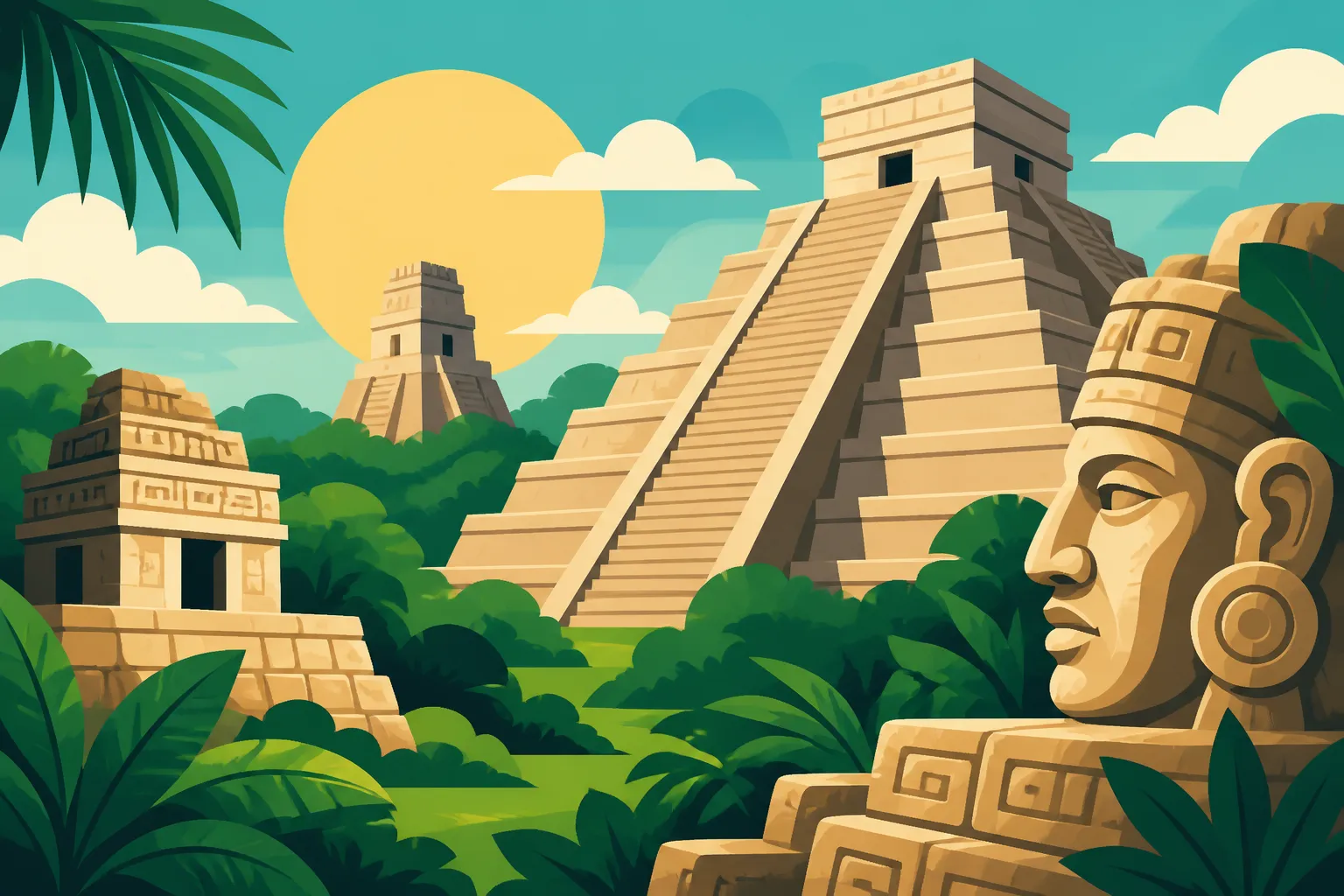
What Are the Best Maya Ruins to Visit in Mexico?
Oh, the Maya ruins! If you've just arrived in Mexico, or you're planning your first big adventure here, you've probably seen a million stunning photos of ancient pyramids and temples. But then you start looking into which ones to visit, and suddenly, you're drowning in names like Chichén Itzá, Palenque, Uxmal, and Tulum. It’s overwhelming, isn't it? Each promises an unforgettable experience, but how do you choose the one that's right for your journey? This guide is here to cut through the noise, offering a veteran expat’s perspective on the very best Maya ruins Mexico has to offer, helping you navigate their history, unique vibes, and all the practicalities involved.
Disclosure: This post may contain affiliate links. We may earn a commission at no extra cost to you if you make a purchase through these links. Read full disclosure.
Understanding the Maya World in Mexico
Diving into the Maya ruins isn't just about seeing impressive stone structures; it's about stepping into a civilization that flourished for thousands of years, leaving behind a legacy that still captivates us today. As expats, we sometimes forget just how vast and intricate Mexico's history truly is, and the Maya are a huge part of that tapestry.
A Brief History and Geographic Spread
The Maya civilization wasn't a single, unified empire in the way the Romans were. Instead, it was a complex network of city-states, each with its own rulers, alliances, and rivalries, spread across what is now southeastern Mexico, Guatemala, Belize, and parts of Honduras and El Salvador. In Mexico, their presence is most concentrated in the Yucatán Peninsula (states like Yucatán, Quintana Roo, and Campeche) and the southern state of Chiapas.
Their history is typically divided into three periods: the Preclassic (c. 2000 BC – 250 AD), the Classic (c. 250 – 900 AD), and the Postclassic (c. 900 – 1539 AD). The Classic Period is often considered their golden age, marked by incredible advancements in writing, mathematics, astronomy, and monumental architecture. When you walk through these sites, you're treading on ground that held advanced societies with sophisticated agricultural techniques, bustling trade routes, and deep spiritual beliefs. It’s truly mind-boggling to imagine what life was like then, knowing how much ingenuity and effort went into building these cities without modern tools.
What to Expect at a Maya Site
Visiting a Maya ruin is more than just a historical excursion; it's an immersive experience. Many of the sites, especially those outside the most developed tourist zones, are nestled deep within the jungle. This means you're often surrounded by the sounds of nature – chirping birds, buzzing insects, and sometimes even howler monkeys – giving you a real sense of adventure.
However, this jungle setting also comes with practical considerations. It can be incredibly hot and humid, especially during the summer months or mid-day. You’ll be doing a lot of walking, often on uneven terrain, so good, sturdy shoes are non-negotiable. Don't underestimate the sun either; a wide-brimmed hat, sunglasses, and plenty of sunscreen are your best friends. And yes, bugs can be an issue, particularly at the more remote sites or after rain, so pack that repellent! While there are usually vendors selling water and snacks at entrances, carrying your own hydration is always a smart move.
The Iconic Must-Sees: For First-Timers and History Buffs
If this is your first time exploring ancient Mexico, or you simply want to tick off the most famous and well-preserved sites, these three are absolutely essential. They each offer something distinct and universally awe-inspiring, even if they come with a few more crowds than their lesser-known counterparts.
Chichén Itzá: The New World Wonder
Let's face it, when most people think of Maya ruins in Mexico, Chichén Itzá is the first image that springs to mind. And for good reason! It’s one of the New Seven Wonders of the World and a UNESCO World Heritage site, and its centerpiece, El Castillo (the Temple of Kukulcán), is arguably the most recognizable pyramid in Mexico. This site was a major focal point in the late Classic and early Postclassic periods, and its architecture shows a fascinating blend of Maya and Toltec influences.
Walking onto the main plaza for the first time, you can’t help but be struck by the sheer scale and precision of El Castillo. It's an incredible feat of ancient engineering and astronomy, famous for the serpent shadow that descends its staircase during the equinoxes. Beyond the pyramid, you’ll find the vast Great Ball Court – the largest in Mesoamerica – where ritualistic games were played, and the Sacred Cenote, a natural sinkhole used for sacrifices. While you can no longer climb El Castillo, the site is still immense, and taking your time to explore the Temple of the Warriors, the astronomical observatory known as El Caracol, and the various other structures is a truly humbling experience. Be prepared for crowds, especially mid-day, but arrive early, and you'll find moments of quiet awe. You can learn more about how to make the most of your trip, including tips on avoiding the busiest times, by checking out our guide on How to Visit Chichén Itzá Without the Crowds. For those who prefer a structured visit with expert insights, many fantastic guided tours are available through platforms like Viator, which often include transport and knowledgeable local guides who bring the history to life.
Tulum: Ruins by the Caribbean Sea
Tulum offers a completely different vibe from the sprawling inland complexes, and honestly, it’s one of my personal favorites for its sheer beauty. Imagine ancient stone temples perched precariously on a cliff overlooking the impossibly turquoise Caribbean Sea. It’s breathtaking. Tulum was a relatively small, but significant, Postclassic Maya port city, one of the few fortified cities built by the Maya. Its strategic location allowed it to control trade routes along the coast.
The site is compact compared to Chichén Itzá or Palenque, making it easily manageable in a half-day. The main pyramid, El Castillo, might not be as grand as Kukulcán, but its backdrop of white sand and blue waters makes it utterly iconic. You can wander among structures like the Temple of the Frescoes, with its subtle remnants of ancient murals, and soak in the incredible views. There's even a small beach accessible from within the ruins where you can take a dip if the conditions are right, though it can get quite busy. It's the perfect place to combine a dose of history with some serious beach relaxation afterward. If you're staying in the Riviera Maya, you'll find plenty of information on getting there in our dedicated post about How to Visit Tulum and Its Ruins From Cancún.
Palenque: Jungle Majesty in Chiapas
If you're craving a more adventurous, Indiana Jones-esque experience, Palenque in the lush jungles of Chiapas should be at the very top of your list. This Classic Period city-state was at its peak between 600 and 800 AD and is renowned for its refined architecture and sophisticated artistic style. What makes Palenque so special is its setting: it's not just ruins on a clearing; it's a city emerging from and being slowly reclaimed by dense, verdant jungle, with the constant hum of insects and the calls of exotic birds as your soundtrack.
Only a fraction of Palenque has been excavated, giving you a real sense of discovery as you explore. The most famous structure is the Temple of the Inscriptions, which houses the tomb of Pakal the Great, one of the most powerful Maya rulers. While the tomb itself is now protected, you can see a replica in the excellent on-site museum. The Royal Palace, with its distinctive tower, and the complex of temples in the Cross Group are equally mesmerizing, showcasing intricate stucco work and hieroglyphic inscriptions. The feeling here is much more intimate and mystical than the more touristy sites. It’s a bit of a journey to get to, but utterly worth it. For details on logistics and what else to see in the area, check out our guide on How to Visit Palenque in Chiapas.
Beyond the Big Three: Deeper Dives into Maya History
Once you've experienced the grandeur of the major sites, you might find yourself yearning for more. Mexico is home to countless other Maya ruins, each with its own story and charm. These offer a chance to escape the biggest crowds and appreciate different architectural styles and historical significance.
Uxmal: The Puuc Route Masterpiece
Venturing into the Puuc region of Yucatán, roughly an hour south of Mérida, brings you to Uxmal, a site often hailed as one of the most elegant and harmoniously designed Maya cities. Uxmal reached its zenith during the Late Classic Period and is a prime example of the Puuc architectural style, characterized by intricately carved stone mosaics, often depicting geometric patterns, masks of the rain god Chaac, and serpents, adorning the upper facades of buildings.
What strikes you about Uxmal is its unique pyramid, the Pyramid of the Magician, with its rounded corners and steep sides, appearing almost as if it were built by magic, as local legends suggest. It's unlike any other pyramid you'll see. The Governor's Palace, an expansive, highly decorated structure, and the Quadrangle of the Nuns, a complex of four buildings surrounding a courtyard, are equally impressive. Because it’s a bit further off the main tourist circuit, Uxmal typically enjoys far fewer crowds than Chichén Itzá, allowing for a more serene and contemplative experience. It’s a wonderful contrast and a must-see for anyone interested in the artistry and distinct regional variations of Maya architecture. Make sure to read up on How to Visit Uxmal and the Puuc Route in the Yucatán to fully appreciate this architectural marvel and its surrounding sites.
Calakmul: The Remote Jungle Giant
For the truly intrepid and those seeking an unparalleled immersion into both ancient history and pristine nature, Calakmul is the ultimate reward. Located deep within the Calakmul Biosphere Reserve in Campeche, close to the Guatemalan border, this immense Classic Period site was one of the two great superpowers of the Maya world, rivaling Tikal. Getting there is an adventure in itself, involving a long drive down a winding road through thick jungle, often spotting wildlife like monkeys, toucans, and even jaguars if you’re exceptionally lucky.
Once you arrive, the sheer scale of Calakmul is astonishing. It boasts over 6,000 structures, though only a fraction are excavated. You can climb several of the towering pyramids, including Structure II, which rises above the jungle canopy, offering breathtaking panoramic views of the endless green expanse. Imagine standing there, seeing nothing but jungle for miles in every direction, and knowing you’re in the heart of what was once a bustling metropolis. The sense of peace and isolation here is profound. It's a full-day commitment, but for those who make the effort, Calakmul is an unforgettable experience. Given its remote location, planning your stay in nearby towns like Xpujil is key, and you can often find great lodging options on platforms like Booking.com.
Cobá: Climbable Pyramids and Jungle Paths
Cobá, nestled between Tulum and Chichén Itzá, provides another distinct experience, especially for active explorers. This large Classic Period city was an important trade link, and its expansive network of sacbeob (raised stone causeways) connected various groups of structures and even other Maya cities. The main draw here, for many, was the opportunity to climb the Nohoch Mul pyramid, one of the tallest in the Yucatán. However, as a crucial update for 2026, climbing the Nohoch Mul pyramid at Cobá has been restricted since 2020 and is currently no longer allowed to protect the ancient structure and ensure visitor safety.
Even without the climb, Cobá offers a fantastic adventure. The site is spread out, with many structures hidden along jungle paths. You can rent bicycles or hire a bici-taxi (a tricycle taxi with a driver) to navigate between the different groups of ruins, which adds a fun, unique element to your visit. Exploring the various grupos, from the Ball Court to the Conjunto de las Pinturas (Group of the Paintings), feels like a journey through a forgotten world. The sheer size of the site and the ability to explore it amidst the jungle canopy makes Cobá a wonderful complement to the other, more commercialized ruins. Planning a road trip through the Yucatán often includes a stop here; our How to Plan a Yucatán Road Trip guide can help you map it out. If you're traveling from further afield, using services like Busbud can help you find bus routes to nearby towns like Tulum or Valladolid, from where you can arrange transport to Cobá.
Practical Tips for Visiting Maya Ruins
Making the most of your Maya ruin adventure isn't just about choosing the right site; it's also about smart planning and preparation. After years of living here and countless trips to these incredible places, I’ve picked up a few pointers that can really enhance your experience.
Best Time to Visit and What to Bring
The early bird definitely gets the worm when it comes to Maya ruins. Most sites open around 8:00 AM. Arriving right at opening not only allows you to enjoy cooler temperatures but also helps you beat the tour buses, giving you precious moments of tranquility at these ancient wonders. If possible, consider visiting during the shoulder seasons (April-May or October-November) when crowds are thinner and the weather is generally more pleasant than the peak winter months or the hot, rainy summer.
As for what to bring, think "prepared for adventure":
- Water: Plenty of it! Hydration is key in Mexico's heat and humidity.
- Sun Protection: A wide-brimmed hat, sunglasses, and reef-safe sunscreen are essential.
- Bug Spray: Especially crucial for jungle sites like Palenque and Calakmul.
- Comfortable Shoes: You'll be walking a lot, often on uneven surfaces, so leave the flip-flops at home.
- Lightweight Clothing: Breathable fabrics that cover your skin are best.
- Cash (Pesos): For entrance fees (though many now accept cards), tips for guides, and purchases from vendors.
- Small Backpack: To carry all your essentials.
Hiring Guides and Tours
While it’s perfectly fine to explore the ruins independently, hiring a local, certified guide at the entrance can dramatically enrich your experience. These guides are often locals with deep knowledge of Maya history, iconography, and sometimes even a personal connection to the sites through their ancestry. They can bring the stones to life, explaining intricate carvings, recounting ancient rituals, and pointing out details you would undoubtedly miss on your own. It's a wonderful way to support the local economy and gain insights far beyond what a guidebook can offer.
For those who prefer a completely hands-off approach, opting for a tour package is a great solution. Many companies offer day trips from major tourist hubs like Cancún, Playa del Carmen, and Mérida, often combining a ruin visit with a stop at a cenote or a colonial town. These tours typically include transportation, entrance fees, and a guide. Platforms like Viator are excellent for browsing and booking such tours, ensuring you get a reputable operator. For more extensive trips, particularly to remote sites, consider how you’ll manage transportation; our guide on Long-Distance Buses in Mexico: ADO and Premium Lines can help you plan inter-city travel, and if you prefer self-driving, don’t forget to check out Renting a Car in Mexico: Insurance and Driving Tips.
Combining Ruins with Other Activities
One of the beauties of exploring Mexico's Maya world is how easily you can weave it into a broader travel itinerary. Many of the sites are close to other incredible attractions:
- Cenotes: In the Yucatán Peninsula, pairing a hot morning at the ruins with a refreshing swim in a cool, crystal-clear cenote is practically a rite of passage. There are countless options, from open-air to cavernous underground ones. We have a whole guide dedicated to Cenote Day Trips in the Yucatán that can help you plan this.
- Colonial Cities & Pueblos Mágicos: Explore the vibrant streets of Mérida, the charming architecture of Valladolid, or any of Mexico's designated Pueblos Mágicos: Mexico's Magic Towns Explained to experience the living culture of the region after delving into its ancient past.
- Beaches: After a history lesson at Tulum, you’re literally steps away from some of the most beautiful beaches in the world. Combine your cultural exploration with relaxation by the sea.
Remember that Staying Safe in Mexico: Practical Tips for Travelers is always important, so plan your routes and activities thoughtfully. Integrating these historical sites into a longer trip allows for a truly holistic understanding of Mexico’s diverse offerings. You might even find inspiration for your overall journey in our guide to How to Plan a Two-Week Mexico Itinerary.
Comparing the Top Maya Ruins
To help you decide which Maya ruins are the best fit for your adventure, here’s a quick comparison of the sites we've discussed:
| Ruin Site | Location | Key Features | Crowd Level | Best For |
|---|---|---|---|---|
| Chichén Itzá | Yucatán | El Castillo, Great Ball Court, Sacred Cenote | Very High | First-timers, iconic photos, historical grandeur |
| Tulum | Quintana Roo | Coastal cliff setting, smaller scale, beach access | High | Stunning views, quick visit, beach lovers |
| Palenque | Chiapas | Jungle setting, Temple of Inscriptions, Royal Palace | Medium | Adventure, intricate carvings, mystical vibe |
| Uxmal | Yucatán (Puuc) | Pyramid of the Magician, Puuc architecture, Governor's Palace | Low-Medium | Architectural enthusiasts, quieter experience |
| Calakmul | Campeche | Deep jungle, massive scale, climbable pyramids, wildlife | Very Low | True adventurers, nature lovers, solitude |
| Cobá | Quintana Roo | Jungle paths, bike rentals, extensive sacbeob | Medium-High | Active explorers, unique transport |
Ultimately, the "best" Maya ruins to visit depends entirely on what you're looking for. If it's your first time, Chichén Itzá and Tulum are undeniable classics. If you seek adventure and deeper immersion, Palenque or Calakmul will call to you. And if you appreciate architectural nuance and fewer crowds, Uxmal is a gem. Whichever you choose, you're in for an experience that will connect you to an ancient, powerful civilization and the incredible history of Mexico.
Disclaimer
Please note that while I strive to provide the most accurate and up-to-date information, circumstances in Mexico, including regulations at archaeological sites, can change. Always verify opening hours, entrance fees, and specific rules (like climbing restrictions) before your visit. This guide is for informational purposes only and does not constitute professional advice.