How to Visit Uxmal and the Puuc Route in the Yucatán
So, you’ve heard about the Yucatán’s magnificent Maya ruins, and while Chichén Itzá is often the first name that pops up, let me tell you, it's not the only game in town. In fact, if you're looking for an experience that's a bit more profound, less crowded, and truly allows you to connect with ancient history, then Uxmal and the spectacular Puuc Route are calling your name. This guide is going to walk you through everything you need to know to plan a visit that goes beyond the typical tourist trail, offering actionable steps for a memorable adventure.
Disclosure: This post may contain affiliate links. We may earn a commission at no extra cost to you if you make a purchase through these links. Read full disclosure.
Why Uxmal and the Puuc Route are Must-Sees
After years of living here, I’ve seen countless expats and tourists rush to Chichén Itzá, only to be a bit overwhelmed by the crowds and the sheer commercialism of it all. Don't get me wrong, Chichén Itzá is amazing, but if you want to feel like an explorer discovering something truly special, Uxmal and the sites along the Puuc Route offer an entirely different, and frankly, more intimate experience.
The Architectural Marvel of Uxmal
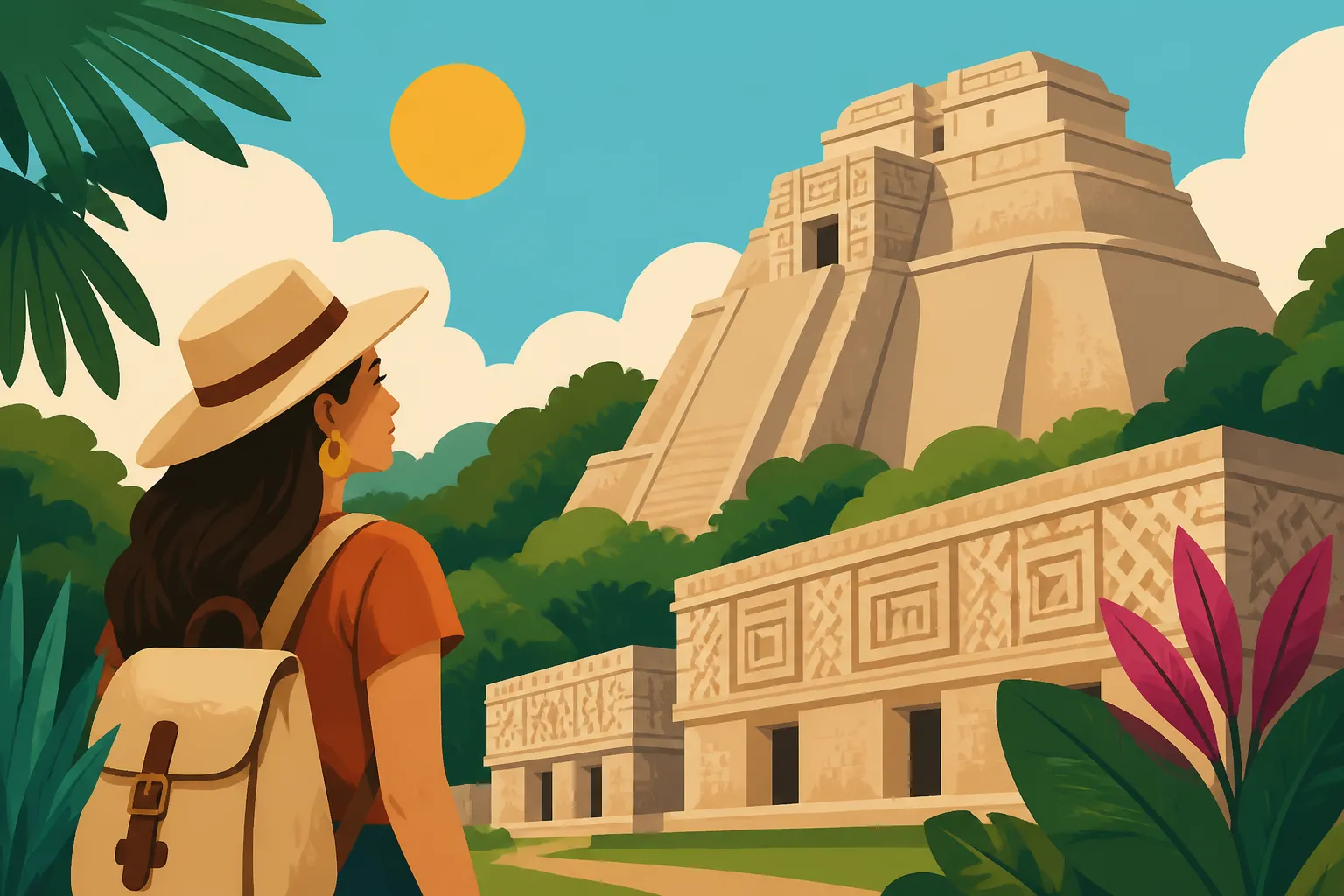
Uxmal, a UNESCO World Heritage site, is quite simply breathtaking. It’s an exemplar of the Puuc architectural style, which is distinctly different from the other Maya sites you might be familiar with. Instead of the massive, imposing structures of Chichén Itzá, Uxmal captivates with its intricate stone mosaics, detailed facades, and elegant proportions. You won't find the same kind of human sacrifice imagery here; instead, look for the long-nosed rain god Chac, adorning many of its buildings.
The "Pyramid of the Magician," with its unique rounded corners and imposing height, immediately draws your eye. Legend says it was built in a single night by a dwarf sorcerer, and walking around it, you might almost believe it. Then there's the "Nunnery Quadrangle," a stunning complex of buildings with facades so rich in symbolic carvings that you could spend hours just trying to decipher them. And the "Governor's Palace"? It's considered one of the most beautiful pre-Hispanic structures in the Americas, perched atop a massive platform, offering panoramic views of the surrounding jungle. What’s truly special about Uxmal is that you can still feel a sense of peace here, even on busier days. You're allowed to climb some structures, giving you a tangible connection to history that's often missing at more heavily restricted sites.
Exploring the Puuc Route's Hidden Gems
The "Puuc Route," or Ruta Puuc, is a collection of smaller, equally impressive Maya sites clustered along a roughly 30-kilometer stretch south of Uxmal. Visiting these sites means diving deeper into the distinct architectural style and feeling a profound sense of stepping back in time. These are the places where you truly escape the throngs and often find yourself wandering through ancient plazas with only a handful of other visitors.
The route includes sites like Kabah, famous for its "Palace of the Masks" (Codz Poop), a building almost entirely covered with hundreds of rain god Chac masks. It’s a jaw-dropping sight and incredibly well-preserved. Then there’s Sayil, an expansive site known for its enormous three-story palace, the Gran Palacio, which once housed hundreds of people. Walking its vast grounds, you get a sense of the scale of ancient Maya urban centers. Xlapak is a smaller, charming site, often overlooked, but it boasts a finely decorated palace with more Chac masks and intricate fretwork. Finally, Labná is home to a magnificent archway, considered a masterpiece of Puuc architecture, along with a multi-story palace that offers stunning views.
And if you’re up for an extra adventure, the Loltún Caves are often included at the end of the route. These natural caves are filled with ancient Maya artifacts, impressive stalactites and stalagmites, and even ancient handprints on the walls, providing a fascinating glimpse into the geological and human history of the region. Exploring these lesser-known sites isn’t just about seeing more ruins; it’s about understanding the breadth and diversity of Maya civilization in the Yucatán, each with its own story and unique aesthetic.
Planning Your Trip to Uxmal and the Puuc Route
Now that you're hopefully convinced that these sites are worth your precious time, let's get down to the brass tacks of planning your visit. This isn't quite as straightforward as hopping on a bus to Chichén Itzá, but with a little planning, it's absolutely doable and incredibly rewarding.
Getting There: Transportation Options for Expats
When it comes to reaching Uxmal and the Puuc Route, you have a few options, each with its pros and cons. As a veteran expat, I'll tell you straight: the best way to see the entire Puuc Route is with your own wheels.
-
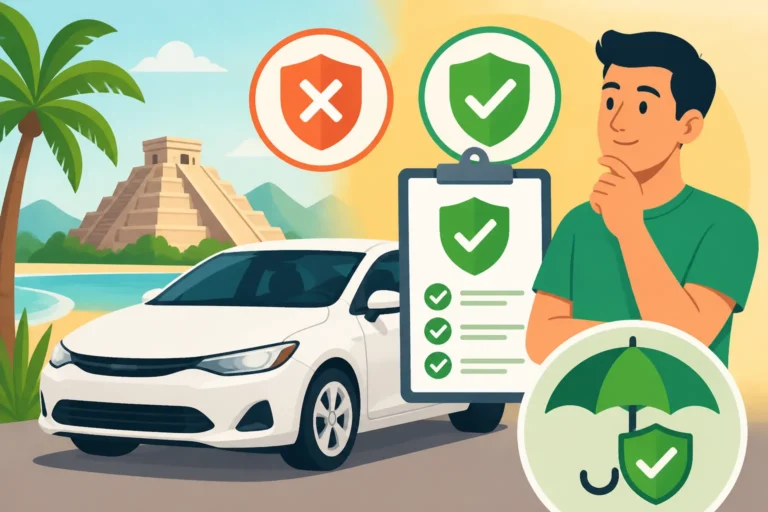
Rental Car: The Freedom to Explore. This is, by far, my top recommendation for tackling the Puuc Route. Renting a car gives you the ultimate flexibility to go at your own pace, linger at sites you love, and skip those that don't pique your interest. The drive from Mérida is straightforward, typically taking about an hour, and the roads along the Puuc Route itself are generally well-maintained, though you'll want to watch out for topes (speed bumps) and the occasional pothole. Just remember to fill up your gas tank in Mérida or Ticul, as there are very few gas stations once you're on the route. If you're considering this, check out our guide on Renting a Car in Mexico: Insurance and Driving Tips to make sure you're covered and understand the local quirks. Driving in Mexico can be an adventure, but for this route, it's definitely the most rewarding way to travel. You might also find our article on Driving in Mexico: Toll Roads (Cuotas) vs Free Roads (Libres) helpful for understanding road types.
-
Public Transport: A Challenge for the Full Route. If you're determined to go by public transport, it’s possible to reach Uxmal from Mérida via a second-class bus operated by Sur or ATS lines, which depart from the TAME bus terminal in Mérida. These buses are affordable and drop you right at the entrance to Uxmal. However, here's the kicker: once you're at Uxmal, continuing to the other Puuc sites by public transport becomes incredibly difficult. Colectivos (shared taxis) are not reliably available between the smaller ruins, and you certainly won't find routes for them on platforms like Busbud or similar services that cater to intercity travel. If your heart is set on public transport, you might be able to find more detailed information on local bus options in our How to Buy ADO Bus Tickets in Mexico guide, but be warned, it might only cover the initial leg to Uxmal. For the full Puuc Route experience, a car or an organized tour is almost essential.
-
Organized Tours: Convenience at a Cost. Many tour operators offer day trips to Uxmal, often combined with some of the Puuc sites or the Loltún Caves, usually departing from Mérida. These tours typically include transportation, an English-speaking guide, and sometimes lunch. They're a fantastic option if you prefer not to drive or want the convenience of having everything arranged. Platforms like Viator often have several options for Uxmal and Puuc Route tours, which can be a great way to see the highlights without the logistical stress. The downside, of course, is less flexibility in your itinerary and often a higher price tag.
Accommodations and Timing Your Visit
Deciding where to lay your head and when to visit can significantly impact your experience.
-
Staying Near Uxmal or Mérida: Most visitors opt for a day trip from Mérida, which is about an hour away and offers a wide array of hotels, restaurants, and cultural activities. This is a great base. However, if you want a truly special experience, consider staying at one of the charming haciendas near Uxmal, such as The Lodge at Uxmal or Hacienda Uxmal. Waking up minutes from the ruins and exploring them as the sun rises, before the main crowds arrive, is absolutely magical. You can often find these unique stays on sites like Booking.com, offering everything from rustic charm to luxurious comfort.
-
Best Time to Visit: The Yucatán Peninsula can get incredibly hot and humid. I always recommend visiting archaeological sites in the early morning, right when they open (usually around 8:00 AM). Not only do you beat the intense midday heat, but you also get to experience the ruins in relative solitude before the tour buses roll in. The dry season, from November to May, offers the most pleasant weather, with less humidity and rain. However, even during the rainy season (June to October), showers are often brief afternoon events, so mornings are usually clear.
-
How Much Time to Allocate: For Uxmal alone, you should allocate at least 3-4 hours to properly explore the main structures. If you’re driving the full Puuc Route, plan for an entire day, especially if you include the Loltún Caves. It's a lot to pack in, so starting early is key.
Entry Fees and Logistics
Ah, the joys of Mexican bureaucracy! Be prepared for a two-part entry fee at Uxmal and most other major archaeological sites. You’ll pay one fee to INAH (the federal archaeological institute) and another to CULTUR (the state tourism board).
- Fees: As of my last check, the combined fee for Uxmal for foreigners is typically around 500 MXN to 600 MXN (approximately $28-$35 USD), but prices can change, and they often prefer cash for one or both portions of the fee. The smaller Puuc sites usually have lower, separate fees (around 80-100 MXN each). It’s always a good idea to bring plenty of small peso denominations, as not all kiosks accept credit cards, and making change can sometimes be an issue.
- What to Bring: Hydration is paramount! Bring plenty of water, especially if you're visiting in the hotter months. Sunscreen, a wide-brimmed hat, and comfortable walking shoes are non-negotiable. You'll be doing a lot of climbing and walking over uneven surfaces. Most sites have basic facilities like restrooms and small souvenir shops, but food options are limited along the route itself, so pack snacks.
Navigating the Puuc Route: A Practical Itinerary
Alright, let's map out your adventure! Assuming you've taken my advice and opted for a rental car, here’s a logical way to tackle Uxmal and the Ruta Puuc, maximizing your time and minimizing backtracking.
Uxmal First and Foremost
Start your day early – I mean early. Aim to be at Uxmal right when the gates open. This gives you a precious hour or two to explore before the crowds and the heat really set in. When you enter, the massive Pyramid of the Magician will be your first greeting. Take your time to walk around it, marvel at its unique shape, and imagine the ceremonies that once took place here.
Next, explore the Nunnery Quadrangle, admiring the intricate facades. From there, move towards the ball court and then up to the Governor's Palace, which offers spectacular views. Don't forget the House of the Turtles and the Great Pyramid, which you can often climb for even more impressive panoramas. Allow yourself to wander a bit. This site is less regimented than some others, and you’ll find hidden corners and different perspectives. There's an optional light and sound show in the evenings at Uxmal, but check current schedules, as they can vary.
The Ruta Puuc Loop
After Uxmal, it's time to hit the road for the rest of the Puuc Route. The sites are generally arranged in a loop, making a driving itinerary efficient.
- Kabah: This is usually the first stop after Uxmal, about a 20-minute drive away. The star attraction here is the Codz Poop, the Palace of the Masks. You can spend an hour or so exploring this and the other structures. The detail on the masks is incredible, truly a testament to Maya craftsmanship.
- Sayil: A short drive from Kabah, Sayil is known for its Grand Palace. This sprawling site requires a bit more walking, but the scale of the palace is impressive. Look for the famous "phallus sculptures" (often interpreted as fertility symbols) that give Sayil a unique character. Allow about an hour here.
- Xlapak: Often considered a brief stop, Xlapak is a small, charming site only a few minutes from Sayil. Its main palace is beautifully decorated, a perfect example of detailed Puuc architecture, making it a worthwhile 30-minute visit.
- Labná: The last of the main Puuc sites, Labná is home to the stunning "Arch of Labná," an iconic piece of Maya architecture. The nearby palace is also worth exploring. You can easily spend an hour here, admiring the artistry.
Optional Loltún Caves: If you have time and energy, after Labná, you can continue to the Loltún Caves. These caves offer a very different experience, exploring underground caverns. You’ll need to join a guided tour (which usually runs hourly) to enter the caves, so check their operating hours beforehand. The caves are cooler than the surface, offering a nice respite from the heat, and are filled with impressive rock formations and ancient Maya art.
Essential Tips for the Road
Driving the Puuc Route offers incredible freedom, but it also means being prepared for some rural realities.
- Fuel Up: I can't stress this enough: fill your gas tank completely in Mérida or Ticul before heading out. There are very few, if any, gas stations directly on the Puuc Route. Running out of gas in the middle of the Yucatán jungle is not an experience you want to have!
- Food and Water: Pack plenty of snacks, sandwiches, and water. While Uxmal has a small restaurant, and a couple of the Puuc sites might have vendors selling drinks, options are scarce. You might find a small local comedor in nearby villages like Oxkutzcab, but don't count on gourmet dining or quick grab-and-go options readily available.
- Connectivity: Cell service can be spotty or non-existent in some stretches of the Puuc Route. Download offline maps (Google Maps allows this) before you go, so you don't get lost.
- Road Quality: Generally, the main roads are good, but keep an eye out for speed bumps (topes) which often appear without warning, especially when entering and exiting small villages. Also, watch for farm animals that might wander onto the road.
Beyond the Ruins: Local Experiences and Staying Safe
Visiting the Puuc Route isn't just about ancient stones; it's also an opportunity to connect with the living culture of the Yucatán and ensure you have a safe, enjoyable trip.
Connecting with Local Culture
While the ruins are the main draw, the small towns and villages surrounding the Puuc Route offer glimpses into contemporary Maya life. Passing through places like Ticul, known for its pottery and shoe-making, or Oxkutzcab, with its bustling market, allows you to see a different side of the Yucatán. If you have time, consider stopping at a local comedor (eatery) for an authentic, home-cooked meal – it's a fantastic way to support local businesses and experience traditional flavors. Remember, when interacting with locals, a little Spanish goes a long way, and a smile can bridge any language barrier. Our guide on Mexican Etiquette and Customs: Do's and Don'ts for New Expats provides excellent tips for respectful interactions. Understanding the history and vibrant culture of the Maya people who still live in the region adds another layer of richness to your visit.
Staying Safe on Your Adventure
Mexico is generally safe for tourists, but like anywhere, common sense and preparedness are your best friends.
- Road Safety: If you're driving, avoid driving at night, especially on rural roads. Stick to daylight hours. Keep your car doors locked and valuables out of sight. While the Puuc Route is generally very safe, it’s always wise to be aware of your surroundings, especially in more isolated areas. For broader safety advice, check out Safety in Mexico: What Expats Need to Know About Staying Safe.
- Health and Hydration: I mentioned it before, but it bears repeating: the Yucatán heat is no joke. Stay hydrated with plenty of bottled water (tap water is not safe to drink). Wear sunscreen, a hat, and sunglasses to protect yourself from the strong sun. And if you’re concerned about communication in a medical emergency, our guide on Survival Spanish for Travelers in Mexico: Key Phrases includes useful phrases for health situations.
- Language Barrier: While many people in tourist areas might speak some English, particularly at major sites like Uxmal, venturing into the smaller villages and ruins means you'll encounter less English. Knowing a few basic Spanish phrases (greetings, numbers, asking for directions or prices) will significantly enhance your experience and smooth over any minor bumps in the road.
Visiting Uxmal and the Puuc Route is a truly rewarding experience for anyone who wants to delve deeper into Mexico’s incredible history and culture, away from the biggest crowds. It requires a bit more planning than some other destinations, but the effort is absolutely worth it for the sense of discovery and the breathtaking beauty of these ancient cities.
Disclaimer
The information provided in this guide is intended for general informational purposes only and does not constitute professional advice. While we strive to keep the information accurate and up-to-date, circumstances in Mexico can change rapidly. Always cross-reference critical details like visa requirements, financial regulations, and health guidelines with official government sources and qualified professionals. We recommend consulting with local experts, such as immigration lawyers, financial advisors, or real estate agents, for personalized guidance.