How to Go Whale Watching in Baja California
Oh, my friend, if there's one experience that truly captures the raw, majestic beauty of Mexico's natural world, it's whale watching in Baja California. For many of us expats, it’s one of those bucket-list items that feels almost surreal until you’re actually out on the water. This guide is here to cut through the noise, give you the unvarnished truth, and help you plan an unforgettable encounter with these gentle giants in one of the most incredible corners of the world.
Disclosure: This post may contain affiliate links. We may earn a commission at no extra cost to you if you make a purchase through these links. Read full disclosure.
Why Baja California is the Premier Whale Watching Destination
Let's be real, you can spot whales in many places, but Baja California? It's on a whole other level. This isn't just about seeing a whale from a distance; it's about connecting with them in their natural habitat, often up close and personal. The Pacific Ocean off the coast of Baja, particularly the calm, shallow lagoons on the peninsula's western side, serves as the ultimate winter nursery and mating ground for several species, creating a spectacle you truly have to see to believe.
The Annual Migration: A Breathtaking Spectacle
Every year, from roughly December to April, an incredible migration takes place. Thousands of gray whales travel nearly 6,000 miles from their Arctic feeding grounds down to the warm, protected waters of Baja California Sur. This journey is one of the longest migrations of any mammal on Earth, and it brings them right to our doorstep. It’s a truly humbling experience to witness these ancient creatures complete such an arduous journey for the sake of new life.
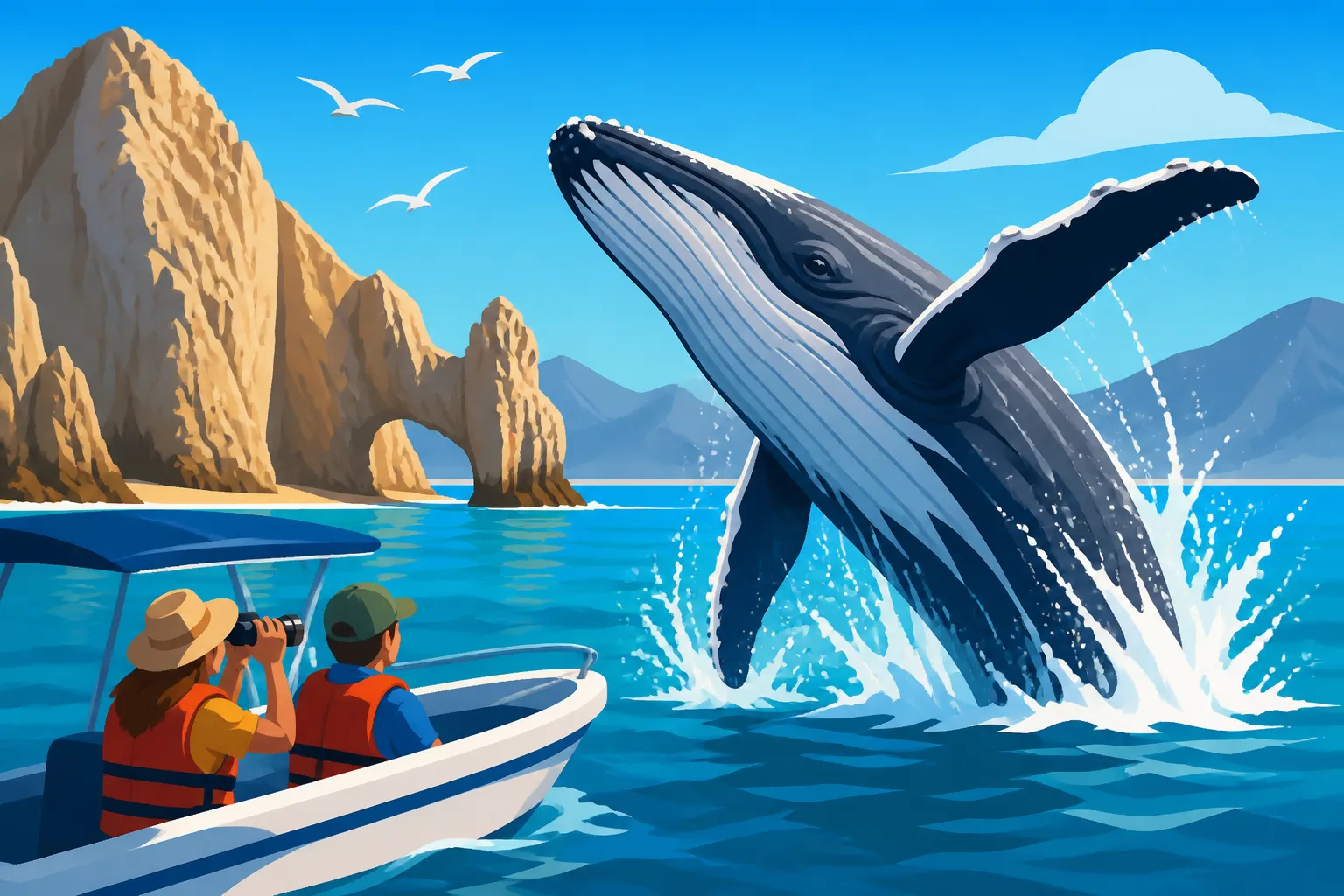
Beyond the majestic gray whales, you can also spot magnificent humpbacks, especially further south around the Los Cabos area. These acrobatic giants are famous for their breaching and tail-slapping displays, adding a whole different kind of thrill to your excursion. Occasionally, lucky visitors might even catch a glimpse of blue whales, the largest animals on the planet, further offshore.
Unique Interactions You Won't Find Elsewhere
What truly sets Baja California apart from other whale watching destinations is the possibility of "friendly" whale encounters. In lagoons like San Ignacio and Ojo de Liebre (Scammon's Lagoon), gray whale mothers, often with their calves, will sometimes approach small pangas (local fishing boats) out of curiosity. They'll swim right up to the boat, allowing you to touch their rough, barnacle-covered skin.
I remember my first time experiencing this, out in Laguna Ojo de Liebre. We were in a tiny boat, and suddenly, a massive gray whale, at least the size of our boat, surfaced right alongside us. Its eye, huge and intelligent, seemed to look right through me. Then, its calf, not much smaller, came up for a rub. It’s not just a passive viewing; it's an active, emotional interaction. This isn't guaranteed, of course, as they are wild animals, but the mere possibility is what draws people back year after year.
Top Spots for Whale Watching in Baja California
Baja California is a long peninsula, and different areas offer distinct whale watching experiences. Choosing the right spot depends on what kind of encounter you're hoping for.
The Pacific Lagoons: Gray Whale Haven
These shallow, nutrient-rich lagoons on the western side of Baja California Sur are arguably the most famous for gray whales. They are protected sanctuaries, and the regulations ensure the whales' safety and well-being while allowing visitors unparalleled access.
- Laguna San Ignacio: This UNESCO World Heritage Site is often considered the crown jewel for friendly gray whale interactions. It's remote, accessible mostly via dirt roads or small aircraft, which helps preserve its pristine environment. The limited number of tour operators here adhere to strict ecological guidelines. The calm, warm waters are perfect for mothers to nurse their calves. Getting here can be a bit of a journey, but it’s absolutely worth it for the sense of untouched wilderness.
- Laguna Ojo de Liebre (Scammon's Lagoon): Located near the town of Guerrero Negro, this is the largest gray whale nursery in the world. It’s a bit more accessible than San Ignacio and offers incredible opportunities to see hundreds, if not thousands, of whales congregating during peak season. The sheer numbers here are astonishing. You can often see spouts erupting across the entire horizon.
- Bahía Magdalena (Magdalena Bay): Further south, near the town of Puerto San Carlos or Lopez Mateos, Magdalena Bay is another prime spot for gray whales. It's usually easier to reach than the more northern lagoons, making it a popular choice for those with less time or a tighter budget. The bay offers diverse ecosystems, from mangroves to sand dunes, which you can explore as part of your whale watching trip. The whale interactions here can be just as intimate, and the landscapes are stunning.
Southern Baja: Humpbacks and More
As you head further south, particularly around the tip of the peninsula, the dominant species shifts to humpback whales. The Pacific waters here are deeper and more open, which these magnificent acrobats prefer.
- Los Cabos (Cabo San Lucas and San José del Cabo): This popular tourist destination is a hotspot for humpback whales. Tours depart frequently from the marina, and you'll often see them breaching, tail-slapping, and fluke-diving right off the coast. While you won't get the same "friendly" interactions as with gray whales in the lagoons, the spectacle of a humpback whale launching itself out of the water is nothing short of breathtaking. It's also an easier destination to access with plenty of Domestic Flights in Mexico: Airlines and Booking Tips available.
- La Paz: While more known for its tranquil Sea of Cortez waters and whale sharks, La Paz also offers excellent opportunities for whale watching, especially for gray whales migrating past its shores or even occasional humpbacks. It's a more relaxed base than Cabo and allows for a blend of marine wildlife experiences.
Planning Your Unforgettable Whale Watching Trip
Embarking on a whale watching adventure requires a bit of planning, but trust me, it’s worth every minute of effort.
Best Time to Go and Tour Operators
The prime whale watching season in Baja California runs from mid-December to mid-April. January, February, and March are usually considered peak months, especially for seeing newborn calves in the lagoons.
When it comes to booking, you have a few options. Many reputable tour operators offer packages that can include transportation from major cities like La Paz or Los Cabos, accommodation in rustic camps (especially for the remote lagoons), and the actual boat excursions.
For convenience, you can often browse and book tours through platforms like Viator. They list numerous certified operators, allowing you to compare prices and read reviews from other travelers. This can be particularly helpful if you're looking for an all-inclusive experience that handles logistics for the more remote lagoons. For instance, a multi-day trip to Laguna San Ignacio might involve flying into Loreto or La Paz, then taking ground transport to the lagoon, and staying in an eco-camp. For places like Los Cabos, booking a half-day tour is incredibly straightforward.
Remember, responsible tourism is key. Choose operators who prioritize the whales' well-being, maintain a safe distance (unless a whale approaches them), and adhere to local regulations. Look for certifications or positive reviews regarding ethical practices.
What to Bring and What to Expect
Even on a sunny day, it can get chilly out on the water, especially with the wind whipping by. Layers are your best friend!
Here’s a quick checklist of essentials:
- Warm clothing: A waterproof/windproof jacket, hat, and gloves are highly recommended, especially for early morning or late afternoon trips.
- Sun protection: Sunscreen, sunglasses, and a wide-brimmed hat. The sun reflects off the water, intensifying its rays.
- Camera with a good zoom: You’ll want to capture those moments, but remember to be present and enjoy the view.
- Binoculars: Great for spotting distant spouts or identifying species.
- Seasickness medication: If you're prone to motion sickness, take it before you board, especially in the open ocean off Los Cabos. The lagoon waters are generally calmer, but better safe than sorry.
- Snacks and water: While some tours provide these, it's always good to have your own.
- Small backpack: To keep your essentials dry and secure.
- Cash: For tips for your captain and guide, and any small purchases in remote areas.
A typical tour will involve a pangas (small, open boats) with a limited number of passengers. The captains are usually experienced locals who know the waters and the whales' behavior intimately. They'll take you to known whale areas, and then it's a waiting game. Sometimes whales appear quickly; other times, it takes patience. The thrill of the search is part of the adventure!
Practical Tips for an Unforgettable Experience
Whale watching is more than just a boat ride; it's an immersive experience. A little preparation and mindful approach can truly enhance your trip.
Maximizing Your Chances and Being Present
While nature offers no guarantees, a few tricks can increase your chances of a great sighting. Going during peak season (January-March) is obvious. Also, ask your tour operator about the best times of day. Often, early mornings or late afternoons can be quite productive, and the light is fantastic for photos.
However, my biggest piece of advice is to put down your phone for a significant portion of the trip. Yes, get your photos, but then just be there. Feel the ocean spray, listen to the rush of the blowhole, watch the sheer power of a whale breaching. These moments are fleeting and precious. Trying to capture every second on your phone can actually detach you from the real experience.
Ethical Encounters and Respecting Wildlife
This is paramount. We are guests in their home. The regulations in Baja California are designed to protect the whales, and responsible operators follow them strictly.
- Maintain Distance: Boats are required to keep a certain distance from whales (usually 100 yards/meters) in designated areas. However, in the gray whale lagoons, if a whale chooses to approach the boat, that's a different story. Never pursue or harass a whale.
- No Feeding: This should go without saying, but never attempt to feed a whale or any marine wildlife.
- Be Quiet: Sudden loud noises can startle whales. Enjoy the natural sounds of the ocean and the whales themselves.
- Leave No Trace: Ensure nothing falls overboard and take all your trash with you.
These aren't just rules; they're principles for respectful interaction with nature. By choosing ethical operators and being a responsible visitor, you contribute to the conservation efforts that keep these magnificent creatures returning to Baja year after year. For more on safe and responsible travel, check out my guide on Staying Safe in Mexico: Practical Tips for Travelers.
Logistics: Getting There and Staying Connected
For the remote lagoons, transportation is a key consideration. If you're not on an organized tour, you might need to rent a car. Be aware that some roads, especially those leading to San Ignacio Lagoon, can be unpaved and require a 4×4 vehicle. Always verify road conditions before you go. For car rental information, you might find my article on Renting a Car in Mexico: Insurance and Driving Tips helpful.
For traveling between cities to reach your whale watching base, especially if you're coming from further afield like Mexico City or Guadalajara, look into domestic flights within Mexico. Alternatively, long-distance buses like those you can find on Busbud are a reliable and comfortable way to travel between major towns within Baja California, though they might not reach the most remote lagoon access points.
As for accommodation, there are options ranging from rustic eco-camps in the lagoons to luxurious resorts in Los Cabos. For finding hotels, guest houses, or even glamping tents, sites like Booking.com are invaluable. Just search for accommodations in Guerrero Negro, Puerto San Carlos, or Cabo San Lucas, depending on your chosen whale watching spot. Remember that during peak whale season, places fill up fast, so book well in advance!
| Whale Species | Best Location | Peak Season | Key Experience |
|---|---|---|---|
| Gray Whale | Laguna San Ignacio, Laguna Ojo de Liebre, Bahía Magdalena | January – March | Friendly whale interactions, calves |
| Humpback Whale | Los Cabos, La Paz (open ocean) | December – April | Breaching, tail-slapping, acrobatic |
| Blue Whale | Offshore Baja California Sur (deeper waters) | February – March (rarer sightings) | Largest animal on Earth, immense size |
No matter where you choose to go in Baja California, or which whale species you hope to see, the experience is truly transformative. It reminds you of the incredible natural wonders our planet holds and the importance of preserving them. So pack your bags, prepare for an adventure, and get ready for a memory that will stay with you long after you've returned home!
Disclaimer
Please note that while I strive to provide accurate and up-to-date information, travel regulations, prices, and availability of services can change rapidly in Mexico. Always double-check current requirements and book with reputable operators. This guide is for informational purposes only and does not constitute professional advice.