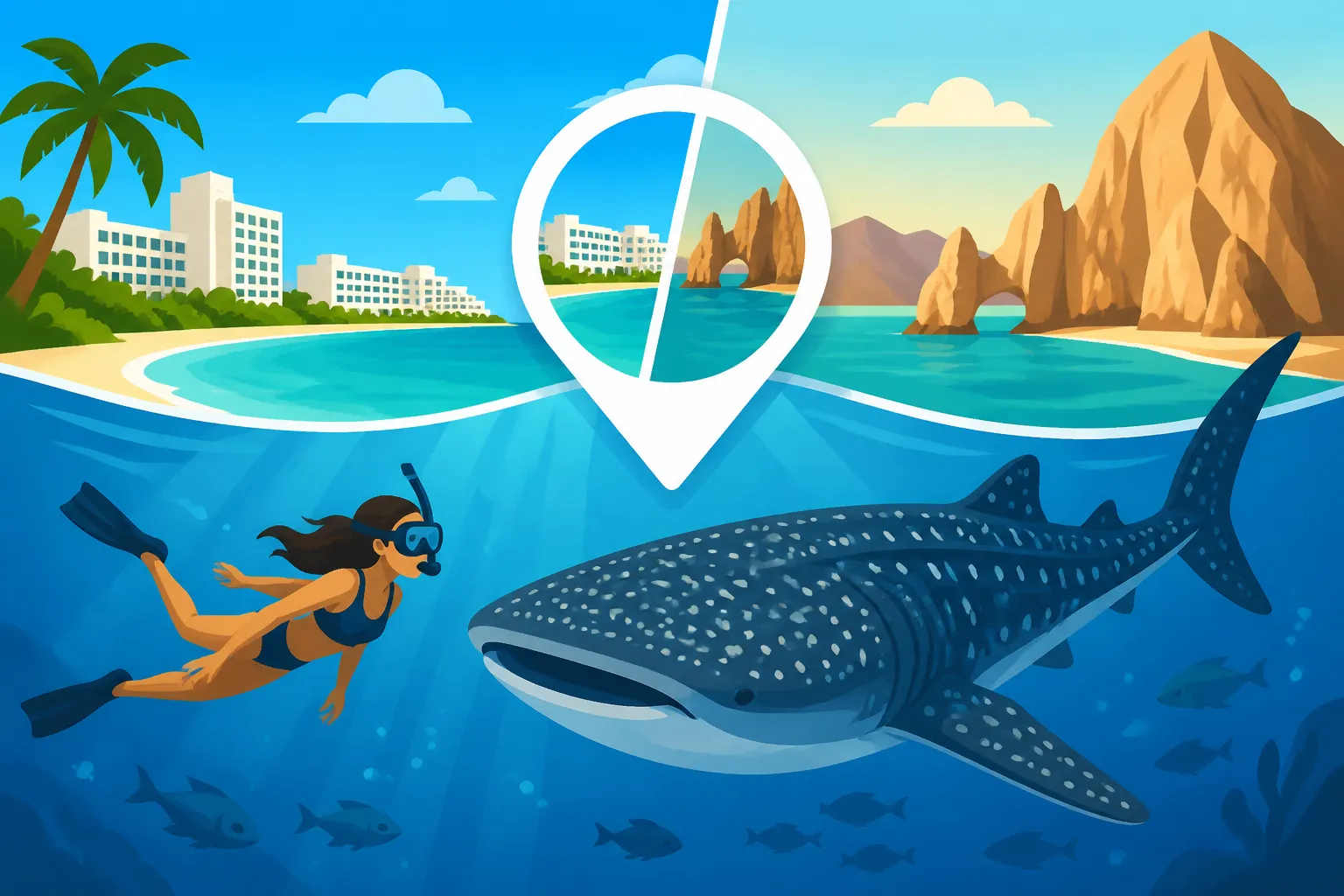
How to See Whale Sharks Near Cancún or La Paz
Alright, let's talk about one of Mexico's most incredible natural experiences: swimming with whale sharks. For many of us who've made Mexico our home, this isn't just a bucket list item; it's a profound connection with nature, albeit one that requires a bit of planning and insider knowledge. Navigating the "when" and "where" can be confusing, with two very distinct regions offering this opportunity at different times of the year. This guide will cut through the noise, helping you understand the best times and places to encounter these gentle giants, what to expect from the experience, and how to plan your trip responsibly and smoothly.
Disclosure: This post may contain affiliate links. We may earn a commission at no extra cost to you if you make a purchase through these links. Read full disclosure.
Understanding Whale Shark Season and Locations in Mexico
Mexico is incredibly blessed to host whale sharks on both its Caribbean and Pacific coasts, but it's crucial to understand that these are two entirely separate populations with different migration patterns and therefore, different seasons. Many folks mistakenly think they can see them year-round, or that the seasons overlap significantly, which isn't quite the case. Getting this right is the first step to a successful encounter.
The Caribbean Side: Cancun, Isla Mujeres, and Isla Holbox
On the eastern side of Mexico, particularly off the coast of the Yucatán Peninsula, the warm, turquoise waters of the Caribbean Sea become a bustling feeding ground for whale sharks. This area is incredibly accessible, making it a popular choice for tourists and residents alike.
The season here generally runs from May to September, with the absolute peak often falling between July and August. During these months, the waters are warm, usually in the high 20s to low 30s Celsius (80s to low 90s Fahrenheit), and the plankton blooms are rich, attracting hundreds of these magnificent creatures.
You'll find tours departing from several points:
- Cancun: This is the most common departure point due to its international airport and sheer number of tour operators. Boats leave from marinas in the hotel zone or Puerto Juarez. It's convenient but can feel a bit more commercialized.
- Isla Mujeres: A short ferry ride from Cancun, Isla Mujeres offers a slightly less chaotic departure experience. Many tours will actually take you out to the same feeding grounds as the Cancun boats, which are usually northeast of Isla Contoy.
- Isla Holbox: If you're looking for a more laid-back, rustic, and slightly more eco-conscious vibe, Holbox is your spot. This charming island, northwest of Cancun, requires a ferry from Chiquilá. The whale shark feeding grounds are often closer to Holbox, meaning a shorter boat ride, which is a huge plus if you're prone to seasickness. The entire island thrives on sustainable tourism, and many local operators here are highly dedicated to ethical encounters.
The Caribbean experience is often characterized by very calm waters, vibrant blue hues, and often, a higher density of whale sharks. It's an energetic encounter, with many boats out, but regulations are generally well-enforced to ensure respectful interactions. Beyond whale sharks, you might spot manta rays, dolphins, or even sea turtles in these waters.
The Pacific Side: La Paz and Baja California Sur
Shifting gears entirely, the Pacific coast, specifically the tranquil waters of the Sea of Cortez near La Paz, Baja California Sur, offers a different, yet equally mesmerizing, whale shark experience. This region is often referred to as the "aquarium of the world" by Jacques Cousteau, and for good reason.
The whale shark season in La Paz typically runs from October to April, with the prime months being November through February. Unlike the Caribbean's sweltering summer, the weather here is cooler and drier, and the water temperatures range from a refreshing 20-25°C (68-77°F). This means you might want a rash guard or even a thin wetsuit for comfort, especially on longer swims.
La Paz itself is the primary hub for tours. Boats depart from the marina directly in the city, heading into the Bay of La Paz, where the whale sharks gather to feed on plankton. The experience here often feels a bit more intimate, with fewer boats and a generally calmer, more remote atmosphere compared to the bustling Caribbean.
The Sea of Cortez is a biodiversity hotspot. While swimming with whale sharks, you're also likely to encounter playful sea lions, various species of dolphins, and a myriad of colorful fish around the pristine waters of places like Isla Espiritu Santo, a UNESCO World Heritage site nearby. This is why many consider a trip to Baja California Sur a marine life enthusiast's dream.
Here's a quick comparison to help you visualize the differences:
| Feature | Caribbean (Cancun/Holbox/Isla Mujeres) | Pacific (La Paz, Baja California Sur) |
|---|---|---|
| Whale Shark Season | May – September (Peak: July-August) | October – April (Peak: November-February) |
| Primary Location | Waters northeast of Isla Contoy, near Isla Holbox | Bay of La Paz, Baja California Sur |
| Water Temperature | Warm (28-32°C / 82-90°F) | Cooler (20-25°C / 68-77°F) |
| Vibe | More popular, bustling, accessible to major tourist hubs | More intimate, eco-focused, calmer, marine-rich |
| Typical Weather | Hot, humid, possibility of tropical storms/hurricanes | Mild, dry, sunny, occasional wind |
| Other Marine Life | Manta rays, dolphins, sea turtles | Sea lions, various dolphin species, vast fish diversity |
| Recommended Attire | Swimsuit, rash guard, hat | Swimsuit, rash guard/wetsuit, hat, light jacket |
Planning Your Whale Shark Encounter: What to Expect
Once you've decided on your season and location, it's time to get down to the nitty-gritty of planning. This isn't just about showing up; it's about setting realistic expectations and ensuring you have an enjoyable, responsible, and safe experience.
Booking Your Tour and Choosing an Operator
This is where your research really pays off. For both locations, tours fill up quickly, especially during peak season, so booking in advance is highly recommended. You'll find many operators, from small local businesses to larger, more established companies. I always suggest looking for operators who prioritize responsible tourism and have excellent safety records.
When researching, check online platforms like Viator or directly with local companies. Look for reviews that specifically mention adherence to regulations, knowledgeable guides, and comfortable boats. A good operator will brief you thoroughly on the rules before you even get on the boat.
What to look for in a reputable tour operator:
- Small Groups: Tours usually limit the number of people in the water at one time (typically 2-3 per guide) to minimize disturbance to the sharks. Some operators also limit total boat capacity.
- Experienced Guides: Guides should be certified and knowledgeable about whale sharks, marine life, and the local ecosystem. They should enforce strict rules about not touching the animals.
- Proper Equipment: Snorkeling gear (mask, snorkel, fins) should be well-maintained and included. Many tours also provide a light lunch or snacks, water, and sometimes even wetsuits, especially in La Paz.
- Environmental Sensitivity: Operators who emphasize conservation and give clear instructions on how to interact (or rather, not interact) with the whale sharks are the ones to choose. Ask about their permits; legitimate operators will have them.
The Experience Itself: Getting in the Water
Prepare for an early start! Most tours depart early in the morning, around 7:00 or 8:00 AM, to beat the heat, avoid crowds, and find the sharks before they dive deeper for the day. The boat ride to the feeding grounds can range from 30 minutes to up to two hours, depending on the location and how quickly the sharks are found. Trust me, it can be a long haul if the ocean isn't perfectly calm, so if you're at all susceptible to seasickness, take medication beforehand. I've seen too many people miss out because they didn't prepare.
Once the whale sharks are spotted, the magic begins. Your guide will typically lead small groups (often just 2-3 people) into the water a short distance ahead of a swimming shark. You'll then swim alongside, observing these magnificent creatures in their natural habitat. It's not a dive experience; it's snorkeling, and you'll often have multiple opportunities to get in the water as the boat maneuvers.
The sheer size of a whale shark, which can reach up to 18 meters (60 feet) in length, is awe-inspiring. They're filter feeders, completely harmless to humans, and glide through the water with incredible grace. The experience is truly humbling. Remember, the goal is to observe, not interact. Maintain a respectful distance (usually about 2 meters/6 feet from the head and 4 meters/12 feet from the tail), avoid sudden movements, and never attempt to touch them.
Ethical and Safety Considerations
Responsible tourism is paramount when interacting with wildlife. These are wild animals, and their well-being comes first.
- No Touching: This is the golden rule. Touching can remove the protective mucus layer on their skin and disturb their natural behavior.
- Maintain Distance: Always follow your guide's instructions on how close you can get.
- Reef-Safe Sunscreen: Many areas now require or strongly encourage biodegradable, reef-safe sunscreen to protect the marine ecosystem. Pack a long-sleeved rash guard for sun protection to minimize the need for sunscreen.
- Hydration: You'll be spending a lot of time in the sun and water. Drink plenty of fluids.
- Listen to Your Guide: They are the experts and know the local regulations and animal behavior.
- Expect the Unexpected: While sightings are highly likely during peak season, they are never 100% guaranteed. These are wild animals, after all. Be prepared for a long day on the water, potentially with waves.
When thinking about your trip, it's always wise to consider Travel Insurance vs Local Insurance: Do Expats Need Both? for unexpected issues like cancelled tours or medical emergencies, especially when venturing out on a boat for hours.
Practical Tips for a Smooth Trip
Making your whale shark adventure as seamless as possible involves a few practical considerations, from how you get there to what you stash in your day bag.
Getting There and Staying
Both Cancun and La Paz are popular destinations, and planning your travel and accommodation needs to be done well in advance, especially during the respective peak whale shark seasons.
- For Cancun/Holbox/Isla Mujeres: You'll fly into Cancun International Airport (CUN), a major hub with direct flights from many international cities. From there, you can easily get a taxi, ADO bus, or shuttle to your hotel in Cancun, Puerto Juarez (for Isla Mujeres ferry), or Chiquilá (for Holbox ferry). If you're opting for Holbox, the journey can take a few hours, involving a bus or private transfer and then a ferry. Accommodation options range from sprawling resorts in Cancun to charming boutique hotels on Isla Mujeres and rustic cabanas on Holbox. Checking platforms like Booking.com can help you find suitable stays for your budget and preferences.
- For La Paz: You can fly directly into Manuel Márquez de León International Airport (LAP) in La Paz, which has connections from major Mexican cities and some international routes, particularly from the US. Alternatively, many travelers fly into Los Cabos International Airport (SJD), a larger international airport, and then take a scenic two-hour bus ride up to La Paz. Long-Distance Buses in Mexico: ADO and Premium Lines are an excellent, comfortable option for this route; you can even check schedules and book tickets through sites like Busbud. La Paz itself offers a range of hotels, from budget-friendly options to luxurious waterfront resorts, many with direct access to the marina.
Consider extending your stay to fully enjoy the region. In the Yucatán, you could explore The Yucatán Peninsula: Beaches, Ruins, and Cenotes, visiting ancient Mayan ruins or swimming in freshwater sinkholes. For Baja California, the Baja California: Beaches, Wine, and Whale Watching offers much more than just whale sharks, with opportunities to snorkel with sea lions, kayak in stunning bays, or simply relax on pristine beaches.
What to Bring and Wear on Your Tour
Being prepared can make a huge difference in your comfort and enjoyment:
- Swimsuit and Towel: Obvious, but don't forget a second one if you like to dry off.
- Sun Protection: This is critical. Beyond reef-safe sunscreen, a wide-brimmed hat, sunglasses, and a long-sleeved rash guard (UV protective shirt) are essential. The sun reflecting off the water can be intense.
- Motion Sickness Medication: If you have even a hint of susceptibility, take it before you get on the boat. It's much less effective once you're already feeling queasy.
- Waterproof Camera (GoPro, etc.): To capture those incredible underwater moments. A dry bag for your other electronics is also a good idea.
- Light Layers: For after your swim, especially in La Paz where the air can be cooler after getting out of the water.
- Snacks and Water: While some tours provide these, it's always good to have extra, especially if you have specific dietary needs.
- Cash: For tips for your guides and crew, which is customary and much appreciated in Mexico.
- Comfortable Footwear: You'll be boarding and disembarking boats, sometimes in wet conditions.
- A Sense of Adventure: Most importantly, bring an open mind and be ready for an incredible natural experience!
For general well-being during your travels, always keep in mind Staying Healthy in Mexico: Essential Tips for Food, Water, and Preventive Care. Long days in the sun and on the water can take a toll if you're not adequately hydrated and protected.
Beyond Whale Sharks: Making the Most of Your Trip
Why travel all that way just for one activity? Both Cancun and La Paz offer a wealth of other experiences that can round out your trip perfectly.
- Near Cancun: Beyond the immediate resort attractions, consider day trips to the incredible Mayan ruins of Chichen Itza or Tulum, explore the mysterious underground rivers and cenotes (natural swimming holes), or relax on the white sands of Isla Mujeres or Holbox. You could also dive or snorkel along the Mesoamerican Barrier Reef. Many people enjoy learning more about the rich history by visiting How to Visit Chichén Itzá From the Riviera Maya.
- Near La Paz: The Sea of Cortez is a treasure trove. Go snorkeling with playful sea lions at Los Islotes, kayak through the stunning calm bays around Isla Espiritu Santo, or simply enjoy the vibrant local food scene in La Paz. Fishing, paddleboarding, and exploring the desert landscapes are also popular. This region is a true gem for nature lovers seeking a more relaxed pace. For those who enjoy an active lifestyle, there are plenty of outdoor adventures in Mexico.
No matter which incredible destination you choose, seeing whale sharks in Mexico is an experience you won't soon forget. It’s a powerful reminder of the beauty and fragility of our oceans, and by choosing responsible operators and being mindful of your impact, you contribute to the conservation of these gentle giants for future generations.
Disclaimer
The information provided in this guide is for general informational purposes only and does not constitute professional advice. While we strive to keep the information up-to-date and accurate, regulations, seasons, and availability can change. Always verify details with official sources, tour operators, and relevant authorities before making travel plans. Travel involves inherent risks, and visitors should exercise caution, particularly when participating in water-based activities or interacting with wildlife. We recommend consulting with your doctor before engaging in strenuous activities or traveling to remote locations.