How to Visit Copper Canyon and Ride El Chepe
Ah, the Copper Canyon! If you’ve heard whispers of this majestic natural wonder in Mexico, you're probably picturing breathtaking landscapes and a journey unlike any other. But then the logistics hit you, right? How do you even get to such a remote place, let alone navigate the famous El Chepe train? It can feel like an overwhelming puzzle, but trust me, it’s entirely doable. This guide is here to break down everything you need to know about visiting the magnificent Barrancas del Cobre and riding the legendary El Chepe train, turning your dream into a perfectly planned reality.
Disclosure: This post may contain affiliate links. We may earn a commission at no extra cost to you if you make a purchase through these links. Read full disclosure.
Understanding Copper Canyon and El Chepe
Let’s start with the basics. Copper Canyon, or Barrancas del Cobre, is a series of six distinct canyons in the Sierra Madre Occidental in the southwestern part of the state of Chihuahua. It's truly massive – four times larger in volume and nearly twice as deep as the Grand Canyon in the United States. This vast network of canyons, rivers, and mountains is home to the indigenous Rarámuri (also known as Tarahumara) people, whose culture is deeply intertwined with the land.
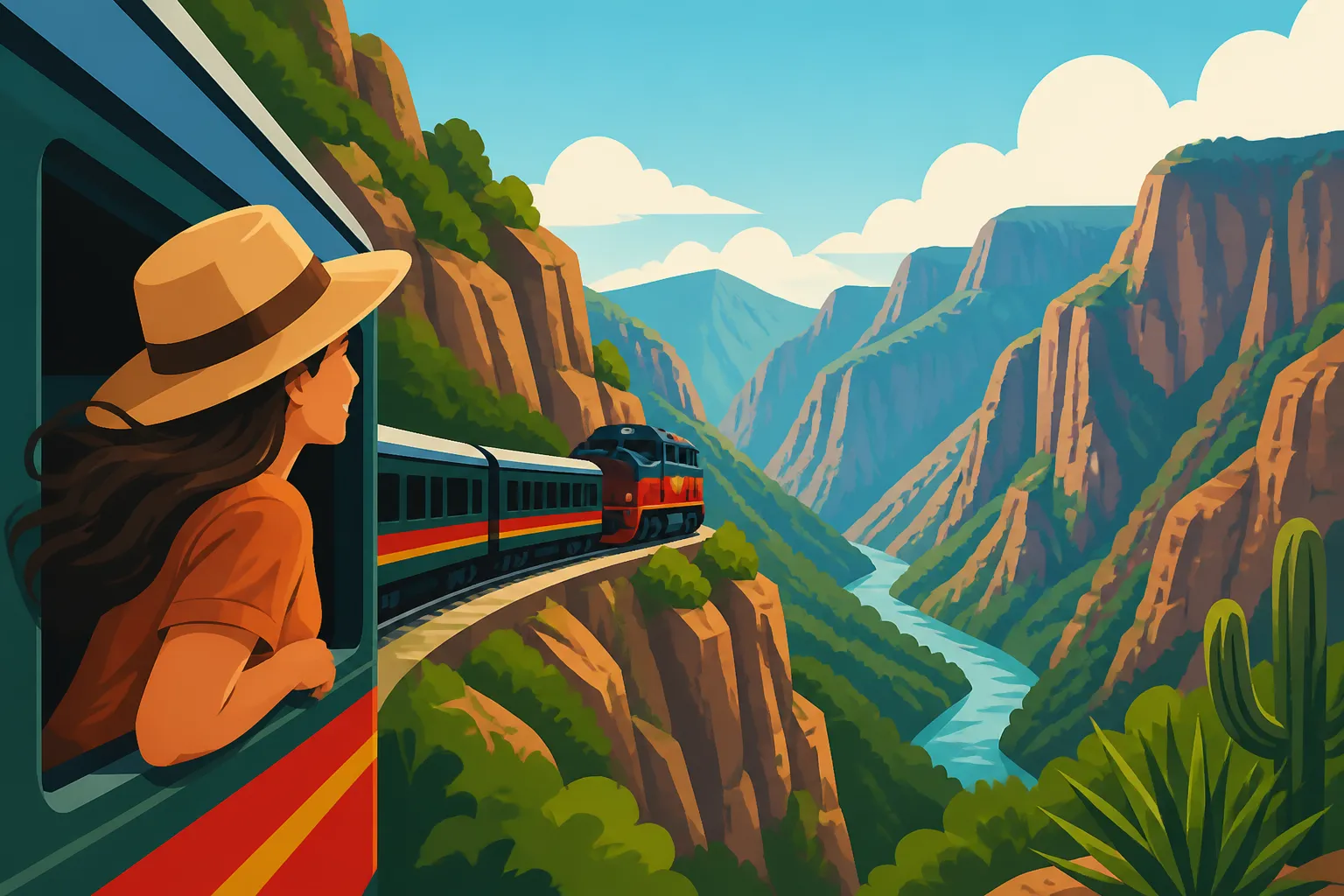
The only passenger train that traverses this incredible landscape is El Chepe. For decades, it's been the lifeline for local communities and a bucket-list adventure for travelers. It winds through tunnels, over bridges, and along cliff edges, offering views you simply won't get anywhere else. It’s more than just transport; it’s an experience in itself, revealing layers of Mexico's natural beauty and rich cultural heritage that many visitors never see.
The Two El Chepe Services: Express vs. Regional
This is where many travelers get a little confused, and for good reason. El Chepe actually operates two different services, and knowing the distinctions is crucial for planning your trip. They both run on the same tracks and cover the same route between Chihuahua city and Los Mochis, Sinaloa, but their schedules, stops, and amenities are vastly different.
The Chepe Express is exactly what it sounds like: a more luxurious, faster, and tourist-focused service. It operates primarily for those looking for a scenic journey with all the comforts. Think modern, comfortable cars, a full dining car, a bar car, and even a "Terrace Car" with an open-air viewing platform – perfect for photographers and soaking in those epic vistas. This service is designed for those who want a curated, high-end experience, making strategic stops at the most popular tourist destinations for a day or two of exploration before re-boarding. You'll find it often fully booked, especially during peak seasons, so advance planning is not just recommended, it's essential.
The Chepe Regional, on the other hand, is the traditional service, more geared towards locals and budget travelers. It's slower, makes more stops, and the cars are more basic, though still perfectly comfortable. The real advantage of the Regional is its flexibility and accessibility to smaller, more remote communities, giving you a deeper, more authentic immersion into the region. It's also significantly cheaper, which can be a huge factor if you're traveling on a budget. Don't expect the same level of luxury or dedicated viewing cars, but you'll get a real feel for daily life along the tracks. This train is often the only link for many indigenous communities to access supplies and connect with larger towns, so you'll be sharing the journey with an interesting mix of people.
Deciding Which Service is Right for You
Choosing between the Express and the Regional really depends on your travel style, budget, and what you hope to get out of the trip. If your idea of a perfect adventure involves stunning views enjoyed from plush seats with a gourmet meal and cocktail in hand, and you prefer to hit the main highlights with less hassle, the Chepe Express is probably your best bet. It’s perfect for those who want to splurge a bit and prioritize comfort and convenience. The prices reflect this, so prepare for a higher cost.
However, if you're a more intrepid traveler, keen on exploring off-the-beaten-path destinations, interacting more with local communities, and don't mind a slower pace, the Chepe Regional offers a richer, more flexible experience. You can hop off at a wider range of stations and spend more time truly discovering the hidden gems of the Copper Canyon, often at a fraction of the cost. While it might lack some of the shiny amenities, the authentic connections and unique perspectives you gain are invaluable. Many expats living in Mexico actually prefer the Regional for this very reason, as it mirrors the more relaxed, spontaneous travel style they've come to embrace.
Planning Your El Chepe Journey
Once you've decided which El Chepe service aligns with your travel dreams, it’s time to dive into the nitty-gritty of planning. This isn't a trip you can just wing on a whim, especially if you're set on the Express service or traveling during high season.
Choosing Your Route and Starting Point
El Chepe runs in both directions: from Chihuahua city to Los Mochis, or from Los Mochis to Chihuahua. There’s no inherently "better" direction; it mostly comes down to your overall travel itinerary for Mexico.
Chihuahua to Los Mochis: This route typically means you start in a larger city, making it easier to fly in. The train gradually descends through the canyon system, often saving the most dramatic views for the latter part of the journey. Many people enjoy the gradual build-up to the grand finale. Chihuahua itself is a major city with good air connections from various parts of Mexico, and it’s relatively easy to find domestic flights to get there.
Los Mochis to Chihuahua: Starting in Los Mochis means you'll hit some of the most spectacular parts of the canyon early in your journey. Los Mochis is a coastal city in Sinaloa, often accessed by flying into its international airport (MLM) or by ferry from La Paz, Baja California Sur. This is a popular starting point for those coming from Baja or who want to get straight into the "wow" factor of the canyons.
Consider your entire trip through Mexico. Are you already on the Pacific coast? Los Mochis might be a natural entry point. Exploring northern Mexico? Starting in Chihuahua could be simpler. When it comes to flying into these cities, you might find that using services like Booking.com can help you find flights and also secure hotels in your starting and ending points, as well as along your route.
Booking Your Tickets and Accommodation
Booking is arguably the most critical step, especially for the Chepe Express.
For the Chepe Express, it's strongly recommended to book your tickets several months in advance, especially for high season (October-April, and holidays). You can book directly through the official El Chepe website. They have an English version, which makes things a lot easier for us non-Spanish speakers. Alternatively, many reputable travel agencies specialize in Copper Canyon tours and can handle all your train tickets, accommodations, and guided excursions. These package deals, while pricier, can save you a lot of headache if planning isn’t your strong suit. Some travelers use platforms like Viator to find curated tour packages that include El Chepe, which can offer peace of mind.
For the Chepe Regional, tickets can often be bought closer to the departure date, sometimes even the day of, directly at the train station. However, during peak travel times or for specific dates, it's still wise to purchase them in advance if you want to ensure your spot.
Accommodation along the route is just as important. The key stops where most travelers disembark for a night or two – Creel, Divisadero, Bahuichivo/Cerocahui, and El Fuerte – have various hotel options. From rustic cabins and boutique hotels to larger resorts, there's a range. Again, booking these well in advance, especially for the Express itinerary, is crucial. Hotels near the Divisadero station, for instance, often book up completely due to their prime location overlooking the canyon. I’ve found that using websites like Booking.com can be incredibly useful for comparing options and securing rooms well ahead of time.
| Feature | El Chepe Express | El Chepe Regional |
|---|---|---|
| Schedule | Limited; generally 3 days/week in each direction | Daily |
| Stops | Fewer, focused on main tourist hubs | More frequent, including smaller towns |
| Comfort | Luxury, modern cars, dedicated dining, bar cars | Standard, functional, less amenities |
| Price | Significantly higher | More affordable |
| Booking | Essential, months in advance, online or agency | Recommended in advance, or day-of at station |
| Experience | Curated, scenic, comfortable | Authentic, flexible, community-focused |
| Target Traveler | Tourists seeking comfort and highlights | Budget travelers, adventurers, cultural immersion |
Experiencing the Copper Canyon Region
The train ride itself is a highlight, but the true magic of the Copper Canyon lies in what you do when you step off the train. Each stop offers unique opportunities for adventure, culture, and stunning natural beauty.
Key Stops and What to Do
Creel: Often called the "Gateway to the Copper Canyon," Creel is a bustling Pueblo Mágico (Magic Town) and a popular first or last stop for many travelers. Here, you'll find plenty of hotels, restaurants, and tour operators. It's a great base for exploring surrounding attractions like the Valley of the Mushrooms, Frogs, and Monks (unique rock formations), Lake Arareko, the Cusárare waterfall, and various Rarámuri communities. You can hire local guides for hiking, cycling, or horseback riding. This is also a good place to learn about Rarámuri culture and purchase their distinctive crafts.
Divisadero / Posada Barrancas: These two stations are literally a stone's throw apart and offer arguably the most iconic views of the Urique, Tararecua, and Candameña Canyons converging. Many hotels here are perched right on the canyon rim, offering unparalleled vistas from your room. This is also home to the Parque de Aventuras Barrancas del Cobre (Copper Canyon Adventure Park). If you're an adrenaline junkie, you can zip-line across the canyon (it's one of the longest in the world!), ride the teleférico (cable car) for incredible panoramic views, or try via ferrata. Even if you're not into extreme sports, a leisurely walk along the rim trails is a must. Remember to chat with the local Rarámuri women selling their baskets and crafts; a polite "hola" and a smile go a long way.
Bahuichivo / Cerocahui: A slightly less frequented stop, but absolutely worth it for those seeking tranquility and a deeper cultural experience. From Bahuichivo, it’s a short drive to the charming mission town of Cerocahui. This area is nestled in a lush valley and offers stunning views, especially from the Cerocahui Mission Hotel, which has been hosting travelers for decades. It's an excellent base for exploring the famous Urique Canyon overlook, the deepest point in the entire canyon system. You can also take tours to local vineyards, hike to remote waterfalls, or simply enjoy the peaceful pace of life.
El Fuerte: As the train approaches Los Mochis (or after departing from it), El Fuerte is another Pueblo Mágico that serves as a beautiful end or beginning to your journey. This colonial town is rich in history and folklore, famously associated with Zorro. It’s a great place to wander through cobblestone streets, visit the municipal palace, and take a boat trip on the Fuerte River to spot diverse birdlife. It’s also often cited as the gateway to the Sea of Cortez, making it a good transition point if you're heading towards the coast.
Activities and Excursions
Beyond the specific stops, the entire Copper Canyon region is ripe for adventure. Hiking trails abound, ranging from easy walks to challenging multi-day treks. Many local guides offer guided hikes to hidden waterfalls, ancient cave dwellings, and remote Rarámuri communities, providing invaluable insights into the local ecosystem and culture.
Cultural immersion is a huge part of the experience. The Rarámuri people are known for their incredible long-distance running abilities and their beautiful crafts, especially woven baskets and pottery. Respectful interactions and supporting local artisans directly can make your trip even more meaningful. You'll find many opportunities to purchase these goods directly from the artisans at markets or near popular tourist sites. Always remember to be mindful of photography, especially when it comes to people, and always ask permission. This respect for local customs is vital, as outlined in guides like Mexican Customs, Etiquette, and Social Life.
Food and Drink Along the Route
The food in this region is hearty and delicious, reflecting the rugged landscape and local ingredients. Expect a lot of grilled meats, corn-based dishes, and stews. In the larger towns like Creel and Divisadero, you’ll find restaurants catering to tourists with both Mexican and some international options. Don't miss out on local specialties like machaca (dried shredded beef), burritos de deshebrada, and artisanal cheeses. The fresh tortillas are a revelation! Of course, good coffee is never far away. For a deeper dive into what to expect from Mexican cuisine, check out resources like Mexican Regional Cuisine: How Food Changes Across Mexico.
Essential Travel Tips for Copper Canyon
A trip to Copper Canyon is an adventure, and a little preparation goes a long way to ensure it’s an unforgettable one.
Best Time to Visit
The most popular time to visit is during the dry season, from October to April. The weather is generally pleasant, with clear skies and comfortable temperatures, perfect for outdoor activities. However, temperatures can vary wildly depending on elevation. Expect cool to cold nights, especially in the higher elevations like Creel and Divisadero, so layering is key. Days are usually sunny and mild. This is also peak season, so expect more crowds and higher prices.
The rainy season runs from July to September. While the rain can make some trails muddy and bring fog, it also transforms the canyons into a lush, vibrant green landscape with full waterfalls. The crowds are thinner, and the atmosphere is serene. Just be prepared for potential travel delays due to weather and pack appropriate rain gear. May and June can be very hot, especially in the lower canyon areas like El Fuerte and Urique. Thinking about Mexico's broader climate? Our guide on Weather and Climate Considerations When Choosing Where to Live in Mexico offers more detailed insights.
What to Pack
Given the varied elevations and potential temperature swings, layering is crucial.
- Clothing: Pack layers that you can easily add or remove. Think T-shirts, long-sleeved shirts, a sweater or fleece, and a warm jacket for evenings and early mornings. If traveling during the rainy season, a waterproof jacket is essential.
- Footwear: Sturdy, comfortable walking shoes or hiking boots are a must, especially if you plan on exploring trails or the adventure park.
- Sun Protection: A wide-brimmed hat, sunglasses, and high SPF sunscreen are vital, even on cloudy days, as the sun at higher altitudes can be intense.
- Essentials: Reusable water bottle, a small daypack, personal medications, insect repellent (especially for lower elevations or during the rainy season), and a good camera to capture those incredible views.
- Cash: While larger hotels and some restaurants accept credit cards, many smaller businesses, craft vendors, and local guides operate on a cash-only basis. Having pesos on hand is crucial. You can often find ATMs in larger towns like Creel, but they can be unreliable or run out of cash. Check out our guide on Money for Travel in Mexico: Cash, Cards, and ATMs for more tips on handling finances while traveling.
Safety and Practical Considerations
Generally, the Copper Canyon region is considered safe for tourists, but like any travel destination, it pays to be aware and follow common-sense precautions.
- Personal Safety: Keep your valuables secure and out of sight. Avoid walking alone at night in unlit areas.
- Guides: If you plan on extensive hiking or visiting remote communities, consider hiring a local guide. They know the terrain, the local customs, and can enhance your experience significantly.
- Altitude: Some areas are at high altitude (Creel is around 2,300 meters or 7,500 feet). Take it easy on your first day, stay hydrated, and avoid excessive alcohol to help prevent altitude sickness.
- Connectivity: Cell service can be spotty or non-existent in many parts of the canyon. Download offline maps and communicate your itinerary to someone before venturing into remote areas. Wi-Fi is available in most hotels in the main towns.
- Cultural Sensitivity: When visiting Rarámuri communities, remember that you are a guest. Be respectful, ask permission before taking photos, and avoid intrusive behavior. Learn a few basic Spanish phrases; it always helps! For general safety advice in Mexico, consider our comprehensive guide Staying Safe in Mexico: Practical Tips for Travelers.
Getting to your starting point, whether it's Chihuahua or Los Mochis, might involve domestic flights or long-distance buses. For planning this part of your journey, resources like Getting Around Mexico: Buses, Flights, and Car Hire can be incredibly helpful. You can also use services like Busbud to find and book long-distance bus tickets across Mexico, giving you flexibility for pre or post-Chepe travel.
Embarking on a journey through the Copper Canyon and riding El Chepe is truly an epic experience that will leave you with memories to last a lifetime. With a little planning and an open mind, you're all set for an unforgettable Mexican adventure!
Disclaimer
Please remember that travel conditions, schedules, and regulations in Mexico can change without much notice. While I strive to provide the most current and accurate information based on my experiences and extensive research, it's always a good idea to double-check official sources, such as the El Chepe website, hotel bookings, and current local advisories, before and during your trip. Enjoy your adventure!