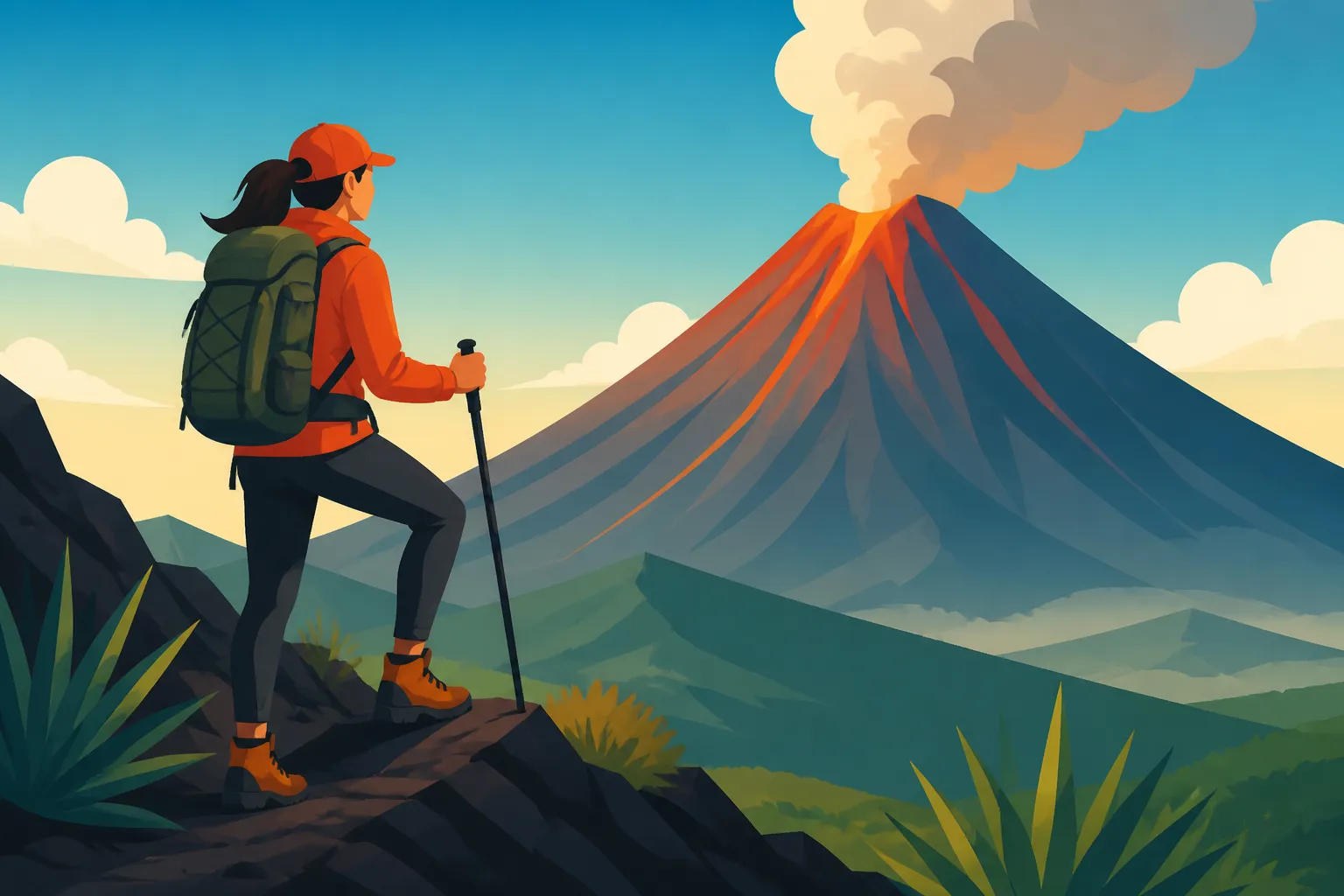
How to Climb or Hike a Volcano in Mexico
For those of us who've been here a while, you know Mexico is so much more than its stunning beaches and vibrant cities. But sometimes, even us seasoned expats need to break away from the everyday routine, from the hustle and bustle, and discover a whole different kind of magic. If you're yearning for an adventure that will literally take your breath away – in more ways than one – then scaling one of Mexico's magnificent volcanoes might just be your next great challenge. This guide will walk you through everything you need to know, from preparation to the peaks, so you can safely experience the awe-inspiring beauty of Mexico's highlands.
Disclosure: This post may contain affiliate links. We may earn a commission at no extra cost to you if you make a purchase through these links. Read full disclosure.
The Call of the Peaks: Why Hike Mexico's Volcanoes?
There's something incredibly humbling and exhilarating about standing on the slopes of a dormant or extinct volcano. It's a stark contrast to the tropical warmth of the coast or the lively chaos of a metropolis, offering a unique perspective on this diverse country. For many of us, it’s about reconnecting with nature, pushing our physical limits, and seeing landscapes few tourists ever glimpse.
Beyond the Beaches: A Different Side of Mexico
Let's be real, after months or even years of soaking up the sun in the Yucatán or exploring the cultural richness of Oaxaca, you might start craving a different kind of adventure. Mexico's central highlands are home to some truly majestic mountains, many of which are volcanoes. These aren't your typical leisurely strolls; they are challenging treks that demand respect, preparation, and a healthy dose of determination. But the payoff? Unforgettable vistas, crisp mountain air, and a profound sense of accomplishment. You’ll be trading your sandals for hiking boots and your ceviche for a hearty mountain meal, and believe me, it’s a refreshing change of pace. It's a fantastic way to experience a cooler climate and see a side of Mexico that often goes overlooked by the average tourist, but is beloved by adventurous locals and long-term residents.
Iconic Volcanoes to Consider for Hiking
When you think of volcanoes in Mexico, "Popocatépetl" often comes to mind – "El Popo," as locals affectionately call it. However, it's crucial to know that Popocatépetl is an active volcano, and for safety reasons, climbing it has been strictly prohibited for years. It's best admired from a distance, perhaps from one of the nearby towns or while driving through the magnificent valleys.
But fear not, there are other incredible peaks that welcome intrepid hikers. The most popular and accessible for climbing include:
- Iztaccíhuatl: Often called "The Sleeping Woman," this majestic peak is Mexico's third-highest mountain. It offers a range of routes, from challenging day hikes to multi-day alpine expeditions, making it a favorite for those aiming for a true high-altitude climb.
- Nevado de Toluca: This is a fantastic option for those looking for a high-altitude experience without the technical demands of Iztaccíhuatl. Its unique crater contains two stunning lakes, Laguna del Sol and Laguna de la Luna, making for incredibly picturesque hikes.
- La Malinche (Malintzin): Situated between Tlaxcala and Puebla, La Malinche is a great "training" volcano. It's relatively accessible, has a clear trail, and its altitude provides an excellent opportunity for acclimatization before attempting higher peaks.
Each of these offers a distinct experience, but all share the common thread of breathtaking natural beauty and a genuine challenge.
Essential Preparations for Your Volcanic Adventure
Hiking a volcano in Mexico isn't like a walk in the park back home; it requires significant planning and respect for the elements. Many an eager expat has underestimated the altitude or weather conditions, leading to an uncomfortable or even dangerous experience. Don't be that person!
Acclimatization and Physical Fitness
This is probably the most critical aspect of any high-altitude hike in Mexico. The air gets thin up there, and your body needs time to adjust. Trying to conquer a 4,000-meter peak directly from sea level is a recipe for severe Altitude Sickness in Mexico: Tips for Adjusting to High Elevations. Trust me, nobody wants to spend their adventure nauseous and with a splitting headache.
Ideally, you should spend at least 2-3 days at an elevation of 2,000-2,500 meters (like Mexico City or Puebla) before attempting anything higher. For truly high peaks like Iztaccíhuatl, a week or more of gradual ascent is recommended. Consider doing a smaller hike like La Malinche first to see how your body reacts.
As for physical fitness, these are strenuous hikes. You'll be gaining significant elevation, often over rugged terrain. Regular cardio, strength training, and prior hiking experience are highly advisable. Don't assume that because you're generally active, you'll be fine. Mountains have a way of humbling even the fittest among us.
Gear, Guides, and Safety
Packing smart is non-negotiable. Mountain weather can change rapidly, from sunny skies to freezing winds and even snow, especially at higher elevations. Layers are your best friend:
- Base layers: Moisture-wicking material.
- Mid-layers: Fleece or down for insulation.
- Outer shell: Waterproof and windproof jacket and pants.
- Footwear: Sturdy, broken-in hiking boots with good ankle support.
- Essentials: Hat, gloves, sunglasses (the sun is intense at altitude), headlamp, sunscreen, lip balm, plenty of water (more than you think you'll need!), high-energy snacks, and a personal Building a First Aid Kit: Essential Medical Supplies for Expats in Mexico for blisters, minor cuts, and pain relief.
For most serious volcano hikes, especially on Iztaccíhuatl, a certified guide is absolutely crucial. These aren't marked trails with rescue teams on standby. Guides know the routes, the weather patterns, and what to do in an emergency. They often provide specialized equipment like crampons and ice axes if conditions require them. You can find reputable local mountain guiding companies through recommendations from fellow expats or by searching online platforms like Viator for local tour operators specializing in mountain excursions. It's an investment in your safety and success.
Before you go, make sure someone knows your itinerary, and consider carrying a satellite communication device if you're venturing far from cell service. Cell coverage in these remote mountain areas can be nonexistent, so relying on your phone for emergencies is a gamble.
Popular Volcanic Hiking Destinations and What to Expect
Let's dive into some of the specific experiences awaiting you on Mexico's most renowned hikeable volcanoes. Each has its own charm, its own challenges, and its own unique rewards.
Iztaccíhuatl: The Sleeping Woman's Embrace
Iztaccíhuatl, meaning "White Woman" in Nahuatl, is a truly magnificent stratovolcano, reaching a formidable 5,230 meters (17,160 feet). It's part of the famous "Paso de Cortés" between Mexico City and Puebla, a historical pass where Hernán Cortés's conquistadors first glimpsed Tenochtitlan.
The most common route for hikers is via La Joya, which you access from the Paso de Cortés. From La Joya, you typically follow the "Los Portillos" route. This is a challenging climb that can take 10-14 hours round trip for experienced hikers, or it can be broken into a multi-day trip with an overnight stay at one of the rustic refuges. The trail involves significant scree slopes, rock scrambling, and, depending on the season, snow and ice fields near the summit. While not technically a rock climb, it requires good physical conditioning and a strong mental game.
The views from Iztaccíhuatl are legendary. On a clear day, you can see the expansive Valley of Mexico, the nearby active Popocatépetl (often puffing smoke, a humbling sight!), and endless mountain ranges. The sense of accomplishment when you reach the "knees" or even the main summit of the Sleeping Woman is unparalleled. Keep in mind that permits are sometimes required, usually a small fee paid to CONANP (Comisión Nacional de Áreas Naturales Protegidas) at the entrance to the national park, so have some small bills ready.
Nevado de Toluca: Hiking to the Crater Lakes
At 4,680 meters (15,354 feet), Nevado de Toluca is Mexico's fourth-highest peak, and it offers a dramatically different experience from Iztaccíhuatl. Located west of Mexico City near the city of Toluca, this dormant volcano is famous for its stunning crater.
The main draw here is hiking around and down to the two pristine lakes within the crater: the larger, turquoise Laguna del Sol and the smaller, emerald Laguna de la Luna. The views are absolutely spectacular, especially on a clear day when the sun illuminates the water. You can hike around the crater rim, which is a strenuous but incredibly rewarding experience, offering panoramic views.
Getting to the crater involves driving a winding, sometimes rough, road (which may be closed to private vehicles on weekends or during certain seasons, requiring you to take a local shuttle or walk the rest of the way). Once at the upper parking area, the trails are relatively well-defined, though they can be steep and rocky. You can descend into the crater to touch the icy cold water of the lakes, or even kayak in them during specific seasons and with proper permits. A word of caution: the weather can be incredibly unpredictable here. I’ve personally experienced sunshine, hail, and strong winds all within an hour. Always check the forecast and bring full waterproof gear. This is a fantastic day trip for those wanting a high-altitude experience without the multi-day commitment of Iztaccíhuatl.
La Malinche: Acclimatization and Views
Often overlooked in favor of its loftier neighbors, La Malinche (also known as Malintzin) is Mexico's fifth-highest peak, standing at 4,461 meters (14,636 feet). Located in a national park near the cities of Puebla and Tlaxcala, it serves as an excellent acclimatization hike or a challenging day trip in its own right.
The most common starting point is the Centro Vacacional Malintzi, a recreational park with cabins and facilities. From there, a well-trodden but continuously ascending trail leads you through pine forests and eventually above the tree line into rocky, exposed terrain. The hike typically takes 6-8 hours round trip, depending on your pace and breaks.
What makes La Malinche so great? For one, it offers stunning 360-degree views from its summit, including clear glimpses of Iztaccíhuatl, Popocatépetl, and Pico de Orizaba (Mexico's highest mountain) on a good day. For another, it's a solid physical challenge without requiring technical climbing skills. It's the perfect place to test your gear, gauge your fitness, and see how you handle the altitude before tackling the bigger mountains. Many climbing groups use La Malinche as a training ground, and you'll often find a friendly, supportive atmosphere on the trails.
Logistics and Accommodations for Your Ascent
Planning the journey to these incredible peaks involves more than just packing your boots. Thinking about how you'll get there and where you'll rest your weary head is just as vital.
Getting There: Transportation Options
Reaching these volcanic areas often requires a bit of logistical planning, as they're usually in national parks or protected areas, not directly served by major public transport hubs.
- Renting a Car: This gives you the most flexibility. You can rent a car at major airports or cities like Mexico City or Puebla. Remember, driving in Mexico can be an adventure in itself, so be prepared for diverse road conditions and ensure you have proper insurance. Many expat communities share tips on Renting a Car in Mexico: Insurance and Driving Tips.
- Private Drivers/Taxis: For groups, hiring a private driver for the day can be a cost-effective and stress-free option. Many local tour companies also offer transportation as part of their guided packages.
- Buses and Local Transport: For the budget-conscious, you can often take long-distance buses to nearby cities. For example, to reach Nevado de Toluca, you could take a Busbud-booked bus to Toluca, and then arrange local transport or a taxi from there. To get to La Malinche, take a bus to Puebla or Tlaxcala and then a local colectivo or taxi. Remember, public transport might not take you directly to the trailhead, so factor in extra time and possibly an additional taxi ride. Getting Around Mexico: Buses, Flights, and Car Hire offers more general tips.
| Volcano Name | Elevation (meters) | Difficulty | Typical Duration | Best For | Closest Major City |
|---|---|---|---|---|---|
| Iztaccíhuatl | 5,230 | Hard | 10-14 hours (day) / 2 days (overnight) | Experienced hikers, high-altitude challenge | Mexico City, Puebla |
| Nevado de Toluca | 4,680 | Moderate-Hard | 6-8 hours (day) | Stunning crater lakes, high-altitude experience | Toluca, Mexico City |
| La Malinche | 4,461 | Moderate | 6-8 hours (day) | Acclimatization, panoramic views, fitness test | Puebla, Tlaxcala |
Staying Overnight: Refuges, Cabins, and Nearby Towns
For multi-day hikes on Iztaccíhuatl, you'll likely utilize one of the mountain refuges (like the Grupo de los Cien refuge at 4,700m). These are basic, unheated shelters, often first-come, first-served, so bring your own sleeping bag, pad, and food. They're more about shelter from the elements than comfort.
For Nevado de Toluca and La Malinche, while it's possible to do them as day trips, staying nearby can enhance the experience and help with acclimatization.
- La Malinche: The Centro Vacacional Malintzi offers cabins and basic accommodations right at the base of the mountain. Booking ahead, especially on weekends, is highly recommended.
- Nevado de Toluca: The closest town is Raíces, which has a few small hotels. Alternatively, staying in Toluca or even Metepec offers more options. You can easily find and book hotels or B&Bs via platforms like Booking.com.
Sometimes, for Iztaccíhuatl, guides will arrange for you to stay in a small hotel or cabaña in a nearby town like Amecameca the night before, allowing for an early start and some extra acclimatization. Always discuss accommodation options with your guide or tour operator when booking your trip.
Final Thoughts on Conquering Mexico's Peaks
Venturing into Mexico's volcanic high country is an incredible way to experience the country's diverse landscapes and challenge yourself in a profoundly rewarding way. Just remember, these aren't tourist traps; they are wild, powerful places that demand respect and thorough preparation. Always prioritize safety, listen to your body, and never underestimate the mountains. With the right planning and a sense of adventure, you'll be treated to some of the most spectacular views and unforgettable experiences Mexico has to offer. So, lace up those boots, pack your layers, and get ready to breathe in that crisp, thin air!
Disclaimer
The information provided in this guide is for general informational purposes only and does not constitute professional advice. While we strive to provide accurate and up-to-date information, conditions in Mexico, especially regarding natural environments and administrative procedures, can change rapidly. Always consult with certified guides, local authorities, and medical professionals before embarking on any strenuous outdoor activity, particularly at high altitudes. Personal safety is paramount; conditions and regulations may vary.