How to Get Around Mexico Without a Car
One of the biggest anxieties I hear from new arrivals is the fear of being "trapped" in a single neighborhood because they don't want to navigate Mexico’s complex driving laws or deal with aggressive traffic. This guide provides a veteran expat’s roadmap to navigating Mexico's world-class bus systems, budget flights, and local transit options to see the country safely and affordably.
Disclosure: This post may contain affiliate links. We may earn a commission at no extra cost to you if you make a purchase through these links. Read full disclosure.
Mastering the Art of Long-Distance Bus Travel
If you are coming from the United States or Canada, your mental image of a "long-distance bus" is likely a grim one involving cramped seats and questionable rest stops. Forget everything you know. In Mexico, the bus is king, and the "Executive" or "First Class" levels are more akin to a business-class flight than a standard coach. I remember my first trip from Mexico City to Oaxaca; I was braced for a grueling journey, only to find myself in a reclining plush leather seat with my own personal entertainment screen and a snack pack handed to me upon boarding.
Mexico's bus network is divided into several tiers. The top-tier lines, like ETN or Primera Plus, offer seats that recline nearly flat, Wi-Fi that actually works (most of the time), and individual climate controls. For travelers looking to explore the Yucatán, ADO is the dominant force. Understanding the logistics of these stations is the first hurdle. Most major cities have multiple terminals—for instance, in Mexico City, you must know whether your bus departs from the Norte, Taxqueña, TAPO, or Observatorio station. Showing up at the wrong one can mean a two-hour cross-town trek that will definitely cause you to miss your departure.
When it comes to logistics, I always recommend booking in advance, especially during "puentes" (long holiday weekends) or the Christmas and Easter seasons. While you can buy tickets at the window, using a platform like Busbud allows you to compare different lines and schedules in English without the stress of a language barrier at a busy ticket counter. It also ensures you get a seat on the "Directo" routes, which skip the dozens of small-town stops that can turn a four-hour trip into an eight-hour odyssey. To get the most out of your journey, learn How to Buy ADO Bus Tickets in Mexico before you head to the terminal.
Decoding Urban Mobility: Apps, Taxis, and the Metro
Once you arrive in a new city, the "last mile" of your journey begins. In big metros like Mexico City, Guadalajara, or Monterrey, you are spoiled for choice, but each comes with its own set of cultural nuances. The most important rule for any expat or tourist: never hail a "Libre" (street taxi) in a major city if you can avoid it. While many are perfectly fine, the risk of overcharging or "scenic routes" is high for foreigners.
Instead, ride-hailing apps are your best friend. Uber is ubiquitous, but Didi is often cheaper and sometimes has better coverage in smaller cities. These apps provide a digital paper trail and a fixed price, which eliminates the awkwardness of haggling in broken Spanish. However, keep in mind that in some areas, particularly near airport exits or in parts of Cancun and the Riviera Maya, there is significant friction between app drivers and the local taxi unions. Always check where your designated pickup point is. For a deeper dive into the safety aspects of this, read our guide on How to Use Uber and Ride-Hailing Safely in Mexico.
If you’re in the capital, the Metro is a marvel of efficiency, if a bit overwhelming during rush hour. It is one of the cheapest transit systems in the world. I’ve found that the key to surviving the CDMX Metro is avoiding the peak hours of 7:00 AM to 9:00 AM and 6:00 PM to 8:00 PM. Outside those times, it’s a fascinating, fast way to cross the city. For those staying in neighborhoods like Roma or Condesa, the Metrobús—a bus rapid transit system with its own dedicated lanes—is often more pleasant and offers great views of the city's architecture. You can find more specific tips in our guide on How to Use the Mexico City Metro as a First-Time Visitor.
| Transport Mode | Best For | Comfort Level | Budget |
|---|---|---|---|
| Executive Bus (ETN/Plus) | Long distances (4-10 hours) | Extremely High | Moderate ($30 – $80 USD) |
| First Class Bus (ADO) | Regional travel | High | Low – Moderate ($15 – $40 USD) |
| Colectivo / Combi | Short hops between towns | Low (Cramped) | Very Low ($1 – $3 USD) |
| Domestic Flights | Cross-country (e.g., Tijuana to Cancun) | Moderate | Variable ($40 – $150 USD) |
| Metro / Metrobús | City center navigation | Low to Moderate | Extremely Low (< $1 USD) |
Regional Connectivity through Colectivos and Combis
For many expats living in coastal areas or smaller "Pueblos Mágicos," the real backbone of transport isn't a fancy bus but the humble colectivo. These are typically white passenger vans (often Nissan Urvans) that run set routes between towns. They don't have a formal schedule; they simply leave when they are full.
The first time I used a colectivo to get from Playa del Carmen to a local cenote, I was confused by the lack of signage. Here is the secret: you simply stand on the side of the main highway or at a designated "sitio" and look for a van with the name of your destination painted on the windshield. A quick wave of the hand brings them to a halt. You pay the driver (in small pesos, please!) when you get out. It is the ultimate local experience and remarkably efficient. For those navigating the Caribbean coast, knowing How to Get From Cancún Airport to Playa del Carmen or Tulum using these methods can save you a fortune compared to private transfers.
Living the "car-free" life in Mexico also means embracing the walkability of colonial centers. When searching for accommodation on Booking.com, I always filter for a high "walk score" or proximity to the "Centro Histórico." Most Mexican cities were designed long before cars existed, meaning the best markets, cathedrals, and plazas are tightly clustered. You might find that once you are in a city like San Miguel de Allende or Mérida, your own two feet are the only transport you truly need. Just be mindful of the heat and the uneven cobblestones; a good pair of walking shoes is more valuable than a rental car here.
When to Fly: Navigating the Low-Cost Carrier Maze
Mexico is a massive country—larger than many people realize. If you need to get from the culinary heart of Oaxaca to the tech hubs of Guadalajara or the beaches of Baja, a 20-hour bus ride might lose its charm. This is where Mexico's budget airlines—Volaris and VivaAerobus—come into play. They have transformed travel for locals and expats alike, often offering fares that are cheaper than a first-class bus ticket.
However, these airlines operate on a strict "unbundled" pricing model. The base fare you see online usually only includes a tiny personal item (like a small backpack). If you try to board with a standard carry-on suitcase without paying the "M" or "L" tier fare, you will be hit with a massive gate fee. I’ve seen many frustrated tourists arguing at the gate because they didn't read the fine print. Always book your luggage online in advance. For more tips on navigating these carriers, check out Domestic Flights in Mexico: Airlines and Booking Tips.
When you arrive at a new airport, don't forget that many major hubs now have "authorized taxi" stands where you pay a fixed rate at a kiosk inside the terminal. This is often the safest and most reliable way to get to your hotel or rental without worrying about being overcharged. If you are traveling as part of a larger group or want a more curated experience for a day trip, booking a private driver or a guided tour through Viator can be a great way to bridge the gap between public transit and the convenience of a car, especially for hard-to-reach spots like How to Visit Teotihuacán From Mexico City.
Logistics, Safety, and the "Social" Side of Transit
Navigating Mexico without a car requires a slight shift in mindset. You have to be okay with a bit of "Mexican time"—the bus might leave ten minutes late, or the colectivo might take twenty minutes to fill up. Use this time to observe the local culture. Public transit is where you'll see the real Mexico: the vendors selling "nuez" (nuts) and "alegrías" (amaranth sweets), the street performers, and the everyday rhythm of life.
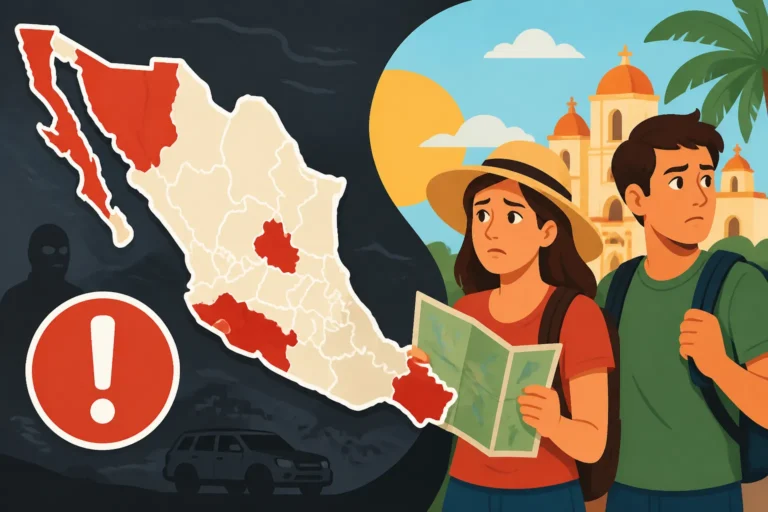
Safety is, of course, a valid concern. For long-distance travel, "Luxury" and "First Class" buses almost always use the "Cuotas" (toll roads), which are significantly safer and better maintained than the "Libres" (free roads). Most lines now have security checkpoints where they film the passengers or check bags before boarding. At the station, keep your luggage in your sight or use the "Guarda Equipaje" (luggage lockers) if you have a long layover.
Finally, remember that you don't have to do it all alone. The expat community in Mexico is incredibly helpful. Whether you are wondering about the best bus route or Is Street Food Safe to Eat in Mexico? near a particular station, local Facebook groups and WhatsApp chats are goldmines of real-time information. Don't be afraid to ask for help; most Mexicans are incredibly proud of their transit systems and will go out of their way to ensure you find the right platform. And if you're ever in doubt about tipping the porter who helps with your bags at the bus station, our guide on How Much Should You Tip in Mexico? has you covered.
Disclaimer
This guide is for informational purposes only. Transportation schedules, prices, and safety conditions in Mexico can change rapidly. Always verify current routes and regulations with local authorities or official transport providers before beginning your journey. Travel at your own risk and stay aware of your surroundings.