Which Areas of Mexico Should Tourists Avoid?
One of the biggest anxieties I hear from friends and family considering a trip to Mexico, or even thinking of moving here, revolves around safety. The headlines can be terrifying, painting a picture of a country overrun by violence. But as anyone who has actually lived here will tell you, Mexico is vast, varied, and the reality on the ground is far more nuanced than what often gets reported. This guide isn't here to scare you, but to provide an honest, realistic look at which specific areas tourists should approach with extra caution, or perhaps avoid altogether, so you can make informed decisions and enjoy your visit safely.
Disclosure: This post may contain affiliate links. We may earn a commission at no extra cost to you if you make a purchase through these links. Read full disclosure.
Understanding the Nuance of Safety in Mexico
Before we dive into specific regions, it’s crucial to understand that Mexico is a massive, diverse country, roughly one-fifth the size of the United States. To paint it all with one broad brushstroke of "safe" or "unsafe" is not only inaccurate but also incredibly unhelpful. Think of it like this: would you avoid visiting New York City because there are high crime rates in certain neighborhoods of Chicago or Los Angeles? Probably not. The same logic applies here.
Mexico Isn't a Monolith: Local Realities Vary Wildly
I've been living in Mexico for years now, and the contrast between my quiet, charming neighborhood in a central highland city and, say, a bustling border town or an area known for cartel conflicts couldn't be starker. Most of the places tourists frequent – the beautiful beaches of the Riviera Maya, the vibrant cultural hubs like Mexico City, Oaxaca, or San Miguel de Allende, the charming colonial towns – generally prioritize tourist safety and have a very different day-to-day reality than the areas often highlighted in sensational news reports. These tourist zones are economically vital, and local governments and businesses work hard to keep them secure.
However, it's also true that Mexico faces significant challenges, particularly related to organized crime and drug trafficking. These issues are complex and often localized, but they can spill over into areas that might seem otherwise tranquil. Understanding the why behind a safety advisory, rather than just the what, helps you make better choices. It's not about being paranoid, but being prepared and aware.
Media Portrayals vs. On-the-Ground Reality
The news cycle, especially in foreign media, tends to focus on the most dramatic and violent incidents. While these events are tragic and real, they often occur in very specific contexts or locations that tourists are unlikely to encounter. For instance, a cartel shootout might happen in a remote area far from any tourist zone, but the headline might make it sound like it happened right on a popular beach. This disconnect between media portrayals and the lived experience of expats and frequent travelers is significant.
My own experience, and that of countless other expats, is that daily life in Mexico is generally safe and incredibly welcoming. The vast majority of Mexicans are warm, friendly, and helpful. The key is to exercise common sense, stay informed, and avoid putting yourself in risky situations, just as you would in any unfamiliar place in the world. Being alert, respecting local customs, and not drawing unnecessary attention to yourself are universal principles for staying safe, whether you're in Mexico, Miami, or Milan.
High-Risk Areas: The Official Advisories and Why
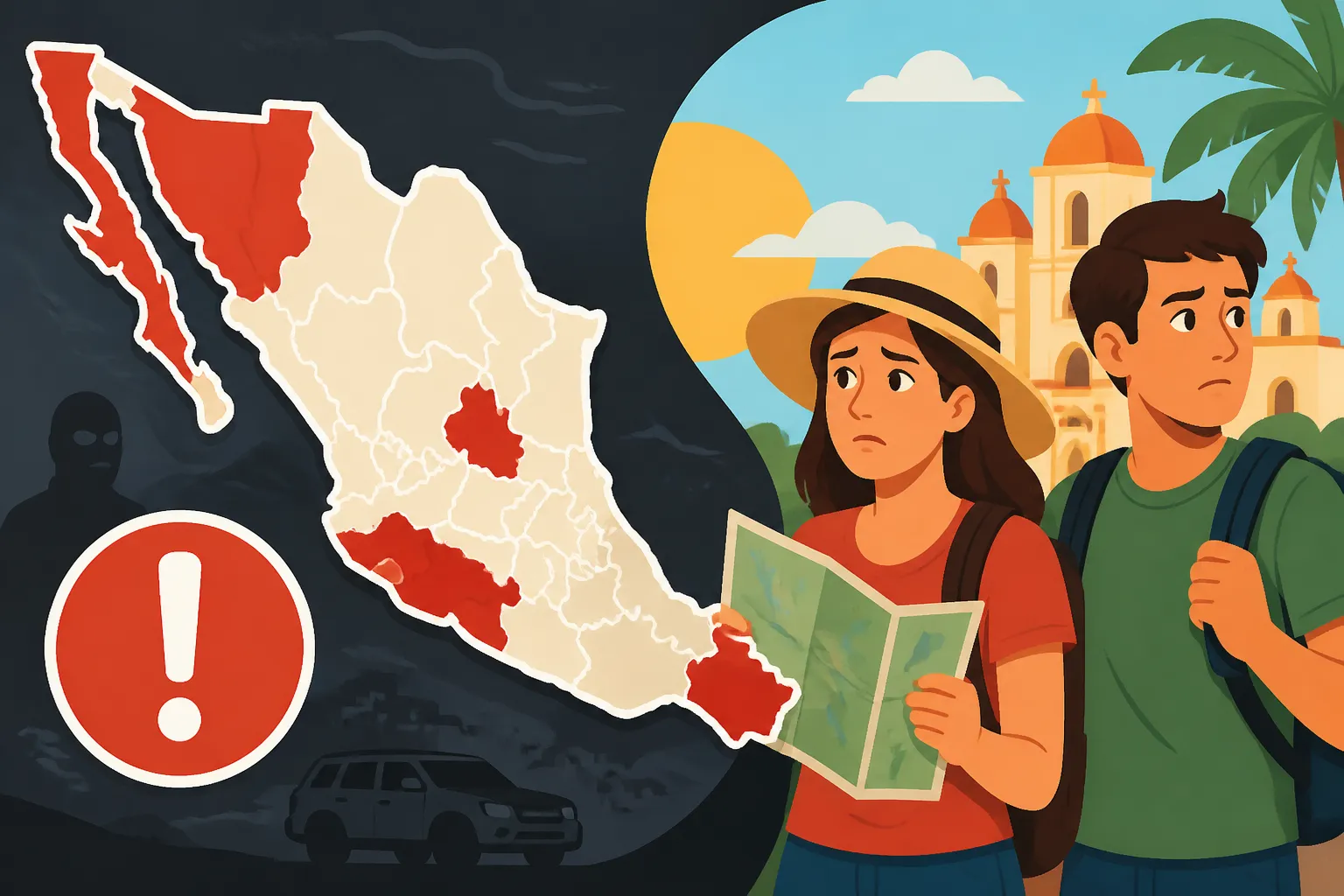
When talking about areas to avoid, it's always best to start with official government travel advisories from countries like the United States, Canada, and the United Kingdom. These advisories are often conservative, sometimes overly so from an expat's perspective, but they provide a baseline for understanding higher-risk regions. They typically categorize states or regions based on observed levels of crime and violence, often specifically mentioning organized crime activity.
States with "Do Not Travel" Advisories
These are the areas that governments advise their citizens to avoid entirely due to a high threat of crime and violence, particularly related to organized crime. While even within these states, there might be small pockets that locals consider safer, the general recommendation is to steer clear.
Colima
This Pacific Coast state often tops the "Do Not Travel" list. While its port city, Manzanillo, is a significant economic hub and has tourist infrastructure, the surrounding areas and the state in general have seen intense cartel-related violence. This includes homicides, disappearances, and clashes between criminal groups. It’s not about tourists being targeted, but about the very real risk of being in the wrong place at the wrong time amidst ongoing conflict. Even traveling through the state can carry risks.
Guerrero
Historically, parts of Guerrero, especially the areas outside of major tourist destinations, have been notorious for high levels of violence, kidnappings, and extortion. Acapulco, once a glamorous international hotspot, has struggled significantly with crime. While places like Ixtapa and Zihuatanejo on the Costa Grande are active tourist destinations and generally have a stronger security presence, even these areas can see crime directly or indirectly related to ongoing conflicts. The state's rugged terrain and economic challenges contribute to its complex security situation. If you do consider visiting Ixtapa/Zihuatanejo, meticulous research and sticking to well-trodden tourist areas are essential, and even then, understand the risks.
Michoacán
Michoacán is another state with beautiful colonial cities like Morelia and Pátzcuaro, and rich cultural traditions, but it has also been severely affected by organized crime. Various criminal groups vie for control, leading to frequent clashes, roadblocks, and extortion. While major tourist centers like Morelia might feel relatively safe, traveling outside these cities, especially into rural areas or on certain highways, can be dangerous. The risks include violent crime, carjacking, and kidnappings. It's a real shame, as the state offers so much culturally, but the underlying security issues make it a difficult recommendation for most tourists without extensive local knowledge and connections.
Sinaloa
This northwestern state is widely known as a stronghold for one of Mexico's most powerful drug cartels. While Mazatlán, a popular coastal city, often receives a slightly different advisory (sometimes "Reconsider Travel"), the rest of Sinaloa is consistently flagged for extreme caution. The risks are high for violent crime, including homicides, kidnappings, and forced disappearances. Tourists are rarely the target of cartel violence, but the sheer volume of conflict makes it an incredibly risky place to visit, particularly in non-tourist areas.
Tamaulipas
Located along the U.S. border, Tamaulipas faces severe security challenges due to intense cartel activity, human trafficking, and migrant smuggling. Cities like Matamoros, Reynosa, and Nuevo Laredo are frequently sites of violent clashes, shootouts, and other serious crimes. The risks of kidnapping, carjacking, and extortion are elevated. For tourists, this state is almost universally advised against, even for transit. There are simply no compelling tourist attractions that outweigh the significant dangers in this region.
Zacatecas
In recent years, Zacatecas has seen a worrying increase in violence, fueled by clashes between rival cartels. What was once a relatively peaceful colonial state, with its stunning capital city of the same name, has become a battleground. Homicides, extortions, and vehicle thefts have risen dramatically. While the beautiful historic center of Zacatecas city might still attract some visitors, the general consensus is that the overall security situation in the state is too volatile for casual tourism.
States with "Reconsider Travel" Advisories
These states have elevated risks due to crime and violence, but not to the extent of a full "Do Not Travel" advisory. For these regions, specific areas or activities might be highlighted as particularly risky, while others are considered safer with increased caution. It means you can often visit, but you need to be highly vigilant and stick to established tourist zones.
Jalisco
Jalisco is a huge and important state, home to Guadalajara, Mexico's second-largest city, and the popular Pacific resort town of Puerto Vallarta. Both of these destinations are generally considered safe for tourists. However, much of the rest of the state, particularly rural areas and regions bordering Michoacán, has seen significant organized crime activity, including roadblocks and confrontations. If you're staying in Puerto Vallarta, stick to the main areas. If exploring Guadalajara, be aware of your surroundings, especially at night. It's important to remember that the criminal activity is often concentrated in specific areas that are not typically frequented by tourists. Still, always keep an eye on current local news and advisories. Need to figure out how to get around in Jalisco? Our guide to Getting Around Mexico: Buses, Flights, and Car Hire can offer insights.
Guanajuato
This central highland state is beloved by expats and tourists for its beautiful colonial cities like San Miguel de Allende and Guanajuato City. These cities generally feel very safe and are packed with visitors. However, the state of Guanajuato has also experienced a significant increase in violence, primarily related to fuel theft ("huachicoleo") and clashes between criminal groups in industrial and rural areas. This violence rarely affects the well-patrolled tourist zones directly, but it's a reminder to be aware of the broader context. When visiting places like San Miguel or Guanajuato City, enjoy the charm, but avoid venturing into unknown neighborhoods, especially after dark. Always use reputable transportation, whether it's a taxi or a ride-hailing app like Uber. Speaking of which, our guide on Taxis, Uber, and Ride-Hailing in Mexico has useful tips.
Sonora
Sharing a long border with the U.S., Sonora is a major transit route for drugs and undocumented migrants, which brings with it associated violence. Border cities like Nogales and San Luis Río Colorado, as well as parts of the highway system, can be dangerous due to cartel activity and human smuggling operations. While places like San Carlos and Puerto Peñasco are popular with tourists and snowbirds from the U.S. and typically have fewer issues, visitors should exercise extreme caution when traveling by road through the state, especially outside these tourist enclaves.
Chihuahua
This northern state is home to Ciudad Juárez, a city that has historically struggled with extremely high crime rates, though significant efforts have been made to improve security. The state also encompasses vast rural areas, including parts of the Copper Canyon, which attracts adventurous travelers. However, some areas, particularly near the border and drug trafficking routes, are prone to violence. If planning to visit the Copper Canyon, ensure you are using well-established tour operators and understand the routes they take. Avoid self-driving through known problematic areas.
Baja California
The Baja California peninsula is a popular destination, particularly for visitors from the United States, given its proximity. Cities like Tijuana and Rosarito are vibrant border towns, and Los Cabos at the southern tip is a major luxury resort destination. While tourist areas in these cities usually maintain a strong security presence, the state overall has seen high rates of homicides and other violent crimes, often related to organized crime activities and local drug sales. When visiting, stick to well-traveled areas, avoid isolated spots, especially at night, and be discreet. Our guide to Mexico Travel Safety by Region: What to Know has more specific details on regional safety.
Areas to Exercise Increased Caution Beyond the Obvious
Even in states generally considered safe, there are nuances. No place is 100% crime-free, and some situations inherently carry more risk. It's about being street-smart and recognizing potential pitfalls, rather than avoiding an entire region.
Specific Neighborhoods in Major Cities
Just like any large city in the world, Mexico's major urban centers have their share of neighborhoods you might want to avoid, especially after dark. Mexico City, for example, is incredibly safe in its main tourist and expat areas like Roma, Condesa, Polanco, and Centro Histórico during the day. However, straying into certain peripheral colonias (neighborhoods) can expose you to higher rates of petty crime or even more serious issues. Always research the specific areas you plan to visit, and if a neighborhood feels "off," trust your instincts and leave. Ask hotel staff or trusted locals for advice on areas to avoid.
Guadalajara, Monterrey, and other large cities have similar dynamics. While the city centers and affluent districts are usually well-patrolled and safe, venturing aimlessly into unfamiliar or poorly lit areas, particularly late at night, is never a good idea. This isn't unique to Mexico; it's a basic rule of urban travel.
Isolated Beaches and Rural Roads
Mexico boasts an incredible coastline, with countless stunning, secluded beaches. While the idea of a deserted paradise sounds appealing, isolated areas can also be places where you're more vulnerable. Without crowds or regular patrols, there's less oversight. If you visit a secluded beach, try to go during the day, don't go alone, and be mindful of your belongings.
Similarly, driving on rural roads, especially at night, can present risks beyond just potholes. Some less-traveled highways, particularly in states with higher crime rates, have been known for carjackings or other roadside incidents. When planning a road trip, always check recent travel advisories for your specific route, stick to toll roads (known as cuotas), which are generally safer and better maintained, and avoid driving after dark. Our comprehensive guide on Renting a Car in Mexico: Insurance and Driving Tips provides further valuable insights for navigating Mexico by car. For longer distances, often taking a premium bus service like ADO is a much safer and more comfortable option. You can often book these through services like Busbud.
Areas Near Social or Political Unrest
Occasionally, certain regions in Mexico experience social or political protests, roadblocks, or demonstrations. While these are usually peaceful, they can sometimes escalate or cause significant disruptions, blocking roads and isolating communities. Oaxaca, for instance, known for its rich indigenous culture, has seen periods of social unrest, particularly on major highways surrounding the city. Before traveling to more remote or historically contentious regions, it’s always wise to check local news for any reports of protests or blockades that could affect your travel plans. Your hotel or tour operator might have the most up-to-date information.
Common Tourist Scams and Dangers (Regardless of Location)
Even in the safest parts of Mexico, tourists can fall victim to common scams or petty crime. These aren't region-specific but are general concerns to be aware of wherever you travel. Being informed is your best defense.
Petty Crime: Pickpocketing and Bag Snatching
Like any popular tourist destination worldwide, Mexico's bustling markets, crowded public transport, and popular attractions can be hotspots for pickpockets and bag snatchers.
- Be aware of your surroundings: Don't walk with your phone out and visible, especially in crowded areas.
- Secure your belongings: Wear a cross-body bag or a money belt under your clothes. Keep wallets in front pockets. Never leave your bag unattended.
- Avoid flashing cash or expensive items: Try to be discreet when paying for things.
- Be cautious in crowded situations: Distraction tactics are common. Someone might "accidentally" bump into you while another person goes for your wallet.
These are simple precautions, but they go a long way in preventing you from becoming an easy target.
Taxi Scams and Ride-Share Issues
While ride-sharing apps like Uber are widely available in many Mexican cities and generally safer and more reliable than street taxis, issues can still arise.
- Taxis: Always use sitio (stationed) taxis or radio-dispatched cabs, especially at airports or bus stations, rather than hailing one off the street, particularly at night. Negotiate the fare before getting in, or ensure the meter is used. There are instances where drivers might try to overcharge or take longer routes.
- Ride-Share: Verify the license plate, car model, and driver's name match the app before getting into an Uber or Didi. Some drivers might try to start the trip before you're in the car or demand cash despite the app showing a different payment method. Always follow safety protocols within the app.
For more detailed advice, our guide on Taxis, Uber, and Ride-Hailing in Mexico is an excellent resource.
ATM Skimming and Credit Card Fraud
Financial scams are a global issue, and Mexico is no exception. ATM skimming devices, which steal your card information, can be present, especially on standalone ATMs in less secure locations.
- Use ATMs inside banks: These are generally safer.
- Check the ATM carefully: Wiggle the card reader, look for anything unusual around the slot or keypad.
- Cover your hand when entering your PIN.
- Avoid street vendors asking to swipe your card on their personal devices.
- Monitor your bank statements for suspicious activity after your trip.
Always be vigilant about your financial transactions. You can also explore our article on Money for Travel in Mexico: Cash, Cards, and ATMs for more tips on safe money handling.
Drug-Related Incidents and Scams
While Mexico's drug laws can be less strict for possession of small amounts of certain substances compared to some countries, engaging with illicit drugs is always risky. Organized crime controls drug distribution, and getting involved, even casually, can lead to serious legal trouble or put you in dangerous situations. Tourists have been targeted by criminals posing as police or involved in drug-related shakedowns. It's best to avoid any involvement with drugs entirely.
Over-Tourism Issues
In extremely popular tourist destinations, especially on the Caribbean coast (Cancún, Playa del Carmen, Tulum), the sheer volume of visitors can sometimes lead to increased petty crime or situations where tourists are specifically targeted because they are perceived as wealthy. While these areas are generally safe, be extra mindful of your belongings in crowded spots and late-night entertainment districts.
How to Stay Safe: Proactive Measures for Travelers
Being aware of potential dangers shouldn't stop you from experiencing the incredible beauty and culture of Mexico. Instead, it should empower you to travel smarter and safer.
Research Current Official Advisories
Before and during your trip, always check the latest travel advisories from your home country's government. The U.S. State Department, Global Affairs Canada, and the UK's Foreign, Commonwealth & Development Office (FCDO) are good resources. While they might be conservative, they offer valuable state-by-state information and sometimes specific warnings for certain areas. Remember, advisories can change, so a quick check before you depart and periodically during your travels is a good habit.
Practice Situational Awareness
This is perhaps the most important tip. Pay attention to your surroundings, the people around you, and how a situation feels.
- Don't walk around distracted by your phone or headphones, especially in busy or unfamiliar areas.
- Trust your gut instinct: If a street, person, or situation feels unsafe, remove yourself from it.
- Avoid walking alone at night, particularly in poorly lit or deserted areas.
- Be especially cautious after consuming alcohol: You're more vulnerable when your judgment is impaired.
Avoid Flashing Wealth
Looking like an obvious target can increase your chances of being a victim of petty crime.
- Dress down: Leave expensive jewelry at home. Dress comfortably and casually.
- Be discreet with electronics: Avoid openly displaying expensive cameras, laptops, or large amounts of cash. If you need to use your phone for directions, duck into a shop or restaurant.
- Don't carry all your valuables: Leave passports, extra cash, and credit cards locked in your hotel safe. Carry only what you need for the day.
Use Reputable Transportation
For airport transfers, intercity travel, and local excursions, choosing safe transportation is key.
- Intercity Buses: Mexico has an excellent network of comfortable and safe long-distance buses. Companies like ADO offer first-class service on many routes. Using these is often safer than driving yourself, especially on longer journeys. You can often book tickets easily online via platforms like Busbud.
- Ride-Sharing Apps: In major cities, Uber and Didi are generally reliable. Always confirm the driver and vehicle details.
- Authorized Taxis: At airports, bus stations, and hotels, use official sitio taxis with clear markings. Avoid unmarked cabs or those aggressively soliciting fares.
Our article on How to Get Around Mexico Without a Car offers a more detailed look at your transportation options.
Inform Someone of Your Itinerary
Whether it's a family member back home or a friend traveling with you, make sure someone knows your general plans. If you're going on a hike, diving trip, or exploring a remote area, tell someone where you're going and when you expect to return. This simple step can be crucial in an emergency.
Learn Basic Spanish Phrases for Emergencies
While many people in major tourist areas speak English, having some basic Spanish phrases for emergencies can be invaluable. Knowing how to ask for help, explain you're lost, or describe a problem can make a huge difference.
- "¡Ayuda!" (Help!)
- "¿Dónde está la policía/hospital?" (Where is the police/hospital?)
- "Estoy perdido/a." (I'm lost.)
- "Me robaron." (I was robbed.)
Even a few key phrases can bridge a critical communication gap.
Consider Travel Insurance
While it won't prevent crime, good travel insurance is a safety net for many unforeseen circumstances, including medical emergencies, theft of belongings, or even needing emergency evacuation. Before your trip, investigate different policies and ensure you have adequate coverage for your specific travel plans. Our article on Travel Insurance for Trips to Mexico can help you navigate this important decision.
Essential Safety Tips for Mexico
| Safety Measure | Description | Why it Matters |
|---|---|---|
| Research Advisories | Check official government travel warnings for Mexico and specific states. | Provides a baseline understanding of regional risks. |
| Situational Awareness | Stay alert, observe your surroundings, and trust your instincts. | Helps you avoid potential threats and react quickly to unsafe situations. |
| Discreet Conduct | Avoid flaunting wealth (jewelry, expensive electronics, large amounts of cash). | Reduces your appeal as a target for petty crime. |
| Secure Valuables | Use hotel safes, wear cross-body bags, keep wallets in front pockets. | Prevents theft of important documents and money. |
| Reputable Transport | Opt for authorized taxis (sitios), ride-sharing apps (Uber, Didi), or premium buses. | Minimizes risks of scams, overcharging, or unsafe drivers. |
| Avoid Night Driving | Limit road travel to daylight hours, especially on rural or unfamiliar roads. | Reduces risk of accidents, breakdowns in isolated areas, or roadside crime. |
| Inform Someone | Share your itinerary and check-in times with a trusted person. | Ensures someone knows your whereabouts in case of emergency. |
| Basic Spanish Phrases | Learn key phrases for asking for help, directions, or reporting issues. | Facilitates communication in urgent situations. |
| Stay Hydrated & Aware | Be mindful of food and water safety, and responsible alcohol consumption. | Prevents common travel illnesses and keeps you alert. |
| Avoid Isolated Areas | Steer clear of unpopulated beaches, dark streets, or unknown neighborhoods. | Reduces vulnerability to crime when no one else is around. |
Final Thoughts: Mexico is Worth It
I know that reading about areas to avoid and safety precautions can feel daunting, but please don't let it overshadow the incredible experiences Mexico has to offer. For every cautionary tale, there are thousands of positive, heartwarming, and unforgettable travel stories. Mexico is a country of immense beauty, rich history, vibrant culture, and some of the warmest people you'll ever meet.
The goal here isn't to deter you, but to equip you with realistic, practical knowledge so you can travel confidently and responsibly. Most visitors to Mexico have wonderful, trouble-free trips. By understanding the nuances of safety, researching your destinations, and implementing common-sense precautions, you can minimize risks and truly enjoy the magic of this remarkable country. So, do your homework, pack smart, and get ready for an adventure. ¡Buen viaje!
Disclaimer
The information provided in this guide is for general informational purposes only and is based on general knowledge, current events, and common travel advisories. Security situations in any country can change rapidly and unexpectedly. While every effort has been made to provide accurate and up-to-date information, the author and publisher cannot guarantee its absolute accuracy, completeness, or suitability for any particular purpose. Travelers are strongly advised to consult official government travel advisories from their home country, local news sources, and exercise personal judgment and caution when making travel decisions. Your safety is ultimately your responsibility.