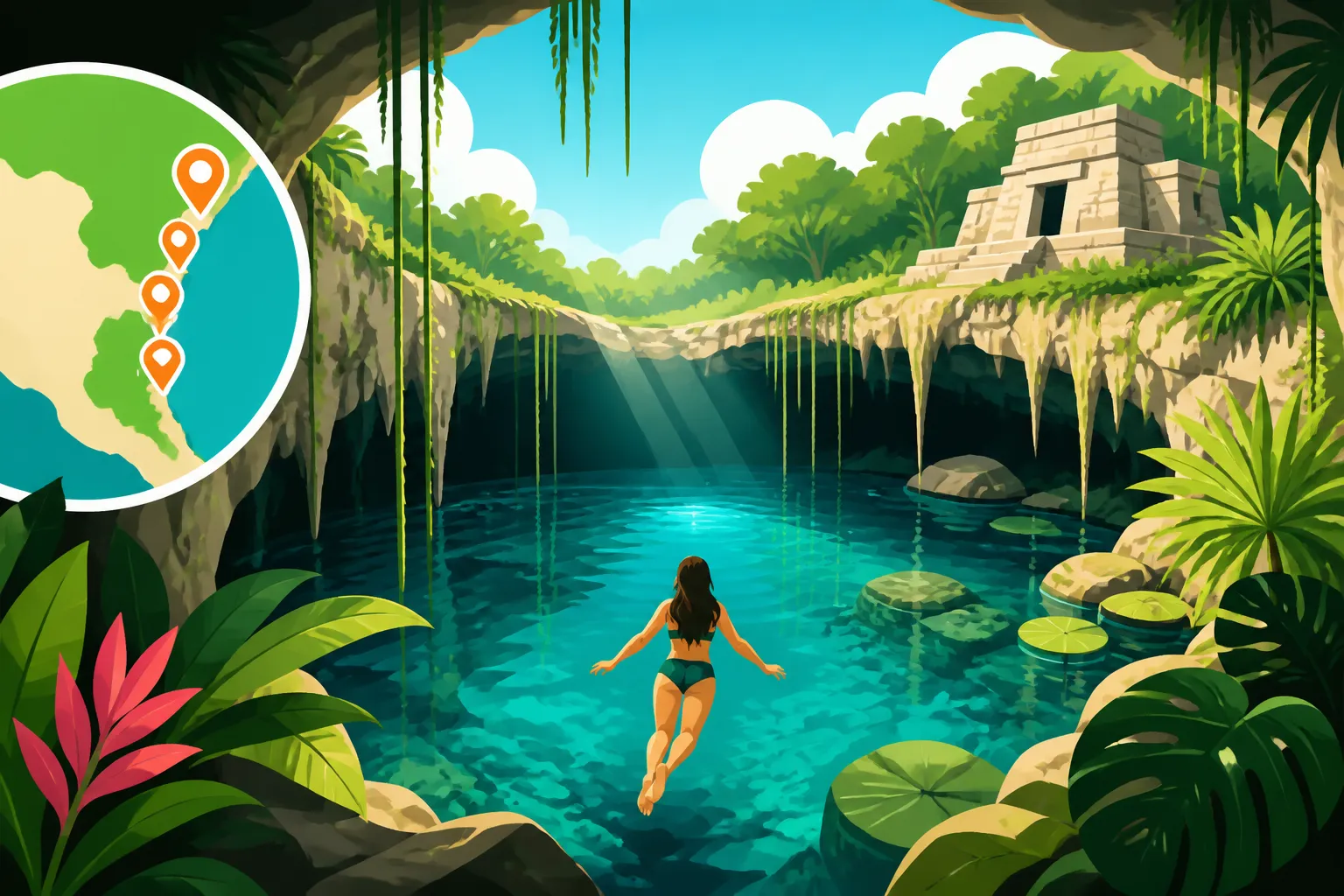
What Are the Best Cenotes Near Tulum?
Stepping into the Yucatán Peninsula, you're immediately hit with the vibrant energy of Mexico, but nothing quite prepares you for the sheer magic and mystery of its cenotes. While Tulum offers stunning beaches and ancient ruins, the sheer number of these natural sinkholes can be utterly overwhelming, leaving you wondering which ones are truly worth your precious vacation time. This guide is here to cut through the noise, helping you pinpoint the absolute best cenotes near Tulum, tailored to whatever experience you’re craving.
Disclosure: This post may contain affiliate links. We may earn a commission at no extra cost to you if you make a purchase through these links. Read full disclosure.
Decoding the Cenote Phenomenon: What Makes Them Special Near Tulum?
If you’ve heard the word "cenote" thrown around a lot since you started planning your trip to Mexico, but aren't entirely sure what it means beyond "swimming hole," let me tell you, it's so much more. Cenotes are natural sinkholes, a window into a vast underground river system that crisscrosses the Yucatán Peninsula. Formed when limestone bedrock collapses, these geological wonders expose crystal-clear groundwater, creating breathtaking swimming, snorkeling, and diving spots. Near Tulum, they’re particularly abundant and diverse, ranging from open-air pools shimmering under the sun to deep, dark caverns adorned with stalactites and stalagmites.
The Geological Marvels and Ancient Significance
Imagine this: millions of years ago, this entire region was underwater. When the sea receded, a porous limestone platform was left behind. Rainwater, slightly acidic, began to seep through this rock, slowly dissolving it and creating an intricate network of underground caves and rivers. Over time, some of these cave roofs collapsed, opening up the cenotes we see today. These aren't just pretty spots; they were sacred to the ancient Maya, who considered them gateways to the underworld, a source of fresh water, and a place for rituals and offerings. You’ll often hear stories and feel a special energy in these places, a deep connection to the land and its history.
This unique geology means that each cenote offers a distinct experience. You might find a sprawling, shallow pool perfect for a leisurely float, or a cavern with intricate rock formations where sunlight streams through a single opening, illuminating the impossibly blue water. This diversity is precisely why Tulum is such a prime location; within a short drive, you can explore several vastly different cenotes, each with its own charm and allure.
Why Tulum is the Ultimate Cenote Hub
Tulum, with its bohemian vibe, ancient ruins, and stunning Caribbean coastline, serves as the perfect base for cenote exploration. The region around Tulum is a hotspot for some of the most famous and well-preserved cenotes in Mexico. Unlike areas further north, many cenotes here still feel a bit more wild and untouched, though some have certainly developed into well-managed parks. The roads leading to them are generally good, and many can be reached by a short taxi ride, colectivio (shared van), or even bicycle if you're staying close by. The proximity allows you to combine a cenote visit with a trip to the beach, a walk through the Tulum ruins, or a delicious meal in town, making for a truly memorable day.
When you’re planning your trip, you’ll find that many tour operators, often easily booked through platforms like Viator, offer guided experiences that bundle transport and entry to several cenotes, which can be a convenient option if you prefer a hassle-free day.
The Crown Jewels: Top Cenotes for Every Experience Level
Let's dive into the specifics! With so many options, I've broken down some of the best cenotes near Tulum based on what kind of experience you're seeking.
Family-Friendly and Easy Access Cenotes
When you're traveling with little ones, or just prefer a relaxed swim without too much fuss, these cenotes are ideal. They usually have good facilities, shallower areas, and easy entry/exit points.
Gran Cenote:
Just a short drive from Tulum, Gran Cenote lives up to its name – it’s a grand experience indeed. It’s a semi-open cenote, offering a delightful mix of open-air swimming areas and intriguing cave sections. The water is incredibly clear, teeming with small fish and turtles, which is always a hit with kids (and adults!). There are wooden walkways and steps that make access easy, and you can swim between the different sections.
The open areas are perfect for soaking up some sun and enjoying the natural light, while the cavern sections offer a glimpse into the magical underground world with stalactites hanging overhead. It’s well-maintained, has decent restrooms, and snorkel gear is often available for rent. Gran Cenote can get quite busy, especially in the late morning, so aim to go early if you want to experience its serene beauty with fewer crowds. It's often included in many The Yucatán Peninsula: Beaches, Ruins, and Cenotes itineraries, so expect it to be a popular stop.
Cenote Azul:
Okay, while Cenote Azul is technically a bit closer to Playa del Carmen, it’s still easily accessible from Tulum and an absolute gem for families. This is a large, open-air cenote that feels more like a natural swimming pool. The water is stunningly blue (hence the name!) and crystal clear, with varying depths perfect for all swimming levels. There are several pools, some connected by underwater passages, and even small cliffs for jumping if you're feeling adventurous.
You’ll find plenty of space to spread out, relax on the rocks, and enjoy the sun. It's a fantastic spot for a picnic, and you can rent snorkel gear to explore the underwater world. Because it's so open, it feels very safe and inviting, making it a great choice for those who might be a little hesitant about darker, cavernous cenotes. Remember your sunscreen (reef-safe, please!) and a good hat for this one, as there's plenty of sun exposure.
Adventure and Exploration Cenotes
If you're looking for something more adventurous, perhaps a dive into the underground world, these cenotes offer incredible experiences for snorkelers and certified divers alike.
Cenote Dos Ojos (Two Eyes):
Cenote Dos Ojos is world-renowned for a reason. It's part of one of the largest underwater cave systems globally and is a dream come true for both snorkelers and divers. The "Two Eyes" refer to two large, connected sinkholes that resemble eyes looking out from the jungle. The water here is unbelievably clear, and swimming through the interconnected caverns with light filtering in from above is an ethereal experience.
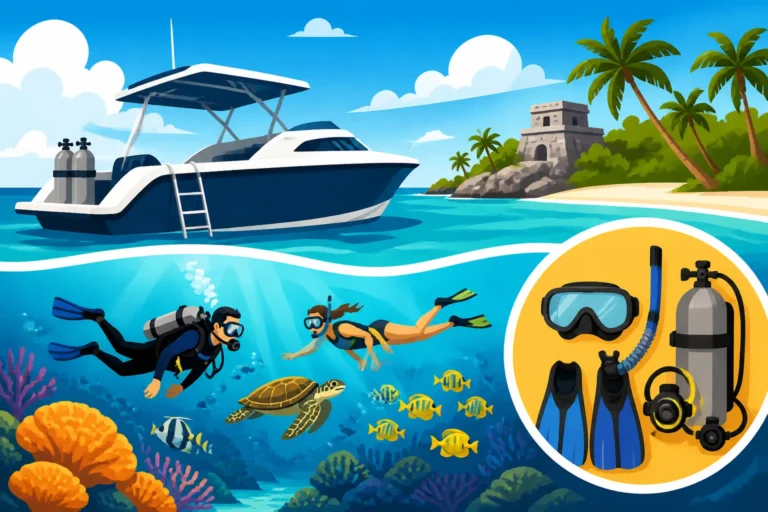
For snorkelers, one "eye" offers an open area with lots of light and easy exploration, while the other leads into a vast cave known as the Bat Cave, which is home to thousands of bats (don't worry, they keep to their space!). If you're a certified diver, this cenote offers incredible cave diving opportunities through mesmerizing stalactite and stalagmite formations. You absolutely need to go with a certified guide for diving here. It’s a truly unforgettable adventure, and you can easily book guided tours that include transfers and equipment through services like Viator.
Cenote El Pit (Cenote Dos Ojos Pit):
Often visited in conjunction with Cenote Dos Ojos, El Pit is an experience reserved for advanced divers, but the sheer awe of it is worth mentioning. This is the deepest cenote in the Yucatán, plunging to depths of over 100 meters. What makes it spectacular is the halocline – a layer where fresh water meets saltwater, creating a blurry, shimmering effect at about 10-12 meters depth. Below that, ancient tree trunks jut out from the walls, and a hydrogen sulfide cloud adds to the otherworldly atmosphere.
Sunlight pierces through a small opening at the top, creating incredible light beams that reach far into the depths. It’s an advanced dive due to its depth and overhead environment, but for those with the training, it's one of the most magical dives you can do anywhere in the world. Even if you're not diving, just knowing this incredible natural wonder exists beneath the surface is fascinating.
Serene and Instagram-Worthy Cenotes
For those seeking beauty, tranquility, and perhaps that perfect photo opportunity, these cenotes offer breathtaking aesthetics in a more peaceful setting.
Cenote Calavera (Temple of Doom):
Don't let the ominous name scare you; Cenote Calavera, or "Skull Cenote," is a unique and wonderfully peaceful spot. Its name comes from three holes in the rock that, from certain angles, look like two eyes and a mouth. The main "mouth" is a large opening that you can jump into, and then there are two smaller holes you can peek through (or even squeeze through if you're daring!).
It’s mostly a closed cavern cenote, so the water is cool and beautifully clear. There’s a rustic ladder for easy entry, or you can take the plunge directly from the edge. Because it’s smaller and less developed than some others, it often feels more tranquil and authentic. It’s ideal for a quiet swim, snorkeling, and just enjoying the natural beauty. It's also incredibly photogenic, especially when the light streams into the main opening. Getting here often involves a short taxi ride, which you can easily arrange from Tulum.
Casa Cenote (Cenote Manatí):
Casa Cenote is truly special because it's an open cenote that flows directly into the ocean, almost like a river. This unique setup means you can swim through mangroves, spotting diverse marine life, including small manatees (though sightings are rare now, hence the old name!). It’s relatively shallow in many areas, making it superb for snorkeling and even paddleboarding or kayaking.
The water is a gorgeous emerald green due to the reflection of the surrounding mangroves. It’s a fantastic place to practice your snorkeling skills or just float leisurely. There’s a small restaurant on-site, making it easy to spend a relaxed afternoon here. Its direct connection to the sea offers a different kind of cenote experience, blurring the lines between fresh and saltwater environments. If you’re thinking about Renting a Car in Mexico: Insurance and Driving Tips, Casa Cenote is an easy drive from Tulum.
| Cenote Name | Type | Best For | Approximate Entry Fee (MXN) | Key Feature |
|---|---|---|---|---|
| Gran Cenote | Semi-open | Families, snorkeling, easy access | 300 – 500 | Mix of open pools & cave sections, turtles |
| Cenote Azul | Open-air | Families, swimming, cliff jumping | 150 – 200 | Large, bright blue pools, natural swimming hole vibe |
| Dos Ojos | Cave system | Snorkeling, cave diving | 350 – 500 | Extensive underwater caves, "Bat Cave" |
| El Pit | Deep cavern | Advanced cave diving | 400 – 600 | Halocline, deep light beams, ancient tree trunks |
| Cenote Calavera | Semi-open cavern | Quiet swimming, unique "skull" openings | 250 – 300 | Rustic, tranquil, photogenic light |
| Casa Cenote | Open river/mangrove | Snorkeling, paddleboarding, natural beauty | 150 – 200 | Connects to ocean, mangroves, diverse aquatic life |
Note: Entry fees are approximate and can change. Always check current prices before visiting.
Navigating Your Cenote Trip: Essential Planning and Logistics
Visiting cenotes should be an exhilarating experience, not a stressful one. A little planning goes a long way to ensure you have a smooth and enjoyable time.
Transportation Options and Costs
Getting to the cenotes from Tulum is relatively straightforward, but your choice of transport will depend on your budget and how much flexibility you want.
Colectivos: These shared vans are the most economical option. You can catch them on the main highway (Highway 307) running north from Tulum town. Just look for the vans, flag one down, and tell the driver which cenote you're headed to. They'll drop you off at the entrance or the closest point. The cost is usually very low, typically around 20-50 MXN depending on the distance. They run frequently and are an authentic way to travel. This is a great way to explore if you're also trying to manage your Money-Saving Tips: How Expats Can Cut Costs Living in Mexico.
Taxis: Taxis offer convenience and direct service. You can easily find them in Tulum town. Negotiate the price beforehand, as they don't always use meters for these trips. Expect to pay anywhere from 100-300 MXN for a one-way trip to a nearby cenote, depending on your negotiation skills and the distance. If you're using ride-sharing apps, remember that sometimes Using Uber and Ride-Hailing Apps: A Guide for Expats in Mexico can be tricky in certain areas due to local taxi union conflicts, but generally works in Tulum.
Rental Car: Renting a car gives you the ultimate freedom to explore at your own pace and visit multiple cenotes in a day, or even take a longer How to Plan a Yucatán Road Trip. This is especially good if you want to visit more remote cenotes that colectivos might not reach directly. Major rental agencies are available at Cancun Airport and in Tulum. Be sure to understand the insurance requirements when renting in Mexico.
Tours: If you prefer a completely hands-off approach, many operators offer guided tours that include transportation, entry fees, and often lunch. This is especially good for cenotes that are further afield or for specialized activities like cave diving. Platforms like Viator and local tour companies offer a wide range of options.
What to Bring and Cenote Etiquette
Your packing list for a cenote visit is pretty simple, but there are a few non-negotiables:
- Swimsuit: Obvious, right?
- Towel: You'll want to dry off after the refreshing water.
- Water Shoes: Many cenotes have rocky or slippery paths, and some even have rocky bottoms, so water shoes are a lifesaver.
- Biodegradable Sunscreen and Insect Repellent: This is CRITICAL. Regular sunscreens contain chemicals that harm the delicate cenote ecosystem. You must use biodegradable products, or better yet, wear a rash guard for sun protection.
- Goggles/Snorkel Gear: While some cenotes offer rentals, having your own means you don't have to worry about sizing or hygiene.
- Camera (Waterproof if possible): You’ll want to capture the magic! Just be careful in caves.
- Cash (Pesos): Most cenotes have entrance fees (see the table above for approximate costs), and many smaller ones or vendors only accept cash. It's always a good idea to carry small denominations.
- Drinking Water: Stay hydrated, especially if you're out exploring for a few hours.
- Small Backpack: To carry all your essentials.
As for etiquette, remember that cenotes are natural wonders and were sacred to the Maya. Be respectful of the environment:
- Shower Before Entering: Most cenotes have showers, and it's essential to rinse off lotions, bug sprays (even biodegradable ones), and natural oils to keep the water pristine.
- No Touching Formations: Avoid touching stalactites and stalagmites; they take thousands of years to form and are easily damaged.
- Leave No Trace: Pack out everything you pack in. Do not litter.
- Respect Wildlife: Don't disturb the fish, turtles, or bats you might encounter.
Beyond the Swim: Making the Most of Your Cenote Day
A cenote visit doesn't have to be just a quick dip. You can truly immerse yourself in the experience and combine it with other activities to make a full day of adventure.
Combining Cenotes and Nearby Attractions
One of the great things about the cenotes near Tulum is their proximity to other amazing sights. You can easily combine a cenote swim with a trip to the nearby Tulum Mayan Ruins. Imagine exploring ancient history in the morning, then cooling off in a refreshing cenote in the afternoon – sounds like a perfect day in Mexico, doesn’t it? Many tours will offer this combination, or you can plan it yourself with a rental car.
Another popular pairing is a cenote visit with some beach time. After a refreshing swim in a freshwater cenote, you can head to one of Tulum's stunning beaches for some saltwater relaxation. This kind of flexibility is why many expats living in Mexico love the Yucatán; there's always something new to explore, and the natural beauty is endless. For more on staying healthy while exploring, check out our guide on Staying Healthy in Mexico: Essential Tips for Food, Water, and Preventive Care.
Local Eateries and Refreshments
After all that swimming and exploring, you're bound to work up an appetite. Many of the more developed cenotes have small snack bars or restaurants on site, offering simple Mexican fare like tacos, quesadillas, and refreshing aguas frescas (fruit-flavored waters). These are usually simple, convenient options.
For a more authentic culinary experience, consider venturing a little further into Tulum town or a nearby village. You'll find a wide array of eateries, from casual street food stalls to upscale restaurants. Trying local Yucatecan cuisine is a must, with dishes like cochinita pibil, panuchos, and salbutes. Don't be afraid to try the local spots – they often offer the most delicious and authentic flavors. For more culinary tips, check out our guide on Eating and Drinking as a Visitor in Mexico.
Safety and Preparedness Tips
While cenotes are generally safe, it's always wise to be prepared. Always swim with a buddy, especially in deeper or cavernous cenotes. If you're not a strong swimmer, consider wearing a life vest, which are often available for rent at cenotes. For diving, always go with a certified guide and reputable dive shop.
It's also a good idea to inform someone of your plans, especially if you're venturing to more remote cenotes. Cell service can be spotty in some jungle areas. And as with any travel in Mexico, be mindful of your belongings. While cenote areas are generally safe, opportunistic theft can occur, so keep valuables secure or consider leaving them at your accommodation. Remember that being aware of your surroundings is a key part of Travel Logistics in Mexico: Safety, Money, and Connectivity.
Finally, if you're looking for places to stay that offer easy access to cenotes, consider using Booking.com to find hotels or Airbnb rentals just outside Tulum town or along the highway, which can put you closer to these natural wonders. You might even find some charming eco-lodges that are practically nestled among them!
Disclaimer
Please remember that travel information, including prices and regulations, can change rapidly in Mexico. Always check the most current information before making plans. This guide offers general advice based on common expat experiences, but individual circumstances may vary.