How to Swim in a Cenote in the Yucatán
Oh, the cenotes! If you're anything like I was when I first moved here, the sheer number of stunning, natural swimming holes scattered across the Yucatán Peninsula can feel utterly overwhelming. You see these breathtaking photos online and think, "I need to experience that!" but then you're faced with endless lists, logistical puzzles, and a few nagging safety questions. This guide is going to walk you through everything you need to know about swimming in these magical Mexican sinkholes, ensuring your visit is unforgettable for all the right reasons.
Disclosure: This post may contain affiliate links. We may earn a commission at no extra cost to you if you make a purchase through these links. Read full disclosure.
What Exactly is a Cenote and Why Should You Care?
Let's start at the beginning. A cenote (pronounced seh-NO-tay) isn't just a swimming hole; it's a geological marvel with deep cultural roots. Imagine millions of years ago, the Yucatán Peninsula was completely submerged. As the sea receded, the porous limestone bedrock that forms this flat land became exposed. Rainwater, slightly acidic, began to seep through the rock, slowly dissolving it and creating an intricate, vast network of underground rivers and caves. Eventually, in some places, the roof of these caves collapsed, creating natural sinkholes that reveal the crystal-clear freshwater below. That's a cenote.
The Geological Marvel: Sinkholes and Subterranean Rivers
These aren't just random puddles; they're windows into one of the largest underground river systems in the world. The water you swim in today in a cenote like Cenote Azul or Gran Cenote is often the same water that flows for miles beneath your feet. This geological process is continuous, and new cenotes are still forming. The limestone acts as a natural filter, which is why the water is almost always incredibly clear, often a mesmerizing turquoise or emerald green, depending on the mineral content and how the light hits it. It's truly like swimming in a giant, natural aquarium, often with small fish darting around your feet.
Many of these underground rivers are interconnected, creating vast cave systems that are popular with cave divers. For most of us, though, just dipping our toes, or taking a full plunge, into the refreshing waters is enough to appreciate this unique natural phenomenon. The water temperature usually hovers around a consistent 75°F (24°C), offering a welcome cool-down from the Yucatán heat.
A Dive into Mayan History and Spirituality
Beyond their natural beauty, cenotes hold profound historical and spiritual significance, particularly for the ancient Maya civilization. They were not just a source of fresh water in a region with very few surface rivers; they were considered sacred portals to the underworld, Xibalba, a realm ruled by the Mayan death gods. The Maya performed rituals, ceremonies, and even sacrifices in cenotes, believing them to be direct communication channels with their deities and ancestors. You can often still feel an ancient, mystical energy when visiting a particularly secluded or deep cenote.
When you visit cenotes like the one at Chichén Itzá, known as Cenote Ik Kil, or those nestled deep in the jungle, it's a powerful reminder that these spots were once central to an entire civilization's way of life and belief system. It's more than just a swim; it's an opportunity to connect with Mexico's rich past and understand why this land was so sacred to its original inhabitants. Remember this context when you visit, and treat these natural wonders with the respect they deserve.
Choosing Your Perfect Cenote Experience
With literally thousands of cenotes scattered across the Yucatán Peninsula, picking one (or five!) can feel like an impossible task. They vary wildly in size, depth, accessibility, and overall vibe. To make your choice easier, let's break them down by type and what kind of experience they offer. You might prefer the bustling, sunny vibes of an open cenote, or the serene, mystical quiet of an underground cavern.
Open-Air Cenotes: Sun, Swims, and Sky
These are the most common and often the easiest to access. Think of them as natural swimming pools, exposed to the sun and surrounded by lush jungle foliage. Cenote Azul, near Playa del Carmen, is a fantastic example. It's quite large, with different sections, shallow areas for wading, and deeper spots for jumping off small ledges. These are perfect for families with kids, as they offer plenty of space, usually good facilities (restrooms, snack bars), and the safety of open sky.
The downside? They can get crowded, especially during peak season or holidays. But if you arrive early, you can often enjoy a peaceful morning swim before the crowds descend. The sunlight shimmering on the water and the sounds of birds make for a truly idyllic experience. Another great option is the famous Cenote Ik Kil, often combined with a visit to Chichén Itzá, though it tends to be very busy due to its popularity.
Semi-Open Cenotes: Caves with a View
Semi-open cenotes offer the best of both worlds: a sense of being in a cave, but with a large opening in the ceiling that lets in beams of natural light and allows for fresh air. Cenote Suytun, with its iconic circular light beam hitting a stone platform in the middle, is the poster child for this type of cenote. These often have stalactites and stalagmites forming around the edges, adding to the dramatic scenery. The water can be a bit cooler than in open cenotes, but the ethereal lighting and unique atmosphere are truly special.
These types of cenotes are usually a bit more adventurous than fully open ones, often requiring a descent down a wooden staircase or ladder. They’re a great choice if you want that cave experience without feeling completely enclosed. They are perfect for capturing those Instagram-worthy photos, and many offer excellent snorkeling opportunities to see the underwater formations.
Underground Cenotes: The True Cave Adventure
If you're looking for a genuinely unique and perhaps a little adventurous experience, the fully underground cenotes are for you. These are cavern systems, often only accessible through a small entrance, leading into vast, dark chambers lit by artificial lights. Cenote Dos Ojos, near Tulum, is a prime example, offering extensive routes for both snorkeling and guided scuba diving. Swimming in these cenotes is a truly otherworldly experience. The water is often crystal clear, and the silence, broken only by the drip of water and perhaps your own echoes, is profound.
These cenotes are typically cooler and can feel more enclosed, which might not be for everyone. But for those who love exploration and a bit of mystery, they are unparalleled. You'll often find bats flitting about (harmlessly, I promise!), and the ancient formations of stalactites and stalagmites create a dramatic, almost alien landscape. If you're considering a more extensive underground exploration, you might also look into specialized tours for more challenging cave systems.
Cenotes for Families, Thrill-Seekers, and Quiet Seekers
When choosing, think about your group and what you're looking for.
- For Families: Open-air cenotes like Cenote Azul or Cenote Yal-Ku (a lagoon-like cenote) are fantastic. They offer space, relatively shallow areas, and often amenities like picnic tables and restrooms. Safety is generally higher due to better visibility.
- For Thrill-Seekers: If you're into cliff jumping, many cenotes have designated areas for this, though always check for safety and depth. Cenotes like Oxman or Ik Kil are popular for their jumping platforms. For the ultimate adventure, consider a guided scuba dive in a cave system like Dos Ojos or Sac Actun, which offer incredible views of the flooded caverns.
- For Quiet Seekers: If you want to escape the crowds, look for smaller, lesser-known cenotes, especially those a bit further off the beaten path or requiring more effort to reach. Often, visiting popular cenotes right when they open (or just before closing) can also provide a more tranquil experience. Cenotes near Mérida, such as Kankirixché or Mucuyché, tend to be less crowded than those on the Riviera Maya, offering a more serene ambiance. Remember that the journey to these hidden gems might require a bit more navigation, perhaps using a car rental through a site like Booking.com Car Rentals or arranging private transport.
Practicalities for a Smooth Cenote Visit
Okay, you've picked your cenote, or at least a type of cenote. Now let's talk about the nitty-gritty of actually getting there and enjoying it safely and responsibly. Trust me, a little preparation goes a long way when you're venturing into the jungle!
Getting There: Transportation Options
How you get to a cenote largely depends on its location and your budget.
- Rental Car: This is hands down the most flexible option. You can set your own schedule, explore multiple cenotes in a day, and reach some of the more secluded spots. Roads in the Yucatán are generally well-maintained, but always download offline maps, as cell service can be spotty in rural areas. Just remember to factor in parking fees, which are common at popular cenotes. If you're weighing your options, consider reading up on how to rent a car in Mexico without overpaying for insurance.
- Colectivos (Shared Vans): A budget-friendly and authentic way to travel. These white passenger vans run frequently between towns like Tulum, Playa del Carmen, and Valladolid. You can often ask the driver to drop you off at the entrance of a cenote located along their route. Just be prepared for potential language barriers and less direct routes. They're great for popular cenotes close to main roads, but less so for truly hidden ones.
- Taxis/Ride-Sharing: Taxis are readily available in most towns. Agree on a price beforehand, especially for longer distances, as meters aren't always used. Uber and other ride-sharing apps are present in some areas like Mérida and Cancún, but less common or reliable in smaller towns or for cenotes deep in the jungle.
- Organized Tours: If you prefer convenience and don't want to worry about logistics, a tour is an excellent choice. Many tour operators, including those you can find on
Viator, offer packages that include transportation, entry fees, and sometimes even guides who can tell you about the cenote's history and ecology. These are perfect for visiting well-known cenotes like Ik Kil or Dos Ojos. You can also book these directly from your hotel or through local travel agencies.
Essential Gear: What to Bring
Don't show up unprepared! Here’s your cenote packing list:
- Swimsuit: Obvious, right? But some cenotes have changing rooms, others don't, so sometimes it's easier to wear it under your clothes.
- Towel: A quick-drying towel is a lifesaver.
- Water Shoes: Crucial! The ground around cenotes can be slippery, rocky, or uneven. Water shoes protect your feet and provide good grip.
- Biodegradable Sunscreen & Insect Repellent: This is non-negotiable. Regular sunscreens and repellents contain chemicals that harm the delicate cenote ecosystem, polluting the pristine water and endangering the wildlife. Many cenotes strictly enforce this, and some even offer biodegradable options for purchase or rental.
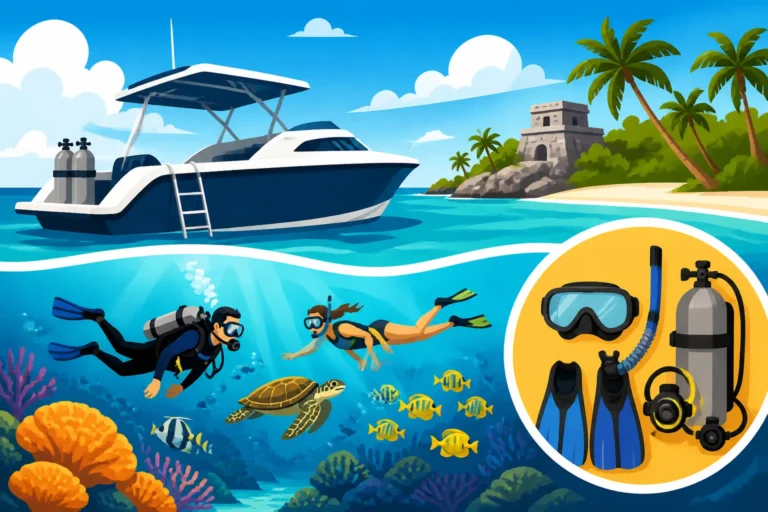
- Snorkel Gear: While some cenotes offer rentals, having your own ensures a good fit and cleanliness. It's truly amazing to see the underwater world, including fish and impressive rock formations.
- GoPro or Waterproof Camera: You'll want to capture the magic! Just be mindful of other swimmers and don't block pathways for photoshoots.
- Cash (Pesos): Many cenotes, especially the smaller ones, are cash-only for entry fees, lockers, and snacks. You can often find decent exchange rates in town, or use an ATM to withdraw pesos. Read up on Using ATMs in Mexico: Avoiding Fees and Staying Secure for tips.
- Drinking Water: Stay hydrated, especially if you're exploring multiple cenotes or spending a full day out. You can read more about Staying Healthy in Mexico: Essential Tips for Food, Water, and Preventive Care.
- Small Backpack: To keep everything together. Lockers are often available for rent, but bringing only essentials and leaving valuables secured elsewhere is always a good practice.
Rules, Etiquette, and Environmental Respect
Visiting cenotes comes with a responsibility to protect these natural treasures.
- Shower Before Entering: Almost all cenotes require you to take a quick shower before entering the water. This washes off sunscreen, bug spray, lotions, and natural body oils that can contaminate the delicate ecosystem. Please, don't skip this.
- Use Biodegradable Products Only: As mentioned, this is vital. Protect the clarity and health of the water and its inhabitants.
- No Touching Formations: In cave cenotes, avoid touching stalactites, stalagmites, or other rock formations. Your skin's oils can damage them over time and disrupt their growth.
- Respect the Wildlife: You might see bats, fish, or even turtles. Observe them from a distance and do not feed them or disturb their habitat.
- Pack Out What You Pack In: Leave no trace. Take all your trash with you.
- Follow the Rules: Each cenote might have specific rules regarding jumping, designated swimming areas, or entry and exit points. Always pay attention to signs and staff instructions.
- Be Mindful of Others: Cenotes are popular attractions. Be considerate of other visitors, especially in smaller, more enclosed areas. No running, shouting, or excessive splashing.
Safety First: What to Watch Out For
While generally safe, it's wise to be aware of a few things:
- Slippery Surfaces: Limestone can be incredibly slick, especially when wet. Wear appropriate footwear and walk carefully.
- Depth and Currents: Some cenotes are incredibly deep. Even strong swimmers should be mindful. While strong currents are rare, they can exist in some interconnected cave systems. If you're not a confident swimmer, stick to shallower areas or wear a life vest (often provided or rented).
- Low Light in Cave Cenotes: If you're in an underground cenote, rely on the provided lighting. Don't wander off into unlit areas, and always stay with your group or guide.
- Falling Rocks: While rare, the natural process of cave formation can sometimes lead to falling debris. Be aware of your surroundings, especially in newly opened or less-developed cenotes.
- Valuables: As with any tourist attraction, keep an eye on your belongings. Use lockers if available, or leave non-essentials in your accommodation. General Safety in Mexico: What Expats Need to Know About Staying Safe applies here too.
Navigating Popular Cenote Destinations and Tours
Alright, let's get down to some specific recommendations. The Yucatán Peninsula is vast, and where you're staying will likely dictate which cenotes are most convenient for you.
Cenotes Near Tulum and Playa del Carmen: The Riviera Maya Gems
The Riviera Maya, stretching from Cancún down to Tulum, is a hotbed for some of Mexico's most famous and accessible cenotes.
- Gran Cenote (Tulum): Just a short drive from Tulum Pueblo, this is a semi-open cenote complex that lives up to its name. It offers a mix of open swimming areas, a cave section to explore (with ropes to guide you), and fantastic snorkeling with small fish and turtles. It's very popular, so arrive early! You'll often see small bats here too.
- Cenote Azul (Playa del Carmen): Located south of Playa del Carmen, this is a large, open-air cenote that feels like a natural water park. It has multiple pools, varying depths, and small cliffs for jumping. It's family-friendly and often features locals enjoying their weekend. Great for a relaxed, sunny afternoon.
- Dos Ojos (Tulum): This is one of the most famous underground cenote systems, known for its two large "eyes" or sinkholes that connect to a massive underwater cave system. It's perfect for snorkeling in the lit areas or, for certified divers, exploring the deeper caverns with a guide. It's an incredible experience but prepare for crowds.
- Cenote Oxman (Valladolid): A bit further inland but a popular stop if you're driving between Tulum/Playa and Chichén Itzá. This semi-open cenote has a stunning tree root dangling from its high opening, offering a picturesque scene. It also has a rope swing, making it a hit with thrill-seekers. It's part of a larger hacienda complex, so there are usually good facilities and even a restaurant.
- Cenotes near Valladolid: Valladolid itself is a hub for cenote exploration. Beyond Oxman, you have Cenote Suytun (the one with the iconic circular platform) and the twin cenotes of Xkeken and Samula, which offer distinct cave experiences with beautiful lighting. If you're exploring the area, you might be interested in Cenote Day Trips in the Yucatán for more detailed options.
Cenotes Near Mérida and Valladolid: Yucatecan Wonders
Moving further inland towards Mérida, the cenote landscape changes slightly. While still abundant, they often feel a bit more local, less commercialized, and perhaps a touch more serene.
- Hacienda Mucuyché (near Mérida): This is a beautiful historical hacienda that has restored two cenotes and connected them with a canal. It's a more curated experience, often with limited entry, offering a blend of history and natural beauty. The water is incredibly clear, and the setting is picturesque.
- Cenote Kankirixché (near Mérida): A large, deep open-air cenote that feels more remote and untouched. It's popular with locals and offers excellent snorkeling and diving in its deep, clear waters. The access might be a bit rougher, but the reward is a less crowded, more authentic experience.
- Cuzamá Cenotes (near Mérida): This is a unique experience where you ride horse-drawn carts (called trucks) on old railway tracks through the jungle to visit three different cenotes: Chelentún, Bolonchoojol, and Chaksinicche. Each offers a different swimming experience, from open-air to deep underground. It’s a full-day adventure and very popular.
- Santa Bárbara Cenotes (near Homún): Another complex featuring multiple cenotes accessible by truck. Homún is known as a "land of cenotes" due to the sheer density of these natural pools in the area. These cenotes offer a more rustic, local feel, without the big commercial setups you might find closer to the coast.
Booking Tours and Independent Visits
Deciding between a tour and an independent visit really depends on your travel style.
- Independent Visits: If you have a rental car and a good sense of direction (and perhaps some basic Spanish), exploring independently is fantastic. You can linger as long as you like, discover hidden gems, and often save money on entry fees. Many guides for Driving in Mexico: Toll Roads (Cuotas) vs Free Roads (Libres) can help you navigate. Use Google Maps or a similar app to plot your route, and again, download offline maps. You can also use
Busbudto find bus routes to towns near cenotes, then take a local taxi or colectivo from there. - Guided Tours: For ease and convenience, especially if you’re staying in a major tourist hub like Cancún or Playa del Carmen, a guided tour takes all the guesswork out. Companies like those listed on
Viatoroffer a huge range of options, from half-day cenote visits to full-day archaeological site and cenote combos. They typically include transport, entrance fees, and sometimes a meal. This is a great way to ensure you visit top spots without the stress of navigating. Many hotels can also arrange tours for you, and you can often check reviews for tour operators on sites likeBooking.combefore committing.
Choosing to explore on your own offers freedom, but a tour might provide insights from a local guide you wouldn't get otherwise. Think about what matters most to you for your cenote adventure!
Cenote Type Comparison: Which Is Right for You?
| Cenote Type | Vibe & Experience | Best For | Typical Amenities | Example Cenotes |
|---|---|---|---|---|
| Open-Air | Sunny, natural swimming pool, often bustling | Families, groups, sun-lovers | Restrooms, changing rooms, snack bars, life vests | Cenote Azul, Cenote Cristalino, Cenote X'Canché |
| Semi-Open | Cavernous but with natural light, mystical | Instagrammers, snorkelers, light adventurers | Basic facilities, sometimes lockers, life vests | Cenote Suytun, Cenote Oxman |
| Underground | Dark, silent, ethereal, true cave experience | Adventurers, divers, quiet seekers | Minimal (sometimes just entrance), lockers, life vests | Cenote Dos Ojos, Cenote Xkeken, Cenote Samula |
| Lagoon-like | Expansive, shallow, clear, open access to ocean | Snorkeling, relaxing, observing marine life | Restrooms, palapas, sometimes restaurants | Laguna Yal-Ku (Akumal) |
Disclaimer
Please note that while this guide provides comprehensive information based on extensive experience and current knowledge, regulations and conditions can change rapidly in Mexico. Always verify specific details, opening hours, and entry requirements directly with cenote operators or official sources before your visit. This content is for informational purposes only and does not constitute professional advice.