What to Know About Cinco de Mayo in Mexico
Many visitors arrive in Mexico on May 5th expecting a nationwide party comparable to St. Patrick’s Day in the US, only to find quiet streets and open offices. This confusion stems from a deep-seated misunderstanding of Mexican history. This guide clarifies exactly what Cinco de Mayo represents, where the actual celebrations happen, and how you can experience the real event.
Disclosure: This post may contain affiliate links. We may earn a commission at no extra cost to you if you make a purchase through these links. Read full disclosure.
The Great Misunderstanding: Cinco de Mayo vs. Independence Day
If you walk into a bar in Mexico City or Puerto Vallarta on May 5th and yell "Happy Independence Day," you will likely be met with polite confusion or a chuckle. Let’s set the record straight: Cinco de Mayo is absolutely not Mexico’s Independence Day. That honor belongs to September 16th, which commemorates the "Grito de Dolores" and the start of the war against Spanish rule. To understand the cultural landscape here, you have to realize that for most Mexicans, May 5th is a minor historical date, not a massive national fiesta.
In the United States, Cinco de Mayo has morphed into a celebration of Mexican-American culture, often fueled by marketing from beer and tequila companies. In Mexico, however, it remains a civic holiday with a very specific geographic focus. It commemorates the Battle of Puebla in 1862, where a ragtag group of Mexican soldiers defeated the world-class French army of Napoleon III. While it was a significant morale booster, it didn't even end the war; the French actually took the city a year later. Because of this, the holiday hasn't historically carried the weight of a foundational national event like independence.
When you are planning your trip, it is vital to check Festivals, Holidays, and Traditions in Mexico to get a sense of which dates actually result in closures and parades. For most of the country, Cinco de Mayo is just another Tuesday or Wednesday. Banks might stay open, and shops certainly do. The only place where the party matches the hype is the city of Puebla. If you are elsewhere, you might see a small commemorative ceremony at a school, but don't expect a parade or fireworks unless you are in the shadow of the forts where the battle actually took place.
I’ve lived in several Mexico's Regions and Where to Go: A Traveler's Overview and the difference in energy is staggering. In Mexico City, life goes on as usual. In the expat havens of San Miguel or Ajijic, there might be a "gringo-organized" event at a local bar, but the local population is largely indifferent. This realism is important for expats to understand so they don't feel "cheated" by the lack of festivities. The real heart of Mexico beats differently than the version exported to the north.
The Epicenter: Why Puebla is the Place to Be
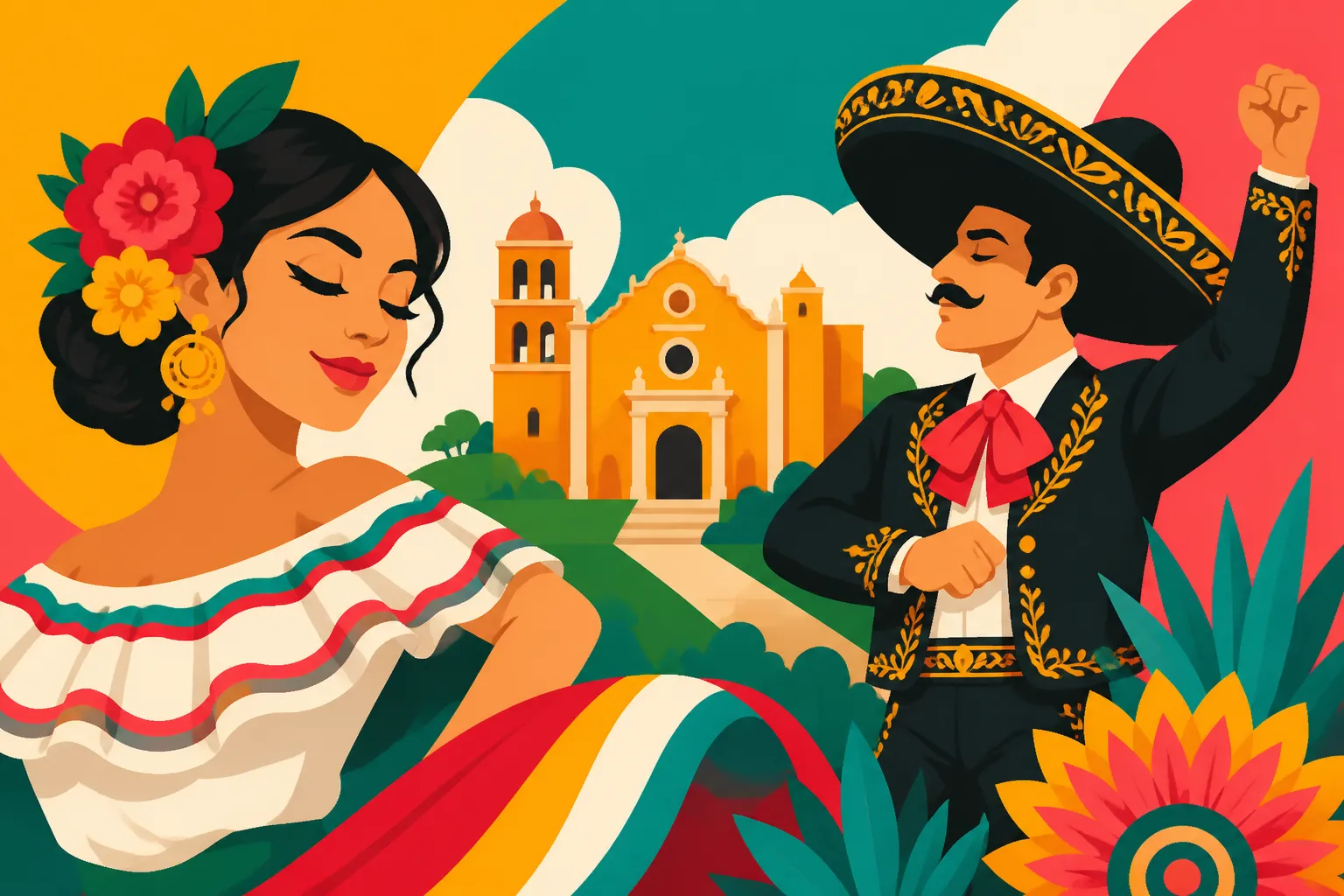
If you truly want to experience this holiday as it was meant to be, you must head to the state of Puebla. This is the only place in the republic where the date is treated with the gravity and excitement people expect. The city of Puebla, a stunning colonial gem, shuts down for a massive civil-military parade that is honestly one of the most impressive displays of local pride you will ever see. Thousands of participants, including students, indigenous groups, and the military, march through the streets in a procession that lasts for hours.
The parade is just the beginning. The real magic happens at the Cinco de Mayo battlefield itself—the Forts of Loreto and Guadalupe. Here, local actors and members of the community perform a massive reenactment of the 1862 battle. It is loud, dusty, and incredibly passionate. You’ll see "soldiers" in period costumes firing muskets and engaging in hand-to-hand combat. It’s an immersive way to learn the history without reading a dry textbook. If you're coming from the capital, check How to Buy ADO Bus Tickets in Mexico to ensure you get a seat, as thousands of people make the trek from Mexico City to Puebla for the day.
Beyond the battle sites, the city hosts the Feria de Puebla. This is a weeks-long fair that usually encompasses the 5th of May, featuring top-tier concerts, agricultural displays, and some of the best food in the country. This is where Mexican Customs, Etiquette, and Social Life really come into play. You’ll see families gathering for massive lunches of Mole Poblano, the dark, complex chocolate-chili sauce that originated right here. It’s a time for community, and while tourists are welcome, the event feels deeply "Poblano" rather than "Tourist-targeted."
If you plan to stay overnight, I highly recommend using Booking.com to find a hotel in the historic center well in advance. The city fills up rapidly in early May. Being within walking distance of the Zócalo means you can enjoy the evening festivities without worrying about the traffic jams that inevitably paralyze the city during the parade. You might even find a hotel with a rooftop terrace overlooking the parade route, which is the ultimate way to see the action without getting crushed by the crowds.
| Feature | Cinco de Mayo (May 5) | Independence Day (Sept 16) |
|---|---|---|
| Event Commemorated | Battle of Puebla (against France) | Start of Independence (against Spain) |
| Geographic Focus | Primarily the City and State of Puebla | Nationwide (Every town and city) |
| National Status | Optional civic holiday (Schools often close) | Major Federal Holiday (Mandatory closure) |
| Core Tradition | Military parade and reenactments | "El Grito" ceremony and massive parties |
| Common Food | Mole Poblano, Chalupas | Chiles en Nogada, Pozole |
| Atmosphere | Patriotic but localized | High energy, nationwide fireworks |
Navigating Logistics: Getting to and Around Puebla
Getting to Puebla for the festivities requires a bit of veteran expat strategy. If you are flying into Mexico City, you don't actually need to go into the city center; there are direct buses from the airport to Puebla’s main bus station (CAPU). For the most reliable schedules and to avoid the long lines at the ticket counters during this busy period, I always suggest using Busbud. It allows you to book your tickets in English and keep them on your phone, which is a lifesaver when you’re navigating a busy terminal like CAPU.
Once you are in Puebla, the city is relatively easy to navigate, but on May 5th, the traditional transport rules go out the window. The parade route cuts right through the city, meaning taxis and Ubers will be blocked from reaching the historic center for much of the morning and afternoon. Your best bet is to arrive a day early and stay central. If you want to dive deeper into the history than just watching a parade, you can find excellent guided walking tours on Viator that focus on the "Intervención Francesa." These guides can take you through the tunnels and forts while explaining the political nuances that led to the conflict.
When it comes to the logistics of daily life, remember that while May 5th isn't a "shut down" day for all of Mexico, it can affect government services. If you are an expat working on your residency or needing a trip to a government office, check What Closes During Mexican Public Holidays? as schools and some administrative offices will be closed. This can cause a ripple effect in bureaucracy that lasts a few days. Don't schedule your immigration appointment for the week of Cinco de Mayo if you can help it; things tend to move even slower than usual.
Finally, keep an eye on your budget. While Puebla is generally affordable, prices for accommodation and certain services do spike during the "Feria" weeks. Knowing Tipping in Mexico (Propina): When and How Much will help you navigate the busy restaurants and street stalls. In Puebla, service is generally excellent, but during the holiday rush, a little extra patience and a generous tip go a long way with the overworked staff.
Cultural Nuances: How to Celebrate Respectfully
As an expat, your role during Cinco de Mayo is often that of a bridge between two cultures. You might have friends back home asking you if you’re "partying hard," and you’ll have to explain that you’re actually just going to the grocery store. However, if you do find yourself in Puebla, it’s important to approach the holiday with a sense of historical respect rather than just looking for a party. This isn't a "Spring Break" event; it’s a commemoration of lives lost and a David-vs-Goliath victory that defines the local identity.
One of the most interesting aspects of the holiday in Mexico is how it is being "re-imported" from the US. In some border cities or highly westernized areas of Mexico City and Mexico's Great Cities: Explorer's Guide, bars are starting to offer "Cinco de Mayo specials" specifically to cater to American tourists. It feels a bit surreal to see a holiday that is largely ignored by locals being marketed back to them. If you attend one of these events, just keep in mind that you are experiencing a modern commercial invention, not a traditional Mexican rite.
For those living here long-term, the most meaningful way to "celebrate" is to use the day as an opportunity to learn about the French Intervention. Visit a local museum or one of the many Puebla and Querétaro: Central Mexico's Colonial Cities historical sites. Understanding why Mexico was in debt to France, England, and Spain in the first place gives you a much deeper appreciation for the resilience of the Mexican people. It wasn't just about one battle; it was about a young nation trying to maintain its sovereignty against old-world empires.
Safety is always a concern during any large gathering. While Puebla is generally safe, the massive crowds at the parade can be a magnet for pickpockets. I always tell my friends to review Staying Safe in Mexico: Practical Tips for Travelers before heading into a throng of thousands. Keep your phone in a front pocket, leave the expensive jewelry at home, and be aware of your surroundings. The atmosphere is generally very family-friendly and jovial, but being a "savvy traveler" means you won't have your holiday ruined by a preventable mishap.
Actionable Steps for Your Cinco de Mayo Trip
If you’ve decided that you want to see the real deal in Puebla, here is your veteran-approved checklist to make it happen without the stress:
- Book Everything Early: Use Booking.com for your hotel at least three months in advance. Look for properties near the "Paseo Bravo" or the "Zócalo" to be in the center of the action.
- Secure Your Transport: Don't wait until you're at the station. Use Busbud to book your bus from CDMX or other nearby cities. If you are driving, be aware that many roads into Puebla will be closed or redirected starting early in the morning on the 5th.
- Plan Your Day Around the Parade: The parade usually starts around 10:00 AM and can last until 2:00 PM or later. Get your spot on the sidewalk early (bring a hat and plenty of water).
- Visit the Forts on the 4th or 6th: The area around the Forts of Loreto and Guadalupe is absolute chaos on the 5th. If you want to actually see the museum and the architecture without ten thousand people in your way, go the day before or the day after.
- Eat Local: Don't just settle for a taco. This is the home of Mole Poblano and Cemitas (a specific, hearty type of sandwich). Many restaurants in Puebla and Querétaro: Central Mexico's Colonial Cities offer special holiday menus.
- Learn the History: Book a tour via Viator a day or two before the 5th. Having a guide explain the strategy of General Ignacio Zaragoza while you stand on the actual ground where it happened makes the parade much more meaningful.
- Check for Closures: Remember that while this is a "Puebla holiday," it can affect things like bank transfers or school-related paperwork across the country. Plan your "admin days" accordingly.
Cinco de Mayo in Mexico is a perfect example of the "real" Mexico versus the "exported" Mexico. By heading to Puebla and engaging with the history, you get to see a side of the country that most tourists completely miss. It’s a day of intense local pride, incredible food, and a reminder that even against the world's most powerful armies, the Mexican spirit is not easily broken.
Disclaimer
This guide is intended for informational purposes only. Holiday traditions, parade routes, and local regulations in Mexico can change without notice. While we strive to provide the most current expat advice, always check official local government websites or consult with local travel experts before making definitive travel plans. The author is not responsible for changes in event schedules or travel disruptions.