Guadalajara City Guide: Culture, Food, and Mariachi
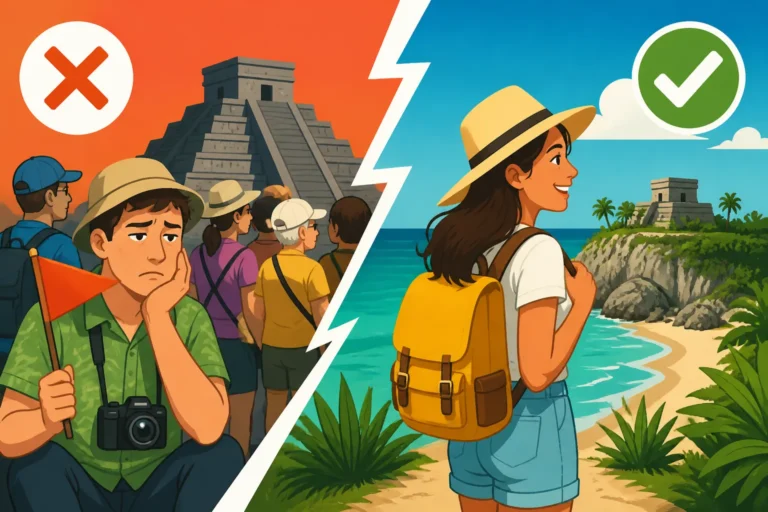
Many travelers head straight to the turquoise waters of the coast, leaving the true heart of Mexican culture largely unexplored. Navigating a massive, sprawling metropolis like Guadalajara can feel overwhelming, with its complex traffic patterns and hidden local codes that generic guidebooks often fail to mention. This guide provides the deep, local insight you need to master the city’s neighborhoods, culinary secrets, and cultural rhythms without the usual tourist frustrations.
Disclosure: This post may contain affiliate links. We may earn a commission at no extra cost to you if you make a purchase through these links. Read full disclosure.
Navigating the Pearl of the West: Neighborhoods and Arrival
When you first arrive in Guadalajara, the sheer scale of the city can be intimidating. Unlike the compact colonial towns of central Mexico, Guadalajara is a massive urban engine, yet it retains a distinct "small-town" feel within its individual Barrios. Understanding where to plant your flag is the first step in avoiding the exhaustion of cross-city commutes. Many expats find that Where to Stay in Guadalajara: Centro, Chapultepec, and Tlaquepaque provides the best range of options, whether you are looking for a restored mansion in the historic center or a sleek apartment in the modern zones.
The Historic Center: Walking Through History
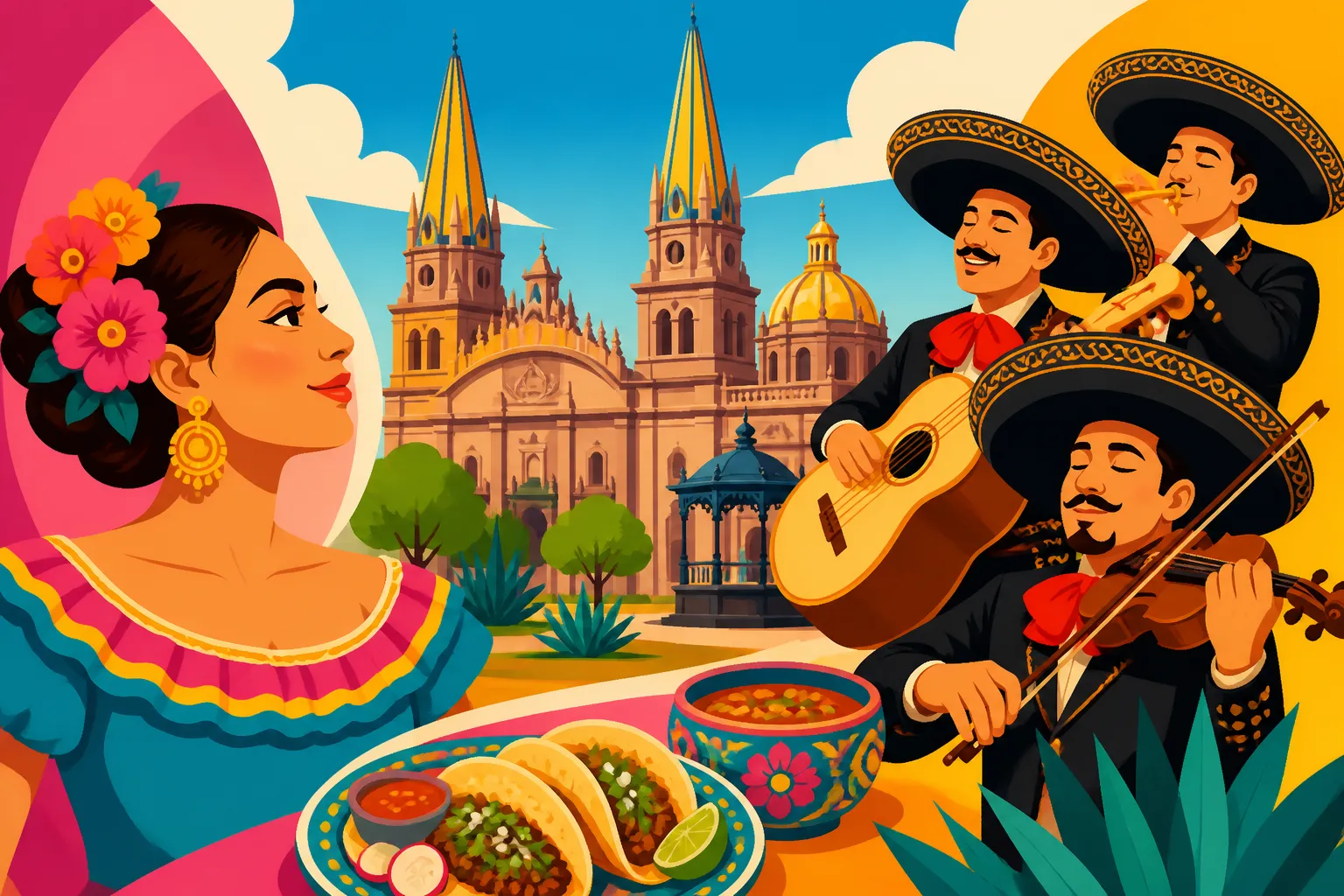
The Centro Histórico is where the city’s heartbeat is loudest. It is a place of grand plazas and colonial architecture that rivals any European capital. Walking through the Plaza de Armas or standing before the Guadalajara Cathedral, with its iconic yellow-tiled spires, you feel the weight of centuries. However, the reality of the Centro is that it is loud, chaotic, and intensely busy during the day. As a veteran expat, I always tell people to visit the Centro for the sights but be prepared for the sensory overload. It is home to the Hospicio Cabañas, a UNESCO World Heritage site featuring the mind-bending murals of José Clemente Orozco.
Living or staying in the Centro requires a certain level of tolerance for noise and bustle. While it is the cultural epicenter, it can feel deserted and a bit gritty after the shops close at night. If you are a history buff, you will love being steps away from the Degollado Theater, but you should also be aware of the practicalities of Booking a Room Inside the Historic Centre: Rates, Noise, and Parking. The infrastructure in the older parts of the city can be charmingly ancient, which sometimes means dealing with old plumbing or occasional power hiccups that characterize life in a historic district.
Colonia Americana: The Hipster Heart and Nightlife Hub
If the Centro is the soul of Guadalajara, Colonia Americana is its cool, rebellious spirit. Recently voted one of the coolest neighborhoods in the world, Americana is where you will find the highest concentration of specialty coffee shops, craft breweries, and art galleries. This is the area most foreigners find themselves gravitating toward because it offers a walkable lifestyle that is rare in such a large Mexican city. The streets are lined with a mix of Art Deco, Neoclassical, and functionalist architecture, shaded by massive Jacaranda trees that turn the world purple in the spring.
Life in Americana revolves around Avenida Chapultepec, a wide boulevard with a pedestrian median that hosts book fairs, markets, and drum circles. At night, this area transforms into a nightlife juggernaut. If you prefer a quieter experience, stick to the side streets like Calle Libertad or La Paz. This is also a great area for those considering a longer stay, as the local community is very welcoming to foreigners. You might find yourself researching Traveler’s Diarrhea (Montezuma’s Revenge): Prevention and Treatment just in case the spicy street food gets the better of you, but in Americana, you are never far from high-quality English-speaking services.
Tlaquepaque and Zapopan: Distinct Personalities
Technically separate municipalities within the Guadalajara Metropolitan Area, Tlaquepaque and Zapopan offer completely different vibes. Tlaquepaque is a "Pueblo Mágico" within the city, famous for its pottery and pedestrian-only streets. Walking down Calle Independencia, you are surrounded by high-end boutiques and traditional workshops. It is more tourist-centric but undeniably beautiful. If you are looking for a deep dive into Mexican crafts, this is your sanctuary.
Zapopan, on the other hand, is the face of modern, wealthy Guadalajara. It is home to the Basilica of Our Lady of Zapopan, a massive pilgrimage site, but also to the upscale Andares shopping mall and the high-tech corridor. It is where many professionals and families live, offering a more polished, suburban feel. When planning your arrival from other parts of Mexico, using Busbud to book a luxury bus into the Zapopan terminal can save you a lot of time if you plan on staying in the northern part of the city, as it avoids the heavy traffic of the central bus station.
The Soul of the City: Mariachi, Tequila, and Traditions
You cannot talk about Guadalajara without mentioning Mariachi and Tequila. These are the two pillars of Jalisco’s identity, and by extension, Mexico’s global image. But for the local Tapatío (a person from Guadalajara), these are not just tourist attractions; they are part of the daily fabric of life.
Plaza de los Mariachis and the World of Music
While many visitors head to the Plaza de los Mariachis near the San Juan de Dios market, I often suggest a more nuanced approach. The plaza is historic, yes, but it can be aggressive for newcomers. You will be approached by dozens of groups offering to play a song for a fee. It is an experience everyone should have once, but the real magic happens at more established venues like Casa Bariachi. Here, the performance is structured, the acoustics are better, and you can enjoy a meal while the trumpets and violins fill the room.
Understanding Mariachi and Live Music in Mexico is essential before you dive in. It is common to tip the musicians if you request a specific song, and knowing a few classics like "Guadalajara" or "El Rey" will earn you a lot of respect from the locals. The music is a blend of indigenous, European, and African influences, and in Guadalajara, the quality of the musicianship is world-class. Don't be surprised if you see a local family erupt into song at a restaurant; the passion for Mariachi runs deep here.
The Charrería: Mexico’s National Sport
Often overshadowed by soccer, Charrería is the official national sport of Mexico, and Guadalajara is its spiritual home. It is much more than a rodeo; it is a display of horsemanship, cattle work, and traditional costumes that is steeped in history and etiquette. Seeing a Charreada (the event) is a highlight for many expats. The Lienzo Charro de Jalisco, located near Agua Azul Park, holds events most Sundays.
The atmosphere at a Charreada is electric, filled with the smell of leather, horses, and grilled meat. It is a family affair, where you will see generations of Tapatíos dressed in their finest "traje de charro." It is a formal affair with strict rules, and the skill required to perform the "suertes" (feats) is incredible.
The Tequila Connection: Day Tripping to the Source
Guadalajara is the gateway to the town of Tequila, located about 60 kilometers to the west. The landscape here is a sea of blue agave, a UNESCO World Heritage site. While you can take the "Tequila Express" train for a party atmosphere, many residents prefer a more educational experience. Using Viator to book a private tour of a boutique distillery is often the better way to go. You get to see the actual "jimadores" harvesting the agave and learn the difference between blanco, reposado, and añejo.
When visiting the region, it is important to understand Tequila 101: How to Taste and Where to Visit. It is a sophisticated spirit with a complex flavor profile, much like wine or scotch. Visiting the fields during the golden hour is a transformative experience, seeing the volcanic soil of the Tequila volcano nurturing the plants that define a nation. Just remember to stay hydrated; the sun in the agave fields is unforgiving.
A Gastronomic Journey: From Street Food to Fine Dining
The food in Guadalajara is bold, messy, and unapologetic. It is a city that loves its salsas, its slow-cooked meats, and its sourdough bread. If you are coming from the US or Canada, the spice levels here might be a shock, so always ask "pica mucho?" before diving in.
The Iconic Torta Ahogada and Birria
The Torta Ahogada (drowned sandwich) is the quintessential Guadalajara dish. It is made with a specific crusty bread called "birote salado," which is only found here because of the city’s altitude and humidity. The bread is stuffed with carnitas and then literally submerged in a spicy tomato and chili sauce. There is a specific etiquette to eating these: you will get messy, and you will need many napkins. It is the ultimate hangover cure and a staple of the local diet.
Then there is Birria. While Birria has become a global trend, the original Jalisco version is typically made with goat (chivo), though beef (res) is also common. It is a slow-roasted, spiced stew served with a side of "consomé" (the cooking juices). The best places for Birria are often humble stalls in the markets. I recommend trying Birriería Las Nueve Esquinas in the beautiful "Nine Corners" neighborhood. For more information on costs, check out Cost of Living in Guadalajara: 2026 Expat Guide to see how affordable these incredible local staples are.
Exploring Mercado Libertad (San Juan de Dios)
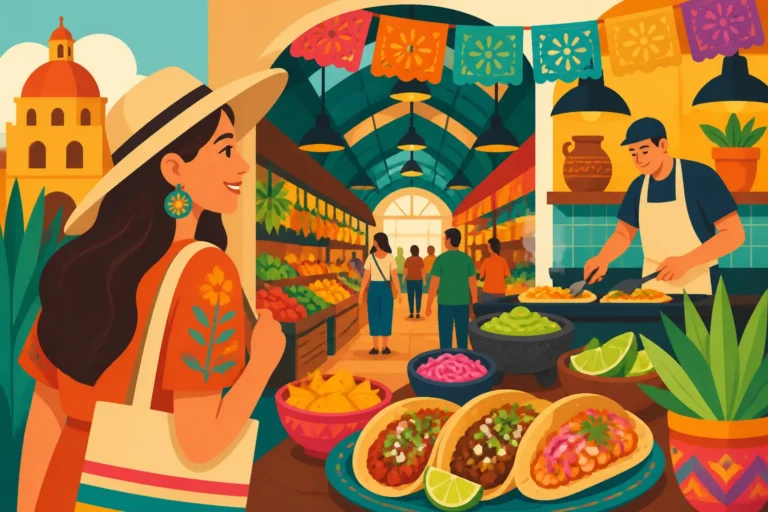
Mercado Libertad, better known as San Juan de Dios, is the largest indoor market in Latin America. It is a three-story labyrinth where you can buy anything from a live parakeet to a replacement part for a 1990s blender. The food court on the second floor is a legendary spot for Street Food in Mexico: Tacos, Tamales, and More. You can find everything here: pozole, tamales, seafood, and the famous "cremichelas."
Navigating San Juan de Dios requires patience and a sense of humor. It is crowded, loud, and smells like a mix of spices, leather, and fresh fruit. It is a great place to practice your "Market Spanish." If you are feeling overwhelmed, just find a stall with a lot of locals sitting down—that is usually the best indicator of quality. It is a raw, unfiltered look at the commerce of the city and a must-visit for anyone who wants to understand the local economy.
Modern Tapatios: Fine Dining in Guadalajara
While the street food is king, Guadalajara’s fine dining scene is exploding. Chefs are taking traditional ingredients and applying modern techniques to create something entirely new. Restaurants like Alcalde and Hueso are gaining international acclaim. Alcalde, in particular, focuses on "frank cuisine," where the flavor of the ingredient is the star.
This modern side of the city is concentrated in areas like Providencia and the newer parts of Zapopan. It offers a glimpse into the sophisticated, cosmopolitan life of the city’s elite. If you are staying long-term, you’ll find that the cost is quite high in these sectors, but the experience is worth the splurge. It is a reminder that Guadalajara is not just a city of the past, but a forward-looking metropolis.
Guadalajara Neighborhood Comparison Table
To help you decide where to spend your time, here is a quick breakdown of the most popular zones for visitors and expats.
| Neighborhood | Vibe | Best For | Noise Level | Walkability |
|---|---|---|---|---|
| Centro Histórico | Traditional & Grand | Sightseeing & Museums | Very High | High |
| Colonia Americana | Hipster & Artistic | Nightlife & Coffee | Moderate | Very High |
| Zapopan (Andares) | Modern & Luxury | Shopping & Business | Low | Low (Car-reliant) |
| Tlaquepaque | Artisanal & Colonial | Crafts & Souvenirs | Moderate | High (Pedestrian zones) |
| Providencia | Upscale & Leafy | Quiet Stays & Dining | Low | Moderate |
Practical Logistics: Getting Around and Staying Safe
Living in or visiting Guadalajara requires some strategic planning regarding transportation. The city is massive, and traffic can be a nightmare during "hora pico" (rush hour).
Transport Options: From the Metro to Uber
Guadalajara has a growing public transit system, including the Mi Tren (light rail). Line 3 is particularly impressive, cutting through the city and connecting Zapopan to the Centro and Tlaquepaque. It is clean, fast, and very affordable. However, for most point-to-point travel, residents rely on Uber or Didi. These apps are generally safe and much more reliable than traditional street taxis. I always suggest learning Using Uber and Ride-Sharing Apps: A Guide for Expats in Mexico to ensure you are using these services correctly.
If you are feeling adventurous, the "MiBici" bike-sharing program is excellent, especially in flat areas like Americana and the Centro. It is a great way to see the city at a slower pace. Just be warned that Guadalajara drivers are not always used to cyclists, so stay alert. For those arriving from long distances, checking How to Travel Between Cities in Mexico by Bus can help you navigate the various bus terminals, as the "Central Nueva" is quite far from the city center.
Safety and Local Etiquette
Guadalajara is generally safe for tourists and expats, but like any large city, it requires common sense. Avoid wearing flashy jewelry and keep an eye on your phone in crowded areas like San Juan de Dios. The most common issues are petty thefts rather than violent crimes against foreigners. Understanding Safety in Mexico: What Expats Need to Know About Staying Safe is crucial; if you ever find yourself in a bind, knowing which numbers to call is a lifesaver.
Tapatíos are known for being exceptionally polite and somewhat formal. Always greet people with a "Buenos días" or "Buenas tardes." When entering a shop or restaurant, a little politeness goes a long way. This is not the fast-paced world of Mexico City; people here take their time, and "ahorita" (which literally means "right now") can mean anything from five minutes to three days. Embracing this slower rhythm will make your stay much more enjoyable.
Best Times to Visit and Local Festivals
The best time to visit Guadalajara is from October to December. The weather is nearly perfect—sunny days and cool nights—and the city is alive with festivals. The Fiestas de Octubre is a month-long celebration with concerts, fairgrounds, and food. Then there is the International Book Fair (FIL) in late November, the second-largest in the world.
If you are here in early October, don’t miss the Romería de la Virgen de Zapopan. Millions of people walk from the Cathedral to the Basilica in Zapopan in one of the largest religious pilgrimages in the country. It is a profound display of faith and community. During these peak times, make sure to use Booking.com early, as the best boutique hotels in Americana and the Centro fill up months in advance.
Healthcare and Long-Term Considerations
For those looking to move here, the quality of life is high. One of the biggest draws is the medical care. Guadalajara is a major medical hub in Mexico, with world-class facilities. Many expats come here specifically for the Medical Tourism in Mexico: What to Know Before You Go, which offers high-quality services at a fraction of the cost in the US.
Finding Professional Services
If you are settling in, you will eventually need more than just a hotel. Finding a local "médico" is straightforward, and many specialists in Guadalajara studied abroad and speak fluent English. You can find more details in our guide on Healthcare in Guadalajara: Medical Facilities and Services for Foreign Residents. Beyond health, the city offers everything a modern expat needs, from high-speed fiber internet to international schools for those moving with families.
The administrative side of moving to Jalisco can be a hurdle. Dealing with residency visas and local permits requires patience. I always suggest Dealing with Bureaucracy in Mexico: Tips for Handling Paperwork and Appointments to help navigate the bureaucracy. While the "Pearl of the West" is welcoming, the paperwork is a rite of passage for every new resident. But once you have your "CURP" in hand and a cold Tequila on the table, you’ll realize why so many of us never want to leave.
Disclaimer
The information provided in this guide is for informational purposes only and reflects the personal experiences and research of the author as of 2026. Travel conditions, local laws, and business operations in Mexico can change rapidly. Always consult official government sources and local authorities for the most current advice regarding safety, immigration, and health regulations. The author and publisher are not responsible for any inconveniences, losses, or injuries that may occur while following the suggestions in this article.