How to Avoid Traveler’s Stomach Illness in Mexico
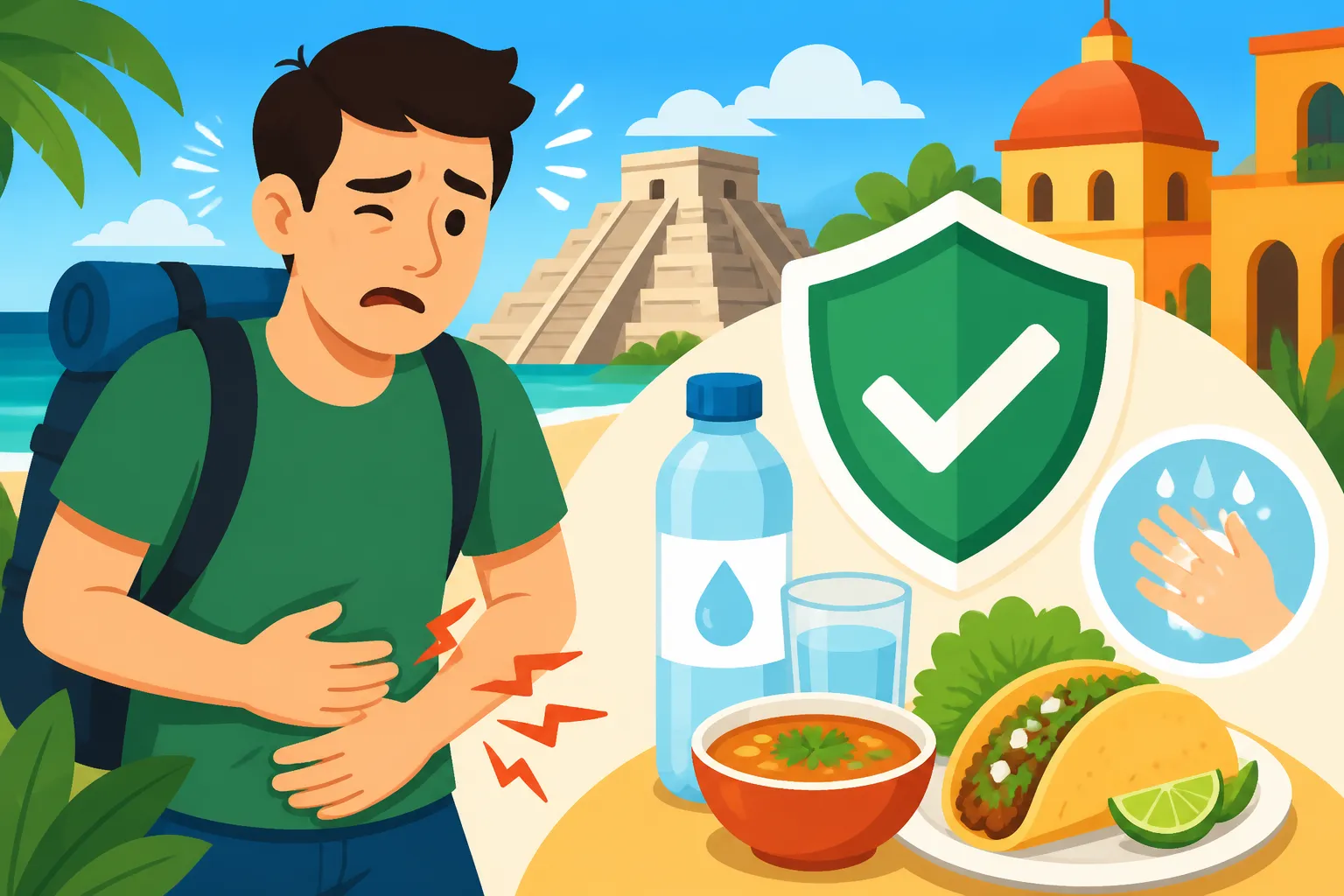
The anxiety of spending your Mexican dream vacation or your first month of residency locked in a bathroom is a rite of passage no one actually wants. During my first month living in Oaxaca, I ignored the advice of locals and ate a beautiful, unpeeled peach from a street market; I spent the next four days regretting every single bite. This guide provides the practical, battle-tested strategies you need to navigate Mexico's vibrant food scene without the dreaded "Montezuma's Revenge."
Disclosure: This post may contain affiliate links. We may earn a commission at no extra cost to you if you make a purchase through these links. Read full disclosure.
Understanding the Real Risks of Traveler’s Stomach Illness
Many newcomers believe that traveler’s stomach illness is caused by "dirty" food, but the reality is more nuanced. Often, it is simply a case of your gut microbiome meeting local bacteria that it doesn't recognize. While locals have spent years building immunity to certain strains of E. coli or other common microbes found in the region, your system is essentially a blank slate. This mismatch is what leads to the classic symptoms: cramping, bloating, and frequent trips to the toilet.
However, there are also more serious concerns like parasites (Amoebas or Giardia) and viral infections like Hepatitis A. These are less common but can be more debilitating. Understanding that you are dealing with a biological adjustment period rather than just "bad luck" is the first step in Staying Healthy in Mexico: Essential Tips for Food, Water, and Preventive Care. It shifts your mindset from fear to strategic prevention. You aren't avoiding food because it's "bad"; you're managing your exposure to a new environment.
The cultural context matters here, too. In Mexico, food is central to social life. You will be offered salsas, fresh fruits, and hand-pressed tortillas at every turn. Learning to say "no" politely to high-risk items while leaning into the safe, delicious alternatives is a skill every expat must master. It isn't about being paranoid; it's about being informed. Most cases of traveler’s diarrhea are self-limiting and resolve in 48 to 72 hours, but they can still ruin a carefully planned itinerary or your first week at a new job.
Common Myths vs. Reality
One of the biggest myths is that "high-end" restaurants are inherently safer than street stalls. I have seen more people get sick from luxury hotel buffets than from the local "taco stand with a line." In a high-end buffet, food often sits at lukewarm temperatures for hours, which is a breeding ground for bacteria. Conversely, a busy taco stand has a high turnover; the meat is sliced and seared at high heat right in front of you, and the salsas are replenished constantly.
Another myth is that a shot of tequila will "kill the bacteria." While it makes for a fun story, alcohol at that concentration doesn't sanitize your stomach. In fact, heavy drinking can irritate your stomach lining, making you more susceptible to illness. If you are worried about the risks, it is worth looking into Traveler’s Diarrhea (Montezuma’s Revenge): Prevention and Treatment to understand how to actually manage a flare-up when it happens.
The Role of Stress and Change
We often forget that travel and relocation involve a massive amount of physical and emotional stress. Moving to Mexico involves changes in altitude, climate, and sleep patterns. All of these factors can weaken your immune system and slow down your digestion. When your body is stressed, your stomach acid—your first line of defense against ingested pathogens—might not be as effective. This is why many expats find they can eat almost anything after six months of living here, but were sensitive during their first few weeks.
The Golden Rules of Water Safety in Mexico
If there is one non-negotiable rule in Mexico, it is this: do not drink the tap water. Even in modern apartment buildings in Mexico City or luxury villas in Tulum, the water delivery systems are not designed for direct consumption. The water often travels through old pipes or is stored in rooftop tanks called tinacos, which can collect sediment and bacteria over time. You should always ask Is Tap Water Safe to Drink in Mexico? if you are unsure about a specific location, but the default answer is a resounding no.
For long-term living, the "garrafón" culture will become part of your daily rhythm. These are 20-liter (5-gallon) jugs of purified water delivered to your door. Brands like Bonafont, Epura, and Ciel are the standard. You can exchange empty jugs at any local tienda (convenience store) or wait for the water truck that winds through neighborhoods with its distinctive whistle or shout. Learning how to manage these heavy jugs without throwing out your back is a quintessential expat experience.
Navigating Ice and Beverages
One of the sneakiest ways people get sick is through ice. In most established restaurants and bars in tourist areas, the ice is made from purified water (hielo purificado). You can usually tell by the shape; if the ice cubes are uniform cylinders with a hole in the middle, they are commercially produced and safe. If the ice looks like hand-crushed chunks from a block, proceed with extreme caution. This is particularly important when ordering "aguas frescas"—delicious fruit-infused waters often sold in large glass jars. While tempting, if you aren't sure about the water source, stick to bottled beverages.
When you are out, always specify that you want bottled water. The phrase "agua de garrafón" refers to purified water from the large jugs, while "agua mineral" usually means sparkling water. Many expats choose to brush their teeth with tap water without issue, but if you have a particularly sensitive stomach or are brand new to the country, using bottled water for tooth-brushing is a cheap way to ensure peace of mind.
Essential Phrases for Ordering Water
Knowing how to communicate your needs is vital. Here is a quick list of phrases to keep in your back pocket:
- ¿El agua es de garrafón? (Is the water from a purified jug?)
- ¿El hielo es purificado? (Is the ice purified?)
- Una botella de agua natural, por favor. (A bottle of still water, please.)
- Sin hielo, por favor. (Without ice, please.)
Mastering these small interactions can be the difference between a great night out and a miserable morning. If you do find yourself needing more than just hydration advice, knowing how to find Pharmacies in Mexico: How to Get Medications (OTC vs Prescription) is the next logical step in your health journey.
Safe Eating Strategies: Street Food and Beyond
Mexican street food is some of the best in the world, and avoiding it entirely would be a tragedy. The key is to be a "taco scout." Before you sit down, look for three things: a crowd of locals, a clean preparation area, and a separate person handling the money. If the person touching the raw meat is also grabbing your pesos, keep walking. High turnover is your best friend; it means the food hasn't been sitting out in the sun.
When it comes to the food itself, the "boil it, cook it, peel it, or forget it" rule is a good baseline, but it has limits in the land of fresh salsa. Salsas that have been sitting out in the heat for hours are a common culprit. If the salsa looks bubbly or smells slightly fermented, skip it. If you want to dive deeper into this world safely, check out Is Street Food Safe? How to Enjoy Mexican Street Eats Without Worry for a more granular breakdown of what to look for.
Handling Fresh Produce at Home
When you move into your own place, you'll likely start shopping at local tianguis (open-air markets). The produce is incredible—vibrant, cheap, and local. However, it often comes straight from the field and may have been irrigated with untreated water. Everything you eat raw must be disinfected. In every Mexican supermarket, you will find small bottles of disinfectant drops (usually silver nitrate or iodine-based), often under the brand name Micro-dyn.
The process is simple: wash the dirt off your fruits and vegetables with tap water and soap, then soak them in a bowl of purified water with the specified number of drops for 10-15 minutes. This includes everything from cilantro to strawberries. Even if you are peeling a fruit, like a mango or an orange, it’s a good idea to wash the outside first so your knife doesn't pull bacteria through the peel into the flesh.
The Buffet and Seafood Danger Zones
Seafood in Mexico is legendary, especially in coastal areas like Mazatlán or Playa del Carmen. However, mariscos carry a higher risk. Ceviche, which is "cooked" in lime juice, is generally safe if the fish is incredibly fresh, but the acid doesn't kill all parasites. If you are in a landlocked city like Mexico City or Guadalajara, be extra cautious about where your seafood is coming from. Stick to busy, well-regarded seafood restaurants rather than street carts for raw items.
| Food Category | Higher Risk (Be Cautious) | Lower Risk (Generally Safe) |
|---|---|---|
| Vegetables | Raw side salads at street stalls | Cooked/Steamed vegetables |
| Fruits | Pre-cut fruit cups with no lid | Fruits you peel yourself (bananas, oranges) |
| Salsa | Salsas that look "crusty" or warm | Salsas kept in cold containers or freshly made |
| Meat | Lukewarm buffet meats | Meat cooked to order (sizzling hot) |
| Dairy | Unpasteurized "fresh" cheese from markets | Pasteurized cheeses from the supermarket |
Prevention, Preparation, and Recovery
Sometimes, despite your best efforts, your stomach will revolt. Preparing for this ahead of time is essential. Many expats swear by a daily dose of Pepto-Bismol (bismuth subsalicylate) as a preventative measure during their first few weeks. While it’s not a 100% guarantee, it creates a coating in the stomach that can discourage bacteria from taking hold. However, check with your doctor first, as it isn't suitable for everyone for long periods.
Probiotics are another powerful tool. Starting a high-quality probiotic regimen a few weeks before you arrive and continuing it during your stay can help fortify your gut. Look for strains like Saccharomyces boulardii, which has been specifically studied for its effectiveness in preventing traveler’s diarrhea. If you are planning a long-term move, Health Insurance in Mexico: How Expats Can Get Coverage (2027) is something you should have in place before a minor stomach bug turns into a more serious medical issue.
Building Your Medical Kit
Your "Mexican Survival Kit" should be stocked and ready before you need it. When you are feeling weak and stuck in the bathroom, the last thing you want to do is navigate a pharmacy in Spanish. At a minimum, you should have:
- Electrolytes: In Mexico, the gold standard is "Electrolit" or "Suerox." These are available at every OXXO and pharmacy. They are far better than Gatorade for rehydration.
- Loperamide (Imodium): Use this sparingly. It stops the "flow," which is great for a bus ride, but if you have an infection, your body needs to get the toxins out.
- Bismuth Subsalicylate (Pepto-Bismol): Good for mild indigestion and cramping.
- Antibiotics: Some expats keep a course of Ciprofloxacin or Azithromycin on hand, but never take these without consulting a doctor first. Overusing antibiotics is a major issue in Mexico and can lead to resistant strains.
For more details on what to include, see Building a First Aid Kit: Essential Medical Supplies for Expats in Mexico. If you are a digital nomad, having a plan like SafetyWing can provide a safety net for these unexpected medical needs. For those planning a permanent life in the sun, a more comprehensive provider like Cigna Global offers the long-term stability needed for chronic issues or severe infections.
When to Seek Professional Help
Most stomach issues in Mexico are an annoyance rather than a crisis. However, you need to know when to stop home-treating and call a professional. If you experience a high fever (over 38.5°C or 101.3°F), blood in your stool, persistent vomiting that prevents rehydration, or symptoms that last more than three days, it is time for a doctor.
One of the best things about Mexico is the accessibility of healthcare. Most major pharmacies (Farmacias del Ahorro, Farmacias Benavides) have a small doctor’s office next door called a consultorio. For a very small fee (often around 50 to 100 pesos), you can see a licensed physician who can run basic tests or write a prescription. This is often the fastest way to get a professional opinion on whether you have a simple bug or something that requires a lab test. Knowing How to See a Doctor at a Pharmacy Consultorio in Mexico can save you hours of discomfort and worry.
Whether you are here for a week or a decade, your relationship with Mexican food will be one of the highlights of your experience. Don't let a few days of "Montezuma's Revenge" sour you on the incredible culinary landscape. By following the rules of water safety, choosing your food stalls wisely, and having a backup plan with SafetyWing or Cigna Global, you can enjoy every taco, mole, and tamale with confidence.
Disclaimer
The information provided in this guide is for educational and informational purposes only and does not constitute professional medical advice. Always seek the advice of your physician or another qualified healthcare provider with any questions you may have regarding a medical condition. Never disregard professional medical advice or delay in seeking it because of something you have read in this article. Relying on the information provided is solely at your own risk.