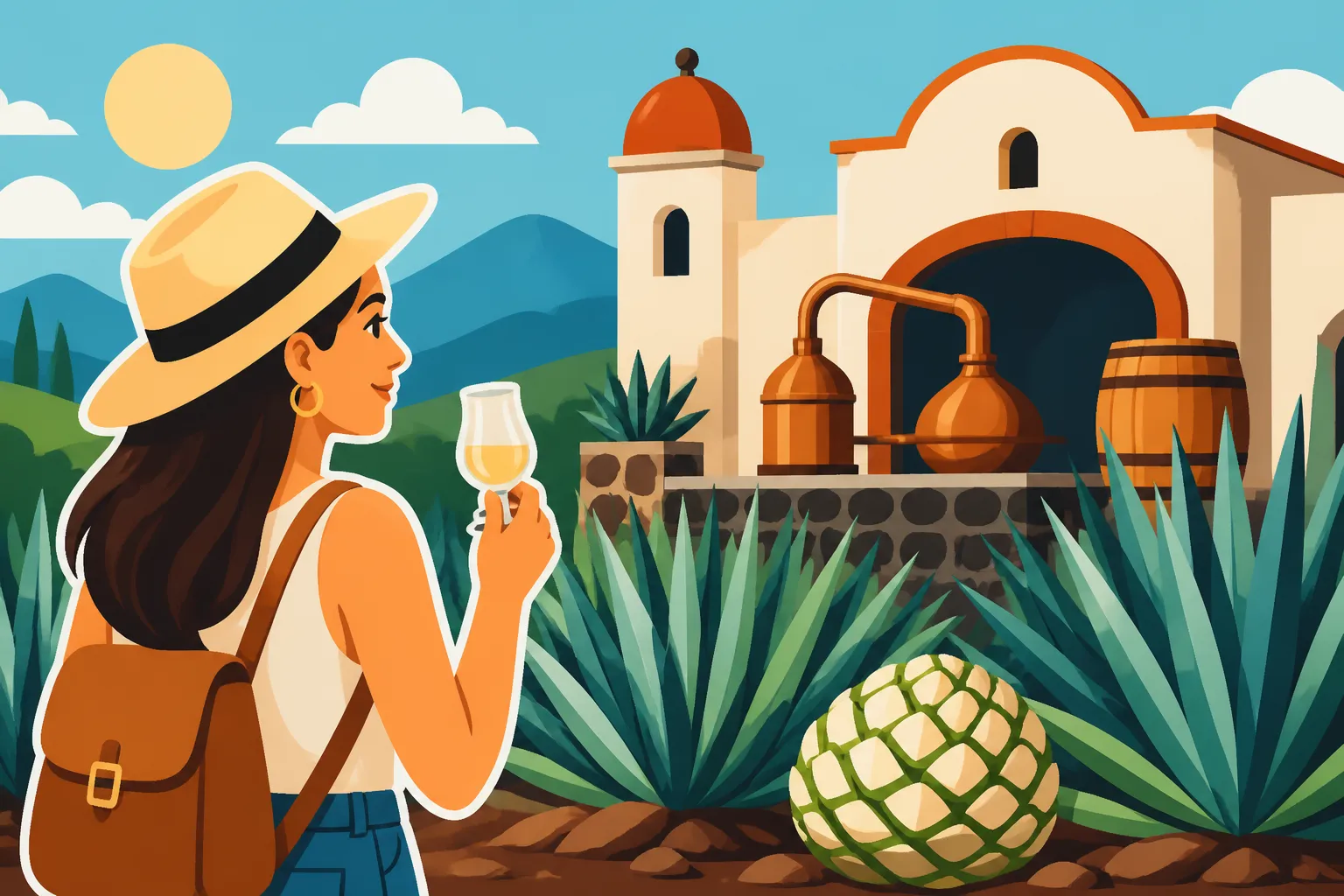
How to Visit a Tequila Distillery Near Guadalajara
Getting from the bustling streets of Guadalajara to the sprawling blue agave fields of the Tequila Valley sounds like a dream, but for many expats and travelers, the logistics can quickly become a nightmare of confusing bus schedules, expensive tourist traps, and the safety concerns of driving back after a tasting. This guide simplifies the process, offering a veteran’s perspective on how to visit a tequila distillery near Guadalajara with ease, authenticity, and safety in mind.
Disclosure: This post may contain affiliate links. We may earn a commission at no extra cost to you if you make a purchase through these links. Read full disclosure.
Choosing the Right Town: Tequila vs. Amatitán vs. El Arenal
When most people plan a trip to the "Tequila region," they automatically assume they should head straight to the town of Tequila. While Tequila is a designated "Pueblo Mágico" and is undeniably charming with its cobblestone streets and colorful plazas, it isn't the only place to experience the spirit’s heritage. In fact, many veteran expats prefer the neighboring towns for a more rustic, less commercialized experience.
Tequila: The Iconic Pueblo Mágico
Tequila is the heart of the industry and offers the most developed infrastructure for visitors. This is where you’ll find the massive, world-famous distilleries like Jose Cuervo (La Rojeña) and Sauza. The town is perfect if you want a festive atmosphere, plenty of restaurant options, and the convenience of walking between several different tasting rooms. However, be prepared for crowds, especially on weekends. It can feel a bit like a "tequila theme park" at times, which is why understanding Tequila 101: How to Taste and Where to Visit is essential before you arrive. You’ll want to know the difference between a high-volume tour and a boutique experience.
Amatitán: The Birthplace of Tradition
Just a few miles before you reach Tequila lies Amatitán. Many locals argue that this is the true birthplace of the spirit. The landscape here is dramatic, dominated by the Tequila Volcano, and the distilleries tend to be more traditional. If you are looking for a deep dive into the history of the "Tahona" (the massive stone wheel used to crush agave), Amatitán is your spot. It is home to Herradura, which offers a stunning, historic hacienda tour. Visiting Amatitán feels like stepping back in time, and it’s a great way to escape the more polished, commercial feel of the main town.
El Arenal: The Gateway to the Valley
El Arenal is the first town you hit when driving into the valley from Guadalajara. It is often overlooked, but it houses some of the most respected "purist" distilleries in the region, such as Cascahuín. For those who are serious about the chemistry and the craftsmanship of additive-free tequila, El Arenal is a mandatory stop. It lacks the tourist fluff of the other towns, providing a raw look at the production process. If you are planning How to Spend a Weekend in Guadalajara, adding a day trip specifically to El Arenal can offer a much-needed contrast to the city’s urban energy.
How to Get There: Logistics and Transport Options
The biggest hurdle for any visitor is the transportation. You are going to a region specifically to consume high-proof alcohol; therefore, driving yourself is not only risky from a safety standpoint but also increases your chances of unwanted interactions with local traffic police. In Mexico, the legal limit is very low, and "alcoholímetro" checkpoints are common.
Taking the Bus: The Local and Affordable Way
For those on a budget or looking for a flexible schedule, the bus is a fantastic option. You will want to head to the "Central Vieja" (the old bus station near the city center), not the "Central Nueva" (the new station on the outskirts). Look for the "Tequila Plus" line. These buses are clean, air-conditioned, and run every half hour. You can use platforms like Busbud to check schedules ahead of time, though buying tickets at the counter is usually straightforward. The ride takes about 1.5 to 2 hours depending on traffic. This is a great way to practice Mexican Customs, Etiquette, and Social Life by interacting with locals on their daily commute.
The Tequila Trains: Luxury and Celebration
If you want the journey to be part of the party, the Jose Cuervo Express or the Tequila Herradura Express are the gold standards. These trains depart from the Guadalajara train station and offer all-inclusive experiences with open bars, snacks, and live Mariachi music. It is an expensive option, and you are somewhat locked into their specific itinerary, but for a special occasion, it is unmatched. Just keep in mind that these often sell out months in advance, so check Booking.com for nearby hotels if you want to stay in Guadalajara the night before an early departure.
Guided Tours and Private Drivers
For a middle-ground option, many expats recommend booking a guided van tour. You can find highly rated options on Viator that include pick-up from your accommodation in Guadalajara. These tours typically visit one large distillery and one small, family-run operation, providing a balanced perspective. Alternatively, you can hire a private driver for the day. This allows you to set your own pace, visit specific distilleries like those mentioned in Visiting the Tequila Region Near Guadalajara, and stop for a famous "Cantarito" (a tequila cocktail served in a clay pot) at the roadside stalls in Amatitán.
| Transport Method | Cost (Approx. USD) | Flexibility | Best For |
|---|---|---|---|
| Tequila Plus Bus | $10 – $15 Round Trip | High | Budget travelers and solo explorers |
| Private Driver | $100 – $150 Per Day | Maximum | Small groups and connoisseurs |
| Jose Cuervo Express | $130 – $180 | Low | Special occasions and luxury seekers |
| Guided Van Tour | $50 – $80 | Medium | First-time visitors wanting a curated day |
Selecting a Distillery: From Boutique to Industrial
Not all distillery tours are created equal. Some focus on the "show"—the beautiful gardens and the history of the founding family—while others focus on the "grind"—the steam, the smell of fermenting agave, and the technicalities of distillation.
The Industrial Giants
Distilleries like La Rojeña (Jose Cuervo) are marvels of modern engineering. Walking through their facility is like seeing a high-speed assembly line. The scale is staggering. You will see thousands of liters of juice being processed at once. These tours are professionally polished and usually available in English. They are a great starting point to understand the sheer volume of the global tequila market. However, because they use modern "autoclaves" and high-pressure diffusers, the process is very different from the traditional methods used centuries ago.
The Artisanal and Boutique Gems
To truly appreciate the spirit, you must visit a place that still uses a Tahona. Distilleries like Fortaleza or Cascahuín represent the "old way." Here, you’ll see the agave hearts (piñas) being roasted in brick ovens for days rather than hours. The smell is sweeter, more like roasted sweet potatoes. These tours are often smaller, more intimate, and require advance booking. In these smaller settings, you can often speak directly with the tequilero (the master distiller). This is where you can truly learn How to Taste Tequila Like a Connoisseur, moving beyond the "salt and lime" shots of your college days and into the world of sipping and savoring.
What to Expect During the Tour
Regardless of the size, most tours follow a similar path:
- The Agave Fields: You’ll see a jimador demonstrate how to harvest the agave using a coa (a sharp, flat-bladed tool).
- The Ovens: You’ll see the piñas being loaded into ovens or autoclaves to convert starches into sugars.
- Extraction and Fermentation: The cooked agave is crushed to extract the juice, which is then left in large vats to ferment.
- Distillation: The liquid is distilled at least twice to reach the desired alcohol content.
- Aging: You’ll visit the barrel rooms where Reposado, Añejo, and Extra Añejo tequilas rest in oak.
Be mindful of Staying Safe in Mexico: Practical Tips for Travelers during these tours. Wear closed-toe shoes (the fields and factories can be messy) and stay hydrated. The combination of high-altitude sun and high-proof alcohol can hit you faster than you expect.
Planning Your Stay: Making the Most of Your Trip
While a day trip is the most common way to visit, staying overnight in the town of Tequila allows you to experience the area after the tour buses have left. The evening atmosphere in the plaza is much more local and relaxed.
Where to Stay
There are several boutique hotels that are built directly into old distillery grounds or historic haciendas. You can find these easily on Booking.com. Staying overnight also gives you the chance to explore the "Los Azules" waterfall nearby or take a morning hike up the Tequila Volcano before the heat of the day sets in. If you are coming from abroad, make sure you understand the basics of Getting Around Mexico: Buses, Flights, and Car Hire to coordinate your arrival in Guadalajara before heading to the valley.
Food and Pairing: Beyond the Drink
Don’t forget to eat! The region is famous for more than just its spirits. Try "Birria" (a spicy goat or beef stew) or "Tortas Ahogadas" (drowned sandwiches) which are staples of the Jalisco region. Many distilleries now offer high-end food pairings where they match different expressions of tequila with traditional Mexican dishes. Understanding Mexican Drinking Culture means realizing that tequila is rarely consumed in isolation; it is a social lubricant meant to accompany a long, slow meal with friends and family.
Best Time to Visit
The Tequila Valley is beautiful year-round, but the experience changes with the seasons.
- The Rainy Season (June – September): The fields are vibrantly green and the air is fresh, but you can expect heavy afternoon downpours.
- The Dry Season (October – May): The weather is more predictable and perfect for outdoor tours, but the landscape is more dusty and brown.
- November: This is a peak time due to the Dia de los Muertos celebrations and the lead-up to the National Tequila Fair in late November and early December.
No matter when you go, remember that this is a working agricultural region. Be respectful of the jimadores and factory workers. A little bit of Spanish goes a long way, so brush up on your greetings and basic phrases to show respect for the local culture.
Disclaimer
The information provided in this guide is for informational purposes only. Travel conditions, distillery availability, and transportation schedules in Mexico can change without notice. Always verify details with official sources or local operators before your trip. Consumption of alcohol should be done responsibly. Do not drink and drive.
Practical Tips for Your Visit
- Bring Cash: While large distilleries accept credit cards, many smaller operations, bus stations, and street food vendors are cash-only (Mexican Pesos).
- Sun Protection: The agave fields offer zero shade. Bring a hat, high-SPF sunscreen, and sunglasses.
- Booking in Advance: For boutique distilleries like Fortaleza, you often need to book 4-6 weeks in advance. Don't show up at the gate expecting a tour.
- Hydration: For every tasting, drink a full glass of water. The dry heat of the valley is unforgiving when combined with alcohol.
- Souvenirs: You can often buy bottles directly at the distillery that aren't available in standard liquor stores. Most airlines allow you to pack alcohol in checked luggage, but check your home country's customs limits first.