How to Visit Teotihuacán’s Pyramids
Oh, Teotihuacán! The City of the Gods. Just thinking about those majestic pyramids rising from the central Mexican plains gives me chills. But let's be real, while the thought of exploring this ancient wonder is exhilarating, the practicalities of getting there and navigating it can feel like deciphering an ancient calendar in itself, especially if you're new to Mexico. This guide is going to strip away all the confusion and give you the seasoned expat's playbook for experiencing Teotihuacán's pyramids, from figuring out transport to making sure you have the most memorable (and comfortable) visit possible.
Disclosure: This post may contain affiliate links. We may earn a commission at no extra cost to you if you make a purchase through these links. Read full disclosure.
Getting to Teotihuacán from Mexico City: Your Transport Options Unpacked
When you’re planning a trip to Teotihuacán, one of the first things that probably pops into your mind is, "How in the world do I even get there?" Mexico City is vast, and Teotihuacán is about an hour's drive away, meaning you have a few options, each with its own charm and challenges. Let's break down the most popular ways to make the journey.
Organized Tours: The Easiest Route for Peace of Mind
For many expats and tourists, especially those just finding their feet in Mexico, an organized tour is often the path of least resistance. And honestly, there's absolutely no shame in that! Mexico's public transport system, while generally efficient, can be a bit of a sensory overload and a logistical puzzle if your Spanish isn't quite there yet or if you're traveling with family.
An organized tour typically takes care of everything: round-trip transportation from a central meeting point in Mexico City (or sometimes even direct from your hotel), a knowledgeable, English-speaking guide who will bring the ancient city's history to life, and sometimes even a meal or a stop at another attraction, like the Basilica of Guadalupe or a local obsidian workshop. Companies like Viator offer a plethora of options, from half-day trips focusing solely on the pyramids to full-day excursions that include other cultural highlights.
The pros here are obvious: convenience, expert insights without needing to pull out your phone for every other detail, and the comfort of knowing you're in good hands. No need to worry about getting lost, navigating bus stations, or finding a certified guide once you arrive. The cons? You're on their schedule, which can sometimes feel a bit rushed, and it's generally the most expensive option. But for many, the trade-off for a stress-free day is well worth it. I remember when my friend, Sarah, first visited. She was so worried about getting to Teotihuacán and understanding what she was seeing that she almost skipped it. A good tour made all the difference for her, allowing her to simply absorb the experience.
Public Bus: The Budget-Friendly Adventure for the Brave
If you're feeling a bit more adventurous, or if your budget is tighter, taking the public bus is a perfectly viable and very authentic Mexican experience. It's how many locals travel, and it gives you a taste of daily life here.
Your journey will start at the Terminal Central de Autobuses del Norte (North Central Bus Terminal) in Mexico City. To get there, you'll want to take Metro Line 5 (the yellow line) to the "Autobuses del Norte" station. Once you exit the Metro, follow the signs inside the bustling terminal. You're looking for the bus company called "Pirámides" or "Autobuses Teotihuacán." Their ticket counter is usually at the very end of the terminal, often near Gate 8. The buses leave frequently, usually every 15-20 minutes, from around 6:00 AM to 6:00 PM.
When you buy your ticket, simply say "Teotihuacán, por favor." The current fare (always check as prices fluctuate, but generally it's very affordable, around 60-70 MXN one-way) is paid at the counter. The bus ride itself takes about an hour to an hour and a half, depending on traffic, and will drop you off right at one of the main entrances to the archaeological zone (usually Gate 1 or Gate 2). The return journey is just as easy: buses back to Mexico City pick up from the same spots where they drop off.
The biggest pro is the cost, which is significantly lower than a tour. It also offers more flexibility since you can go and come back when you please. The challenge? The language barrier can be a factor, and navigating the vast bus terminal can feel a bit overwhelming, especially if it's your first time. Also, you'll need to be extra mindful of your belongings, just like in any busy transport hub. Platforms like Busbud can sometimes help you check schedules and even book tickets online in advance, which can alleviate some of the on-the-ground stress. Just prepare for a genuine slice of Mexican life!
Driving Yourself: For the Independent Explorer with a Car
Renting a car and driving to Teotihuacán offers the ultimate in flexibility, allowing you to go at your own pace, stop wherever you like, and potentially combine your trip with other nearby attractions not usually covered by tours.
From Mexico City, you'll take the Mexico-Pachuca highway (Autopista 132D). It's a toll road (cuota), which means it's usually well-maintained and faster than the free (libre) roads. Expect to pay a few tolls along the way, so make sure you have small bills or coins handy. The drive typically takes about 45-60 minutes without heavy traffic. There are several parking lots at the Teotihuacán site, one for each main entrance, and they usually charge a small fee.
The freedom to explore on your own schedule is, of course, the main draw. You could, for instance, swing by a local pulquería on your way back, or explore the charming town of San Martín de las Pirámides for lunch. However, driving in Mexico City itself can be a daunting experience, with aggressive drivers, complex routes, and sometimes confusing signage. Also, make sure your rental car comes with full Mexican insurance – it's non-negotiable and often not covered by your home country's policy. I once tried driving my own car here and, while it was an adventure, the sheer volume of cars and lack of clear lane markings near the city meant I spent more time focusing on traffic than the scenery!
| Transport Method | Estimated Cost (Round Trip) | Travel Time (One Way) | Convenience | Guide Included | Notes |
|---|---|---|---|---|---|
| Organized Tour | $50 – $150+ USD | ~1.5 – 2 hours | High | Yes | Prices vary based on inclusions (meals, stops) |
| Public Bus | $6 – $8 USD (100-140 MXN) | ~1 – 1.5 hours | Medium | No | Requires navigating Metro and bus terminal |
| Driving Yourself | $30 – $80+ USD (rental + gas + tolls) | ~45 – 60 minutes | High | No | Ultimate flexibility, but requires confidence driving in Mexico |
Remember, no matter how you choose to go, make sure to consider your comfort level with Mexican infrastructure and your command of Spanish. For many, a pre-booked tour found on sites like Booking.com or Viator is simply the most straightforward way to see this incredible site without added stress.
Navigating the Ancient City of Teotihuacán
Once you've made it to Teotihuacán, the sheer scale of the place will probably hit you. It's massive, sprawling, and absolutely awe-inspiring. But don't let its size intimidate you! With a little planning, you can navigate it like a pro.
Entry Points and Tickets
Teotihuacán has several entrances, which can be a bit confusing. The most common ones for visitors are Gate 1, Gate 2, Gate 3, and Gate 5.
- Gate 1 is typically where public buses drop you off and where many tours start. It's close to the Citadel and the Temple of Quetzalcoatl.
- Gate 2 is near the Pyramid of the Sun.
- Gate 3 is close to the Museum of the Teotihuacán Culture.
- Gate 5 is at the far northern end, near the Pyramid of the Moon, and is often where hot air balloon companies meet their groups.
I usually recommend trying to enter at Gate 1 or 2, as it puts you right into the heart of the site. Tickets are purchased at the entrance booths. In 2026, expect the price to be around 90-100 MXN per person, but it's always good practice to check the official INAH (Instituto Nacional de Antropología e Historia) website for the most current pricing. They generally accept cash (Mexican pesos) and sometimes card, but cash is always your safest bet.
The archaeological zone is open daily from 9:00 AM to 5:00 PM, with the last entry at 4:30 PM. My absolute top tip: get there as early as possible! Not only will you beat the crowds that start rolling in around 10:00 AM or 11:00 AM, but you'll also avoid the fiercest midday sun, which can be brutal on the exposed plains. An early start makes a huge difference to your enjoyment.
The Avenue of the Dead and Key Structures
The heart of Teotihuacán is the magnificent Avenue of the Dead (Calzada de los Muertos), a nearly 4-kilometer long central axis that connects the site's most important structures. Walking down this grand avenue is like stepping back in time.
As you walk, you'll encounter:
- The Citadel (La Ciudadela) and the Temple of Quetzalcoatl: Located near the southern end (close to Gate 1), the Citadel is a massive enclosed plaza that could house the entire population of the city in times of crisis. Within it lies the Temple of Quetzalcoatl, adorned with incredible serpent heads and other carvings. The intricate details here are mind-boggling.
- The Pyramid of the Sun (Pirámide del Sol): This colossal structure dominates the eastern side of the Avenue of the Dead. It's the third-largest pyramid in the world. While historically visitors could climb all the way to the top, it's important to note that as of recent years, climbing the Pyramid of the Sun is currently restricted for conservation purposes. You can still walk around its base and appreciate its sheer scale. It's a truly humbling experience.
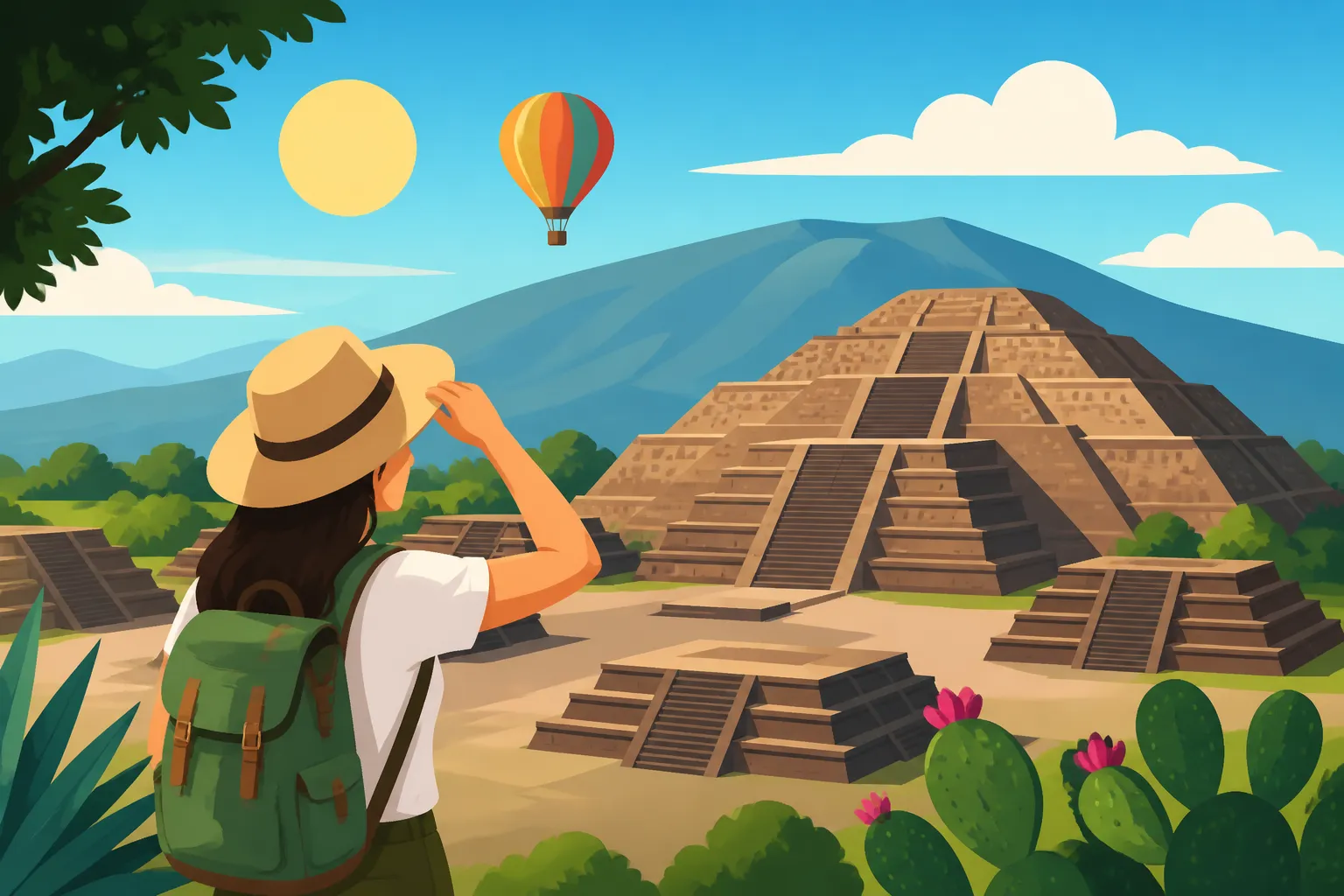
- The Pyramid of the Moon (Pirámide de la Luna): At the northern end of the Avenue, this pyramid is slightly smaller but equally impressive. It mirrors the Cerro Gordo mountain behind it. Similar to the Pyramid of the Sun, direct climbing to the very top is also restricted. You can usually access a lower platform, offering fantastic panoramic views down the Avenue of the Dead, but this can also change, so check current site rules upon arrival.
- Palace of Quetzalpapálotl and Palace of the Jaguars: These well-preserved palaces, located near the Pyramid of the Moon, offer a glimpse into the opulent lives of Teotihuacán's elite, with impressive murals and carvings. Access here is sometimes possible to specific sections, which is a great way to see intricate Teotihuacán artwork up close.
Plan on spending at least 3-4 hours exploring the main structures. If you're going without a guide, I highly recommend downloading an offline map and doing a bit of research beforehand to understand what you're looking at. The sheer scope of the site can make it hard to grasp without some context.
Facilities and Amenities on Site
You won't find a Starbucks inside the archaeological zone, but there are some basic facilities available to visitors.
- Restrooms: Located near the entrances and often by the museum. They are usually well-maintained, but bringing your own hand sanitizer is never a bad idea.
- Gift Shops: You'll find vendors selling souvenirs (obsidian carvings, pottery, textiles) outside the main gates and sometimes small stalls within the outer perimeter. Be prepared to haggle politely if you're buying from independent vendors!
- Food Vendors: Again, primarily outside the main entrances. You'll find quick snacks, drinks, and sometimes local eateries offering quesadillas, tacos, and other simple Mexican fare. It's a good idea to bring your own water and a few snacks inside, especially if you plan on spending several hours exploring.
Don't forget the Museo de la Cultura Teotihuacana (Museum of Teotihuacán Culture), located near Gate 3. This museum is absolutely worth your time, especially after you've walked among the pyramids. It provides invaluable context to the structures you've seen, showcasing artifacts, models, and explanations of Teotihuacán society, religion, and daily life. It helps connect the dots and turns the impressive ruins into a living history lesson. It's often included in the admission ticket price.
Elevate Your Teotihuacán Experience
While simply walking among the pyramids is incredible, there are ways to deepen your understanding and create an even more unforgettable memory of Teotihuacán.
Hiring a Local Guide for Deeper Insights
If you didn't opt for an organized tour that includes a guide, consider hiring one once you arrive at the site. You'll find licensed guides near the main entrances, easily identifiable by their official badges.
The benefits of hiring a local guide are immense. They can provide a wealth of historical context, explain the complex cosmology and rituals of the Teotihuacanos, and point out details you might otherwise miss. They can also share fascinating stories and local legends, making the stones truly come alive. A good guide can condense centuries of history into an engaging narrative, turning a walk through ruins into an immersive journey.
When hiring a guide, always confirm they are officially licensed (they should have a badge from SECTUR, the Ministry of Tourism, or INAH). Negotiate the price and the duration of the tour beforehand. A typical tour might last 1.5 to 2 hours and cover the main highlights. Don't be afraid to haggle a little, but also be fair – these guides make their living sharing their heritage. While some might be a bit pushy to get your business, a firm but polite "no, gracias" usually works, or just take your time to choose one you feel comfortable with.
Sunrise Hot Air Balloon Ride: A Breathtaking Perspective
For a truly once-in-a-lifetime experience, consider a hot air balloon ride over Teotihuacán at sunrise. Imagine floating silently above the ancient city as the sun paints the sky with vibrant colors, illuminating the Pyramids of the Sun and Moon from above. It's an absolutely magical perspective you won't get any other way.
Most balloon companies offer packages that include early morning pick-up from Mexico City, a light breakfast, the balloon ride (usually about an hour), and then often another breakfast or celebratory toast after landing, followed by transport back to the city or direct to the archaeological zone for ground exploration. You'll need to book this well in advance, as it's a very popular activity.
This experience isn't cheap, but it's universally described as unforgettable. The early start (you'll be picked up pre-dawn!) is a small price to pay for such a majestic view. Just be aware that these flights are weather-dependent, so there's always a slight chance of cancellation or rescheduling if conditions aren't safe. Viator is a great platform to find reputable hot air balloon operators, as they vet many local providers.
Combining Your Visit with Other Nearby Attractions
Depending on your mode of transport and how much time you have, you might want to combine your Teotihuacán trip with other interesting sites. Many organized tours already do this, including:
- Basilica of Guadalupe: Mexico's most important religious site, often paired with Teotihuacán on full-day tours due to its proximity to the highway route.
- Tlatelolco: An archaeological site in Mexico City itself, significant for its pre-Hispanic, colonial, and modern history, often briefly visited on some tours.
- Acolman Ex-Convent: A stunning 16th-century Augustinian convent that offers a beautiful example of early colonial architecture and religious art. It's very close to Teotihuacán.
- Local Pulquerías or Obsidian Workshops: Some tours or private drivers might take you to a local pulquería (a traditional Mexican fermented agave drink) for a tasting, or to an obsidian workshop where you can see the volcanic glass being carved and shaped. These give you a taste of local craft and tradition outside the main archaeological zone.
If you're driving yourself, you have the freedom to craft your own itinerary, perhaps including a stop in a charming nearby town for an authentic Mexican lunch before heading back to the bustling capital. Considering a Day Trips and Weekend Getaways Across Mexico article could offer more ideas for similar adventures.
Essential Tips for a Smooth Teotihuacán Trip
Even with all your planning, a few simple tips can make your visit infinitely more comfortable and enjoyable. As an expat who's learned these lessons the hard way, trust me on this!
What to Bring and Wear
This is crucial. Teotihuacán is an expansive outdoor site with very little shade.
- Sun Protection: A wide-brimmed hat, sunglasses, and high-SPF sunscreen are non-negotiables. You will be exposed to the sun for hours, and the Mexican sun is no joke.
- Comfortable Shoes: You'll be doing a lot of walking, often on uneven terrain, gravel, and stone paths. Sneakers or sturdy walking sandals are essential. Leave the flip-flops and heels at home!
- Water: Bring at least 1.5 to 2 liters of water per person. There are vendors outside the gates, but having it readily available inside is critical to avoid dehydration.
- Small Backpack: To carry your water, snacks, sunscreen, and any souvenirs.
- Layered Clothing: Mornings can be cool, especially if you're heading out early, but it heats up quickly. Layers will allow you to adjust comfortably.
- Cash (Mexican Pesos): For entrance tickets, small purchases from vendors, water, snacks, or a tip for a guide. While some places accept cards, cash is king, especially at archaeological sites. You can learn more about Money for Travel in Mexico: Cash, Cards, and ATMs to prepare.
Food, Water, and Staying Hydrated
As mentioned, opportunities for food and drink inside the actual archaeological zone are very limited. There are some casual eateries and souvenir shops clustered just outside the main entrances, offering tacos, quesadillas, and other simple fare. However, if you plan to spend hours exploring, definitely bring your own water bottle (or two!) and some non-perishable snacks like granola bars or fruit. Dehydration can creep up on you quickly in the heat and at altitude.
I remember one scorching afternoon, my friend forgot her water and ended up feeling lightheaded. We had to cut our visit short. Don't be that person! Staying hydrated is key to enjoying your time. For a general understanding of Mexican Food Culture: Eating and Drinking as a Visitor, there's plenty to explore.
Safety and Respectful Visiting
General travel safety applies here. If you're using public transport, keep your belongings close and be aware of your surroundings, especially in busy terminals. For more comprehensive advice, check out Staying Safe in Mexico: Practical Tips for Travelers.
Once at Teotihuacán, remember you are visiting a sacred archaeological site of immense historical importance.
- Respect the Rules: Adhere to any signs regarding restricted areas. Do not litter, climb on structures where it's prohibited (like the main pyramids now), or touch ancient carvings.
- Altitude: Teotihuacán sits at over 2,200 meters (7,500 feet) above sea level. If you're coming from a lower elevation, you might feel the effects, especially if you're exerting yourself. Take it easy, walk slowly, and drink plenty of water.
- Vendors: You might encounter persistent vendors inside the site selling trinkets. A polite "no, gracias" and continuing to walk is usually sufficient.
A trip to Teotihuacán is truly a highlight of any visit to Mexico. It's a place that transcends time, offering a profound connection to an ancient civilization. By preparing thoughtfully and knowing what to expect, you can ensure your visit is not only smooth but deeply enriching. Enjoy stepping into the footsteps of giants! For more on Mexican Customs, Etiquette, and Social Life, to help you interact respectfully, there's a lot to learn. And if you're wondering how to get to the capital city in the first place, our guide on How to Get From Mexico City Airport to the Center might be useful!
Disclaimer
The information provided in this guide is for general informational purposes only and is subject to change. While we strive to provide up-to-date and accurate advice, details such as prices, opening hours, and specific site regulations (like pyramid climbing restrictions) can vary without prior notice. Always verify critical information with official sources (e.g., INAH website, tour operators) before your trip. Travel insurance is highly recommended for all visitors.