How to Travel Mexico Slowly Over a Month
Are you tired of feeling rushed on your Mexican vacations, cramming countless sights into a whirlwind week or two, only to return home more exhausted than when you left? Many foreigners find themselves stuck in this frantic cycle, missing out on the genuine rhythm of life here. This guide is all about slowing down, savoring, and truly experiencing Mexico over a full month, transforming your trip from a checklist sprint into a deep cultural immersion.
Disclosure: This post may contain affiliate links. We may earn a commission at no extra cost to you if you make a purchase through these links. Read full disclosure.
Why Slow Travel in Mexico for a Month?
When you first arrive in Mexico, especially if it’s your first time, the sheer vastness and vibrant energy can be overwhelming. Standard tourist trips often leave you feeling like you've barely scratched the surface, moving from one famous landmark to the next without truly understanding the heart and soul of the place. That's where slow travel, particularly over an entire month, really shines. It's not just about spending more time; it's about spending it differently.
The Benefits of a Longer Stay
A month in Mexico gives you the incredible luxury of time – time to let your guard down, to get lost (and found!), and to connect with local life beyond the tourist bubble. Instead of rushing between cities, you can unpack, settle into a neighborhood, and start feeling like you live there, even if just temporarily. This longer exposure allows you to observe daily routines, understand local customs, and appreciate the nuances that fly by in a shorter visit. You'll learn the best times to go to the market, discover hidden gem eateries, and even start recognizing familiar faces in your local tienda.
This extended period also drastically reduces travel stress. No more panicked departures or frantic searches for the next bus. You can leisurely plan your next move, or even better, realize you love where you are and extend your stay in one spot. It’s about quality over quantity, diving deep into one or two regions rather than trying to see "everything" and seeing nothing truly.
Embracing the Mindset of Immersion
Slow travel is a mindset shift. It’s about curiosity, adaptability, and an open heart. It means trading packed itineraries for spontaneous adventures – a random fiesta in the town square, an invitation to a family meal, or simply sitting in a park and people-watching for hours. You’re not just a spectator; you become a temporary participant in Mexican life.
This approach encourages you to try things you might otherwise avoid, like taking public transport, attempting to speak Spanish (even if badly!), or seeking out local markets rather than tourist shops. It’s in these authentic interactions and daily discoveries that the magic of Mexico truly unfolds. You'll learn to appreciate the slower pace, the long lunches, the afternoon siestas, and the emphasis on human connection over frantic productivity. You'll also learn to cope with the inevitable administrative quirks and occasional delays that are simply part of life here, without letting them derail your entire trip.
Crafting Your Month-Long Itinerary: Regions and Flow
Mexico is a huge country, boasting incredible diversity from bustling metropolises to serene beaches, ancient ruins to vibrant colonial cities. A month, while generous, still isn't enough to see it all. The key to successful slow travel here is to pick a maximum of two, maybe three, distinct regions and explore them thoroughly.
Choosing Your Regions Wisely
When planning your month-long adventure, consider what kind of experience you're seeking. Do you dream of ancient civilizations and Caribbean beaches? Then the Yucatán Peninsula might be your focus. Craving art, history, and incredible food? Central Mexico, perhaps starting in Mexico City and fanning out to Oaxaca or San Miguel de Allende, would be ideal. Want stunning mountains and vibrant indigenous culture? Chiapas could be a deep dive.
Here’s a quick overview of some popular regions for slow travel:
| Region | Vibe & Focus | Why it Suits Slow Travel |
|---|---|---|
| Yucatán Peninsula | Mayan ruins, cenotes, Caribbean beaches, colonial cities (Mérida, Campeche) | Excellent infrastructure, diverse activities, easy to combine history, nature, and relaxation. |
| Central Highlands | Mexico City, Oaxaca, San Miguel de Allende, Guanajuato, Puebla; rich history, art, food | Hubs offer endless exploration; smaller cities provide charming, walkable immersion. Great food! |
| Pacific Coast | Puerto Vallarta, Oaxaca's coast (Puerto Escondido), Riviera Nayarit; beaches, surf, bohemian towns | Relaxed beach vibe, opportunities for water sports, stunning sunsets, varied small towns. |
| Chiapas | Lush jungles, ancient Palenque, indigenous communities, San Cristóbal de las Casas | Offers a deep dive into culture and nature, slower pace due to mountainous terrain and remote areas. |
Avoid the temptation to jump between wildly disparate regions. For instance, combining the Yucatán with Baja California in one month would be too much travel and not enough living. Focus on depth.
Designing a Flexible Flow
Once you've chosen your region(s), map out a loose itinerary. The beauty of a month-long trip is that it doesn't need to be rigid. I recommend designating a "base" city or town for at least a week, perhaps even two. From there, you can take day trips or shorter overnight excursions to nearby attractions, always returning to your familiar temporary home. This reduces the constant packing and unpacking that can quickly exhaust you.
For example, if you chose the Yucatán, you could spend 10 days in Mérida, doing day trips to Uxmal or nearby haciendas. Then move to a beach town like Puerto Morelos for a week of relaxation and snorkeling, perhaps with a trip to a cenote. Finish your month with a deeper dive into Mayan culture around Valladolid or even Palenque, though Palenque is a bit further afield into Chiapas. The goal is to allow for spontaneity. If you fall in love with a place, stay an extra few days! If a town isn't quite what you expected, you can move on without feeling like you've wasted precious time.
Getting Around Mexico: Embracing the Journey
When you have a month, transportation becomes less about speed and more about experience. Forget the whirlwind flights; embrace the journey. Mexico has an excellent and affordable public transportation network that truly allows you to see the country, its people, and its landscapes up close.
Buses: The Expat's Preferred Mode
For medium to long-distance travel across Mexico, luxurious long-distance buses are often the gold standard. Companies like ADO offer comfortable, reliable, and sometimes surprisingly posh services between major cities. They have different classes, from the basic (still very comfortable) to ADO GL and Platinum, which boast fewer stops, wider reclining seats, and even personal entertainment screens.
Taking the bus isn't just transport; it's a window into Mexican life. You'll see the countryside, stop at various terminals bustling with local vendors, and share the journey with Mexican families heading to visit relatives. I always recommend booking tickets a day or two in advance, especially for popular routes or during holidays. You can easily do this online through sites like Busbud or directly at the bus station. Be prepared for longer travel times than you might expect, but think of it as part of the slow-travel experience – more time to read, listen to music, or simply gaze out the window. If you're keen to learn more about the bus system, check out our guide on Long-Distance Buses in Mexico: ADO and Premium Lines.
Domestic Flights for Longer Hauls
While slow travel encourages overland journeys, Mexico is vast, and sometimes a flight is simply necessary to save days of travel. If you're looking to jump from, say, Mexico City to Cancún or Tijuana to Oaxaca, a domestic flight with airlines like Volaris, Viva Aerobus, or Aeromexico can be a time-saver. These are generally affordable, especially if booked in advance.
However, remember the trade-off: flights cut down on the "seeing the country" aspect. They take you from airport to airport, often far from city centers, and involve more waiting and security checks. Use them strategically, perhaps for one major jump between your chosen regions, and then rely on buses for shorter legs within those regions. For more detailed insights, you can read our article on Domestic Flights in Mexico: Airlines and Booking Tips.
Local Transport: Colectivos, Taxis, and City Buses
Within cities and for short distances to nearby towns, you'll be using local transport. Colectivos are shared vans or taxis that run fixed routes, often picking up and dropping off passengers along the way. They're incredibly cheap and efficient, though navigating them might require a little Spanish and a keen eye. Taxis and ride-sharing apps like Uber and Didi are widely available in larger cities. Always confirm the fare or ensure the meter is running (if applicable) before you set off with a street taxi.
Embrace the city bus systems too! Mexico City, for example, has an extensive and very affordable Metro and Metrobús system. Figuring out how to use them can feel daunting at first, but it quickly becomes second nature, and it’s a great way to experience daily life alongside locals.
Deep Dive: What a Month Looks Like in a Few Key Regions
Let's talk brass tacks. How does a month-long slow travel itinerary actually play out? Here are a couple of examples focusing on distinct regions, demonstrating how you can blend exploration, relaxation, and genuine immersion.
Central Mexico: Culture, History, and Culinary Delights
Imagine starting your month in the bustling heart of the country: Mexico City.
-
Week 1: Mexico City Immersion (10-12 days)
- Settle into a neighborhood like Roma Norte, Condesa, or Coyoacán. Rent an apartment through Booking.com or a similar platform for an authentic feel.
- Spend your first few days just being. Explore your immediate surroundings on foot, discover your local tortillería, and get comfortable with the rhythm of the city.
- Visit iconic sites like the Zócalo, the Palacio de Bellas Artes, and the National Museum of Anthropology. Don't rush these; take your time. You can find excellent tours for these spots on Viator if you want some guided context, but leave plenty of time for solo wandering.
- Dedicate separate days to neighborhoods like Coyoacán (Frida Kahlo's Casa Azul, Mercado de Coyoacán) and Xochimilco (colorful trajineras).
- Eat! Explore the incredible street food, visit various markets, and perhaps take a cooking class. Mexico City is a culinary paradise.
- Take a day trip to the ancient pyramids of Teotihuacán.
- Read more about this vibrant city in our Mexico City for First-Time Visitors: Neighborhoods and Highlights guide.
-
Week 2 & 3: Oaxaca and its Surroundings (10-12 days)
- Take a comfortable overnight bus (around 6-7 hours) from Mexico City to Oaxaca City.
- Find a charming rental in Oaxaca and truly unpack. This city is famous for its art, mezcal, and incredible food.
- Spend days wandering the colorful streets, visiting artisan markets, and sampling mole in its many forms.
- Take a day trip to Monte Albán, the ancient Zapotec ruins, and another to Hierve el Agua, the petrified waterfalls, stopping at a mezcal palenque on the way.
- Explore nearby artisan villages like Teotitlán del Valle (textiles) or San Bartolo Coyotepec (black pottery).
- This city warrants its own deep dive, which you can find in our Oaxaca City Guide: Markets, Mezcal, and Art.
-
Week 4: Puebla or San Miguel de Allende (5-7 days)
- From Oaxaca, you can bus to Puebla (4-5 hours) or back to Mexico City and then to San Miguel de Allende (4 hours from CDMX).
- Puebla: Known for its Talavera pottery, Baroque architecture, and delicious cemitas and chiles en nogada. It’s a very walkable city with a relaxed pace, perfect for winding down.
- San Miguel de Allende: Famous for its stunning colonial architecture, art scene, and large expat community. It's beautiful but can be more touristy.
- Choose one based on your preference for a quieter, more local feel (Puebla) or a more international, artsy vibe (San Miguel). Enjoy your final days soaking in the unique atmosphere before heading back to a major airport for your departure.
Yucatán Peninsula: From Mayan Majesty to Caribbean Bliss
If ancient history and stunning Caribbean waters are calling your name, the Yucatán is an excellent choice for a month of slow travel.
-
Week 1: Mérida & Colonial Charm (7-10 days)
- Fly into Mérida or Cancún and take a comfortable bus to Mérida.
- Rent an Airbnb or hotel for a week in the historic center. Mérida is considered one of Mexico's safest cities, with a rich cultural scene.
- Spend your days exploring the city's plazas, museums, and vibrant markets. Enjoy live music and folk dancing in the main square most evenings.
- Take a day trip to the impressive Mayan ruins of Uxmal, often less crowded than Chichén Itzá, or explore nearby cenotes.
- Learn more about this beautiful city in our Mérida City Guide: Colonial Charm in the Yucatán.
-
Week 2: Riviera Maya & Beaches (7-10 days)
- Take a bus from Mérida to a base on the Riviera Maya, such as Playa del Carmen or Tulum.
- Choose a town that suits your style – Playa del Carmen is livelier, Tulum offers a more bohemian, eco-chic vibe.
- Spend your days relaxing on the beach, swimming in cenotes, or snorkeling/diving in the Caribbean.
- Take a day trip to the Tulum ruins, perched dramatically overlooking the sea, or explore more cenotes.
- Consider a day trip to Cozumel for fantastic diving and snorkeling.
-
Week 3 & 4: Valladolid, Bacalar, or Holbox (10-14 days)
- Option 1 (Culture & Nature): Head inland to Valladolid, a charming Pueblo Mágico. Use it as a base to explore more cenotes, visit Ek Balam ruins, and perhaps even make a trip to Chichén Itzá (go early!). After a few days, take a bus south to Bacalar, known for its stunning "Lagoon of Seven Colors." Spend your final days relaxing by the lagoon, kayaking, and soaking in the tranquil beauty.
- Option 2 (Island Bliss): From the Riviera Maya, head north to the port town of Chiquilá and take a ferry to Isla Holbox. This car-free island offers a very laid-back atmosphere, beautiful beaches, and opportunities for wildlife viewing (whale sharks in season). Spend your remaining time here, completely unwinding before your journey home from Cancún.
- Both options offer a wonderful blend of natural beauty and a slower pace to round out your month.
Daily Life: Integrating and Immersing
To truly slow travel, you need to embed yourself in the daily rhythms of Mexico. This isn't just about where you go, but how you live once you're there.
Accommodation: Finding Your Temporary Home
For a month-long stay, skipping hotels for self-catering accommodation is key. Websites like Booking.com, Airbnb, and local rental groups on Facebook are your best friends. Look for furnished apartments or even rooms in guesthouses that offer weekly or monthly discounts. This gives you a kitchen to cook some of your own meals (saving money and giving you a taste of local ingredients) and a more authentic sense of "home."
Living in an apartment allows you to frequent local markets, discover smaller, family-run eateries, and engage with your neighbors. You'll learn the routines of the neighborhood – the fruit vendor's cart, the sound of the gasera truck, the local kids playing in the street. For a deeper understanding of the rental process, refer to our Renting a Home in Mexico: Complete Expat Guide to Leases, Deposits, and More.
Eating Like a Local
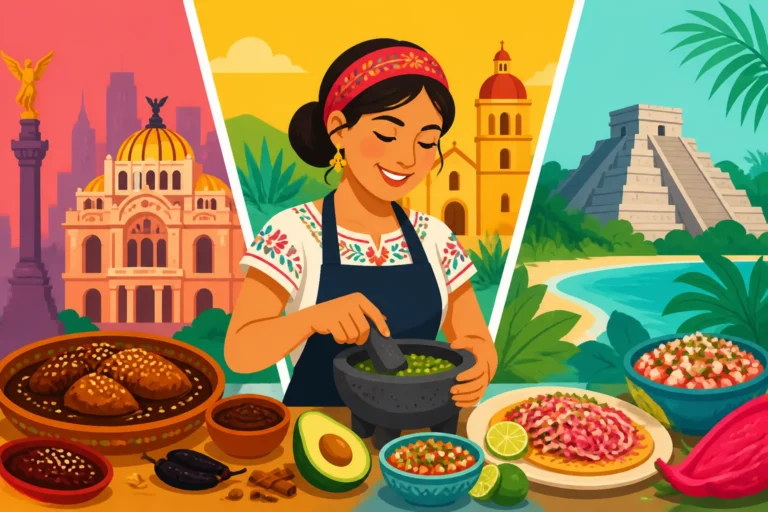
One of the greatest joys of Mexico is its food. While street food and restaurants are amazing, a month gives you the chance to delve deeper. Visit local mercados (markets) daily. Buy fresh produce, tortillas, and local cheeses. Experiment with cooking Mexican dishes in your rented kitchen. Ask vendors for recommendations – even with limited Spanish, a smile and pointing can go a long way.
Don't be afraid to try the fondas and cocina económicas – small, unassuming eateries often tucked away on side streets, serving delicious, affordable, home-style Mexican food, often with a comida corrida (set lunch menu). This is where locals eat, and it’s a genuine culinary experience. Our Mexican Food Culture: Eating and Drinking as a Visitor article can help you navigate this delicious world.
Connecting Through Language and Culture
Even if your Spanish is rusty (or non-existent), a month is a fantastic opportunity to improve it. Take a few hours of classes a week, or simply commit to using what you know in daily interactions. Locals are generally very patient and appreciative of the effort. Even learning basic phrases like "Hola," "Gracias," "Por favor," and "Cuánto cuesta?" will make a huge difference.
Beyond language, observe and learn cultural nuances. Mexicans are warm and social. Take time to greet people, make eye contact, and be present in conversations. Politeness and respect go a long way. This includes understanding things like la hora mexicana (Mexican time, which can be a bit more flexible) and the importance of family. For a head start, check out Learning Spanish in Mexico: Top Tips and Resources for Expats and What Mexican Slang Should Visitors Know?.
Staying Connected
Reliable internet and phone service are easily acquired. Pick up a local SIM card from providers like Telcel, AT&T, or Movistar. This will give you mobile data for navigation, communication, and keeping in touch with loved ones. Many rental accommodations will include Wi-Fi. Having a local number makes it easier to make reservations, call a taxi, or connect with any newfound friends. Dive into our guide on Internet and Mobile Phone Plans in Mexico: Staying Connected as an Expat for more details.
By integrating these small habits into your daily routine, your month-long trip will transform from an extended vacation into a rich, immersive experience where you truly begin to understand and appreciate the beautiful complexities of Mexico.
Staying Safe and Sound During Your Extended Stay
Living in Mexico for a month allows you to develop a routine and a sense of familiarity, which naturally contributes to feeling safer. However, it's always wise to stay informed and follow common-sense precautions.
Everyday Safety Practices
Like any country, Mexico has its safer areas and areas best avoided. By choosing a reputable neighborhood for your month-long stay and familiarizing yourself with your immediate surroundings, you'll inherently reduce risks. Always be aware of your belongings, especially in crowded markets or on public transport. Avoid overtly displaying expensive jewelry or electronics.
Trust your gut feeling. If a situation or an area feels off, it probably is. Don't walk alone at night in unfamiliar areas. Use ride-sharing apps or authorized taxis, especially after dark. Always let someone know your plans if you're venturing out alone. For a comprehensive overview, our guide on Staying Safe in Mexico: Practical Tips for Travelers is an invaluable resource.
Health Considerations
A month allows you to be more proactive with your health. Get comfortable with bottled water, as tap water is generally not safe to drink. Be mindful of street food hygiene – look for busy stalls with high turnover, where food is cooked fresh in front of you. Carry hand sanitizer, especially when eating out.
If you have a minor ailment, a trip to a local pharmacy with a consultorio (small attached clinic) is often a quick and affordable way to see a doctor and get basic medications. For more serious concerns, knowing the location of a private hospital nearby can provide peace of mind. Given you're staying for a month, it's a good idea to ensure you have decent travel insurance that covers medical emergencies.
Handling Money and Communication
For an extended stay, it's wise to have a mix of payment methods: a debit card for ATM withdrawals, a credit card for larger purchases, and a decent amount of cash for smaller vendors and tips. Inform your bank of your travel plans to avoid card freezes. When using ATMs, stick to those inside banks or reputable stores during business hours.
Keep your phone charged and handy for emergencies or translations. Having a local SIM card is invaluable for this. Knowing a few key phrases in Spanish for emergencies (e.g., "Necesito un médico," "Ayuda!") can make a huge difference. You'll find that with a month to explore, these practical considerations quickly become part of your normal routine, allowing you to focus on the joys of discovering Mexico.
Disclaimer
Please remember that travel information and regulations, including visa rules and health advisories, can change. While we strive to provide the most up-to-date and accurate information, it's always essential to verify current requirements with official government sources and consult with professionals for legal, financial, or medical advice tailored to your personal situation.