How to Stay Safe Taking Taxis in Mexico
Moving to or traveling in Mexico, one of the first things you'll grapple with is transportation. While hugely convenient, especially after a long day of sightseeing or a late dinner, the idea of hopping into a taxi can spark a bit of anxiety for newcomers. Trust me, I've been there, staring at a line of cabs and wondering which one is actually safe. This guide aims to clear up those worries and equip you with the knowledge to navigate Mexico's taxi services with confidence, ensuring your rides are as smooth and secure as possible.
Disclosure: This post may contain affiliate links. We may earn a commission at no extra cost to you if you make a purchase through these links. Read full disclosure.
Understanding Mexico's Taxi Landscape
Mexico's transportation scene is vibrant and varied, and taxis are a huge part of it. But it's not a one-size-fits-all situation, and understanding the different types is your first step to feeling secure. For us expats and visitors, distinguishing between the options can sometimes feel like trying to decipher an ancient Nahuatl text, but it's crucial for your peace of mind.
The Different Kinds of Taxis You'll Encounter
First off, let's talk about the various 'flavors' of taxis you'll find here. Each has its own set of rules, benefits, and, yes, potential pitfalls.
-
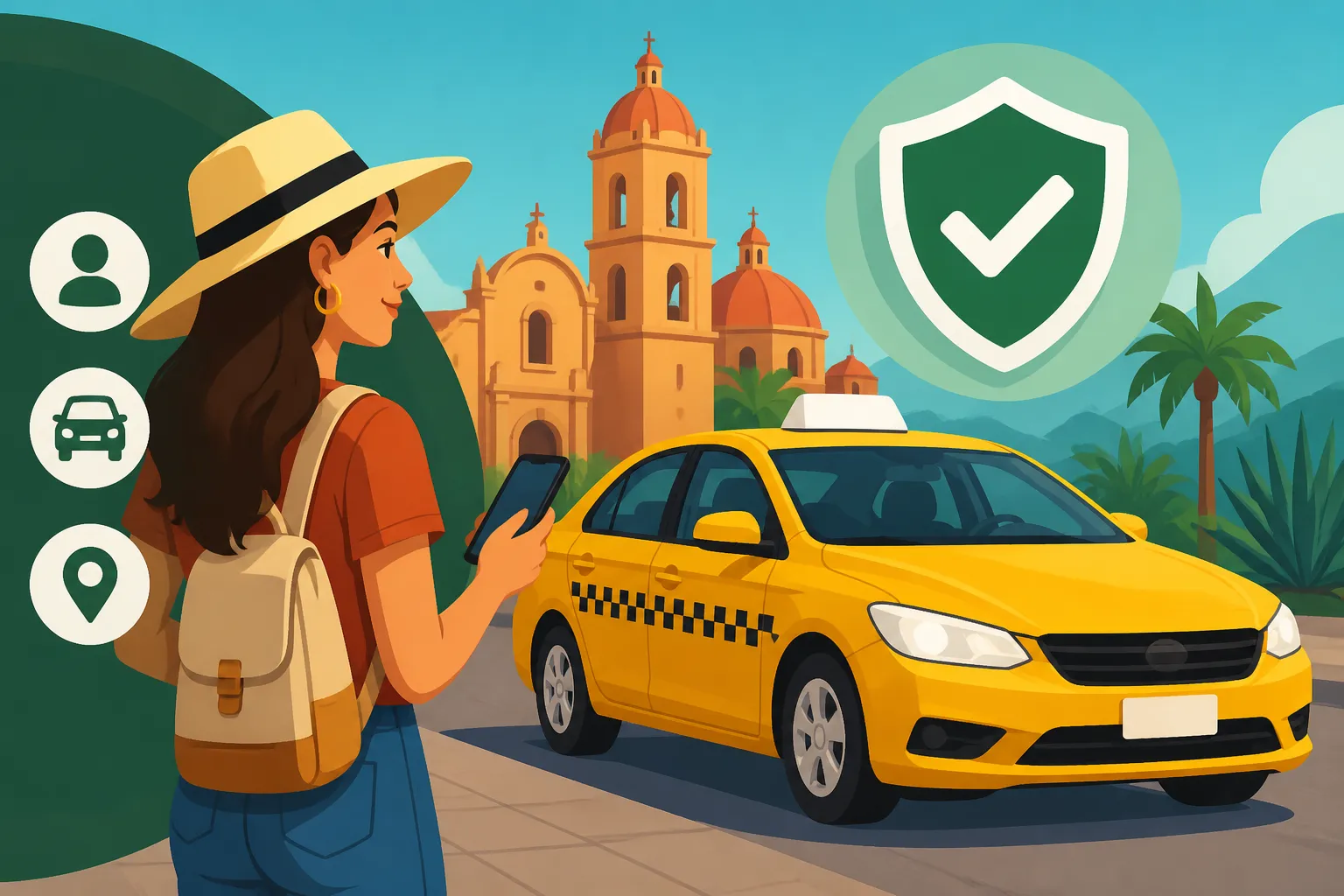
App-Based Ride Services (Uber, Didi, Cabify): These are, for many, the go-to option, especially in larger cities like Mexico City, Guadalajara, and Monterrey. The biggest draw? Transparency. You get to see the driver's name, vehicle details, and license plate number before they even arrive. The route is tracked via GPS, and you know the fare upfront. Plus, payment is cashless, which eliminates any haggling or "no change" scams. The downside? They're not available everywhere, especially in smaller towns or less populated areas, and sometimes, particularly at airports, there might be regulations or local taxi union pressures that make pickup tricky. When you're thinking about how to get around Mexico City: Metro, Metrobús, and Apps will be your best friends.
-
Sitio Taxis: These are taxis that operate from a designated stand or 'sitio'. Think of them as official, organized taxi cooperatives. You'll usually find them near hotels, major attractions, bus terminals, or in specific neighborhoods. They often have a base fare and fixed rates for certain zones, though sometimes it's still good practice to confirm the price before you start. The vehicles are typically older than app-based cars, but they are generally considered safer than street hails because the drivers are registered with the sitio, and there's a record of their operation. You can even ask the dispatcher at the sitio to note your taxi's number.
-
Radio Taxis/Taxi de Llamada: Similar to sitio taxis, but you call them to pick you up. They are slightly more expensive but offer the added security of knowing a registered taxi is coming specifically for you. This is a great option for late nights or if you're in an area where street hails are sparse or feel less safe. You can usually ask your hotel or restaurant to call one for you.
-
Street Hail Taxis (Libres): These are the taxis you flag down directly on the street. They are typically the cheapest option, but they also carry the highest risk, particularly in larger cities. While many libres are perfectly legitimate, some might not be properly registered or might try to overcharge tourists. This is where those gut feelings and common sense really come into play. Unless you are intimately familiar with the area and local prices, I generally advise against hailing a taxi directly off the street, especially after dark or in less busy areas. If you're going to use them, try to stick to well-lit, high-traffic areas during the day.
-
Colectivos / Combis: These are shared taxis or vans that run on fixed routes, picking up and dropping off passengers along the way. They're incredibly cheap and common for short distances within towns or between nearby communities. While generally safe for transportation, they're not a private taxi experience, and you should be mindful of your belongings in a crowded space.
Common Misconceptions and Realities
There's a common fear among foreigners that "all taxis in Mexico are dangerous," and I totally get why that might be your first thought when you hear stories. But honestly, it’s a vast oversimplification. The reality is far more nuanced.
Yes, unfortunately, there are instances of scams, inflated fares, or even more serious crimes associated with illicit taxis. These incidents tend to get a lot of media attention, and for good reason—they're terrible. However, millions of safe, uneventful taxi rides happen every single day across Mexico. The vast majority of taxi drivers are honest, hard-working individuals just trying to make a living. They're often friendly, helpful, and sometimes, if you're lucky, a fountain of local knowledge!
The key isn't to avoid taxis altogether, but to be smart about how you use them. It's about minimizing your risk by making informed choices, just as you would in any major city around the world. Recognizing the difference between a legitimate driver and a potential bad actor, or a regulated service versus an unregulated one, is paramount. Remember, a little paranoia can go a long way in ensuring your personal safety.
Essential Safety Measures Before You Ride
Okay, so you need a taxi. What should you do before you even open the door? These proactive steps are crucial and can make all the difference between a smooth ride and a stressful experience.
Planning Your Route and Knowing Your Destination
One of the easiest ways to appear like an easy target is to seem lost or unsure. Before you even think about finding a taxi, get clear on your destination.
- Exact Address: Have the full address of your destination written down, preferably in Spanish. This helps prevent misunderstandings, especially if your Spanish isn't fluent, and makes it harder for a driver to feign confusion about the location to drive up the meter.
- Use a Map App: Pull up your destination on Google Maps or Apple Maps before you leave. Even if you don't have cellular data, you can often download offline maps. This allows you to follow the route on your phone and ensure the driver is taking a direct path. If the driver takes a significantly different route without explanation, you'll know immediately. It’s a subtle but effective way to signal that you know where you’re going.
- Landmarks: Identify a few key landmarks near your destination. If the driver seems hesitant or tries to take a long route, you can mention these landmarks to show you have some idea of the area.
Choosing the Right Taxi Service
This is probably the most critical decision you'll make. Your choice of taxi type directly impacts your safety.
- Prioritize App-Based Services: In cities where they operate (Uber, Didi, Cabify), these are your safest bet. The accountability built into the system – GPS tracking, driver ratings, passenger safety features, and cashless transactions – significantly reduces risk. Always check the driver's photo, car model, and license plate number against what's displayed in the app before getting in. Don't be shy about asking "Are you [Driver's Name]?" before you confirm the ride. Many tourists also use apps like Busbud or Viator to book rides or transfers in advance, which can also provide peace of mind.
- Stick to Sitio or Radio Taxis: If app-based services aren't an option or you prefer a traditional taxi, opt for sitios or call a radio taxi. You can usually find the contact information for reliable sitios through your hotel, a trusted restaurant, or even by asking local residents. These drivers are typically registered, and their vehicles are usually better maintained. Always confirm the fare or agree on a price beforehand if there isn't a visible meter or a clear rate card.
- Avoid Street Hails (If Possible): Seriously, especially at night or if you're alone. If you absolutely must hail one from the street, look for a taxi that looks official – proper paint scheme, visible taxi number, a working meter (though this isn't always reliable), and ideally, a visible driver's ID. In major cities, you'll find "taxis seguros" (safe taxis) that operate from specific points, often with a yellow or white dome light.
Pre-Ride Checks and Confirmations
Once you've chosen your taxi service, a few quick checks before you commit can ensure a safer ride.
- Check Driver ID and License Plate: In official taxis, the driver's ID and license number should be clearly displayed. Take a quick photo of it, or discretely note it down. For app-based services, confirm the license plate number on the car matches what's in your app. Never get into a car if these don't match.
- Agree on the Fare (or ensure meter is on): For non-app taxis, always ask "Cuánto es a [destination]?" (How much is it to [destination]?) and agree on a price before you get in. If they insist on using the meter, make sure it's zeroed out and actually running. This avoids the infamous "surprise high fare" at the end of the ride.
- Share Your Ride Details: If you're traveling alone, share your ride details with a trusted friend or family member. Many apps have a "share trip status" feature. For regular taxis, you can quickly text the taxi's license plate number to someone. This not only adds a layer of accountability but also ensures someone knows where you are.
Table: Comparing Taxi Options in Mexico
| Taxi Type | Pros | Cons | Safety Level (1-5, 5=Highest) |
|---|---|---|---|
| App-Based | Tracked GPS, cashless payment, driver/car ID, rating system, share trip option. | Limited availability in smaller towns, potential for surge pricing, airport restrictions. | 5 |
| Sitio Taxi | Regulated stands, registered drivers, usually fixed rates for zones, dispatch records. | Vehicles can be older, cash payment often required, less common in remote areas. | 4 |
| Radio Taxi | Called for specific pickup, registered drivers, good for late night. | Higher cost, less spontaneous, cash payment often required. | 4 |
| Street Hail | Most readily available, often cheapest. | Highest risk of unregistered drivers, scams, unclear fares, potential for crime. | 2 |
| Colectivo/Combi | Very cheap, good for specific routes. | Shared ride, limited personal space, fixed routes only, less control over destination. | 3 |
Staying Safe During Your Taxi Journey
Alright, you've done your homework, picked a reputable service, and confirmed the details. Now you're in the car. But the safety precautions don't stop there. Remaining aware and proactive during your ride is key.
Situational Awareness and Instincts
Even when you're technically "off duty" as a tourist, your senses should remain slightly heightened. This isn't about being paranoid, but about being smart.
- Trust Your Gut: This is probably the most important piece of advice I can give you for any situation in Mexico, or frankly, anywhere you travel. If something feels off – the driver is acting strange, the car looks suspicious, or the route feels wrong – pay attention to that feeling. Our instincts are powerful for a reason. Don't second-guess yourself if a situation feels uncomfortable. You can ask to be let out at a safe, public spot if you feel truly uneasy.
- Avoid Distractions: Resist the urge to bury your head in your phone for the entire ride. Keep an eye on the road, your surroundings, and the driver. Notice if the driver is paying undue attention to you in the rearview mirror or engaging in suspicious phone calls. Staying attentive also means you can follow your navigation app and spot if the driver is going significantly off route.
- Keep Valuables out of Sight: This is basic travel safety, but it bears repeating. Don't flash expensive phones, jewelry, or wads of cash. Keep your wallet in a front pocket, a cross-body bag tucked under your arm, or in another secure place. If you need to check your phone for directions, do it discreetly. This helps avoid making yourself a target for opportunists.
Communication and Problem-Solving
Sometimes, despite your best efforts, things can go awry. Knowing how to communicate effectively and what steps to take can de-escalate a situation.
- Language Barrier Solutions: If you're not fluent in Spanish, the language barrier can be a source of frustration, leading to miscommunication. Before the ride, have your destination written down clearly. During the ride, if you need to communicate something complex, use a translation app. Many apps work offline, so make sure you have one downloaded (Google Translate is a popular choice). Phrases like "Por favor, siga el GPS" (Please follow the GPS) or "Por favor, directo a [destination]" (Please go directly to [destination]) can be very helpful. Remember, being polite goes a long way. If you’re ever stuck and need help with basic phrases, check out this guide on Survival Spanish for Travelers in Mexico: Key Phrases.
- Dealing with Fare Disputes: If a driver tries to drastically overcharge you, especially after agreeing on a price, remain calm but firm. Show them the agreed-upon price on paper or reiterate it clearly. If it's an app-based service, you can dispute the fare through the app, which is a major advantage. For traditional taxis, if a dispute escalates, offer a reasonable payment (what you believe the fair price is) and insist on being let out at a safe, public place. Never feel pressured to pay an exorbitant amount.
- What to Do if You Feel Unsafe: If you genuinely feel unsafe, the priority is to get out of the situation. Look for well-lit, busy areas and ask the driver to stop there. If they refuse, loudly state that you want to get out. Have your phone ready to call for help, either 911 (Mexico's emergency number) or a trusted contact. Pretending to call someone, speaking loudly in English, or showing you are sharing your location can sometimes deter a driver with ill intentions.
Handling Payments and Valuables
The end of the ride is often when minor scams or misunderstandings occur, especially regarding payment.
- Cash vs. Card: App-based services handle payment automatically, which is ideal. For traditional taxis, always assume cash is required, and try to have small denominations (pesos, of course!). Drivers often claim not to have change for large bills, forcing you to pay more. Aim for 50 or 100 peso notes for average rides. For more financial tips, read about Money for Travel in Mexico: Cash, Cards, and ATMs.
- Counterfeit Bills: While rare, it's not unheard of for tourists to receive counterfeit bills as change, or for a driver to swap a real bill for a fake one and claim you paid with a fake. Familiarize yourself with Mexican currency. When paying, make eye contact and clearly state the denomination you are handing over. When receiving change, quickly count it and glance at the bills.
- Keeping Valuables Secure: When exiting the taxi, always check behind you to ensure you haven't left anything. It's a common mistake in unfamiliar vehicles. Keep your phone, wallet, and passport deeply secured in your bag, not casually loose in your pockets or on the seat beside you.
What to Do in an Emergency or if Something Goes Wrong
Even with all the precautions, sometimes things just go sideways. Knowing what to do in a genuine emergency, or even just a frustrating situation, is crucial. This is where preparing for the worst-case scenario really pays off.
Reporting Incidents and Seeking Help
If you've had a truly negative experience, whether it's a major scam or something more serious, reporting it is important, both for your peace of mind and to potentially prevent it from happening to others.
- For App-Based Services: This is where the beauty of apps like Uber and Didi truly shines. Every ride is logged. If you experience an issue – a suspicious driver, an unsafe feeling, or an overcharge – you can easily report it through the app's safety features or customer support. They take these reports seriously, and drivers can be deactivated based on complaints. If it's a really serious issue, the company can often provide information to local authorities if a formal police report is filed.
- For Traditional Taxis: This is trickier because there isn't a central tracking system for every single taxi. However, if you noted the license plate number, the taxi's official number (often on the side or roof), or the driver's ID number, this information is invaluable. You can report incidents to the local transit authority (often called SEMOVI in Mexico City, or similar names in other states) or the local police. If you are staying at a reputable hotel, they might also be able to assist you in reporting the incident, as they often have relationships with local sitio taxi services.
- Contacting Your Embassy or Consulate: In more serious cases, like if you've been a victim of a crime, theft, or felt genuinely threatened, reaching out to your country's embassy or consulate in Mexico is a wise step. They can provide guidance, assistance with local police, and connect you with resources. They often keep track of safety incidents involving their citizens.
Important Contacts and Emergency Resources
Before you even step foot in Mexico, make sure you have these numbers saved in your phone. This is part of the basic readiness you'd need for any Medical Emergencies in Mexico: What Expats Should Know and Prepare.
- 911 (Emergencias): This is Mexico's national emergency number, just like in the US and Canada. You can call it for police, fire, or ambulance services. While response times can vary depending on the location, it's your primary contact for any immediate danger or serious crime.
- Tourist Police: In many major tourist destinations like Cancun, Playa del Carmen, or Mexico City, there are dedicated Tourist Police units. These officers often speak English and are specifically trained to assist visitors. Look for them in clearly marked uniforms or cars, or ask your hotel concierge for their direct contact number if available. They are often more approachable for foreigners than regular police.
- Trusted Local Contacts: If you have friends, family, or even a trusted contact from your accommodation in Mexico, save their numbers. They can be invaluable in a crisis, helping with translation, navigating local bureaucracy, or simply providing support.
- Hotel/Accommodation Information: Always have the name, address, and phone number of your hotel or accommodation readily available. This is crucial for giving directions to taxi drivers, and for getting back safely if you get disoriented.
Remember, staying safe in Mexico, whether it's taking a taxi or simply walking around, comes down to a combination of common sense, awareness, and preparation. Most of your experiences will be positive, but having a plan for the unexpected empowers you to navigate any situation with greater confidence. Mexico is a beautiful, welcoming country, and with these tips in your back pocket, you can focus on enjoying all it has to offer.
Disclaimer
Please remember that while this guide provides comprehensive information and tips based on common expat experiences and publicly available knowledge, situations in Mexico can be dynamic. Safety recommendations are general in nature, and individual experiences may vary. Always exercise caution, use your best judgment, and stay informed about local conditions and advisories from your government's travel department. This content is for informational purposes only and does not constitute professional advice.